In the bustling commercial landscape of the Greater Toronto Area (GTA), security is no longer a ‘nice-to-have’ but a critical component of business operations. As we move further into 2026, sophisticated security solutions are essential to protect your assets, employees, and bottom line.
This article explores the latest trends in commercial CCTV and access control, focusing on AI-powered surveillance, cloud-based management, and the strategic deployment of wireless systems, providing actionable insights for businesses in Mississauga, Brampton, and beyond.
Protecting Your Bottom Line: Emerging Security Needs for GTA Businesses in 2026
The Evolving Threat Landscape: Shifting from Basic Surveillance to Proactive Security
Traditional surveillance systems offer reactive security, providing footage after an incident occurs. However, the current threat landscape demands a proactive approach. Businesses are now seeking intelligent systems that can identify potential threats in real-time, triggering alerts and preventing incidents before they happen. This shift requires embracing technologies like AI-powered video analytics and remote monitoring services to stay ahead of sophisticated threats.
Understanding Business-Specific Security Risks: Theft, Vandalism, and Internal Threats
Each business faces unique security challenges. Warehouses are vulnerable to cargo theft, retail stores to shoplifting and vandalism, and offices to internal data breaches and unauthorized access. Understanding these specific risks is crucial for designing an effective security strategy. A comprehensive risk assessment should evaluate vulnerabilities and tailor security solutions to address specific threats, maximizing ROI and minimizing potential losses.
Why ‘Good Enough’ Security Isn’t Anymore: The Cost of Inadequate Protection
Relying on outdated or inadequate security systems can be a costly mistake. The consequences of a security breach can extend beyond direct financial losses to include reputational damage, legal liabilities, and increased insurance premiums. Investing in advanced security solutions not only protects your assets but also demonstrates a commitment to safety and security, boosting employee morale and customer confidence. Consider this: a business with a poor security reputation may struggle to attract and retain both talent and customers.
AI-Powered CCTV: Smarter Surveillance for Enhanced Threat Detection

Object Recognition and Intelligent Alerts: Reducing False Alarms and Improving Response Times
AI-powered CCTV systems offer advanced object recognition capabilities, differentiating between humans, vehicles, and other objects. This significantly reduces false alarms triggered by animals or environmental factors, allowing security personnel to focus on genuine threats. Intelligent alerts can be customized to specific scenarios, such as detecting unauthorized entry into restricted areas or identifying suspicious behavior. For example, setting up a virtual perimeter to detect cars driving too slowly after hours around a dealership.
Advanced Video Analytics: People Counting, Heat Mapping, and Dwell Time Analysis
Beyond basic surveillance, advanced video analytics provides valuable insights into customer behavior, traffic patterns, and operational efficiency. People counting can track the number of visitors entering a store, while heat mapping identifies high-traffic areas. Dwell time analysis measures how long customers spend in specific locations, offering valuable data for optimizing store layout and marketing strategies. These analytics tools can transform CCTV systems from security devices into powerful business intelligence tools.
Future-Proofing Your Investment: Choosing Cameras with Scalable AI Capabilities
When investing in AI-powered CCTV, it’s crucial to choose cameras with scalable AI capabilities. This ensures that your system can adapt to evolving threats and technological advancements. Look for cameras with open platforms that support software updates and integration with third-party applications. This future-proofs your investment, allowing you to leverage new features and functionalities as they become available. Consider cameras that can use cloud-based AI processing to improve over time. This also requires a robust network infrastructure – consider cabling and POE requirements.
Cloud-Based Access Control: Secure and Scalable Door Entry Management
Remote Management and Mobile Credentials: Enhancing Convenience and Security
Cloud-based access control systems enable remote management of door entry permissions, allowing administrators to grant or revoke access from anywhere with an internet connection. Mobile credentials eliminate the need for physical cards or fobs, enhancing convenience and security. Employees can use their smartphones to access authorized areas, simplifying access management and reducing the risk of lost or stolen cards. Furthermore, you gain a complete audit trail of entries and exits.
Real-Time Monitoring and Reporting: Improving Accountability and Audit Trails
Real-time monitoring provides a comprehensive overview of access control activity, allowing security personnel to track who is entering and exiting the premises. Detailed reports provide a clear audit trail of access events, improving accountability and facilitating investigations in case of security breaches. This is particularly valuable for businesses in regulated industries that require strict access control and compliance reporting. Consider integrating this with visitor management for a complete building safety picture.
Integration with HR Systems: Streamlining Onboarding and Offboarding Processes
Integrating access control systems with HR systems streamlines the onboarding and offboarding processes. When a new employee is hired, their access credentials can be automatically provisioned based on their job role and responsibilities. When an employee leaves the company, their access can be instantly revoked, preventing unauthorized entry. This integration simplifies access management, reduces administrative overhead, and minimizes security risks. See related article: Access Control Systems: Secure Your GTA Business Now
Wireless Access Control: Benefits & Considerations
When to choose wireless over wired systems.
Wireless access control systems offer significant advantages in situations where running wires is impractical or cost-prohibitive. These include historical buildings, remote locations, or facilities with frequently changing layouts. Consider wireless solutions when retrofitting existing buildings where minimizing disruption is crucial. Wireless systems also excel in temporary installations, such as construction sites or special events. However, a stable and secure wireless network is paramount for reliable performance.
Benefits and limitations of wireless systems.
Wireless access control offers flexibility, ease of installation, and lower upfront costs compared to wired systems. However, it’s crucial to acknowledge their limitations. Wireless systems are susceptible to interference and signal degradation, potentially compromising security. Battery life is another consideration, requiring regular maintenance to replace or recharge batteries in door locks and readers. Secure communication protocols are essential to prevent unauthorized access and eavesdropping. Before choosing a wireless system, thoroughly assess the environment and security requirements.
Wireless security considerations in warehouse settings.
Warehouses present unique challenges for wireless access control. The large, open spaces and metallic structures can interfere with wireless signals, creating dead zones and unreliable connections. Conduct a thorough site survey to identify potential interference sources and optimize antenna placement. Use encrypted communication protocols to protect against unauthorized access and ensure that the wireless network is properly secured. Consider utilizing a dedicated wireless network for access control to minimize interference from other devices and prioritize security. Integrate with wireless CCTV cameras for complete coverage. See also: Access Control for Warehouses: Enhanced Security
The Rise of Biometrics: Fingerprint, Facial Recognition, and Iris Scanners for High-Security Environments
Biometric access control systems are becoming increasingly prevalent in commercial settings requiring high levels of security. These systems utilize unique biological traits to verify identity, offering a more secure and convenient alternative to traditional methods like key cards or PINs. Common biometric modalities include fingerprint scanning, facial recognition, and iris scanning. These offer varying degrees of security and usability. For example, in a manufacturing facility, fingerprint scanners might be used for employee access to specific equipment rooms, while facial recognition could control entry to the main building. The key advantage of biometrics is the elimination of easily duplicated or stolen access credentials. However, it is crucial to implement these systems responsibly, considering privacy concerns and ensuring data security.
Pros and Cons of Different Biometric Technologies
Each biometric technology has its strengths and weaknesses. Fingerprint scanners are relatively affordable and widely accepted but can be affected by dirt, moisture, or damage to the finger. Facial recognition offers a contactless solution but can be impacted by lighting conditions, facial hair, or changes in appearance. Iris scanners are considered highly accurate but can be more expensive and may require users to be in close proximity to the scanner. For example, consider a warehouse that requires quick and hands-free access. Facial recognition might be ideal, but careful consideration of ambient lighting and potential for workers wearing masks would be needed. A smaller office might find fingerprint scanners more cost-effective and sufficient for their security needs.
Compliance Considerations: Privacy Laws and Data Security
Implementing biometric systems requires careful attention to privacy laws and data security. In Canada, privacy legislation such as PIPEDA outlines requirements for obtaining consent, limiting data collection, and ensuring data security. Businesses must inform employees and visitors about the collection and use of biometric data, obtain their consent, and implement robust security measures to protect this sensitive information. Data encryption, access controls, and regular security audits are essential. Failure to comply with privacy laws can result in significant fines and reputational damage. It’s wise to consult legal counsel to ensure your biometric implementation meets all legal requirements.
Integrating Biometrics into Existing Access Control Systems
Integrating biometric technology into existing access control infrastructure can be a complex process. It often involves upgrading door controllers, installing new biometric readers, and integrating the biometric system with the existing access control software. Compatibility issues can arise if the existing system is outdated or uses proprietary protocols. Before undertaking an integration project, it is essential to conduct a thorough assessment of the existing infrastructure and select a biometric system that is compatible and can be seamlessly integrated. A phased rollout, starting with a pilot project in a limited area, can help identify and resolve any integration issues before deploying the system across the entire facility. Access Control Systems: Secure Your GTA Business Now details integration options.
Cybersecurity for Physical Security: Protecting Your Systems from Hacking and Data Breaches
With CCTV and access control systems increasingly connected to the internet, cybersecurity has become a critical concern. Vulnerabilities in these systems can be exploited by hackers to gain unauthorized access to facilities, steal sensitive data, or disrupt operations. Imagine a scenario where a hacker gains access to your CCTV system and uses it to monitor employee activity or identify valuable assets. Or worse, they could manipulate the access control system to unlock doors and gain physical access to the building. Protecting your security systems from cyberattacks requires a multi-layered approach, including hardening the systems themselves, implementing strong passwords and regular software updates, and segmenting the network to limit the impact of a breach.
Hardening Your CCTV and Access Control Systems Against Cyberattacks
Hardening your CCTV and access control systems involves implementing security measures to reduce the attack surface and make it more difficult for hackers to exploit vulnerabilities. This includes changing default passwords, disabling unnecessary services, and enabling encryption. Many cameras and access control panels ship with default usernames and passwords that are publicly available. Changing these immediately is the first and most basic step. It also means regularly reviewing the system’s configuration to identify and address any security weaknesses. Consider using a vulnerability scanner to identify potential vulnerabilities in your systems. For example, a small retail store could disable remote access unless absolutely necessary, reducing the risk of external attacks.
The Importance of Strong Passwords and Regular Software Updates
Weak passwords are a common entry point for hackers. Ensure that all users are required to use strong, unique passwords for their accounts. Implement a password policy that enforces minimum length requirements, complexity requirements, and regular password changes. Use a password manager to generate and store strong passwords securely. Regularly update the firmware and software on your CCTV cameras, access control panels, and other security devices. Software updates often include security patches that address known vulnerabilities. Failing to install these updates can leave your systems vulnerable to attack. Failing to update firmware on security cameras is like leaving the front door unlocked.
Network Segmentation and Firewall Best Practices
Network segmentation involves dividing your network into smaller, isolated segments to limit the impact of a security breach. For example, you could create a separate network segment for your CCTV cameras and access control systems, preventing hackers from accessing other critical systems if they compromise the security network. Firewalls act as a barrier between your network and the outside world, blocking unauthorized access. Configure your firewall to allow only necessary traffic to and from your CCTV and access control systems. Implementing these strategies reduces the impact of any breach. Consider consulting with a cybersecurity expert to ensure your network is properly segmented and your firewall is configured correctly.
Alternatives to Traditional Access Control Cards (and when to choose them)
While access control cards remain a standard, alternative methods are gaining traction due to enhanced security and convenience. These alternatives, such as mobile credentials and PIN-based systems, each offer unique advantages and disadvantages, making them suitable for different scenarios. The choice depends on factors like security level required, user convenience, cost, and the specific needs of the business. For instance, a high-security data center might opt for a combination of biometric and mobile credentials, while a small office might find PIN-based entry sufficient for basic security.
Mobile credentials and their growing adoption.
Mobile credentials use smartphones or other mobile devices as access keys. They offer several advantages over traditional access control cards, including increased convenience, enhanced security, and reduced administrative overhead. Employees can use their smartphones to unlock doors, eliminating the need to carry physical cards. Mobile credentials can also be easily revoked or updated remotely, making it easier to manage access control. The enhanced security comes from features like multi-factor authentication (MFA) and the device’s built-in security features. Consider a multi-location business with employees frequently traveling; mobile credentials simplify access management across various offices. Adoption rates are steadily growing as businesses embrace digital transformation and seek more convenient and secure access control solutions. Access Control for Warehouses: Enhanced Security can benefit greatly from this technology.
PIN-based entry systems: when they are appropriate.
PIN-based entry systems use a numeric keypad to grant access to authorized individuals. They are a simple and cost-effective alternative to access control cards. PIN-based systems are appropriate for low-security environments or situations where convenience is a priority. For example, a small office with a limited number of employees might use a PIN-based system for after-hours access. However, PIN-based systems are less secure than other methods because PINs can be easily shared or observed. It’s crucial to implement measures to mitigate these risks, such as regularly changing PINs and monitoring access logs for suspicious activity. An apartment building’s gym might use a PIN for resident access, balancing convenience and basic security.
Considering cost and user experience when choosing an access control method.
When choosing an access control method, it is essential to consider both cost and user experience. Access control cards are relatively inexpensive but can be costly to replace if lost or stolen. Mobile credentials can be more expensive to implement initially but can offer long-term cost savings due to reduced administrative overhead. PIN-based systems are the most cost-effective option but offer the lowest level of security. User experience is also a crucial factor. Consider the ease of use and convenience of each method. Mobile credentials offer a seamless experience for users who are already comfortable using smartphones. PIN-based systems are simple but can be cumbersome for users who need to enter a PIN frequently. Ultimately, the best access control method is one that balances cost, security, and user experience. For example, a distribution center may prioritize mobile credentials to improve throughput at the loading dock, even with the higher initial investment. They understand the ROI with employee time savings.
Mobile Viewing: Staying Connected to Your Business Security from Anywhere
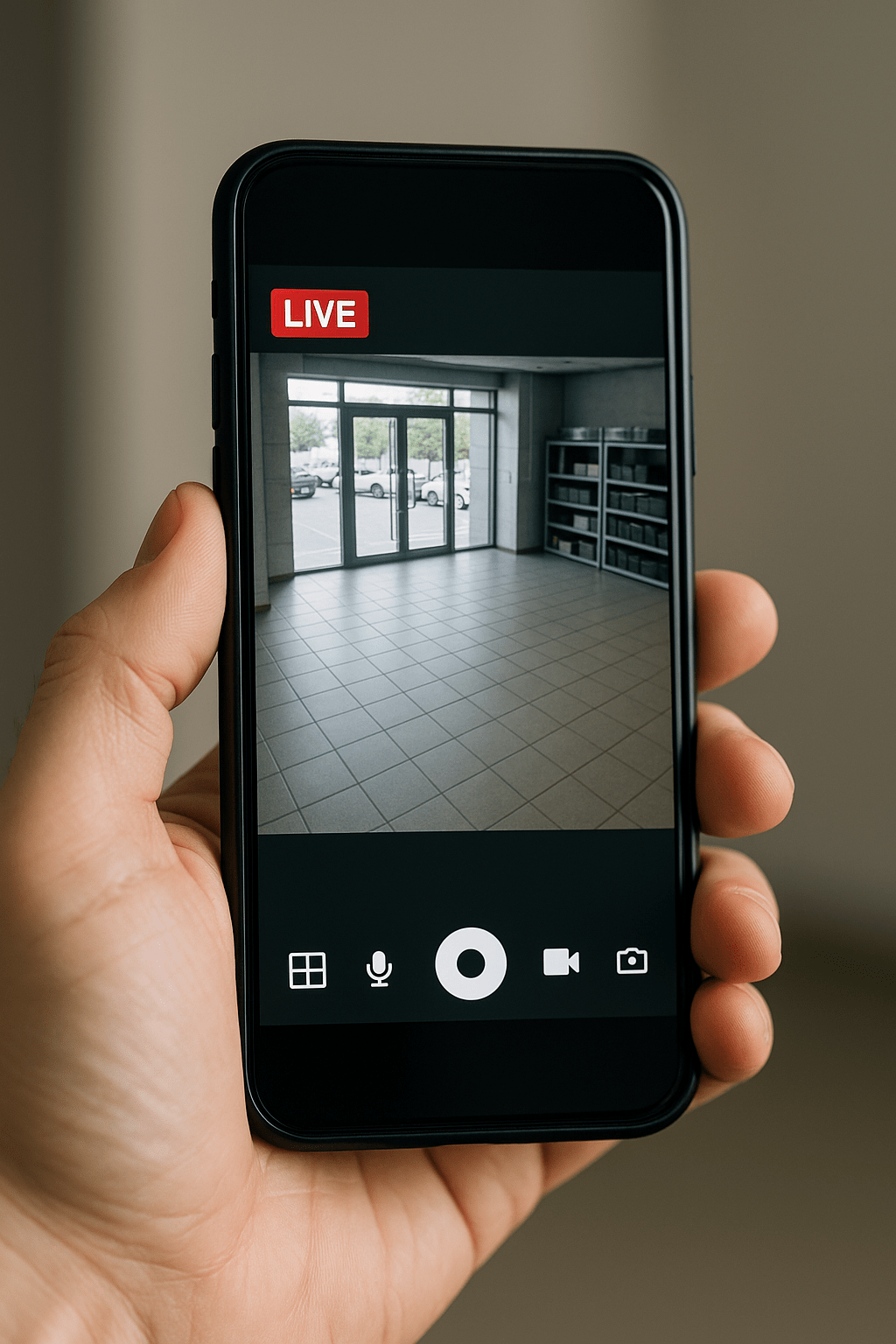
Mobile viewing capabilities are now a standard feature in modern CCTV systems, allowing business owners and managers to monitor their premises remotely from their smartphones or tablets. This provides real-time visibility into operations, enhances security, and enables quick response to incidents, no matter where you are. Imagine receiving an alert on your phone about unusual activity at your warehouse after hours. With mobile viewing, you can instantly check the live camera feed to assess the situation and take appropriate action, such as contacting the authorities. This level of control and awareness is invaluable for business owners who want to stay connected to their security.
Benefits of real-time remote monitoring for business owners and managers.
Real-time remote monitoring offers numerous benefits for business owners and managers. It provides increased situational awareness, allowing them to monitor their premises for suspicious activity, employee performance, and potential safety hazards. It enables faster response times to incidents, such as theft, vandalism, or accidents. It also improves operational efficiency by allowing managers to remotely monitor key processes and identify areas for improvement. For example, a retail store manager could use mobile viewing to monitor customer traffic patterns and adjust staffing levels accordingly. A manufacturing plant manager could monitor production lines to identify bottlenecks and optimize efficiency. The peace of mind that comes with knowing you can check in on your business anytime, from anywhere, is a significant benefit in itself.
Key Features to Look for in a Mobile Security App
When choosing a mobile security app, look for key features that enhance usability, security, and functionality. These include: live video streaming with high resolution and low latency, push notifications for motion detection and other alerts, remote PTZ (pan-tilt-zoom) control of cameras, two-way audio communication, video playback and recording capabilities, secure login and encryption, and user-friendly interface. The app should also be compatible with your CCTV system and support multiple cameras and locations. For instance, if your business has multiple locations, the app should allow you to easily switch between different camera feeds. A well-designed mobile app can significantly enhance the value and effectiveness of your CCTV system.
Ensuring Secure Remote Access to Your Security Systems
While mobile viewing offers numerous benefits, it is essential to ensure that remote access to your security systems is secure. Use strong, unique passwords for all accounts. Enable two-factor authentication for added security. Keep your mobile app and device software up to date. Use a VPN (virtual private network) when connecting to your security systems over public Wi-Fi networks. Avoid using public Wi-Fi when possible, as these networks are often unsecured. Regularly review access logs to identify any suspicious activity. It’s crucial to treat remote access as a potential security risk and take appropriate measures to mitigate that risk. Remember that a compromised mobile device can provide hackers with a backdoor into your entire security system. For additional resources, consider reading authoritative guides on network security. For example, this article on Permanent Establishment Risk: The EOR Compliance Guide offers insightful cybersecurity tips for managing remote access.
Integrating CCTV and Access Control: A Unified Security Solution for Enhanced Protection
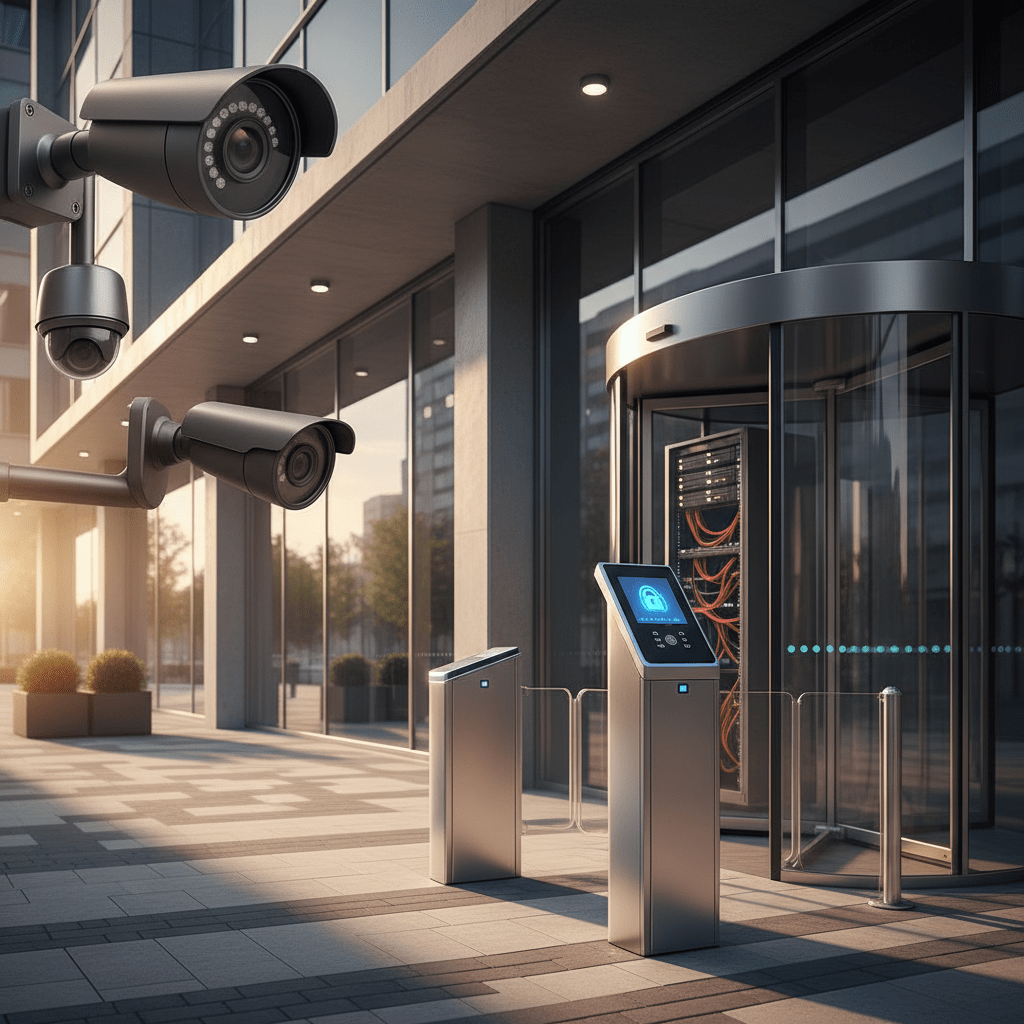
Integrating CCTV and access control systems offers a significantly more robust security posture than using them independently. This synergy allows for proactive security measures, enhanced incident response, and improved overall situational awareness. The key is to strategically link these systems to create automated responses and provide a clear audit trail of events.
Triggering Video Recording Based on Access Control Events
One of the primary benefits of integration is the ability to trigger video recording based on access control events. For instance, when an employee uses their access card to enter a restricted area, the CCTV system can automatically begin recording. This provides a visual record of who entered the area, when they entered, and what activities took place. This is incredibly valuable for incident investigation and compliance purposes.
Pitfall: Ensure sufficient storage capacity for the CCTV system to accommodate the increased recording volume. Example: A warehouse with high employee turnover experiences unauthorized access attempts after hours. Integrating access control with CCTV immediately records the event, providing clear footage of the individual and their actions, enabling swift identification and resolution.
Verifying Identities with Video Surveillance
Biometric access control systems, such as fingerprint or facial recognition scanners, can be further enhanced by integrating with CCTV. Live video feeds can be displayed alongside access attempts, allowing security personnel to visually verify the individual’s identity and prevent unauthorized access. This is particularly useful in high-security areas where visual confirmation is crucial. Furthermore, the CCTV system can capture a still image of the individual at the time of access, creating a permanent record for audit purposes. Access Control Systems: Secure Your GTA Business Now improve overall security when integrated with CCTV.
Decision Criteria: Consider the latency between the access control system and the CCTV system. Minimal delay is crucial for real-time verification.
Centralized Management and Reporting
Integrated systems typically offer a centralized management platform, allowing security personnel to monitor both CCTV and access control systems from a single interface. This simplifies operations, improves response times, and provides a holistic view of security events. Furthermore, the system can generate comprehensive reports that track access activity, video footage, and system alerts, enabling data-driven security improvements. These reports can be used to identify trends, pinpoint vulnerabilities, and optimize security protocols.
Actionable Step: Ensure the management platform is user-friendly and provides customizable reporting options. For example, generate weekly reports on door forced alarms and user access patterns to identify potential security weaknesses. Consider systems offering mobile apps for remote monitoring and control. Centralized platforms help improve operational visibility for security staff and company leaders.
Warehouse Security: Protecting Your Inventory and Assets with Strategic CCTV Placement
Warehouses are particularly vulnerable to theft, vandalism, and other security threats due to their size, accessibility, and the value of the goods stored within. Strategic CCTV placement is paramount to creating a comprehensive security solution that deters crime, protects inventory, and ensures the safety of employees. Properly positioned cameras can provide complete coverage of critical areas, monitor activity, and capture crucial evidence in the event of an incident. An integrated Access Control for Warehouses: Enhanced Security system is also a must for modern warehouse security.
Common Warehouse Security Vulnerabilities and How to Address Them
Common vulnerabilities include perimeter breaches, loading dock theft, internal theft, and inadequate lighting. To address perimeter breaches, install high-resolution cameras along the fence line, focusing on entry points and blind spots. Implement motion detection and intrusion alarms to alert security personnel to unauthorized activity. For loading dock theft, position cameras to monitor all loading and unloading activities, and ensure adequate lighting in the area. Internal theft can be mitigated by installing cameras in high-value storage areas and conducting regular inventory audits.
Example: A warehouse experiences consistent inventory shrinkage. After installing high-resolution cameras in key storage areas and implementing regular audits, they discovered an employee was systematically stealing goods. The CCTV footage provided irrefutable evidence, leading to the employee’s termination and preventing further losses.
Optimizing Camera Coverage for High-Value Areas
Prioritize camera coverage in areas where high-value goods are stored, processed, or shipped. Use a combination of fixed and PTZ (pan-tilt-zoom) cameras to provide both wide-area surveillance and detailed close-ups. Ensure cameras are positioned to capture clear images of faces and license plates. Consider using thermal cameras in dimly lit areas to detect suspicious activity. Regularly review camera footage to identify potential vulnerabilities and adjust camera placement as needed. Proper lighting is often overlooked, but essential.
Actionable Step: Conduct a thorough risk assessment to identify the most vulnerable areas of your warehouse and prioritize camera placement accordingly. Consult with a qualified security professional to determine the optimal camera types and placement strategies.
Implementing Perimeter Security Measures
A strong perimeter is the first line of defense against security threats. In addition to CCTV cameras, consider implementing other perimeter security measures, such as fences, gates, and access control systems. Install infrared beams or buried sensors to detect intrusions along the perimeter. Use signage to warn potential intruders that the property is under surveillance. Regularly inspect the perimeter for vulnerabilities and make necessary repairs.
Pitfall: Neglecting regular maintenance of perimeter security measures can render them ineffective. Ensure fences are in good repair, gates are properly secured, and security lighting is functioning correctly. A visible deterrent, coupled with functional technology, significantly reduces risk.
Compliance and Regulations: Ensuring Your Security Systems Meet Industry Standards in Mississauga, Brampton, and the GTA
Compliance with relevant laws and regulations is crucial when deploying commercial security systems in Mississauga, Brampton, and the Greater Toronto Area. Failure to comply can result in fines, legal liabilities, and reputational damage. Understanding the applicable privacy laws, data security requirements, and industry standards is essential for ensuring your security systems operate legally and ethically. The following sections will guide you in navigating the compliance landscape and implementing best practices.
Understanding Relevant Privacy Laws and Data Security Requirements
In Ontario, the *Personal Information Protection and Electronic Documents Act* (PIPEDA) governs the collection, use, and disclosure of personal information. This includes video footage captured by CCTV systems. Businesses must obtain consent before collecting personal information, use the information only for the purposes for which it was collected, and protect the information from unauthorized access. Implement strong data encryption and access controls to safeguard video footage. Develop a comprehensive privacy policy that outlines your data collection practices and make it readily available to employees and customers. Seek legal counsel to ensure your privacy policy complies with all applicable laws.
Decision Criteria: Choose CCTV systems that offer advanced privacy features, such as video redaction and masking, to protect sensitive information. Implement robust access controls to limit who can view and access video footage.
Meeting Insurance Requirements for Business Security Systems
Many insurance companies require businesses to have specific security measures in place as a condition of coverage. These requirements may include CCTV systems, access control systems, and alarm systems. Review your insurance policy carefully to understand the specific security requirements and ensure your systems meet or exceed those standards. Failure to meet these requirements could invalidate your insurance coverage in the event of a loss.
Actionable Step: Contact your insurance provider to discuss their security requirements and obtain a written confirmation of the necessary measures. Provide this information to your security system installer to ensure the system is designed and installed to meet your insurance requirements.
Working with Qualified Security Professionals to Ensure Compliance
Navigating the complex landscape of security regulations and compliance requirements can be challenging. Working with a qualified security professional can help ensure your systems are designed, installed, and maintained in compliance with all applicable laws and regulations. A qualified professional will have the expertise to assess your security needs, recommend appropriate solutions, and provide ongoing support to ensure compliance. They can also assist with developing and implementing a comprehensive security plan that addresses all relevant regulatory requirements. Consider working with a professional organization to ensure adherence to specific standards. For example, certified safety management systems will help create a safer work environment. AI-Powered SEO: A Small Business Guide to Rank Higher is a helpful marketing resource.
Pitfall: Attempting to self-install or maintain your security systems without the necessary expertise can lead to non-compliance and potential security vulnerabilities. Invest in professional installation and maintenance services to ensure your systems are operating effectively and in compliance with all applicable regulations.
Investing in Peace of Mind: Partnering with AYS Security for Your Commercial Security Needs
Securing your commercial property is an investment in peace of mind, safeguarding your assets, protecting your employees, and minimizing potential liabilities. At AYS Security, we understand the unique security challenges faced by businesses in Mississauga, Brampton, and the GTA. We offer comprehensive CCTV and access control solutions tailored to meet your specific needs and budget.
Our Approach to Designing and Installing Customized Security Solutions
We begin with a thorough security assessment of your property to identify potential vulnerabilities and determine the optimal security solutions. Our experienced team then designs a customized system that meets your specific needs and budget. We use only high-quality equipment from leading manufacturers and employ certified technicians to ensure professional installation. Our structured cabling and PoE expertise guarantees scalability and reliability. We ensure cameras are positioned to capture the most critical areas, with proper lighting and angles optimized for clear image quality, minimizing blind spots, and maximizing evidence gathering in the event of an incident.
Example: A manufacturing facility in Brampton sought to reduce internal theft and improve employee safety. AYS Security conducted a comprehensive security assessment, identifying vulnerable areas and recommending a combination of high-resolution CCTV cameras and access control systems. The installed system resulted in a 30% reduction in inventory shrinkage and improved employee morale.
Why Choose AYS Security for Your CCTV and Access Control Needs
AYS Security offers a comprehensive range of benefits, including: Expert consultation and design, professional installation and maintenance, high-quality equipment, 24/7 monitoring services, and competitive pricing. Our commitment to customer satisfaction and our extensive experience in the commercial security industry make us the ideal partner for your security needs. We prioritize scalable systems that can grow with your business. We understand the complexities of multi-location businesses and offer standardized solutions to maintain consistent security protocols across all your facilities.
Actionable Step: Review our client testimonials and case studies to see how we have helped other businesses improve their security posture.
Request a Free Security Consultation and Site Assessment
Take the first step towards a more secure future for your business. Contact AYS Security today to schedule a free security consultation and site assessment. Our team will assess your needs, answer your questions, and provide a customized security solution that meets your specific requirements. We will create a tailored solution that aligns with your unique security challenges, focusing on risk mitigation, improved operational visibility, and long-term value.
By strategically integrating CCTV and access control, warehouses can significantly enhance their security posture, protect valuable assets, and ensure a safer environment for employees. Compliance with regulations and collaboration with experienced security professionals are crucial for a successful security implementation.
For businesses in Mississauga, Brampton, and across the GTA seeking to enhance their commercial security with expertly designed and installed CCTV and access control systems, www.ayssecurity.ca provides valuable resources and a dedicated team ready to assist.