Designing an effective security camera system for your Oakville business is more than just installing cameras; it’s a strategic process tailored to your specific operational needs and risk profile. A well-designed system acts as a powerful deterrent, provides crucial evidence, and can even enhance daily operations.
This section will guide you through the foundational elements of expert security camera system design, ensuring your investment provides maximum value and robust protection for your commercial property in Oakville.
Securing Your Oakville Business: The Foundation of Expert Security Camera System Design
The first step in creating a robust security camera system for your Oakville business involves a thorough understanding of your unique vulnerabilities and operational landscape. Without this foundational knowledge, even the most advanced technology can prove ineffective. It’s about building a solution that addresses specific risks, rather than a generic installation. This requires a careful assessment of your premises, workflows, and potential threats. Expert system design prioritizes a proactive approach, anticipating needs before they become critical issues. Considering factors like business hours, employee traffic, high-value asset locations, and potential blind spots is paramount. A poorly planned system can lead to wasted resources, gaps in coverage, and ultimately, a false sense of security. For instance, a retail store might require cameras focused on point-of-sale terminals and entry/exit points, while a warehouse necessitates coverage of loading docks and inventory storage areas. Understanding these nuances is the bedrock of an effective security strategy.
Understanding the Unique Security Needs of Oakville Businesses
Oakville businesses, like those in any thriving commercial hub, face a diverse set of security challenges. These can range from opportunistic petty theft and vandalism to more sophisticated internal or external threats. Factors specific to the local environment, such as proximity to major thoroughfares, types of neighbouring businesses, and even seasonal activity, can influence risk. For example, businesses located in high-foot-traffic areas of downtown Oakville might prioritize visible deterrents and coverage of customer interactions, whereas businesses in industrial parks may need to focus on perimeter security and access control. It’s also crucial to consider the specific industry. A car dealership, for instance, has vastly different security requirements—protecting high-value vehicles on display and in storage—than an office building where the primary concern might be data security and employee safety. Tailoring the system to these specific needs ensures that your surveillance covers critical areas effectively and efficiently, maximizing the return on your security investment.
The Role of Strategic Planning in Effective Surveillance
Effective surveillance is not an afterthought; it’s a direct result of meticulous strategic planning. Before a single camera is chosen or mounted, a comprehensive assessment must be conducted. This involves defining what constitutes a security success for your business. Are you aiming to deter crime, gather evidence for prosecution, monitor employee activity for productivity, or a combination of these? Each objective influences camera placement, type, and recording settings. For instance, if deterrence is a primary goal, visible cameras at key entry points might be prioritized. If detailed evidence is needed, high-resolution cameras with excellent low-light capabilities in specific areas become essential. A structured plan also accounts for future scalability, ensuring that as your business grows or its security needs evolve, the surveillance system can adapt without a complete overhaul. This foresight is a hallmark of professional system design, preventing costly and disruptive retrofits down the line. Engaging with security professionals early in the planning phase is crucial for developing a comprehensive strategy.
Defining Your Surveillance Objectives: What Do You Need to See?
The effectiveness of any security camera system hinges on clearly defined objectives. Simply installing cameras without knowing precisely what you need to monitor is a recipe for ineffective security. You must ask yourself: What are the most critical assets or areas within my Oakville facility that require protection? What types of incidents am I most concerned about preventing or investigating? Answering these questions will dictate camera placement, camera features, and the overall system architecture. For a retail business, objectives might include monitoring customer behaviour at checkout, tracking shoplifting attempts, and ensuring employee safety during opening and closing hours. For a manufacturing plant, the focus could shift to safeguarding sensitive equipment, monitoring production lines for quality control, and securing inventory during transit. Clear objectives transform surveillance from a passive monitoring tool into an active component of your business’s risk management strategy, directly impacting its ROI and overall security posture.
Identifying Critical Assets and Vulnerable Areas in Your Oakville Facility
The cornerstone of intelligent system design is pinpointing what matters most and where it’s most at risk. For an Oakville business, this means conducting a thorough site survey to identify high-value assets such as cash registers, inventory storage, sensitive machinery, executive offices, or server rooms. Simultaneously, you must identify vulnerable areas—entry points, loading docks, dark alleyways, unmonitored corridors, and perimeter weaknesses. For a dealership, this includes car lots, service bays, and parts departments. In a retail environment, it’s the sales floor, stockrooms, and back offices. A restaurant might focus on kitchens, server stations, and the exterior. Understanding the flow of people and goods within your facility will highlight potential choke points or areas where unauthorized access could occur. This detailed mapping allows for precise camera placement, ensuring that critical activities and valuable assets are within view, thereby maximizing the system’s deterrent and evidentiary capabilities. Properly documenting these areas is the first step towards a secure environment.
Deterring Theft and Vandalism: A Key Design Consideration
A primary objective for many businesses is to prevent theft and vandalism. Security cameras are a powerful visual deterrent. When potential offenders see visible cameras, especially those clearly marked or strategically placed, they are less likely to attempt illicit activities. The placement of cameras is therefore crucial. Exterior cameras should cover entry points, windows, and any areas susceptible to vandalism, such as sides of buildings facing public spaces. Interior cameras should be positioned to monitor cash handling areas, high-value merchandise displays, and stockrooms. The mere presence of a visible surveillance system can significantly reduce incidents of shoplifting, employee theft, and property damage. Furthermore, integrating signage that clearly indicates the presence of CCTV can amplify this deterrent effect. For businesses in Oakville, combining visible cameras with strategically placed, high-resolution cameras that can capture clear identification details ensures that even if an incident occurs, the evidence collected is actionable, aiding in prosecution and recovery.
Enhancing Operational Efficiency and Employee Accountability
Beyond crime prevention, security camera systems can significantly enhance operational efficiency and employee accountability. By monitoring workflows, managers can identify bottlenecks, optimize processes, and ensure adherence to standard operating procedures. For example, in a warehouse setting, cameras can track the movement of goods, verify delivery times, and ensure proper handling of inventory, contributing to reduced shrinkage and improved logistics. In customer-facing roles, cameras can help resolve disputes, provide training opportunities by reviewing customer interactions, and ensure that employees are following company policies. This accountability extends to ensuring a safe working environment, monitoring for compliance with safety protocols, and providing clear records in case of workplace accidents. For businesses in Oakville looking to improve their bottom line, leveraging surveillance for operational insights can uncover hidden inefficiencies and boost overall productivity, turning a security investment into a performance enhancer. Such insights are invaluable for continuous improvement and can be linked to the overall ROI of the system.
Choosing the Right Camera Technology for Oakville’s Commercial Environment
Selecting the appropriate camera technology is fundamental to a successful security system in Oakville. The commercial environment demands reliability, clarity, and adaptability. Different camera types are suited for distinct applications, and understanding these distinctions is crucial for optimal coverage. Factors such as lighting conditions, the distance to the subject, and the desired field of view will influence your choice. For example, a camera intended to monitor a wide-open parking lot will have different requirements than one designed to capture facial details at a reception desk. Modern security cameras offer a range of resolutions, lens types, and environmental ruggedness, making it essential to match the technology to the specific surveillance needs of your business. Ignoring these technical considerations can lead to systems that are either over-specced and costly or under-specced and ineffective, failing to provide the necessary detail or coverage for robust security. Consulting with security experts can help navigate these choices.
Dome vs. Bullet vs. Turret Cameras: Application-Specific Selection
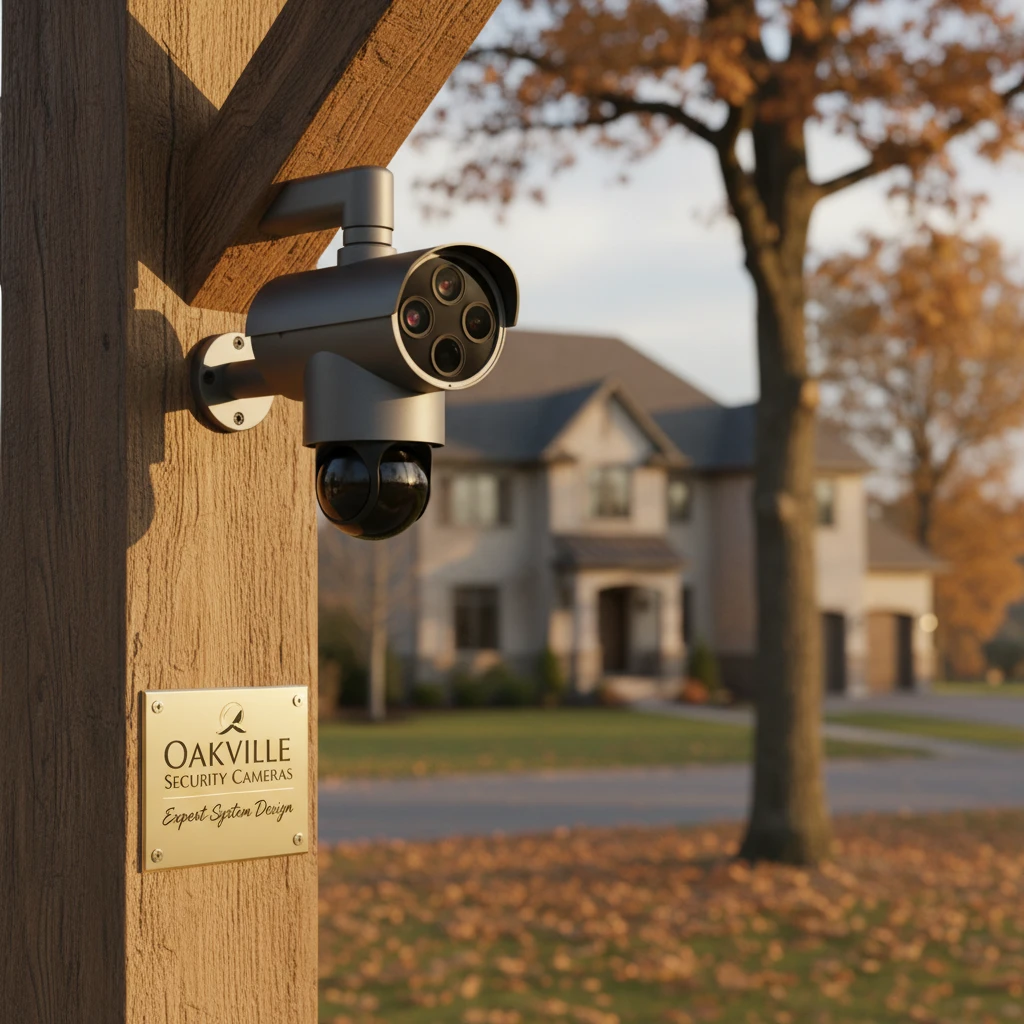
The physical form factor of a security camera plays a significant role in its application and effectiveness. Dome cameras are often preferred for indoor use and areas where aesthetics are important, offering a discreet profile and a wide field of view. Their rounded shape makes it difficult to tell which direction they are pointing, providing an element of surprise and deterring tampering. Bullet cameras are typically more visible and rugged, designed for outdoor use and long-range surveillance. Their distinct shape makes their presence known, acting as a strong visual deterrent. They are often mounted on walls or poles and can be easily adjusted to focus on specific areas. Turret cameras (also known as eyeball cameras) offer a good balance, often featuring advanced features like AI analytics and exceptional low-light performance. They are easier to install and adjust than dome cameras and are less obtrusive than many bullet cameras. Choosing the right type for each location—e.g., bullet cameras for perimeter security, dome cameras for retail interiors, and turrets for critical monitoring points—ensures that your Oakville business has the most appropriate surveillance for each need.
The Importance of Resolution (HD, 4K) for Clear Evidence
The resolution of your security cameras is directly correlated with the clarity of the footage they capture, which is critical for identifying individuals, reading license plates, and examining details. For businesses in Oakville, investing in high-definition (HD) or 4K resolution cameras is no longer a luxury but a necessity for robust security. Lower resolution cameras can produce grainy images where faces are indistinguishable or important details are lost, rendering the footage useless as evidence. 4K resolution, offering four times the detail of Full HD (1080p), provides exceptionally sharp images, allowing for greater digital zoom without significant loss of quality. This is particularly important for capturing clear identification in large areas or from a distance. Clear, high-resolution footage is invaluable for law enforcement investigations, internal disciplinary actions, and insurance claims, significantly increasing the efficacy of your entire security system. Prioritizing resolution ensures you capture actionable evidence.
Low-Light Performance: Capturing Footage Day and Night
Many security incidents occur outside of daylight hours, making a camera’s ability to capture clear footage in low-light or complete darkness a critical design consideration. Standard cameras can struggle when illumination is poor, resulting in dark, noisy, or unusable video. Businesses in Oakville need systems that offer superior low-light performance to ensure continuous surveillance. Technologies such as Starlight sensors, Wide Dynamic Range (WDR), and infrared (IR) illumination are key to achieving this. Starlight sensors are designed to gather as much light as possible, producing colour images even in very dim conditions. IR illuminators emit invisible light, allowing the camera to see in total darkness by capturing a black-and-white image. Effective low-light performance means your surveillance system remains vigilant 24/7, providing essential visual evidence and maintaining a deterrent effect regardless of ambient light conditions. This capability is vital for protecting assets overnight and during periods of reduced visibility.
Leveraging Advanced Features for Comprehensive Business Security
Modern security camera systems offer a wealth of advanced features that go beyond basic video recording, providing intelligent insights and proactive security measures. Integrating these capabilities into your Oakville business’s surveillance strategy can significantly enhance its protective value. Features like advanced motion detection, video analytics, and sophisticated low-light technologies transform static cameras into dynamic security tools. These technologies allow systems to not only record events but also to actively identify potential threats, reduce false alarms, and provide real-time alerts. For businesses seeking to maximize their security ROI, understanding and implementing these advanced functionalities is paramount. They enable a more efficient allocation of security resources and provide a higher level of assurance, ensuring that your business is protected against a wider range of threats. Exploring these options ensures a truly comprehensive security posture.
Motion Detection and Analytics: Intelligent Alerting Systems
Beyond simple motion detection that triggers recording, modern security cameras offer advanced video analytics that can intelligently identify specific types of events. These sophisticated algorithms can distinguish between a person, a vehicle, or even an animal, significantly reducing false alarms caused by falling leaves or passing shadows. Features like line crossing detection (alerting when an object crosses a predefined virtual line), intrusion detection (signalling when an object enters a defined zone), and even object recognition can provide real-time notifications for critical events. For an Oakville business, this means that security personnel or management can be alerted immediately to potential intrusions in restricted areas, unauthorized vehicles entering delivery zones, or suspicious loitering, allowing for a rapid response. Implementing these intelligent alerting systems transforms your surveillance from a passive recording device into an active security guardian, improving response times and mitigating risks more effectively.
Wide Dynamic Range (WDR) and Infrared (IR) for Varied Lighting
Commercial environments often present challenging lighting conditions, from bright sunlight streaming through windows to deep shadows in corners. Wide Dynamic Range (WDR) technology is essential for cameras operating in such variable light. WDR allows a camera to capture detail in both the brightest and darkest parts of an image simultaneously, preventing scenes from being washed out by bright light or obscured by deep shadows. This is crucial for areas with high-contrast lighting, such as entrances or spaces with large windows. Complementing WDR, Infrared (IR) illumination provides visibility in complete darkness. Built-in IR LEDs emit invisible light that allows the camera sensor to “see” in zero-light conditions, capturing clear black-and-white footage. For businesses in Oakville, the combination of WDR and IR ensures that your cameras provide reliable, high-quality footage day and night, regardless of ambient light fluctuations, guaranteeing consistent surveillance coverage across all operating hours and conditions.
Tamper Detection and Remote Access Capabilities for Peace of Mind
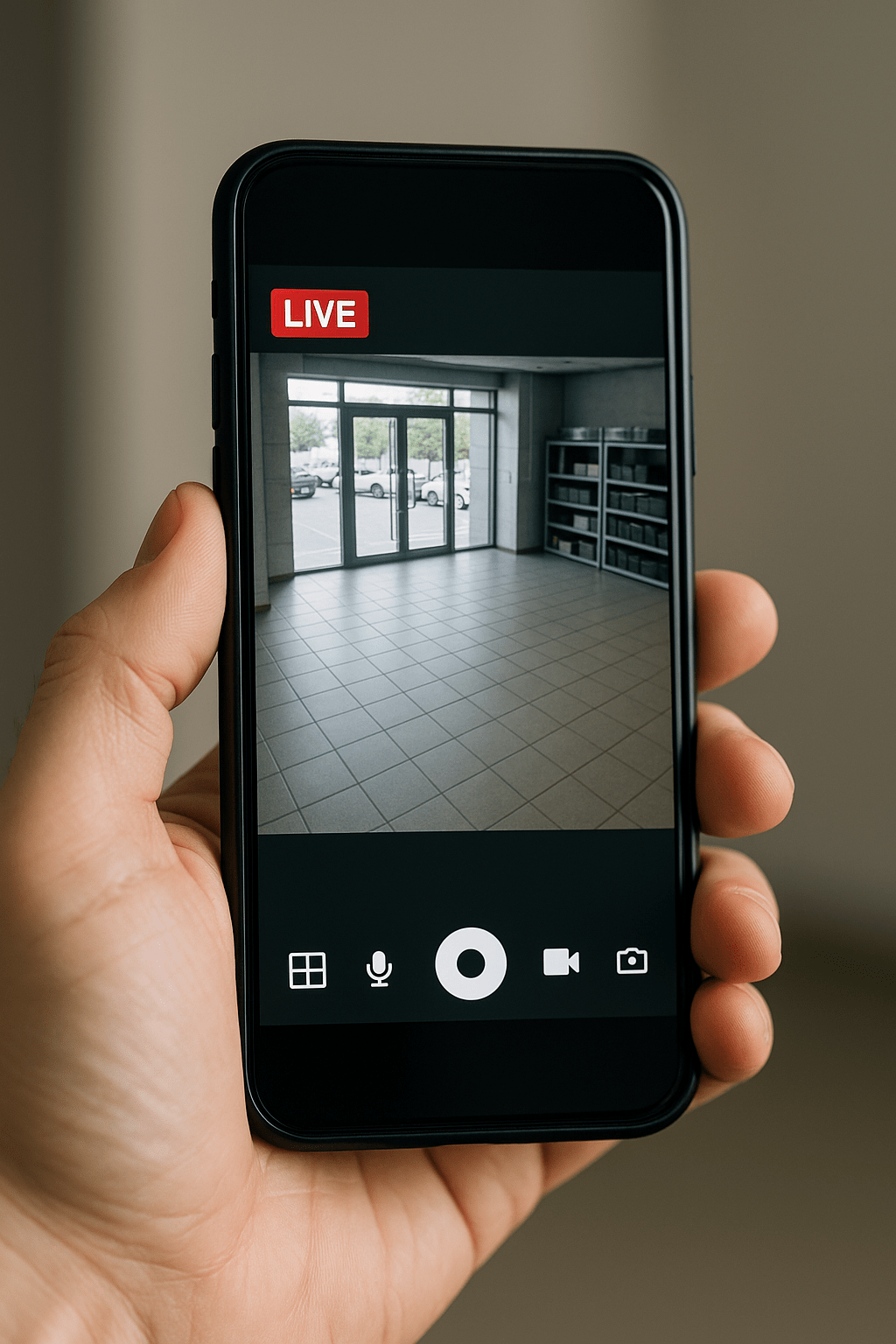
Advanced security camera systems incorporate features designed to protect the system itself and provide flexibility for monitoring. Tamper detection is a critical function that alerts you if a camera’s lens is covered, obstructed, or if the camera is moved from its intended position. This ensures the integrity of your surveillance network and prevents covert attempts to disable it. Furthermore, modern systems offer robust remote access capabilities, allowing authorized personnel to view live feeds, review recorded footage, and manage system settings from virtually anywhere via secure web portals or mobile applications. This is invaluable for business owners and managers who need to stay informed and responsive, whether they are off-site, travelling, or managing multiple locations across the GTA. Remote access, combined with tamper detection, provides an added layer of security and operational control, offering peace of mind and enabling prompt action in response to any security event or system anomaly.
Network Infrastructure: The Backbone of a Reliable Security System
A robust network infrastructure is the bedrock upon which any effective commercial surveillance system is built. Without a stable and properly configured network, even the most advanced cameras and Video Management Systems (VMS) will falter, leading to intermittent recording, poor video quality, and eventual system failure. For businesses in Oakville, understanding the intricacies of network design is paramount to ensuring continuous, reliable security. This includes selecting the appropriate network topology, ensuring adequate bandwidth, and implementing robust power delivery methods. Neglecting this foundational element can result in costly downtime and compromised security, directly impacting your business’s operational continuity and liability. A well-designed network minimizes latency and packet loss, ensuring that critical video data is transmitted and stored without interruption, crucial for investigations or real-time monitoring. The right infrastructure also supports future expansion, allowing you to add more cameras or higher resolution streams without requiring a complete overhaul.
Power over Ethernet (PoE): Simplified Installation and Reduced Cabling
Power over Ethernet (PoE) technology has revolutionized the installation of IP-based security camera systems. PoE allows network cables (typically Cat5e or Cat6) to transmit both data and electrical power to devices simultaneously. This significantly reduces the complexity and cost associated with installation by eliminating the need for separate power outlets and electrical wiring at each camera location. For commercial installations across Oakville, this translates to faster deployment, cleaner aesthetics, and enhanced safety during setup. A PoE switch or injector provides the necessary power, consolidating power management and simplifying troubleshooting. The standardization of PoE (e.g., IEEE 802.3af, 802.3at, 802.3bt) ensures compatibility between different manufacturers’ devices. Choosing a PoE solution requires careful consideration of the total power budget required by all connected cameras and other PoE devices, ensuring the switch or injector can supply sufficient wattage. This approach also offers a degree of flexibility for relocating cameras in the future without extensive rewiring, a key benefit for dynamic business environments.
Structured Cabling Best Practices for Scalability and Future-Proofing
Implementing structured cabling is a strategic investment that ensures your Oakville business’s security network can grow and adapt without significant disruption. This involves a systematic approach to installing and managing all cabling (network, power, etc.) within a building, adhering to industry standards such as TIA/EIA. Best practices include using high-quality, category-rated Ethernet cables (Cat6 or Cat6a for future-proofing), ensuring proper termination at both ends, and maintaining organized cable pathways. Properly labeled patch panels and conduits not only facilitate efficient maintenance and troubleshooting but also support the seamless addition of new devices or upgrades to higher bandwidth requirements. For businesses anticipating growth, structured cabling provides a scalable foundation, minimizing downtime and costs associated with future network expansions. Investing in quality cabling now prevents costly retrofits down the line and ensures your commercial CCTV structured cabling remains reliable for years to come.
Network Bandwidth Considerations for High-Resolution Footage
The transition to high-resolution video (e.g., 4K and beyond) for enhanced detail and clarity in surveillance footage brings significant bandwidth demands. For businesses in Oakville, understanding and planning for adequate network bandwidth is critical to avoid performance bottlenecks. Insufficient bandwidth can lead to pixelation, dropped frames, and an inability to record or stream high-definition video, severely degrading the effectiveness of your surveillance system. Each camera’s resolution, frame rate, and compression settings contribute to its bandwidth consumption. Therefore, a thorough assessment of the total bandwidth required for all cameras, combined with other network traffic, is essential. Network infrastructure, including switches and routers, must be capable of handling this aggregate load. Implementing efficient video compression codecs (like H.265) can help mitigate bandwidth usage without sacrificing significant image quality. Prioritizing network segmentation, such as using VLANs, can also isolate surveillance traffic, ensuring it doesn’t impact other business operations and maintaining the integrity of your video streams.
Video Management Systems (VMS) Tailored for Commercial Use
A sophisticated Video Management System (VMS) is the central brain of your commercial surveillance setup, enabling efficient monitoring, recording, playback, and analysis of video feeds. For Oakville businesses, selecting a VMS that is specifically designed for commercial applications is crucial. Unlike basic DVRs or NVRs, commercial VMS solutions offer advanced features such as centralized management of multiple sites, intelligent search capabilities, and robust user permissions. The right VMS enhances operational efficiency by consolidating video data from various sources into a single, manageable interface. It plays a pivotal role in operational visibility, helping to track assets, monitor employee productivity, and identify potential security threats in real-time. The scalability of a VMS is also a key consideration, ensuring it can grow with your business and accommodate increasing numbers of cameras or new technologies. A well-chosen VMS transforms raw video footage into actionable intelligence, bolstering your security posture and contributing to overall business risk mitigation.
Centralized Monitoring and Recording Solutions for Multi-Location Businesses
For businesses operating across multiple locations in the GTA, including Oakville, a centralized Video Management System (VMS) is indispensable for effective surveillance. This approach consolidates live feeds and recorded footage from all sites into a single, unified platform, allowing a security team or manager to monitor operations remotely. Centralized solutions simplify management, reduce the need for on-site personnel at each location, and ensure consistent security standards across the entire organization. Features such as unified dashboards, advanced alerting mechanisms, and comprehensive audit trails for user actions are vital. This is particularly important for retail chains or companies with multiple warehouses, where maintaining oversight of inventory, customer interactions, and employee activity is critical. A robust centralized VMS also ensures that all video data is securely stored and easily retrievable for investigations or compliance purposes, regardless of its original source location. It’s a cornerstone for comprehensive commercial security in the GTA.
User-Friendly Interfaces for Easy Access and Retrieval of Footage
The most advanced Video Management System (VMS) is ineffective if its interface is complex and difficult to navigate. For commercial security in Oakville, prioritizing a VMS with an intuitive and user-friendly interface is paramount. This ensures that authorized personnel, from security guards to operations managers, can quickly and efficiently access live video feeds, search for specific events, export footage, and manage system settings without extensive training. Features like drag-and-drop camera arrangement, simple timeline scrubbing for playback, and easily accessible search filters for date, time, or motion events are critical. A well-designed interface reduces the learning curve, minimizes the risk of human error during critical situations, and ensures that the VMS provides tangible operational benefits. For example, quickly retrieving footage related to a customer dispute or an inventory discrepancy can save valuable time and resources, contributing to a positive return on investment for your security system.
Integration with Other Security Systems (Access Control, Alarms)
The true power of a modern commercial surveillance system lies in its ability to integrate seamlessly with other security and building management technologies. For businesses in Oakville, this interoperability enhances situational awareness and streamlines incident response. Integrating your VMS with access control systems allows you to correlate video footage with door access logs, providing a comprehensive audit trail of who entered or exited specific areas and when. Similarly, integrating with alarm systems enables video verification of alarms, reducing false alarms and enabling quicker dispatch of response teams. This unified approach means that an alarm event can automatically trigger specific cameras to record or display their feeds on a central monitor, providing critical context to security personnel. Such integrated systems create a more intelligent, proactive security posture, moving beyond passive recording to active threat detection and management, ultimately contributing to a more secure and efficient business environment.
Strategic Camera Placement: Maximizing Coverage and Minimizing Blind Spots
Effective camera placement is fundamental to the success of any surveillance system, directly impacting the system’s ability to deter crime, capture evidence, and provide operational insights. For Oakville businesses, a strategic approach to camera positioning is crucial for maximizing coverage and eliminating blind spots. This involves a thorough site assessment to understand traffic flow, potential threat areas, and critical assets. The goal is to position cameras so they provide overlapping fields of view where possible, ensuring that no area of importance is left unmonitored. Consideration must be given to environmental factors such as lighting conditions, weather, and potential obstructions. Incorrect placement can lead to wasted investment in cameras that capture unusable footage or fail to deter unwanted activity. A professional assessment ensures that each camera’s location serves a specific purpose within the overall security strategy, contributing to a comprehensive security solution.
Entry and Exit Point Monitoring for Oakville Businesses
Monitoring entry and exit points is a cornerstone of any effective business security strategy in Oakville. These are the most vulnerable areas where unauthorized access, theft, or vandalism can occur. Strategically placing high-resolution cameras at all main entrances, service doors, loading docks, and employee access points ensures clear identification of individuals entering and leaving the premises. Consider cameras with Wide Dynamic Range (WDR) capabilities to handle challenging lighting conditions, such as direct sunlight or harsh interior lighting, which are common at doorways. For increased security, consider installing cameras that can capture license plates at vehicle entry points. Clear footage of individuals at these critical junctures is invaluable for investigating incidents, identifying suspects, and deterring potential wrongdoers. This proactive monitoring of access points is a crucial step in enhancing your overall commercial security camera strategy.
Perimeter Security and Lot Surveillance Strategies
Securing the perimeter and surrounding lots of your Oakville business is essential for preventing unauthorized access, theft of assets, and vandalism before incidents escalate indoors. Strategic camera placement can create a robust surveillance network around your property. This includes covering parking lots, delivery areas, fence lines, and the exterior of the building. Long-range cameras or PTZ (Pan-Tilt-Zoom) cameras can be effective for monitoring large outdoor spaces, providing the flexibility to track movement across extensive areas. Consider motion-activated cameras or analytics that can alert security personnel to activity in low-traffic areas during off-hours. Effective perimeter surveillance not only deters potential intruders but also provides critical evidence if a breach occurs, aiding in investigations and insurance claims. This proactive approach to external monitoring is a vital component in safeguarding your business assets and ensuring a safe environment for employees and customers.
Interior Coverage: High-Traffic Areas and Sensitive Zones
Beyond exterior monitoring, strategic interior camera placement is vital for maintaining operational oversight and security within your Oakville business premises. Focus on high-traffic areas such as reception areas, hallways, sales floors, and cash registers, where customer interactions and transactions occur. These locations benefit from cameras that can capture clear images of faces and activities. Additionally, sensitive zones require specialized attention. This includes inventory storage rooms, server rooms, executive offices, and areas where valuable equipment or proprietary information is kept. Installing cameras in these locations acts as a deterrent and provides essential evidence in case of theft, unauthorized access, or internal disputes. The choice of camera type—from discreet dome cameras to high-resolution bullet cameras—should be tailored to the specific environment and surveillance needs of each interior zone.
Scalable Design: Planning for Future Growth of Your Oakville Operation
As your Oakville business evolves, so too should its security infrastructure. A scalable camera system is designed with future expansion in mind, ensuring that you can easily add more cameras, upgrade components, or increase storage capacity without requiring a complete system overhaul. This forward-thinking approach prevents obsolescence and costly retrofitting down the line. Scalability is about building a foundation that can adapt to changing business needs, increased operational complexity, or new security challenges. When designing your system, consider factors like the capacity of your network switches, the capabilities of your VMS software, and the available rack space for servers or storage solutions. Investing in a scalable system means your initial investment remains valuable, providing a consistent and evolving security solution that supports your business growth over the long term, ultimately contributing to sustained operational ROI.
Building a System That Adapts to Expanding Business Needs
For businesses in Oakville that anticipate growth, designing a security system with adaptability at its core is paramount. This means moving beyond a static installation and instead architecting a solution that can readily accommodate an increasing number of cameras, higher resolution requirements, or expanded monitoring needs as your operations scale. Key considerations include selecting a VMS that supports a large number of cameras and channels, choosing network infrastructure (like PoE switches) with sufficient port density and bandwidth capacity, and ensuring your recording solution can handle increased data volume. This foresight allows for the seamless integration of new cameras in newly acquired spaces or for enhanced surveillance in expanding departments. A flexible system ensures that your security measures remain effective and relevant without becoming a hindrance to your business’s expansion efforts.
Considering Expansion Points and Capacity for Additional Cameras
When designing your initial surveillance system in Oakville, proactive planning for future expansion is crucial. This involves assessing the capacity of your existing network infrastructure and Video Management System (VMS) to support additional cameras. For instance, ensure your PoE switches have spare ports or the capacity to add more switches. Verify that your VMS license and server processing power can handle a higher camera count and potentially higher resolution streams. Identifying strategic locations for future camera installations during the initial design phase can also streamline the expansion process. This might involve pre-installing conduit or identifying network connection points that can be easily activated later. Considering these expansion points and the inherent capacity of your chosen hardware and software components ensures that adding cameras as your business grows is a straightforward and cost-effective process, rather than a complex and expensive undertaking.
The Benefits of a Modular Design Approach
Adopting a modular design approach for your security camera system offers significant advantages for businesses in Oakville looking to build a flexible and future-proof solution. Modularity breaks down the system into independent, interchangeable components, such as cameras, network switches, storage devices, and VMS software. This allows for easier upgrades, replacements, or additions of individual modules without disrupting the entire system. For example, if a new camera technology emerges, you can replace individual cameras rather than the entire system. Similarly, if your storage needs increase, you can add more storage modules. This approach not only simplifies maintenance and troubleshooting but also provides greater cost control, as you can upgrade or expand specific components based on actual needs rather than performing a full system overhaul. It aligns perfectly with the dynamic nature of modern businesses and ensures your security infrastructure remains current and effective.
Integration for Enhanced Security: Beyond Just Cameras
While high-resolution cameras are the cornerstone of any surveillance system, their true power is unlocked through intelligent integration with other security and operational technologies. For businesses in Oakville and across the GTA, a cohesive system offers a significant leap in proactive defense and efficient management. This approach moves beyond simply recording events to actively preventing them and streamlining responses. Think of it as building an interconnected digital fortress rather than a collection of isolated sentry posts. For example, integrating your CCTV with access control systems allows for automated alerts and recorded footage directly tied to specific entry or exit points, providing irrefutable evidence of who accessed an area and when. This level of detail is invaluable for internal investigations and overall site accountability.
Combining CCTV with Access Control for Comprehensive Site Management
The synergy between Closed-Circuit Television (CCTV) and access control systems creates a robust framework for managing business premises. Access control solutions, such as card readers, biometric scanners, or keypad entry systems, dictate who can enter specific zones within your facility. When linked with your CCTV network, every access event can be automatically cross-referenced with video footage. This means if an unauthorized door is forced or a restricted area is accessed without proper credentials, your security team receives an immediate alert, complete with a video clip showing the incident. This integration is particularly crucial for businesses with sensitive areas like server rooms, executive offices, or high-value inventory storage. Beyond security, this unified approach can also provide operational insights, such as tracking employee movement during work hours or analyzing visitor traffic patterns, contributing to a more efficient and secure operational flow.
Leveraging Remote Video Monitoring for Real-Time Situational Awareness
In today’s fast-paced business environment, the ability to monitor your premises remotely is no longer a luxury but a necessity. Modern security systems, powered by robust network infrastructure, allow business owners and security personnel in Oakville to access live and recorded video feeds from virtually anywhere with an internet connection. This capability is vital for maintaining oversight of multiple locations or for immediate response to potential threats outside of standard business hours. Mobile viewing applications provide real-time alerts for critical events, such as motion detection in secure areas after hours or perimeter breaches. This constant connectivity ensures that potential issues are identified and addressed swiftly, minimizing risk and protecting assets. For businesses dealing with valuable inventory or operating in sectors prone to external threats, this real-time situational awareness is a game-changer for mitigating operational risks.
The Role of Professional Monitoring Services in Oakville
While on-site security personnel and advanced technology offer significant protection, the ultimate layer of reassurance often comes from professional, third-party monitoring services. These services operate 24/7, staffed by trained professionals who are alerted to any system triggers. When an alarm is activated or suspicious activity is detected by your Oakville business’s CCTV system, these monitoring centers can verify the event, dispatch authorities if necessary, and provide vital information to responding officers. This immediate, expert response can dramatically reduce response times and improve the effectiveness of law enforcement interventions. Furthermore, professional monitoring services can often provide evidence review and incident reporting, offloading a significant administrative burden from your internal teams and ensuring a consistent, high level of security coverage, even during staff absences or system malfunctions. Relying on these specialists ensures that your security system is not just a collection of cameras but a fully managed defense strategy.
The Importance of Professional Installation for Oakville Businesses
The effectiveness of any sophisticated security system hinges significantly on the quality of its installation. For businesses in Oakville, investing in professional installation services ensures that your CCTV system is not only strategically placed but also optimally configured to provide the widest coverage and clearest imagery. A poorly installed system can lead to blind spots, degraded video quality due to improper cabling, or network vulnerabilities that compromise the entire setup. Professional installers possess the expertise to assess your unique business environment, identify potential risks, and design a solution that addresses these specific challenges. This includes selecting the right type and placement of cameras, ensuring proper wiring for power and data transmission (often leveraging structured cabling for reliability), and integrating all components seamlessly. Their work guarantees that your investment delivers maximum return in terms of security and operational oversight.
Ensuring Optimal Camera Angles and Network Configuration
Achieving crystal-clear footage and comprehensive coverage requires meticulous attention to detail in camera placement and network setup. Professional installers evaluate each potential camera location to determine the optimal angle for capturing key areas, minimizing glare, and avoiding obstructions. This includes considerations like lighting conditions, anticipated movement patterns, and the specific objectives of each camera’s placement – whether it’s for general surveillance, identifying individuals, or monitoring specific activities. Equally critical is the network configuration. This involves setting up secure, stable network connections, often utilizing Power over Ethernet (PoE) to simplify wiring and ensure consistent power supply to cameras. Proper network configuration also addresses bandwidth allocation and data management, ensuring smooth, uninterrupted video streaming and recording. For businesses with multiple locations, a professionally configured network ensures seamless remote access and management of all systems. For instance, a retail business in Brampton might need different camera angles and network priorities than a warehouse in Milton, and an expert can tailor the design accordingly.
Adhering to Compliance and Best Practices for Business Security
Beyond functionality, professional installation ensures that your Oakville business’s security system complies with relevant regulations and industry best practices. This is especially important in sectors with specific data privacy requirements or security mandates. Professionals are up-to-date on legal requirements regarding surveillance, data storage, and employee privacy, helping to prevent costly fines and legal repercussions. They ensure that video footage is stored securely and accessed only by authorized personnel, maintaining the integrity of the data. Implementing a system that adheres to these standards not only protects your business legally but also enhances its reputation for responsible data handling. For a business considering upgrades, understanding these compliance aspects is as crucial as the technological capabilities of the cameras themselves, ensuring the system provides both security and peace of mind.
Long-Term Maintenance and Support for Your Investment
A professionally installed CCTV system is designed for longevity and optimal performance, but like any technology, it requires ongoing care. Expert installation sets the stage for effective long-term maintenance by ensuring that components are robust, accessible for servicing, and properly documented. This includes establishing a maintenance schedule for cleaning lenses, checking connections, updating firmware, and verifying system integrity. Professional support also provides a critical safety net, offering timely troubleshooting and repairs should any issues arise. This proactive approach minimizes downtime, prevents minor glitches from becoming major problems, and ensures your security system continues to operate at peak efficiency. For businesses in the Greater Toronto Area, having a reliable partner for ongoing support means protecting their investment and maintaining continuous, uninterrupted security coverage, which is essential for boosting overall business security.
Implementing a comprehensive security strategy that integrates various technologies and relies on expert guidance is paramount for protecting business assets and operations. The meticulous planning and execution of your security infrastructure by qualified professionals lay the foundation for enduring safety and operational efficiency.
For businesses seeking expert advice on designing, installing, and maintaining advanced CCTV systems tailored to their specific needs in Oakville and surrounding areas, www.ayssecurity.ca offers a wealth of information and professional services. Their focus on commercial CCTV system design ensures solutions are both effective and scalable.