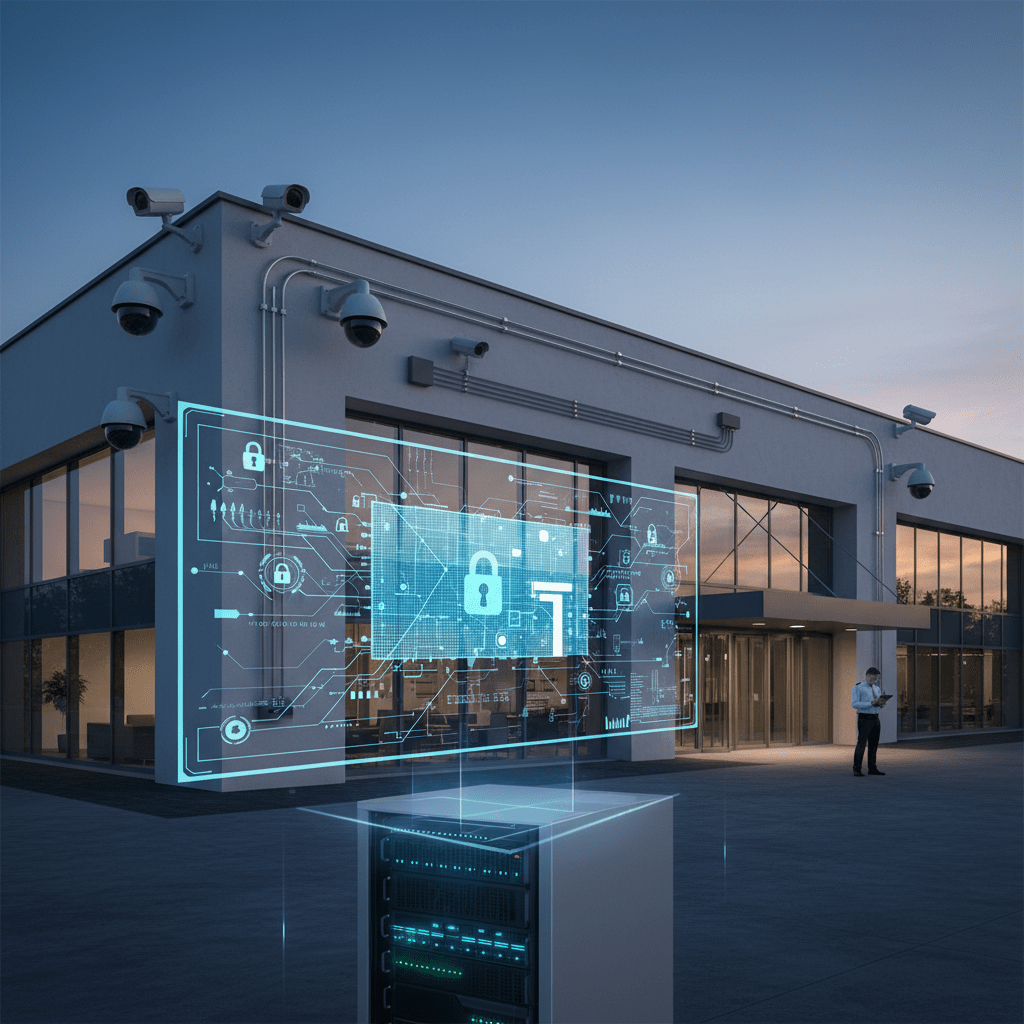
In today’s rapidly evolving security landscape, relying on outdated CCTV technology is like using yesterday’s map in a fast-paced race. While your existing system may have served you well, advancements in camera technology, AI-powered analytics, and cybersecurity protocols demand a fresh look at your business security strategy. Don’t let outdated equipment become a liability; proactive upgrades are crucial to protecting your assets and ensuring operational efficiency.
This guide will walk you through the key considerations for upgrading your commercial CCTV system in 2026. We’ll explore the risks associated with legacy systems, the benefits of advanced features, and the critical factors to consider when choosing a new security solution for your business in Mississauga, Brampton, or across the GTA. Let’s dive into how you can future-proof your business security with a strategic CCTV system upgrade.
Is Your 2020s CCTV System Still Protecting Your Business?
Recognizing the Warning Signs: Outdated Technology and Security Risks
Many businesses operating in the GTA are still using CCTV systems installed in the early to mid-2020s. While these systems might appear functional, they often lack the features and capabilities required to effectively address modern security threats. Warning signs that indicate your system may be outdated include grainy or low-resolution footage, limited storage capacity, the absence of remote viewing capabilities, and a lack of integration with other security systems. Furthermore, older systems are often vulnerable to cybersecurity breaches, leaving your business data and operations exposed. If your system requires frequent maintenance or repairs, it’s a clear signal that an upgrade is necessary. Waiting for a security incident to occur before upgrading is a reactive approach that can be costly and damaging to your business.
Common CCTV System Weaknesses Vulnerable to Modern Threats
Outdated CCTV systems often suffer from several key weaknesses that make them vulnerable. These include a reliance on analog technology, which offers inferior image quality compared to digital IP cameras. Poor night vision capabilities can leave your property exposed during critical hours. A lack of intelligent analytics means you’re relying solely on manual review of footage, missing potential security threats in real-time. Insufficient storage capacity can result in overwritten footage, hindering investigations. Finally, weak or non-existent cybersecurity protocols make older systems easy targets for hackers seeking to access sensitive data or disrupt operations. All of these vulnerabilities can compromise your business security and increase the risk of theft, vandalism, and other security incidents. Investing in Business Security Cameras from AYS Security can mitigate these vulnerabilities.
The Evolving Landscape of Commercial Security in 2026
The commercial security landscape is constantly evolving, driven by advancements in technology and the increasing sophistication of security threats. In 2026, businesses face a range of challenges, including cyberattacks targeting vulnerable IoT devices (like older CCTV systems), sophisticated theft and vandalism tactics, and the need to comply with increasingly stringent data privacy regulations. Cloud-based video surveillance, AI-powered analytics, and proactive threat detection are becoming essential components of a comprehensive security strategy. Businesses that fail to adapt to these changes risk falling behind and becoming easy targets. Staying informed about the latest security trends and investing in modern CCTV technology is crucial for maintaining a secure and resilient business environment. It’s a good idea to regularly examine Security Trends to make sure you have the latest information.
Top 5 Reasons to Upgrade Your Commercial CCTV System in 2026

Enhanced Image Quality: 4K and Beyond for Clearer Evidence
Upgrading to 4K or higher resolution cameras provides significantly clearer and more detailed images compared to older analog or low-resolution IP cameras. This enhanced image quality is crucial for identifying individuals, reading license plates, and capturing critical details in the event of a security incident. With 4K resolution, you can digitally zoom in on footage without losing clarity, providing valuable evidence for investigations. For example, a retail store upgraded their system to 4K and were able to clearly identify a shoplifter’s face and clothing, leading to a swift apprehension. Consider upgrading to cameras with wide dynamic range (WDR) technology to improve image quality in challenging lighting conditions. Clearer images translate to better evidence and faster resolution of security incidents. This is especially important in expansive areas, such as a warehouse needing Commercial CCTV Mississauga coverage.
Improved Analytics: Proactive Security with AI-Powered Detection
Modern CCTV systems incorporate AI-powered analytics that can automatically detect suspicious activity, such as loitering, unauthorized entry, or unusual movements. These analytics can trigger real-time alerts, allowing security personnel to respond quickly to potential threats. For example, a manufacturing plant implemented a system with perimeter intrusion detection and reduced false alarms by 90% compared to their previous motion-detection system. Facial recognition technology can also be used to identify known offenders or unauthorized individuals. AI-powered analytics move beyond simple motion detection, providing proactive security measures that can prevent incidents before they occur. This is especially crucial in environments with high traffic or complex layouts. Prioritizing AI features within Commercial CCTV Mississauga implementations allows you to maximize your security ROI.
Remote Accessibility: Monitor Your Business from Anywhere, Anytime
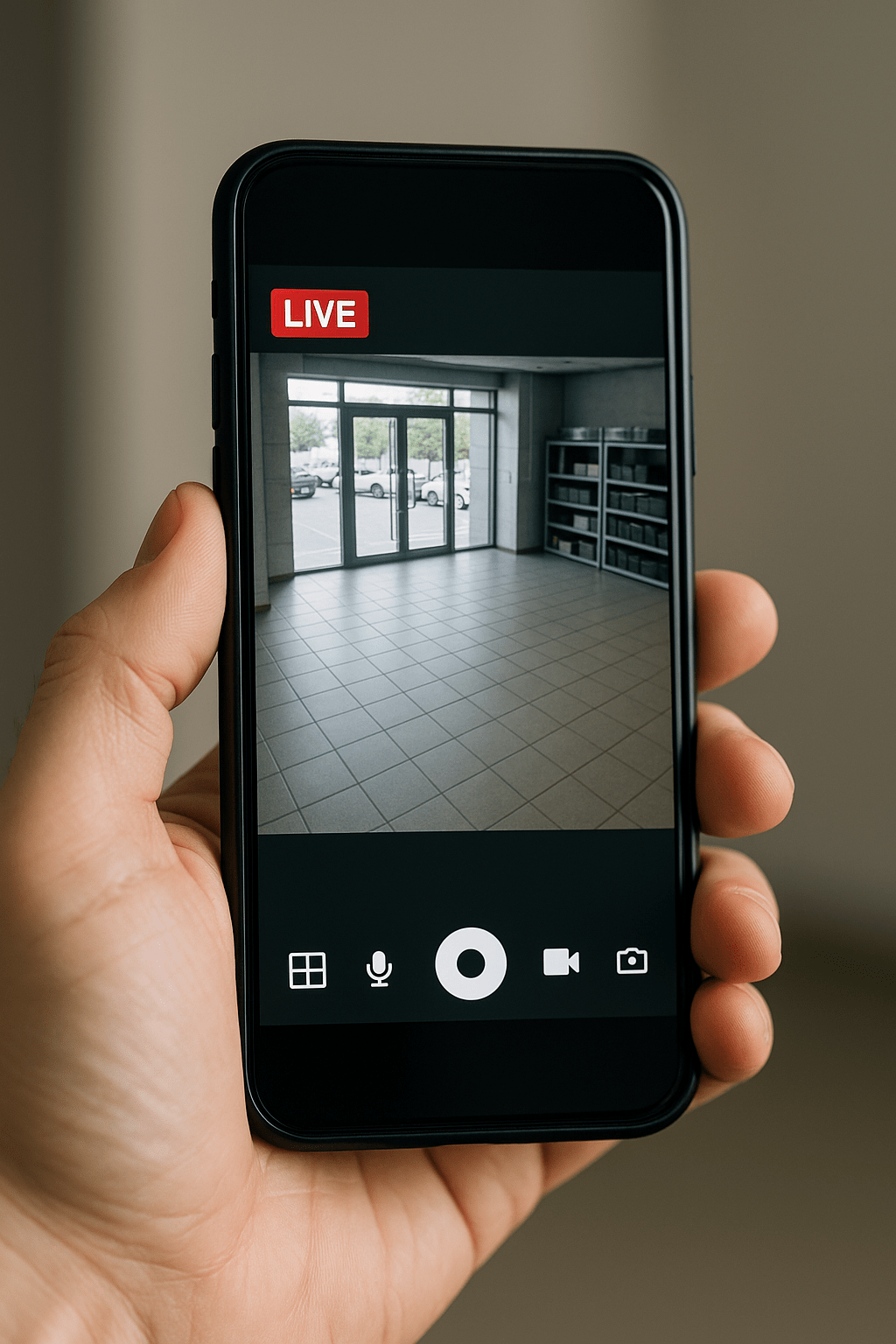
Modern CCTV systems offer remote accessibility, allowing you to monitor your business from anywhere, anytime, using a smartphone, tablet, or computer. This feature is particularly valuable for business owners and managers who need to stay informed about their operations even when they’re not on-site. Remote access enables you to view live footage, review recorded events, and receive alerts in real-time. For example, a restaurant owner was able to remotely monitor their kitchen staff and identify a potential food safety violation, preventing a costly incident. Ensure the remote access solution is secure and uses strong encryption to protect your data. The ability to remotely manage and monitor your CCTV system provides peace of mind and enhances your overall security posture.
Scalability: Expanding Your Security Coverage as Your Business Grows
As your business grows, your security needs will likely evolve. Upgrading to a scalable CCTV system allows you to easily expand your coverage by adding new cameras and integrating with other security systems. This flexibility ensures that your security infrastructure can adapt to your changing requirements without requiring a complete system overhaul. Cloud-based solutions often offer greater scalability compared to on-premise systems. For example, a dealership initially installed a 16-camera system and was able to seamlessly add 8 more cameras as their business expanded to a new lot. Consider a system that supports a wide range of camera types and integrations to ensure maximum flexibility. Scalability is essential for long-term security and investment protection.
Cybersecurity Hardening: Protecting Your System from Hacking and Data Breaches
Cybersecurity is a critical consideration when upgrading your CCTV system. Older systems are often vulnerable to hacking and data breaches, which can compromise your business data and operations. Modern CCTV systems incorporate advanced security features, such as strong encryption, multi-factor authentication, and regular security updates, to protect against cyber threats. Ensure your system is compliant with industry best practices and data privacy regulations. For example, a warehouse implemented a cybersecurity hardening strategy for their CCTV system and successfully prevented a ransomware attack. Regularly assess your system’s security posture and implement necessary updates and patches. Working with a reputable security provider can help you ensure your system is protected against the latest cyber threats. Always use unique, strong passwords for all devices and change them regularly.
Key Features to Consider When Upgrading Your CCTV System
Resolution: Understanding the Differences Between 1080p, 4K, and Higher Resolutions
Resolution is a critical factor in determining the image quality of your CCTV system. 1080p (Full HD) offers a significant improvement over older analog systems, providing clear and detailed images suitable for many applications. 4K (Ultra HD) provides even greater detail, allowing you to digitally zoom in on footage without losing clarity. Higher resolutions, such as 8K, are available but may not be necessary for all applications. Consider the size of the area you need to cover and the level of detail you require when choosing a resolution. For example, a large warehouse may benefit from 4K cameras to capture detailed images of distant objects, while a smaller office may be adequately served by 1080p cameras. Higher resolutions require more storage space and bandwidth, so factor those costs into your decision.
Night Vision Capabilities: Infrared (IR) vs. Starlight Technology
Night vision is essential for providing security coverage during low-light conditions. Infrared (IR) technology uses infrared LEDs to illuminate the scene, providing black-and-white images in complete darkness. Starlight technology uses advanced sensors to capture color images in low-light conditions, without the need for IR illumination. Starlight cameras typically provide better image quality and more accurate color reproduction than IR cameras. For example, a car dealership used starlight cameras to capture clear color images of vehicles on their lot at night, improving their ability to identify potential vandals. Consider the lighting conditions of your property when choosing a night vision technology. Starlight is ideal for areas with some ambient light, while IR is better suited for completely dark environments. Both IR and Starlight systems are valuable for ensuring adequate night-time surveillance, particularly if you can’t keep the lights on all night for security purposes.
Lens Options: Choosing the Right Lens for Optimal Coverage (Wide-Angle, Zoom, Varifocal)
The lens of your CCTV camera plays a crucial role in determining the field of view and the level of detail captured. Wide-angle lenses provide a broad field of view, capturing a large area in a single image. Zoom lenses allow you to zoom in on distant objects, providing greater detail. Varifocal lenses allow you to adjust the focal length, providing flexibility in adjusting the field of view. Choose the right lens based on the specific requirements of your application. For example, a retail store may use wide-angle lenses to monitor aisles and entrances, while a warehouse may use zoom lenses to monitor loading docks and perimeter fences. Varifocal lenses are a good choice for areas where the viewing angle may need to be adjusted. Selecting the right lens ensures optimal coverage and image quality. For instance, a security operator can utilize varifocal lenses in high-traffic zones to both view wide areas and zoom in on suspicious activity.
Storage Solutions: Cloud vs. On-Premise NVRs (Network Video Recorders)
CCTV footage needs to be stored securely for later review and investigation. Cloud storage offers several advantages, including scalability, accessibility, and redundancy. On-premise NVRs (Network Video Recorders) provide local storage, which can be more cost-effective for smaller systems. Cloud storage eliminates the need for on-site hardware and maintenance, while on-premise NVRs offer greater control over your data. Consider your budget, storage requirements, and security priorities when choosing a storage solution. For example, a multi-location company may prefer cloud storage for centralized management and accessibility, while a small business may opt for an on-premise NVR to reduce costs. Ensure your storage solution is secure and compliant with data privacy regulations. Some cloud-based systems also provide AI analytics. Choosing the right storage option depends on your specific needs and priorities.
The Benefits of Professional CCTV Installation for Businesses in the GTA
Structured Cabling and PoE (Power over Ethernet) for Reliable Performance
Professional CCTV installation includes structured cabling and PoE (Power over Ethernet) to ensure reliable performance and minimize downtime. Structured cabling provides a standardized and organized approach to wiring, making it easier to maintain and troubleshoot your system. PoE allows you to power your cameras over the same Ethernet cable that carries the video signal, simplifying installation and reducing the need for separate power outlets. Improper cabling can lead to signal degradation, power failures, and other performance issues. For example, a manufacturing plant experienced frequent camera outages due to poorly installed cabling, which were resolved with a professional installation. Investing in structured cabling and PoE ensures a stable and reliable CCTV system. It also reduces long-term maintenance costs. The benefits of PoE are numerous, and professional installers can ensure that all network devices are powered appropriately.
Optimal Camera Placement for Maximum Coverage and Reduced Blind Spots
Proper camera placement is crucial for maximizing coverage and reducing blind spots. A professional CCTV installer can assess your property and identify the optimal locations for each camera, taking into account factors such as lighting conditions, potential obstructions, and security vulnerabilities. Poor camera placement can leave critical areas exposed, increasing the risk of security incidents. For example, a retail store experienced several shoplifting incidents because their cameras were poorly positioned, leaving large blind spots in their aisles. A professional installation ensures that your cameras are strategically placed to provide comprehensive coverage and minimize vulnerabilities. It is important to consider both interior and exterior blind spots, as well as potential access points. Camera placement should also consider areas prone to shadows.
Integration with Existing Security Systems (Access Control, Alarms)
Integrating your CCTV system with other security systems, such as Access Control Systems and alarms, can create a more comprehensive and effective security solution. Integration allows you to view access control events and alarm triggers in your CCTV system, providing a unified view of your security posture. For example, a warehouse integrated their CCTV system with their access control system and were able to quickly identify and investigate an unauthorized entry attempt. Integration can also automate security responses, such as locking doors or triggering alarms when suspicious activity is detected. Working with a professional installer ensures seamless integration and optimal performance. This is particularly helpful in highly secure areas. Integrate Access Control for Warehouses with CCTV for optimal performance.
Ongoing Maintenance and Support for System Longevity
Regular maintenance and support are essential for ensuring the longevity and optimal performance of your CCTV system. A professional security provider can offer ongoing maintenance services, such as camera cleaning, software updates, and system diagnostics, to prevent issues and maximize uptime. A support agreement can also provide you with access to technical assistance and troubleshooting in the event of a problem. Neglecting maintenance can lead to performance degradation, equipment failures, and increased security vulnerabilities. For example, a dealership experienced several camera failures due to a lack of maintenance, resulting in a loss of security coverage. Investing in ongoing maintenance and support ensures that your CCTV system remains reliable and effective for years to come. This can include regularly checking the health of hard drives in NVRs and ensuring cameras are adjusted for optimal viewing angles.
Alternatives to a Full CCTV System Upgrade (and When to Choose Them)
Sometimes, a full CCTV system overhaul isn’t necessary. Several targeted upgrades can significantly improve your security posture without the cost and disruption of replacing everything. Consider these alternatives if your core system is relatively new but lacks specific features or covers insufficient areas.
Adding or Replacing Individual Cameras
If your existing NVR has available channels and your cabling is adequate, adding new cameras to blind spots is an efficient upgrade. This is particularly useful for covering newly expanded areas of your warehouse, additional parking spaces, or vulnerable access points. Replacing older, lower-resolution cameras with newer, higher-resolution models (e.g., upgrading from 1080p to 4K) can dramatically improve image clarity and detail, crucial for identifying individuals or reading license plates. Ensure the new cameras are compatible with your existing NVR and that your network infrastructure can handle the increased bandwidth demands. Check that the lenses provide the right field of view and focal length for the intended application. For example, a wide-angle lens is great for overall coverage, but a telephoto lens may be needed to identify details further away. Consult with a professional installer like AYS Security to assess your specific needs and camera compatibility.
Upgrading Your NVR (Network Video Recorder)
The NVR is the brain of your CCTV system. If your current NVR is outdated, lacks storage capacity, or doesn’t support advanced features like AI-powered analytics (e.g., facial recognition, object detection), upgrading it can provide a substantial boost in functionality. A new NVR can often be integrated with your existing cameras, saving you the cost of replacing them. Before upgrading, ensure the new NVR supports the resolution and number of cameras you currently have and might add in the future. Consider features such as Power over Ethernet (PoE) ports for simplified camera installation and power, as well as remote access capabilities for convenient monitoring from anywhere. Look for NVRs with robust cybersecurity features to protect against unauthorized access and data breaches. Some manufacturers offer trade-in programs, reducing the overall cost of the upgrade.
Implementing Remote Video Monitoring Services
Even the most advanced CCTV system is only effective if someone is actively monitoring it. Implementing remote video monitoring services connects your system to a professional monitoring center. Trained security personnel can monitor your cameras 24/7, responding to alarms and dispatching authorities when necessary. This provides an extra layer of security and can be particularly beneficial during off-hours or when your internal security team is unavailable. When evaluating remote video monitoring services, consider their response time, communication protocols, and the types of events they monitor (e.g., intrusion detection, fire alarms, environmental sensors). Ensure they have a clear escalation plan and can provide reliable evidence to law enforcement. Many providers offer customizable monitoring packages tailored to your specific needs and budget. This can be a cost-effective alternative to hiring additional security personnel, while giving you superior coverage.
Enhancing Cybersecurity Measures
CCTV systems are increasingly vulnerable to cyberattacks. Weak passwords, outdated firmware, and lack of network segmentation can create entry points for hackers. Implementing robust cybersecurity measures is crucial to protect your system and data. This includes regularly updating firmware, using strong and unique passwords, segmenting your CCTV network from other business networks, and implementing intrusion detection systems. Consider hiring a cybersecurity specialist to conduct a vulnerability assessment and penetration testing to identify and address potential weaknesses. Educate your staff about phishing scams and other social engineering tactics that could compromise your system. For example, the use of multi-factor authentication on NVRs is becoming more commonplace. A good first step is to use the Center for Internet Security (CIS) benchmarks to get started.
Compliance and Regulatory Considerations for Commercial CCTV in Mississauga, Brampton, and Beyond
Operating a commercial CCTV system in the Greater Toronto Area (GTA) requires adherence to various privacy laws and regulations. Non-compliance can result in hefty fines and reputational damage. It’s crucial to understand and implement the necessary measures to ensure your system operates legally and ethically.
Privacy Laws and Data Protection Regulations
In Ontario, the Personal Information Protection and Electronic Documents Act (PIPEDA) governs the collection, use, and disclosure of personal information, including video footage captured by CCTV systems. Businesses must obtain consent before collecting personal information, unless an exception applies. Ensure your CCTV policy is transparent and accessible to employees and visitors. This policy should outline the purpose of the surveillance, how the footage is stored and accessed, and how long it is retained. Implement access controls to limit who can view and manage the video data. Regularly audit your system to ensure compliance with privacy laws and best practices. Consider data minimization techniques, such as blurring faces in publicly accessible areas where continuous monitoring is not essential, to reduce the amount of personal information collected. Be prepared to respond to requests for access to personal information from individuals who appear in the footage. Work with legal counsel to draft your data retention and use policies.
Signage Requirements for CCTV Surveillance
Clear and conspicuous signage is mandatory in areas under CCTV surveillance. Signs must be visible at all entrances to the monitored area and should clearly state that video surveillance is in operation. The signage should include contact information for a representative who can answer questions about the system and address privacy concerns. The size and placement of the signs should be appropriate for the environment. For example, larger signs may be needed in industrial settings with high traffic volumes. Ensure the signs are multilingual to accommodate a diverse workforce and customer base. The message on the sign should be unambiguous and easy to understand. Consider including symbols or icons to further enhance clarity. Regularly inspect the signs to ensure they are in good condition and haven’t been damaged or removed.
Industry-Specific Compliance Standards (e.g., Retail, Manufacturing)
Certain industries may have specific compliance standards related to CCTV surveillance. For example, retail businesses may need to comply with Payment Card Industry Data Security Standard (PCI DSS) requirements if their CCTV systems capture payment card information. Manufacturing plants may need to comply with health and safety regulations that require video monitoring of hazardous areas. Understand the specific compliance requirements that apply to your industry and ensure your CCTV system meets those standards. This may involve implementing additional security measures, such as encrypting video data or restricting access to certain areas. Regularly review your compliance obligations to ensure you remain up-to-date with the latest regulations. Partner with a reputable security provider like AYS Security Services that understands industry-specific compliance requirements in Mississauga and the broader GTA.
Real-World Examples: How Upgraded CCTV Systems Have Benefited Businesses
The proof is in the pudding. Let’s look at some examples of how real businesses have benefited from upgraded CCTV systems.
Case Study 1: Warehouse Security Cameras Prevent Theft and Improve Inventory Management
Example: ABC Logistics, a Mississauga-based warehousing company, experienced a significant increase in inventory shrinkage. They upgraded their existing analog CCTV system to a modern IP-based system with high-resolution cameras and advanced analytics. The upgraded system included cameras strategically placed at all loading docks, entry/exit points, and within the warehouse aisles. The new system’s analytics detected unusual movement patterns and alerted security personnel in real-time, preventing several theft attempts. In one instance, the system detected an employee attempting to remove unauthorized items from the warehouse. The security team was able to intervene, preventing the theft and initiating disciplinary action. Furthermore, the high-resolution cameras provided clear evidence for investigations and insurance claims. The upgrade also improved inventory management by providing visual verification of incoming and outgoing shipments. As a result, ABC Logistics reduced inventory shrinkage by 30% within the first year and improved overall operational efficiency.
Case Study 2: Retail CCTV System Reduces Shoplifting and Enhances Customer Safety
Example: XYZ Retail, a Brampton-based department store, was struggling with increasing shoplifting incidents and customer complaints about safety. They upgraded their CCTV system to include high-definition cameras with facial recognition capabilities and integrated the system with their point-of-sale (POS) system. The new system’s facial recognition technology identified known shoplifters upon entry, triggering alerts to security personnel. This allowed the security team to proactively monitor these individuals and prevent potential theft. The integration with the POS system allowed them to investigate suspicious transactions and identify potential employee theft. The upgraded system also enhanced customer safety by providing clear video evidence of accidents and incidents. In one instance, a customer slipped and fell in the store. The CCTV footage provided irrefutable evidence of the incident, allowing XYZ Retail to quickly resolve the claim and avoid costly litigation. As a result, XYZ Retail reduced shoplifting by 25% and improved customer satisfaction by providing a safer shopping environment.
Case Study 3: Manufacturing Plant Upgrades to Increase Operational Visibility and Worker Safety
Example: Gamma Manufacturing, a Georgetown-based manufacturer, wanted to improve operational visibility and worker safety in their plant. They upgraded their existing CCTV system to include thermal cameras, PTZ (pan-tilt-zoom) cameras, and video analytics. The thermal cameras were used to monitor equipment temperatures, detecting potential overheating and preventing equipment failures. The PTZ cameras provided remote monitoring of critical production processes, allowing supervisors to quickly identify and address any issues. The video analytics were used to monitor worker safety, detecting violations of safety protocols such as not wearing proper protective equipment. In one instance, the system detected a worker entering a hazardous area without wearing safety glasses. The system automatically alerted the supervisor, who was able to intervene and prevent a potential injury. The upgraded system also provided valuable data for process optimization and quality control. As a result, Gamma Manufacturing reduced equipment downtime by 15% and improved worker safety by 20%.
Budgeting for Your CCTV System Upgrade: Factors Affecting the Cost
Upgrading a CCTV system is a significant investment, so it’s important to carefully plan and budget for the project. The total cost will depend on several factors, including the number of cameras, camera features, installation labor, storage capacity, and ongoing maintenance.
Number of Cameras
The number of cameras required is a primary cost driver. The larger the area you need to cover, the more cameras you’ll need. Conduct a thorough site assessment to identify all critical areas that require surveillance. This includes entry/exit points, loading docks, parking areas, and interior spaces. Consider future expansion plans when determining the number of cameras needed. It’s often more cost-effective to install additional cameras during the initial upgrade than to add them later. Get multiple quotes from different security providers to compare pricing and ensure you’re getting a fair price per camera. Bear in mind that the camera count can rise quickly in large manufacturing facilities or dealerships.
Camera Features and Resolution
Camera features and resolution significantly impact the cost. Higher resolution cameras (e.g., 4K) provide clearer images and better detail but are more expensive than lower resolution cameras (e.g., 1080p). Advanced features like facial recognition, object detection, and license plate recognition also add to the cost. Consider the specific requirements of your business when selecting camera features. For example, if you need to identify individuals from a distance, you’ll need higher resolution cameras with optical zoom capabilities. If you need to monitor low-light areas, you’ll need cameras with infrared (IR) or starlight technology. Balancing camera features with your budget is key to maximizing your ROI on security.
Consider the environment where the camera will be placed. Outdoor cameras require weatherproofing and vandal-resistant housings, which add to the cost. Indoor cameras may not need these features, reducing the overall expense.
Installation Labor and Cabling
Installation labor and cabling can be a substantial cost, especially for large or complex installations. The cost will depend on the complexity of the installation, the type of cabling required, and the location of the cameras. Older analog systems often require extensive coaxial cabling, which can be time-consuming and expensive to install. Newer IP-based systems use Ethernet cabling, which is often more cost-effective and easier to install. However, Ethernet cabling may still require professional installation to ensure proper network connectivity and power delivery. Get detailed quotes from multiple installers to compare pricing and ensure they are licensed and insured. Consider factors such as conduit installation, trenching, and pole mounting, which can significantly increase labor costs. Consider a company that specializes in Commercial CCTV Mississauga.
Storage Capacity and Cloud Services
The amount of storage capacity needed will depend on the number of cameras, the resolution of the video, and the retention period. Higher resolution video requires more storage space. Longer retention periods also require more storage. You can choose between local storage (e.g., hard drives in the NVR) or cloud storage. Cloud storage offers several advantages, including scalability, redundancy, and remote access. However, it also comes with recurring monthly fees. Calculate your storage requirements based on your specific needs and budget. Consider factors such as the number of cameras, the recording resolution, the frame rate, and the desired retention period. Look for NVRs with expandable storage options to accommodate future growth. Cloud storage costs vary depending on the provider and the amount of storage required. Get quotes from multiple cloud storage providers to compare pricing and features.
Ongoing Maintenance and Support
Don’t forget to factor in ongoing maintenance and support costs. CCTV systems require regular maintenance to ensure they are functioning properly. This includes cleaning the cameras, checking the cabling, and updating the firmware. You may also need to pay for technical support if you encounter any problems with the system. Consider purchasing a maintenance contract from your security provider to cover these costs. Maintenance contracts typically include regular checkups, preventative maintenance, and technical support. The cost of a maintenance contract will depend on the size and complexity of your system. Factor these costs into your budget to avoid unexpected expenses down the road.
Choosing the Right CCTV Security Partner: What to Look for in a Provider
Selecting the right partner for your Commercial CCTV Mississauga project is crucial. Don’t underestimate the importance of thorough due diligence; a wrong choice can lead to wasted investment and inadequate security. Beyond cost, evaluate a provider’s experience, expertise, customization capabilities, service reliability, and ongoing support. A reputable security company will provide a detailed assessment of your facility, offer customized solutions to address your specific needs, and ensure seamless installation and dependable maintenance. They should also offer responsive support should any issues arise.
Experience and Expertise in Commercial Security
Look for a provider with a proven track record in commercial security, especially in sectors similar to yours. How many years have they been in business? Do they have specific certifications or industry accreditations? Ask for case studies or references demonstrating their expertise in implementing CCTV systems for warehouses, retail spaces, or manufacturing facilities. Understanding the nuances of different business environments is critical. For example, a warehouse requires wide-angle cameras for perimeter security and high-resolution cameras for monitoring inventory, while a retail store needs discreet cameras for loss prevention and facial recognition capabilities. Avoid providers who primarily focus on residential security, as their experience may not translate well to the complexities of commercial environments. Remember that experience translates to efficient problem-solving and proactive security planning.
Customized Solutions Tailored to Your Specific Needs
A one-size-fits-all approach rarely works for commercial security. Your provider should conduct a thorough site survey and risk assessment to identify vulnerabilities and tailor a CCTV system to your unique needs. This includes camera placement, resolution, storage capacity, and remote viewing capabilities. Do they offer specialized cameras, such as license plate recognition (LPR) cameras for parking areas or thermal cameras for perimeter intrusion detection? Can they integrate the CCTV system with other security systems like Access Control Systems or alarm systems? A customized solution ensures that your security investment directly addresses your specific risks and objectives, maximizing its effectiveness and return on investment.
Reliable Installation and Maintenance Services
A well-designed CCTV system is only as good as its installation. Ensure that the provider has experienced technicians who are qualified to install and configure the system properly. Proper structured cabling and Power over Ethernet (PoE) implementation are crucial for reliable performance and scalability. Ask about their maintenance services. Do they offer preventative maintenance plans to ensure optimal system performance? What is their response time for service calls? Regular maintenance, including camera cleaning, software updates, and system checks, is essential for preventing downtime and ensuring that your CCTV system is always functioning as intended. Skipping maintenance can lead to blurry footage, system failures, and increased vulnerability to security breaches.
Responsive Customer Support
Choose a provider that offers responsive and reliable customer support. Do they have a dedicated support team available during business hours or 24/7 emergency support? What is their average response time to support requests? Do they offer remote support capabilities to troubleshoot issues quickly? Good customer support ensures that you can get prompt assistance when needed, minimizing downtime and ensuring the continued effectiveness of your security system. Before signing a contract, test their responsiveness by contacting their support team with a few questions.
A Step-by-Step Guide to Planning Your CCTV Upgrade Project
Upgrading your CCTV system is a strategic investment that requires careful planning. A systematic approach will help you define your needs, select the right technology, and ensure a smooth installation process. The following steps will guide you through the process, from initial assessment to final training. Remember that a well-planned upgrade can significantly enhance your security posture and provide a strong return on investment.
Assess Your Current Security Needs and Identify Vulnerabilities
Start by evaluating your current security setup. What are your existing security weaknesses? Are there any blind spots in your coverage? Have you experienced any recent security incidents? Consider factors such as the size and layout of your facility, the value of your assets, and the level of risk associated with your industry. Walk through your property and identify potential entry points, areas with limited visibility, and high-traffic zones. Consult with employees and security personnel to gather their insights and identify any concerns. For example, a retail store might identify shoplifting hotspots, while a warehouse might focus on perimeter security and inventory control. Clearly documenting your needs will help you prioritize your upgrade and select the appropriate technologies.
Define Your Goals and Objectives for the Upgrade
What do you hope to achieve with your CCTV upgrade? Are you primarily focused on deterring crime, preventing theft, monitoring employee activity, or improving operational efficiency? Clearly define your goals and objectives to guide your decision-making process. For example, if your primary goal is to reduce theft, you might prioritize high-resolution cameras with facial recognition capabilities. If you’re focused on improving operational efficiency, you might consider integrating your CCTV system with your point-of-sale (POS) system. Having clear goals will help you measure the success of your upgrade and ensure that it delivers the desired results. Consider both short-term and long-term objectives to ensure that your investment remains valuable over time.
Request a Site Survey and Consultation from a Qualified Provider
Once you have assessed your needs and defined your goals, contact a qualified CCTV provider and request a site survey and consultation. The provider will conduct a thorough inspection of your facility, assess your existing security infrastructure, and discuss your specific requirements. They will also provide recommendations on the best technologies and configurations for your needs. This consultation is an opportunity to ask questions, express your concerns, and gather valuable insights from a security expert. Ensure that the provider understands your business operations and the unique challenges you face. Don’t hesitate to get multiple quotes and compare proposals to ensure you’re getting the best value.
Obtain a Detailed Proposal and Cost Estimate
After the site survey, the provider should provide you with a detailed proposal and cost estimate. The proposal should include a comprehensive description of the proposed CCTV system, including the type and number of cameras, the recording system, the monitoring capabilities, and any additional features. The cost estimate should clearly outline all costs associated with the project, including equipment, installation, and ongoing maintenance. Review the proposal carefully and ensure that it meets your needs and budget. Don’t be afraid to negotiate the price or request modifications to the proposal if necessary. A clear and transparent proposal will help you avoid unexpected costs and ensure that you are making an informed decision. Be sure to clarify any assumptions or exclusions in the proposal.
Schedule the Installation and Training
Once you have approved the proposal, schedule the installation with the provider. Ensure that the installation is performed at a time that minimizes disruption to your business operations. The provider should also provide training on how to use the CCTV system effectively. This training should cover topics such as camera operation, recording management, remote viewing, and system maintenance. Ensure that your employees are properly trained so that they can effectively use the system to enhance security and improve operational efficiency. Ongoing training and refresher courses are also important to ensure that your team stays up-to-date on the latest features and best practices. Consider how SEO plays a part in your marketing efforts to continue attracting the best customers.
By carefully selecting the right partner and following a well-defined plan, you can ensure that your CCTV upgrade is a success. This proactive approach will not only enhance your security but also provide valuable insights into your business operations.