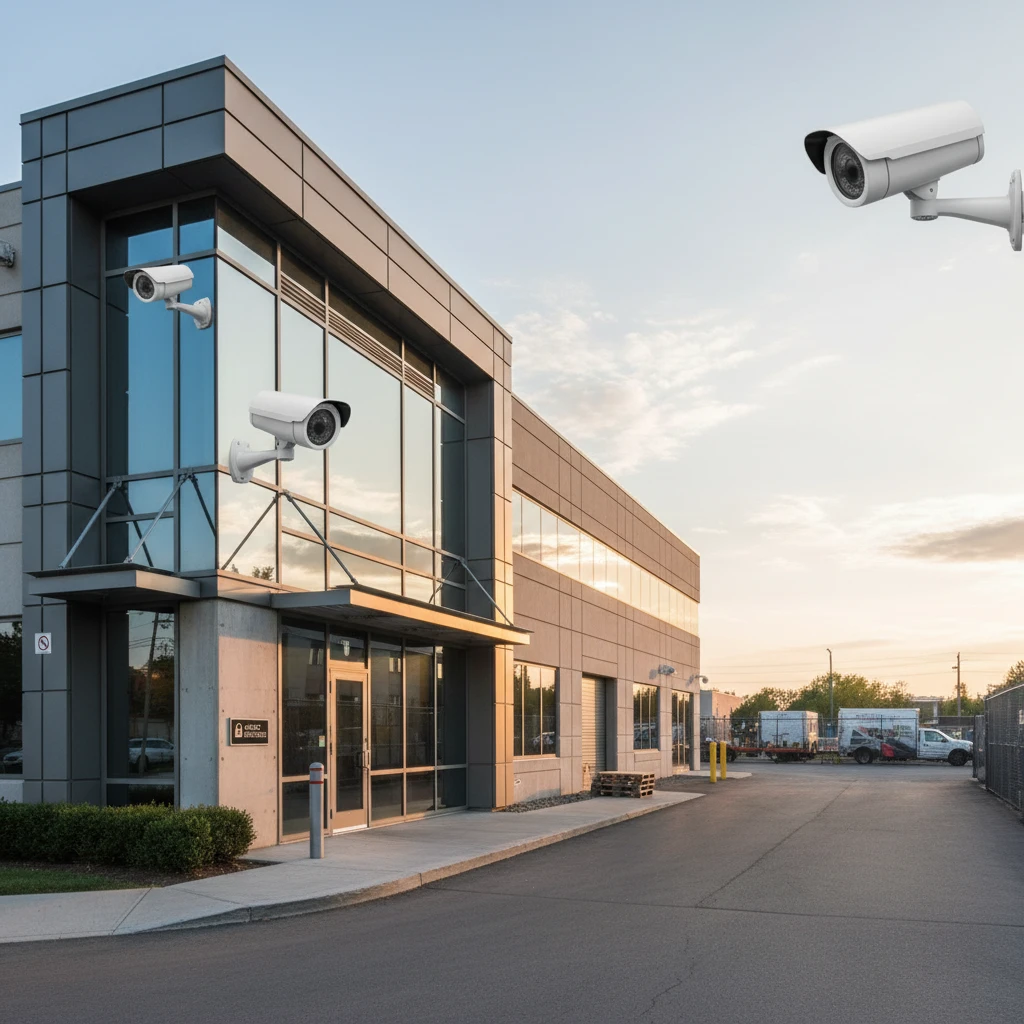
Investing in robust business security cameras in Brampton is a strategic move that goes beyond mere protection. It’s about leveraging technology to gain crucial insights, enhance accountability, and ultimately, foster sustainable business growth. Let’s explore how a well-implemented surveillance system can become your most valuable asset protection tool.
Bolstering Your Brampton Business: The Unseen Power of Strategic Surveillance
In today’s commercial environment, businesses in Brampton face a diverse range of risks, from opportunistic theft to sophisticated internal fraud. Understanding this evolving threat landscape is the first step in building a resilient security posture. Factors such as increased foot traffic in commercial zones, the rise of e-commerce impacting physical retail security, and the general economic climate can all influence the types of security challenges your business might encounter.
Understanding the Evolving Threat Landscape in Brampton’s Commercial Sector
The commercial sector in Brampton is not static; it’s a vibrant ecosystem that continually adapts. This dynamism, while positive for growth, also presents new security considerations. For instance, increased construction and development can lead to more transient populations and potential vulnerabilities. Furthermore, the sophisticated nature of modern crime means that businesses must be prepared for threats beyond simple shoplifting. Understanding specific local trends, such as reported incidents in commercial districts or common methods of retail crime, is crucial. A proactive approach involves staying informed through local business associations or law enforcement advisories. For businesses operating in specialized sectors like manufacturing or warehousing, the threats might include supply chain disruptions, inventory pilferage, or unauthorized access to sensitive areas. Each business type demands a tailored threat assessment.
How CCTV Cameras Directly Contribute to Brampton Business Growth
Beyond their role in asset protection, CCTV cameras offer significant benefits that can directly fuel business growth. Firstly, they enhance operational visibility. Managers can monitor employee performance, workflow efficiency, and customer interactions remotely, leading to better resource allocation and service delivery. For example, a retail store can analyze customer traffic patterns to optimize staffing and product placement, driving sales. Secondly, by deterring theft and vandalism, security cameras reduce financial losses, freeing up capital that can be reinvested into growth initiatives. A study by the Retail Council of Canada noted that businesses with comprehensive surveillance systems reported significantly lower shrinkage rates. Thirdly, clear, high-resolution footage can be invaluable for resolving disputes, providing evidence for insurance claims, and even serving as a deterrent against frivolous lawsuits, thereby reducing operational liabilities and protecting your bottom line. Embracing advanced CCTV solutions can thus be a strategic investment in business expansion and profitability. Consider how a well-placed camera at your Brampton dealership entrance can not only deter break-ins but also provide valuable footage of prospective clients arriving, enabling a more informed sales follow-up.
Key Asset Protection Benefits of Commercial CCTV in Brampton
Commercial CCTV systems are indispensable tools for protecting a business’s valuable assets in Brampton. Their presence acts as a significant deterrent and provides irrefutable evidence when incidents do occur. From tangible goods to intellectual property and the safety of your workforce, comprehensive surveillance plays a critical role in safeguarding everything your business holds dear.
Deterring Internal and External Theft: A Proactive Approach
The visible presence of security cameras is a powerful deterrent against both internal and external theft. Employees who know they are being monitored are less likely to engage in dishonest activities, such as stealing merchandise, supplies, or even company time. Similarly, external criminals are more likely to bypass a business with obvious surveillance, viewing it as a higher risk target. For retail businesses, this can drastically reduce shrinkage caused by shoplifting. For warehouses and distribution centres, it helps prevent the pilfering of high-value inventory. In offices, it can deter the unauthorized removal of sensitive documents or equipment. Implementing a policy that clearly communicates the use of surveillance to employees, coupled with visible signage, reinforces this deterrent effect. For example, a Brampton retail store implemented a visible CCTV system and reported a 15% reduction in suspected internal theft within the first six months, alongside a noticeable decrease in external shoplifting incidents.
Mitigating Vandalism and Property Damage with 24/7 Monitoring
Vandalism and property damage can result in substantial repair costs and business interruption. Commercial CCTV cameras provide constant vigilance, significantly reducing the likelihood of such incidents and offering crucial evidence if they do occur. Strategically placed cameras can monitor perimeters, entrances, exits, and vulnerable areas around the clock, ensuring that any suspicious activity is captured. This includes everything from graffiti and broken windows to more serious acts of sabotage. The knowledge that their actions are being recorded often dissuades potential vandals. In the event of an incident, the recorded footage is invaluable for identifying perpetrators, aiding law enforcement investigations, and substantiating insurance claims, thereby expediting the recovery process and minimizing downtime. A business in the Georgetown area that experienced recurring vandalism on its storefront installed external cameras and saw a complete halt to these incidents within weeks, saving on costly repairs and maintaining uninterrupted operations. This capability is crucial for businesses like dealerships, which have significant physical assets exposed.
Enhancing Workplace Safety and Employee Accountability
Beyond theft, CCTV systems are fundamental in ensuring a safe working environment and fostering employee accountability. They provide a record of incidents, such as workplace accidents or altercations, which can be vital for investigations and for improving safety protocols. For example, if an employee claims injury, footage can clarify the circumstances, ensuring fair resolution and preventing fraudulent claims. Furthermore, cameras can monitor adherence to safety procedures, especially in high-risk environments like manufacturing plants or construction sites. This not only helps prevent accidents but also promotes a culture of safety awareness among staff. Cameras can also be used to monitor the proper use of equipment, ensuring that machinery is operated safely and efficiently, thus protecting both employees and expensive assets. For businesses with multiple locations, such as those across Mississauga and Oakville, remote viewing capabilities allow for oversight of safety compliance at all sites. Commercial security cameras are a proactive measure that demonstrably reduces liability and promotes a secure, productive workplace.
Choosing the Right Business Security Cameras for Your Brampton Operations
Selecting the appropriate business security cameras for your Brampton operations requires a strategic approach that aligns technology with your specific business needs and environment. A one-size-fits-all solution rarely proves effective. Understanding the nuances of different camera types, their technical specifications, and how they apply to your unique operational challenges is key to building a robust and cost-effective surveillance system.
Identifying Your Specific Security Needs: From Retail to Warehousing
The first and most critical step is a thorough assessment of your business’s unique security vulnerabilities and objectives. For a retail store in Brampton, the priorities might include monitoring sales floors for shoplifting, deterring unauthorized access to stockrooms, and observing customer flow. Warehousing operations, on the other hand, may require extensive perimeter monitoring, detailed tracking of inventory movement within large spaces, and surveillance of loading docks to prevent cargo theft. Manufacturing facilities need to focus on protecting high-value machinery, monitoring production lines for quality control and safety compliance, and securing sensitive R&D areas. Dealerships often require monitoring of vehicle lots, showrooms, and service bays. Each scenario demands a tailored strategy. For example, a multi-location business operating in areas like Guelph and Milton will have different requirements than a single-unit operation. Consider the size of your premises, the types of assets you need to protect, and the specific threats you are most concerned about, such as inventory shrinkage, employee pilferage, or vandalism. A comprehensive site survey is often the best starting point to identify blind spots and high-risk areas.
Camera Types Explained: Dome, Bullet, PTZ, and Their Applications
Different camera designs serve distinct purposes, and understanding these is vital for optimal coverage. Dome cameras are discreet, often vandal-resistant, and ideal for indoor use in retail environments or offices, providing a wide field of view without being overly conspicuous. Bullet cameras are more visible and often used for outdoor perimeter surveillance due to their robust design and directional capabilities, effectively deterring intruders. PTZ (Pan-Tilt-Zoom) cameras offer dynamic surveillance, allowing operators to remotely control their movement and zoom in on specific areas of interest, making them excellent for large open spaces like warehouses or parking lots where active tracking is needed. For businesses requiring comprehensive coverage without manual intervention, consider multi-sensor cameras that can cover 180 or 360 degrees. The choice between these and other specialized types, such as fisheye or thermal cameras, depends entirely on the specific surveillance goals. For instance, a busy retail floor might benefit from unobtrusive dome cameras, while a large outdoor storage yard would be better served by rugged bullet or PTZ cameras.
Resolution, Field of View, and Low-Light Performance: What Matters Most
When evaluating security cameras, technical specifications directly impact their effectiveness. Resolution, measured in megapixels (MP), determines the image clarity. Higher resolutions (e.g., 4MP, 8MP/4K) capture more detail, which is crucial for identifying faces, license plates, or small objects, especially when you need to zoom in. A 4MP camera is generally a good baseline for most commercial applications, offering a significant upgrade over older analog systems. The Field of View (FoV), typically measured in degrees, indicates how wide an area the camera can see. A wider FoV covers more ground but may offer less detail at a distance, while a narrower FoV provides greater detail within a focused area. Choosing the right lens is a balance. For low-light conditions, Infrared (IR) illumination and advanced sensors are critical. Cameras with good low-light performance (measured in lux) can capture usable video even in near-total darkness, ensuring continuous surveillance without relying solely on external lighting. For example, a warehouse receiving area that operates late into the evening would require cameras with excellent IR capabilities and sufficient resolution to identify individuals and package details, even after hours. Investing in these key features ensures that your surveillance system provides actionable intelligence, not just blurry images.
Beyond Basic Surveillance: Advanced Features for Brampton Businesses
Modern business security cameras offer far more than simple video recording. Advanced functionalities like video analytics and remote access transform surveillance systems into intelligent tools that enhance operational efficiency, provide deeper insights, and offer unparalleled control over your security posture.
Leveraging Video Analytics: Motion Detection, Object Tracking, and More
Video analytics takes CCTV from passive recording to active intelligence. Features like advanced motion detection can differentiate between genuine threats and irrelevant movements (like swaying trees), reducing false alarms and notifying security personnel only when necessary. Object tracking allows cameras to follow specific individuals or vehicles across different camera views, providing a comprehensive narrative of their movements within your premises. Other analytics include people counting for retail traffic analysis, license plate recognition (LPR) for vehicle identification and access control, and even facial recognition for security access and monitoring authorized personnel. For a Brampton business, implementing LPR at entry points can automate gate access for employees and fleet vehicles while flagging any unauthorized vehicles. In a retail setting, people counting analytics can provide valuable data for staffing decisions and marketing campaigns, directly impacting operational ROI. These intelligent features transform your CCTV system into a proactive security and business intelligence tool, offering significant value beyond basic monitoring. Explore how smart camera ROI can be maximized through these advanced capabilities.
The Power of Remote Viewing and Mobile Access for On-the-Go Management
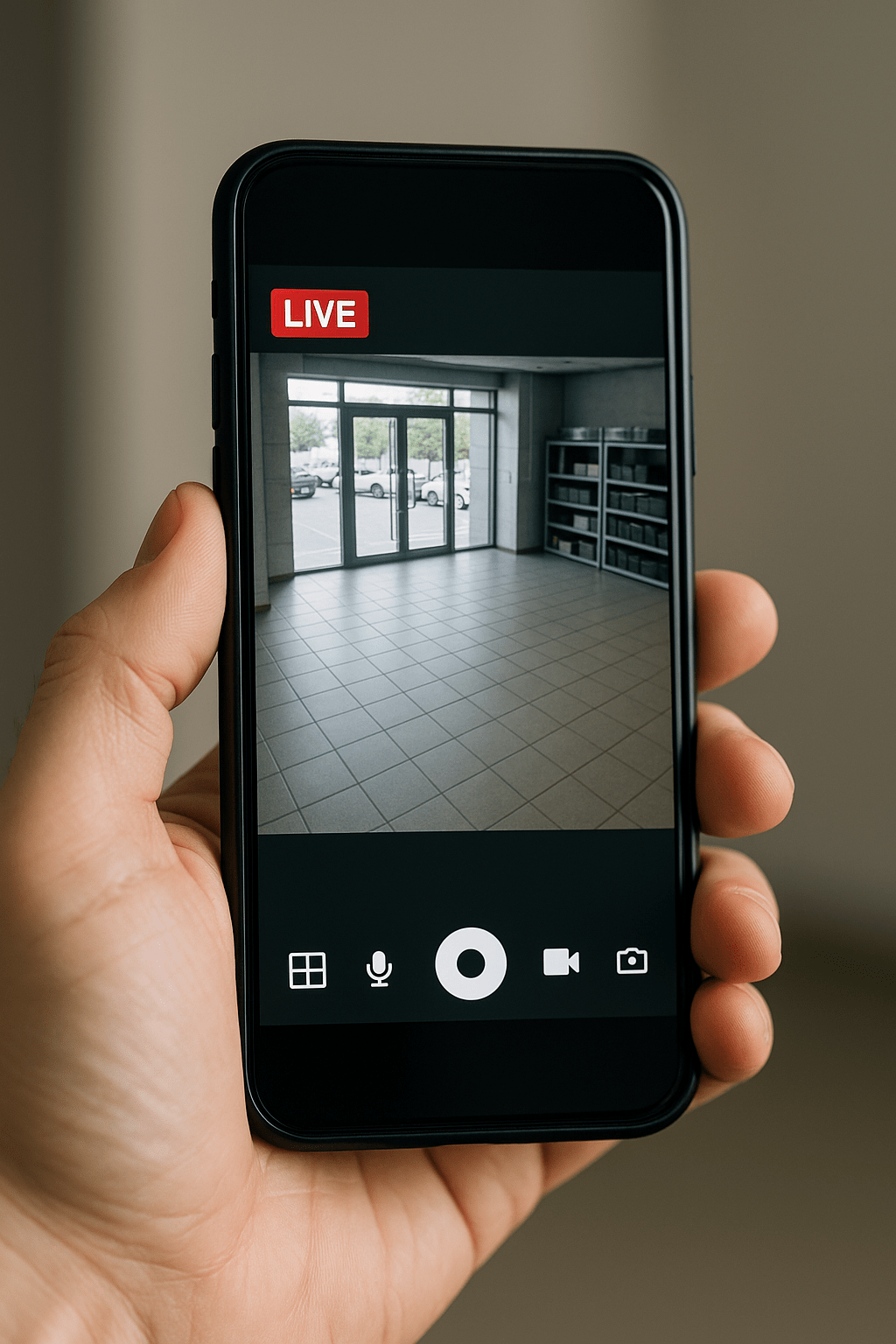
In today’s fast-paced business world, managers and owners need to stay connected to their operations regardless of their physical location. Advanced CCTV systems offer robust remote viewing capabilities via web browsers and dedicated mobile applications. This means you can access live video feeds, review recorded footage, and receive real-time alerts directly on your smartphone or tablet, whether you’re in a meeting across town or traveling internationally. For multi-location businesses in the GTA, this is a game-changer, allowing for centralized oversight of security and operations across all sites. For instance, a facility manager overseeing multiple warehouses in Brampton and Milton can quickly check on activity at any location with a few taps on their phone. This not only enhances security by allowing for immediate response to incidents but also improves operational oversight, enabling quick decision-making based on real-time visual data. The convenience and control offered by mobile access are crucial for maintaining awareness and agility in managing your Brampton business.

Integrating CCTV with Other Security Systems: A Holistic Strategy
The true power of a modern security infrastructure lies in its integration. Connecting your business security cameras in Brampton with other security systems creates a unified and more robust defense. For example, integrating CCTV with an access control system allows you to link card swipes or facial recognition entries with corresponding video footage, providing irrefutable proof of who entered a restricted area and when. Similarly, linking cameras with intrusion alarms can trigger immediate recording and alert security personnel when a sensor is tripped, allowing for swift verification and response. For manufacturing facilities, integration with alarm systems on critical machinery can provide visual context to operational alerts. This synergy ensures that each component of your security system works in concert, enhancing situational awareness and streamlining response protocols. A professional camera installation service can ensure seamless integration, creating a comprehensive security ecosystem that offers greater protection and efficiency than standalone systems. This approach is fundamental for businesses seeking a truly integrated security solution, ensuring all aspects of their Brampton operations are covered.
The Importance of Professional Installation for Brampton Businesses
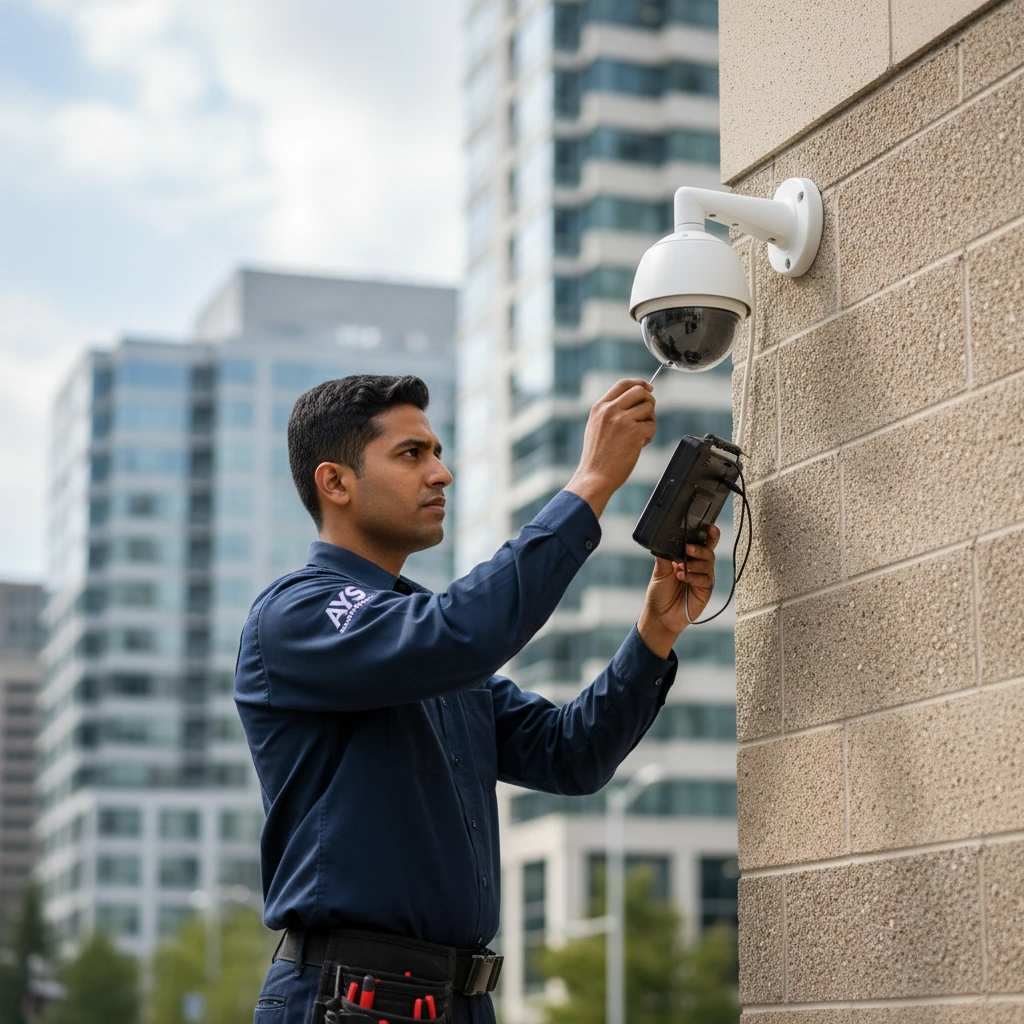
While the allure of DIY security camera systems might seem cost-effective, for Brampton businesses, professional installation is a cornerstone of true asset protection. A poorly installed system can lead to significant vulnerabilities, missed events, and ultimately, a false sense of security. Professionals bring an understanding of optimal camera angles, robust network integration, and compliance with local regulations that the average business owner simply doesn’t possess. This expertise ensures your surveillance infrastructure is not only functional from day one but also robust and future-proof. Consider the difference between a single camera pointing at an entrance versus a strategically placed network of cameras that provide overlapping fields of view, ensuring no blind spots for potential intruders or incidents. This level of detail is critical for comprehensive coverage, especially in larger commercial spaces common in Brampton’s industrial and retail sectors.
Structured Cabling and PoE: Ensuring Reliable and Scalable Infrastructure
At the heart of any effective CCTV system lies its infrastructure. For Brampton businesses, this means investing in structured cabling and Power over Ethernet (PoE) solutions. Structured cabling provides a clean, organized, and reliable network for transmitting video data. Unlike ad-hoc wiring, it’s designed for performance, scalability, and ease of maintenance, reducing the likelihood of signal degradation or connection failures. PoE technology is a game-changer, allowing a single Ethernet cable to carry both data and electrical power to network devices, including security cameras. This eliminates the need for separate power outlets near each camera, simplifying installation, reducing clutter, and enhancing safety by minimizing exposed electrical wiring. Businesses looking to expand their surveillance capabilities will find PoE particularly beneficial, as adding new cameras becomes a much simpler and less disruptive process. A well-designed PoE infrastructure, often part of comprehensive GTA business security: pro camera install services, ensures that your system can grow seamlessly with your company’s evolving needs.
Strategic Camera Placement for Maximum Coverage and Minimal Blind Spots
The effectiveness of a business security camera system hinges on where cameras are positioned. Professional installers consider high-traffic areas, entry and exit points, valuable asset locations, and potential blind spots. For a retail store in Brampton, this might mean placing cameras at the cash registers, main entrances, stock rooms, and behind counters. In a warehouse environment, focus shifts to loading docks, perimeter fences, aisles containing high-value inventory, and monitoring stations. Understanding the flow of people and goods within your premises is crucial. For instance, a business aiming to prevent internal theft might deploy cameras overlooking areas where cash is handled or where sensitive documents are stored. Strategic placement also involves considering the camera’s field of view, resolution, and lighting conditions to ensure clear, usable footage in all circumstances. A meticulous approach to camera placement is a key component of effective commercial CCTV Mississauga: secure your business strategies.
Avoiding Common Installation Pitfalls That Compromise Effectiveness
Many businesses fall prey to common installation mistakes that diminish the value and reliability of their CCTV systems. One significant pitfall is insufficient camera resolution or frame rate, rendering footage unusable for identifying individuals or specific events. Another is inadequate lighting, leading to grainy or unrecognizable images, especially during nighttime hours. Over-reliance on Wi-Fi connectivity without proper network assessment can result in dropped signals and intermittent recording. Furthermore, neglecting to secure camera feeds with strong passwords and encryption leaves systems vulnerable to hacking and unauthorized access. Professionals trained in commercial CCTV Guelph: expert design understand the importance of choosing the right camera for the environment (e.g., weather-proof for exteriors, discreet for public-facing areas) and ensuring all components are properly integrated and tested. Investing in professional installation prevents these costly oversights and ensures your system provides reliable surveillance.
Scalable CCTV Solutions for Growing Brampton Companies
Brampton’s dynamic business landscape means companies are constantly evolving, expanding, and adapting. A static security system quickly becomes inadequate. Scalable CCTV solutions are designed with this growth in mind, ensuring that your surveillance infrastructure can expand and adapt alongside your business operations without requiring a complete overhaul. This means choosing systems that allow for easy addition of new cameras, increased storage capacity, and integration with emerging security technologies. For instance, a small retail shop that plans to open additional locations or expand its physical store can benefit immensely from a scalable system. This approach ensures that your initial investment remains valuable as your company grows, providing continuous protection without significant reinvestment in hardware or complex reconfigurations. It’s about building a security foundation that supports, rather than hinders, your expansion plans.
Designing Systems That Adapt to Your Business Expansion Plans
When designing a CCTV system, forward-thinking businesses in Brampton prioritize adaptability. This involves selecting network video recorders (NVRs) or digital video recorders (DVRs) with sufficient channel capacity for future camera additions. It also means utilizing network infrastructure, such as PoE switches, that can support a larger number of connected devices. Choosing cameras with flexible mounting options and compatibility with various analytics software (like motion detection or object recognition) allows for enhanced functionality as needs change. For example, a manufacturing facility looking to monitor a new production line can simply add cameras to their existing network, provided the initial setup was designed for expansion. This proactive design approach, often highlighted in commercial security GTA: scalable systems, ensures your security investment continues to meet your needs without becoming obsolete. It’s crucial to work with installers who understand your long-term business objectives and can architect a system that grows with you.
Multi-Location Management: Centralized Monitoring for Distributed Assets
For Brampton businesses operating across multiple sites—whether retail outlets, warehouses, or offices—centralized monitoring offers unparalleled oversight and control. A sophisticated CCTV system can be configured to stream footage from all locations to a single, secure command center or even to a remote monitoring service. This allows security personnel or management to keep an eye on all assets simultaneously, respond rapidly to incidents, and maintain consistent security standards across the entire enterprise. For example, a chain of restaurants can monitor operations, manage staffing issues, and verify inventory across all their Brampton, Mississauga, and Oakville locations from one dashboard. This not only enhances security but also provides valuable insights into operational efficiency and employee performance. Advanced solutions enable real-time alerts for suspicious activity, streamline incident investigation, and offer a consolidated view of risk across your entire business footprint, aligning with best practices in business security cameras Milton: protect assets.
Future-Proofing Your Investment: Upgrades and Retrofit Options
Investing in a CCTV system is a long-term strategy, and future-proofing is essential to protect that investment. Technology evolves rapidly, and what is cutting-edge today might be standard or even obsolete in a few years. For Brampton businesses, this means considering systems that are upgradeable. This could involve choosing cameras that support higher resolutions or advanced analytics, or NVRs/DVRs that can be firmware updated for new features. Retrofitting existing systems is also a viable option for businesses that already have infrastructure in place. For example, older analog cameras can be replaced with IP cameras, or existing cabling can be leveraged for higher bandwidth requirements. Services offering upgrade business cameras: boost security can help assess current systems and recommend cost-effective upgrades. By selecting modular and compatible components, businesses can ensure their surveillance capabilities remain effective and can adapt to emerging threats and technological advancements without requiring a complete system replacement.
Maximizing ROI: The Financial Upsides of Smart Security Camera Systems
Beyond the primary function of security, modern CCTV systems offer significant financial benefits, contributing directly to a business’s Return on Investment (ROI). In Brampton, businesses are increasingly recognizing that a well-implemented surveillance system is not just an expense but a strategic investment. These systems act as powerful deterrents to crime, reduce instances of theft and vandalism, and can lead to lower insurance premiums. Furthermore, the operational data captured by cameras provides invaluable insights that can optimize workflows, improve employee productivity, and enhance customer service. By quantifying these benefits—reduced losses, lower operational costs, and potential insurance savings—businesses can clearly see the financial return on their security camera investment. This holistic view transforms CCTV from a mere security measure into a profit-generating asset.
Reducing Insurance Premiums Through Enhanced Security Measures
Brampton businesses that invest in robust commercial security camera systems can often negotiate lower insurance premiums. Insurance providers view enhanced surveillance as a tangible reduction in risk. The presence of visible cameras acts as a strong deterrent against burglary, vandalism, and employee theft, thereby decreasing the likelihood of costly claims. In the event of an incident, high-quality footage can significantly expedite investigations, leading to quicker resolutions and potentially reducing the overall cost of a claim. For example, a retail business implementing a comprehensive CCTV system covering all entry points, sales floors, and stock rooms might see a reduction of 5-15% in their annual insurance premiums, depending on the insurer and the specifics of the system. Demonstrating a commitment to proactive security measures, such as those offered by expert Oakville security cameras: expert system design services, signals to insurers that your business is a lower risk, directly impacting your bottom line.
Quantifying Savings from Theft and Loss Prevention
The most direct financial benefit of a CCTV system is its impact on theft and loss prevention. Retail businesses, dealerships, and warehouses in Brampton often face significant losses due to shoplifting, employee theft, and internal fraud. A well-placed and properly monitored security camera system can drastically reduce these losses. For instance, a car dealership implementing perimeter cameras, showroom surveillance, and license plate recognition technology might see a significant decrease in vehicle break-ins and theft of parts. A typical retail business might experience a reduction in shrinkage (the difference between recorded inventory and actual inventory) by 10-20% after implementing advanced surveillance. By capturing evidence of theft, these systems not only help in prosecution but also provide crucial insights into the methods used, allowing businesses to implement targeted countermeasures and improve internal controls. This proactive approach, central to commercial security cameras: mitigate risk today, translates directly into savings.
Improving Operational Efficiency and Workflow Visibility
Beyond security, CCTV cameras offer a unique lens into the day-to-day operations of a business, leading to significant improvements in efficiency. For Brampton companies in manufacturing, logistics, or service industries, monitoring workflows can identify bottlenecks, optimize resource allocation, and improve staff training. For example, a warehouse manager can use camera feeds to ensure efficient loading and unloading processes, track the movement of goods, and verify compliance with safety protocols. In a customer-facing business, cameras can help analyze customer traffic patterns, identify areas where service can be improved, and ensure adherence to service standards. The system business security cameras: operational ROI provides can lead to reduced waste, faster turnaround times, and enhanced customer satisfaction, contributing to a more productive and profitable operation. This visibility allows for data-driven decision-making that can streamline processes and cut unnecessary costs.
Navigating Regulations: Compliance Considerations for Brampton Businesses
Operating a business in Brampton, like anywhere else, involves adhering to a complex web of local, provincial, and federal regulations. When implementing a CCTV system, understanding and complying with these rules is not just a legal obligation but a crucial aspect of responsible business practice. These regulations often pertain to employee privacy, data storage, and the ethical use of surveillance technology. Failure to comply can result in significant fines, legal challenges, and damage to a company’s reputation. Therefore, businesses must ensure their CCTV deployment is conducted with full awareness of these legal frameworks. Consulting with security experts who are knowledgeable about these specific compliance requirements is essential to avoid inadvertently violating privacy rights or data protection laws.
Understanding Privacy Laws and Data Retention Policies
Businesses in Brampton must navigate a landscape shaped by privacy legislation, such as the Personal Information Protection and Electronic Documents Act (PIPEDA) at the federal level, and potentially provincial privacy laws. These acts govern how businesses collect, use, and disclose personal information, including video footage of individuals. Key considerations include informing employees and customers about the presence of cameras, clearly defining the purpose of surveillance, and limiting data collection to what is necessary for that purpose. Data retention policies are also critical; businesses must establish how long video footage will be stored and ensure secure deletion protocols are in place. For example, storing footage indefinitely without justification could violate privacy laws. A common practice is to retain footage for 30-90 days, depending on the business type and potential legal requirements, and to restrict access to authorized personnel only. Adhering to these principles is vital for building trust and avoiding legal repercussions, especially when implementing systems for improve manufacturing security: CCTV solutions.
Best Practices for Employee Monitoring and Data Security
When deploying CCTV systems that monitor employees, Brampton businesses must adopt best practices that balance operational oversight with respect for employee privacy. Transparency is paramount; employees should be fully informed about where cameras are located and what areas are under surveillance. Clear signage should be prominently displayed. It’s advisable to avoid placing cameras in areas where employees have a reasonable expectation of privacy, such as break rooms or restrooms, unless absolutely necessary and legally permissible. Beyond privacy, robust data security measures are essential to protect the video footage from unauthorized access or breaches. This includes using strong, unique passwords for all system components, regularly updating firmware, encrypting data where possible, and implementing strict access control protocols. A company specializing in commercial security Mississauga: smart camera ROI can guide businesses through implementing these security measures effectively.
Ensuring Your CCTV System Meets Industry Standards
For Brampton businesses, particularly those in regulated industries like finance, healthcare, or manufacturing, ensuring their CCTV system meets specific industry standards is crucial for compliance and operational integrity. These standards often dictate the quality of video footage required, the duration for which it must be retained, and the security protocols that must be in place. For instance, financial institutions may have stricter requirements regarding tamper-proof recording and secure data handling than a small retail outlet. Consulting with industry-specific guidelines or regulatory bodies can provide clarity. Professional security providers are well-versed in these varying requirements and can design and install systems that not only meet general security needs but also align with the stringent demands of your particular sector. This diligence ensures that your surveillance system serves its intended purpose without creating compliance issues, forming a key part of boost business security: top CCTV camera tips.
Alternatives to Comprehensive CCTV Systems (and When They Might Suffice)
While a full-scale commercial CCTV system offers unparalleled surveillance capabilities, businesses in Brampton may sometimes find that alternative solutions can meet their immediate or specific asset protection needs. These alternatives can range from simpler alarm systems to basic surveillance equipment. The decision hinges on a thorough risk assessment, understanding your most vulnerable assets, and budget constraints. For instance, a small retail store with minimal inventory and low foot traffic might consider a robust alarm system as a primary deterrent, supplementing it with strategically placed cameras only in high-risk areas like cash registers or back entrances. Conversely, a warehouse storing high-value goods or manufacturing sensitive components will likely require a more extensive technological approach. It’s crucial to avoid the pitfall of underestimating your security needs; what seems like a minor risk today can escalate significantly over time. Evaluating the potential losses from theft, vandalism, or operational downtime is key to selecting the right strategy. For businesses looking to optimize their initial security investments, understanding the capabilities and limitations of each option is paramount.
When considering alternatives, it’s also important to think about how they integrate with broader security protocols. For example, a standalone alarm system might alert authorities to a breach, but without visual verification from cameras, the response might be delayed or less effective. Similarly, basic surveillance equipment might capture an incident but lack the advanced features like remote access or intelligent analytics that a comprehensive CCTV system provides. The key decision criteria should always revolve around the specific threats your business faces. Are you concerned primarily with unauthorized entry, internal theft, employee safety, or operational monitoring? The answer to these questions will guide you toward the most effective and cost-efficient solution. For businesses in the Brampton area aiming to protect valuable assets, understanding these nuances can prevent costly mistakes and ensure that security measures truly serve their purpose. Researching options like those found in commercial security Mississauga can offer insights into how technology can be tailored to specific business needs, even when considering simpler setups.
Standalone Alarm Systems: Strengths and Limitations for Asset Protection
Standalone alarm systems offer a foundational layer of security, primarily focusing on deterring unauthorized access and alerting relevant parties in the event of a breach. Their strengths lie in their relative simplicity and cost-effectiveness, making them an attractive option for small businesses or those with lower perceived risk. These systems typically include door and window sensors, motion detectors, and a central control panel that triggers an audible alarm and can notify a monitoring service or designated personnel. For asset protection, their primary benefit is the audible deterrent, which can often scare off opportunistic intruders. Furthermore, many modern alarm systems offer remote arming/disarming and notifications via smartphone apps, providing a degree of situational awareness. However, the limitations of standalone alarm systems are significant when it comes to comprehensive asset protection. They provide no visual record of events, meaning that after an incident, there is no evidence to aid in investigations or insurance claims. They are also susceptible to being bypassed by sophisticated intruders or rendered ineffective by power outages or tampering, unless equipped with robust backup systems. For businesses in Brampton seeking to actively monitor their premises, understand operational flow, or verify incidents, an alarm system alone is rarely sufficient.
A major pitfall of relying solely on alarm systems is the lack of actionable intelligence. While an alarm signals a problem, it doesn’t tell you *what* the problem is, *who* is causing it, or *where* within the premises the issue is occurring. This can lead to a reactive security posture where businesses are constantly responding to incidents rather than preventing them. For example, a retail store in Brampton might experience frequent false alarms due to untrained staff, leading to disuse or ignored alerts, thereby negating the system’s effectiveness. A more advanced scenario might involve an intruder disabling the alarm panel; without cameras, the business owner would only discover the theft after the fact. The decision to use a standalone alarm system should be based on a clear understanding of its role: primarily a deterrent and notification tool, not a comprehensive evidence-gathering or investigative solution. When paired with other security measures, such as basic surveillance, they can be more effective, but as a solitary defense, their capabilities for safeguarding assets are limited.
Basic Surveillance Equipment: When Simplicity is Key (and When It’s Not)
Basic surveillance equipment, such as a few standalone security cameras without a complex network infrastructure, can serve specific, limited purposes for businesses. This might include placing a single camera at a point-of-sale terminal to deter internal theft or monitor transactions, or positioning one to overlook a sensitive storage area. The key advantage here is targeted monitoring at a relatively low initial cost compared to a full CCTV deployment. For a small service business, like a barber shop or a small office, this can offer a sense of security and a basic record of who enters and exits. These systems are often easier to set up, sometimes requiring only power and a local recording device or cloud storage. However, the limitations become apparent quickly. Such setups typically lack the field of view, resolution, and advanced features of professional systems, making it difficult to identify individuals clearly or capture crucial details. They are also often isolated, meaning they cannot be integrated into a larger security strategy or remotely monitored effectively.
The “when it’s not sufficient” aspect is critical. If your business in Brampton has multiple entry points, a large operational area, valuable inventory, or faces significant external threats, relying on basic cameras is a substantial risk. Imagine a distribution center with multiple loading docks; a single camera at one dock would provide zero visibility into activity at others. Furthermore, the reliability of basic systems can be questionable, with fewer guarantees on recording continuity or data integrity. A common pitfall is assuming that “any camera is better than no camera” without considering the quality of evidence produced. A blurry, low-resolution image may be useless for identifying a perpetrator or proving a case in court. For businesses seeking to proactively manage risk and gain operational insights, basic equipment often falls short. While simple cameras can be a starting point, they should ideally be part of a phased approach towards a more robust security solution, or at least be deployed with a clear understanding of their narrow scope of effectiveness. Companies looking to upgrade can find valuable information on boosting security via upgrading business cameras, which often highlights the benefits of integrated, professional-grade solutions.
The Role of Security Guards vs. Technological Solutions in Brampton
When discussing asset protection for businesses in Brampton, the debate between human security guards and technological solutions like CCTV systems is often at the forefront. Both have distinct roles and can be effective, but they serve different strategic purposes. Security guards provide a visible deterrent and can respond dynamically to evolving situations, physically intervening or de-escalating threats. They offer a level of judgment and adaptability that technology cannot replicate, especially in complex or unpredictable scenarios. For example, a guard can assess a suspicious individual’s behavior and make a judgment call, or assist in managing crowd control during peak business hours. However, human security is inherently more expensive over time, subject to human error or fatigue, and cannot provide the constant, passive surveillance or detailed record-keeping that cameras do. Their presence is often reactive and confined to the areas they patrol.
Technological solutions, conversely, offer continuous monitoring, objective evidence, and the ability to cover vast areas cost-effectively over the long term. CCTV systems, for instance, provide an irrefutable record of events, which is invaluable for investigations, insurance claims, and dispute resolution. They can also be integrated with other systems for enhanced automation and remote access, allowing managers to oversee operations from anywhere. A common pitfall is viewing these as mutually exclusive. The most effective security strategies often involve a synergy between human oversight and technological capabilities. For instance, cameras can alert a security guard to a potential issue, allowing for a more informed and targeted response. Alternatively, guards can patrol premises while cameras provide continuous background monitoring and evidence capture. The choice for Brampton businesses depends on risk assessment, budget, and the specific nature of the assets to be protected. For many, a hybrid approach offers the best balance of deterrence, response, and evidence. Exploring options for GTA business security can help understand how professional installation supports these integrated approaches.
Maintenance and Support: Ensuring Long-Term Performance of Your CCTV System
Investing in a robust business security camera system is only the first step; ensuring its consistent performance over time is critical for effective asset protection. Regular maintenance and reliable support are not optional extras but integral components of any secure business strategy. Without them, even the most advanced CCTV setup can degrade, leading to blind spots, corrupted footage, or complete system failure at the most critical moments. Proactive maintenance, such as regular cleaning of camera lenses, checking cable connections, and ensuring adequate storage space for recorded footage, prevents minor issues from escalating. For businesses in Brampton, where weather conditions can vary, external camera protection and cleaning are particularly important. Furthermore, software updates for camera firmware and recording systems are essential for patching security vulnerabilities and ensuring optimal functionality. Ignoring these aspects is a significant pitfall, as it can compromise the very security the system was designed to provide.
The long-term performance of your CCTV system directly impacts its return on investment (ROI) and its ability to mitigate risks. A well-maintained system provides continuous operational visibility, aids in loss prevention, and offers irrefutable evidence when needed. Conversely, a neglected system can lead to costly emergency repairs, extended downtime, and potential legal or insurance complications. It’s crucial to establish a schedule for routine checks and to have a clear plan for addressing any issues that arise. This involves understanding the common problems that can affect CCTV systems, such as network connectivity issues, hard drive failures, or lens obstruction. By addressing these proactively, businesses can significantly reduce the likelihood of unexpected disruptions and maintain peace of mind knowing their assets are being monitored effectively. This is where a partnership with a reputable provider becomes invaluable, offering expertise and structured support that might be beyond the internal capabilities of many small to medium-sized businesses.
Proactive Maintenance for Optimal System Uptime
Proactive maintenance is the cornerstone of ensuring continuous uptime and maximum effectiveness for your commercial CCTV system. This involves a structured approach to inspecting and servicing all components of the surveillance network. For businesses in Brampton, this means scheduling regular site visits to check the physical condition of cameras, ensuring they are securely mounted and free from environmental damage such as dust, debris, or moisture accumulation on lenses. It also includes verifying the integrity of all network cabling, power supplies, and recording devices (DVR/NVR). Software maintenance is equally vital; regularly updating firmware and operating systems on cameras and servers patches vulnerabilities and introduces new functionalities, crucial for maintaining a secure and efficient system. Performing regular backups of critical system configurations can also prevent significant data loss in case of hardware failure. A key decision criterion for businesses is to understand the preventative value; addressing small issues like loose connections or minor software glitches before they cause a system-wide failure is far more cost-effective than emergency repairs.
A well-executed proactive maintenance plan can dramatically reduce unexpected downtime and the associated risks. For example, a manufacturing facility in Brampton might schedule quarterly checks of their extensive camera network, including testing motion detection zones, ensuring infrared (IR) illuminators are functioning for low-light conditions, and verifying recording continuity. This systematic approach helps identify potential points of failure, such as a hard drive nearing its end-of-life or a camera with a failing lens, allowing for replacements to be scheduled during non-operational hours. Without this, a critical camera could fail during a high-risk period, leaving assets vulnerable. Many security providers offer tiered maintenance plans designed to cover these essential checks, ensuring that businesses receive consistent, professional attention. Investing in these services is an investment in the reliability and longevity of your security infrastructure, ultimately safeguarding your business operations and assets against unforeseen events. This focus on continuity is a critical aspect of commercial security cameras.
Troubleshooting Common Issues and Quick Resolutions
Even with diligent maintenance, businesses may encounter common issues with their CCTV systems that require prompt troubleshooting. One frequent problem is a loss of video feed from a specific camera. This could stem from a loose cable connection, a faulty power supply, or a network connectivity issue. A quick resolution involves checking physical connections at both the camera and the recording device, testing the power source, and verifying network status. Another common issue is poor image quality, such as blurriness or noise, which can be caused by a dirty lens, improper focus, or low-light conditions. Cleaning the lens and ensuring the camera’s night vision capabilities are functioning correctly are essential first steps. For businesses in Brampton, extreme temperatures can also affect camera performance, requiring environmental checks.
Recording issues, such as the system not saving footage or experiencing playback errors, are also prevalent. This often points to a problem with the hard drive in the DVR/NVR. Common resolutions include checking the hard drive’s health status via the system interface, ensuring it’s properly seated, or, if it’s failing, scheduling a replacement. Network-related problems, such as slow performance or intermittent connection loss, can be addressed by restarting network equipment (routers, switches) and verifying IP address configurations. A significant pitfall to avoid is attempting complex repairs without proper knowledge, which can worsen the problem or void warranties. For many businesses, having a support hotline or a service agreement in place provides a direct line to experts who can guide them through these issues or dispatch a technician. Quick, informed troubleshooting minimizes the period of vulnerability and ensures that the security system remains a reliable asset for protecting business operations.
Partnering with a Reliable Security Provider for Ongoing Support
For businesses in Brampton and the wider GTA, engaging with a reliable security provider for ongoing support is a strategic decision that extends the life and enhances the effectiveness of their CCTV system. Professional service providers offer specialized knowledge, access to genuine parts, and structured maintenance plans that go beyond basic checks. They can perform advanced diagnostics, identify potential issues before they impact performance, and ensure that the system remains compliant with any relevant regulations. A key benefit is their ability to offer remote monitoring and management, allowing them to detect and often resolve issues without needing to be on-site, thereby minimizing downtime and business disruption. This proactive support is invaluable for businesses that may not have in-house IT or security expertise.
A reputable provider acts as a true partner, offering not just technical support but also insights into system upgrades and expansions as business needs evolve. They can advise on incorporating new technologies or integrating the CCTV system with other security measures, such as access control or alarm systems. This ensures that your security infrastructure remains current and effective against emerging threats. Choosing the right partner involves looking for experience in commercial installations, a strong track record of customer service, and clear service level agreements (SLAs) that define response times and support protocols. Avoiding the pitfall of settling for the cheapest option is crucial; quality support is an investment in the ongoing security and operational continuity of your business. For companies seeking to optimize their security investments, working with experts for services like commercial CCTV Guelph can provide a comprehensive and reliable security posture.