
This guide will equip you with the essential knowledge to select, deploy, and leverage CCTV technology effectively, ensuring your business operates with enhanced security and peace of mind.
Securing Your Business in 2026: Why Smart CCTV is Non-Negotiable
The business landscape in 2026 is characterized by increasing digital interconnectedness, sophisticated operational workflows, and unfortunately, evolving security threats. For businesses operating in and around the Greater Toronto Area, understanding and mitigating these risks is crucial for sustained success and the protection of valuable assets. Traditional security measures, while still relevant, are often insufficient on their own. Modern enterprises require proactive, intelligent solutions that can adapt to emerging challenges and provide a comprehensive view of their operations. Investing in smart CCTV technology is not merely about recording incidents; it’s about building a resilient security infrastructure that actively deters crime, enhances operational efficiency, and significantly reduces potential liabilities.
The Evolving Threat Landscape for Canadian Businesses
Canadian businesses, regardless of size or sector, face a multifaceted array of security threats. These range from opportunistic theft and vandalism to more organized criminal activities and internal security breaches. Cyber-physical threats, where digital attacks can have real-world security implications, are also on the rise, demanding integrated security approaches. Furthermore, compliance requirements and the need to maintain a safe working environment add another layer of complexity. For instance, a retail business might face challenges with shoplifting and employee theft, while a warehouse operation could be concerned about unauthorized access and inventory diversion. Understanding these specific vulnerabilities allows for the targeted implementation of security measures, making CCTV a critical component in a holistic security strategy designed to mitigate risks and ensure business continuity.
Beyond Basic Surveillance: The Business Case for Advanced CCTV
Moving beyond the basic function of recording, advanced CCTV systems offer a wealth of benefits that directly impact a business’s bottom line and operational efficiency. These systems can provide real-time alerts for suspicious activity, allowing for immediate response and potentially preventing incidents before they escalate. Features like remote monitoring enable business owners and managers to stay connected to their premises from anywhere, offering unparalleled oversight. The data captured by CCTV can also be invaluable for operational insights, such as analyzing customer traffic patterns in retail environments or monitoring productivity in manufacturing settings. Ultimately, the investment in an intelligent CCTV solution translates into reduced shrinkage, enhanced employee safety, improved operational oversight, and a stronger defense against liability claims, as detailed in discussions about business security and liability reduction.
Choosing the Right Commercial CCTV Camera System for Your Operations
Selecting the optimal commercial CCTV camera system is a pivotal decision that requires careful consideration of your unique operational needs and risk profile. A one-size-fits-all approach rarely suffices. The effectiveness of your surveillance hinges on understanding the specific environments you need to monitor – from the expansive open spaces of a warehouse to the detailed interactions on a retail floor, or the critical access points of an office building. Factors such as lighting conditions, potential for vandalism, required detail of captured footage, and budget all play a role. A well-chosen system is an investment that provides continuous protection, valuable data, and demonstrable ROI, contributing significantly to overall business security and operational intelligence. Properly assessing these needs upfront will guide you towards a solution that is both effective and cost-efficient, ensuring a smart system design.
Understanding Your Business Needs: From Warehouses to Retail Floors
Each business environment presents distinct security challenges. For a warehouse, high-resolution cameras capable of capturing details across vast, often dimly lit spaces are crucial for monitoring inventory, access points, and loading docks. The goal is to detect unauthorized entry and track the movement of goods. In a retail setting, cameras need to cover sales floors, entrances, exits, and cash registers. Features like wide-angle lenses to capture more area and robust zoom capabilities for identifying individuals are important for deterring shoplifting and monitoring customer and employee behaviour. For dealerships, outdoor coverage of vehicle lots, showrooms, and service bays is essential, requiring cameras that can withstand various weather conditions while providing clear identification of individuals and vehicles. Prioritizing specific needs ensures that the chosen technology directly addresses the most critical vulnerabilities.
Key CCTV Technology Features for Business (Resolution, Night Vision, Analytics)
Modern commercial CCTV systems offer advanced features that significantly enhance their protective capabilities. High resolution (e.g., 4K or higher) is paramount, providing clear, detailed images that are essential for identification and evidence collection. Poorly lit environments demand superior night vision capabilities, often achieved through infrared (IR) illumination or advanced low-light sensors, ensuring continuous surveillance even after dark. Beyond basic imaging, video analytics are transforming CCTV into an active security tool. Features like motion detection, line crossing, and intrusion alerts can notify security personnel of potential threats in real-time. For businesses focused on operations, people counting and heat mapping analytics offer valuable insights into customer traffic and staff movement. These technologies empower businesses to move from reactive monitoring to proactive security and data-driven decision-making, enhancing both safety and efficiency.
IP vs. Analog: Making the Smart Choice for Scalability and Performance
When selecting a CCTV system, a fundamental decision involves choosing between IP (Internet Protocol) and analog technology. IP cameras transmit data digitally over a network, offering superior image quality, greater flexibility, and advanced features like remote access and integration with other digital systems. They are highly scalable, making them ideal for businesses expecting future growth or requiring multi-location surveillance. Analog systems, while often more budget-friendly upfront, rely on coaxial cables and generally offer lower resolution and fewer advanced features. However, modern analog HD systems have closed some of the quality gap. For most businesses seeking future-proofing, enhanced functionality, and seamless integration, IP systems are the preferred choice, especially when leveraging structured cabling for reliability, as discussed in commercial CCTV structured cabling.
Strategic Camera Placement: Maximizing Coverage and Deterrence
Effective CCTV camera placement is as critical as the technology itself. A well-strategized installation ensures that your surveillance system provides maximum coverage of high-risk areas while acting as a visible deterrent to potential wrongdoers. Strategic placement involves a thorough assessment of your premises to identify vulnerabilities, optimize viewing angles, and eliminate blind spots. This proactive approach transforms your security cameras from passive recorders into an active element of your overall security posture. Without a thoughtful plan, even the most advanced cameras can leave critical areas unprotected or provide insufficient evidence when an incident occurs. Investing time in planning the placement will yield significant returns in terms of enhanced security and reduced risk.
Identifying High-Risk Areas: Entrances, Exits, and Valuables
The cornerstone of strategic camera placement is the identification of high-risk areas. Primary focus should be given to all entry and exit points, including main doors, service entrances, loading docks, and emergency exits. These are the most common points of unauthorized access or attempted theft. Additionally, areas where valuable assets are stored or handled require vigilant monitoring. This could include cash registers, stockrooms, server rooms, executive offices, or areas with sensitive equipment. Placing cameras with clear views of these zones not only captures activity but also serves as a powerful visual deterrent, signalling to potential intruders that their actions are being monitored and recorded, which is a key component of reducing shrinkage.
Optimizing Viewing Angles and Minimizing Blind Spots
Achieving comprehensive surveillance requires meticulous attention to viewing angles and the elimination of blind spots – areas that cameras cannot see. Cameras should be positioned to capture overlapping fields of view where possible, ensuring that if an individual moves from one camera’s view to another, they remain within surveillance coverage. For instance, positioning cameras at corners of hallways or rooms can help cover a wider area than a single, centrally placed camera. Consider the typical movement patterns of individuals within your business to anticipate where blind spots might occur. Utilizing wide-angle lenses or strategically placing multiple cameras can effectively maximize coverage and ensure that no critical areas are left unobserved, providing a continuous, unbroken line of sight where necessary.
Indoor vs. Outdoor Considerations for Commercial Installations
The environment in which CCTV cameras are installed dictates specific requirements. Outdoor cameras must be robust enough to withstand varying weather conditions, including rain, snow, extreme temperatures, and direct sunlight. They often require higher levels of weatherproofing (IP ratings) and may need enhanced night vision capabilities due to lower ambient light levels. Indoor cameras can be more discreet and may not require the same level of environmental ruggedness, but they need to be positioned to capture activity within specific operational zones effectively. Factors like interior lighting, potential for vandalism, and the need for audio recording (where legal and appropriate) should be considered. For businesses with extensive grounds, a combination of both indoor and outdoor cameras, seamlessly integrated, provides a complete security solution.
Leveraging Video Analytics for Proactive Business Security
Video analytics represent a significant evolution in CCTV technology, transforming surveillance systems from passive recording devices into intelligent, proactive security tools. By automatically analyzing video feeds, these advanced features can detect specific events, identify potential threats, and provide valuable operational insights. This move towards proactive security means that your CCTV system can alert you to incidents as they happen, or even before they occur, allowing for timely intervention. The ability to automate these detection processes frees up security personnel to focus on higher-priority tasks and ensures a consistent, vigilant approach to security, ultimately enhancing the overall safety and efficiency of your business operations.
Intrusion Detection and Perimeter Security Alerts
One of the most impactful applications of video analytics is in perimeter security and intrusion detection. Systems can be configured to create virtual tripwires or define specific zones, triggering an alert the moment an unauthorized person or vehicle enters a restricted area or crosses a defined boundary. This is invaluable for businesses with large outdoor spaces, warehouses, or sensitive areas that need constant monitoring. Instead of relying on manual review of footage, the system automatically flags suspicious activity, enabling security teams to respond rapidly, potentially preventing theft, vandalism, or unauthorized access before significant damage occurs. These intelligent alerts significantly reduce response times and improve the effectiveness of your security personnel.
People Counting and Traffic Flow Analysis for Operational Insights
Beyond security, video analytics offer powerful tools for understanding and optimizing business operations. People counting features can accurately track the number of individuals entering and exiting a retail store, event venue, or even specific areas within a larger facility. This data is crucial for managing staffing levels, understanding peak hours, and calculating customer conversion rates. Traffic flow analysis can map customer movement patterns within a store, highlighting popular displays, identifying bottlenecks, and informing store layout decisions. For manufacturing or logistics operations, analyzing movement patterns can reveal inefficiencies in workflow or potential safety hazards. These insights, derived from your existing surveillance infrastructure, can directly contribute to increased sales and improved operational efficiency.
Object Recognition for Theft Prevention and Compliance Monitoring
Advanced video analytics also enable sophisticated object recognition capabilities. This can be used to detect if specific items have been removed from shelves in a retail environment, providing an early warning for potential shoplifting and helping to reduce shrinkage. In industrial settings, object recognition can monitor for misplaced tools or equipment, ensuring proper storage and preventing potential safety hazards. Furthermore, this technology can assist in compliance monitoring, for example, by detecting if safety equipment like hard hats or vests are being worn in designated areas. By automating the identification of specific objects and their presence or absence, businesses can enhance security, prevent loss, and ensure adherence to operational protocols.
The Power of Remote Viewing and Mobile Access for Decision-Makers
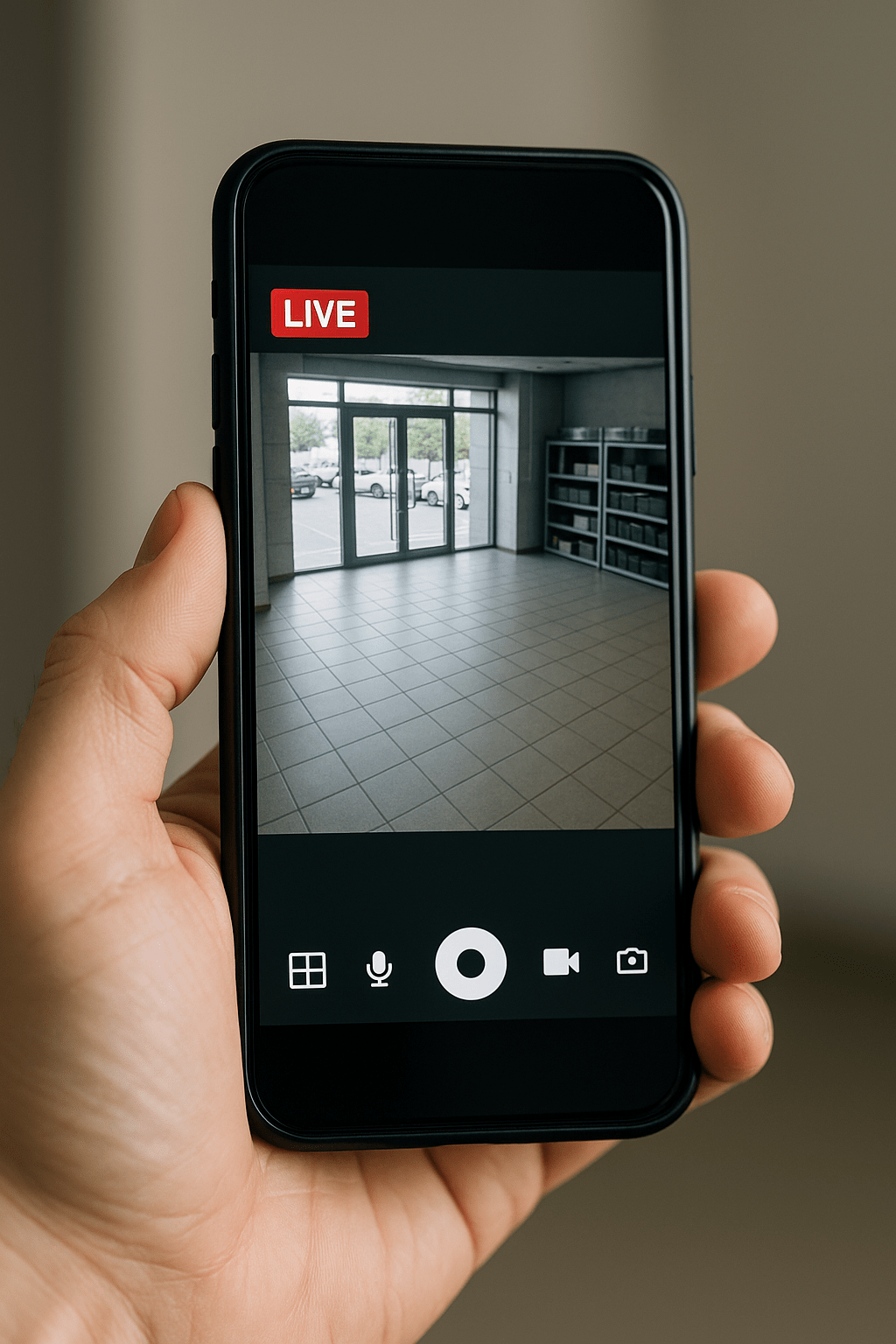
In today’s fast-paced business environment, the ability to monitor operations and security remotely is no longer a luxury but a necessity for effective decision-making. Modern CCTV systems offer sophisticated remote viewing capabilities, allowing business owners and managers to stay connected to their premises from any location with an internet connection. This means you can check on inventory levels in a warehouse, oversee customer activity in a retail store, or ensure employee safety in an office, all from your smartphone or tablet. This constant oversight provides unprecedented peace of mind and allows for proactive management, rather than reactive problem-solving. The convenience of accessing live feeds or reviewing recorded footage on the go significantly streamlines day-to-day oversight and empowers leaders to make informed decisions quickly, regardless of their physical presence.
Real-time Monitoring from Anywhere, Anytime
The core benefit of advanced CCTV systems is the assurance of real-time monitoring capabilities. Whether you’re traveling for business, working from home, or simply away from the office, you can access live video streams of your premises. This is particularly crucial for businesses with multiple locations, allowing a central management team to maintain consistent oversight across all sites. For instance, a retail chain manager can simultaneously monitor foot traffic and staff performance in several stores, identifying best practices or potential issues in real-time. This immediate visibility helps in managing day-to-day operations more effectively and ensures that no critical event goes unnoticed. Investing in a system with robust remote viewing features directly translates to improved operational awareness and a more responsive management approach, which can be vital for mitigating risks and seizing opportunities.
Enhanced Response Capabilities for Security Incidents
When a security incident occurs, time is of the essence. Remote viewing and mobile access empower your team to respond faster and more effectively. Imagine an alarm being triggered at your facility overnight. Instead of waiting for the first employee to arrive in the morning, security personnel or designated managers can immediately view the live feed to assess the situation. This allows for a quicker and more accurate dispatch of emergency services, potentially preventing significant loss or damage. For example, if a break-in is detected, on-site personnel can be alerted to lock down specific areas or prepare for the authorities’ arrival based on real-time visual confirmation. This direct line of sight to an incident dramatically enhances your ability to manage and mitigate potential threats, contributing significantly to overall business security and minimizing liability, as explored in Business Security: Liability Reduction with CCTV.
Streamlining Operations and Oversight with Mobile Apps
Modern CCTV systems are designed with user-friendly mobile applications that consolidate all monitoring and management features into an intuitive interface. These apps often go beyond simple video viewing, offering features like instant alerts for motion detection or unusual activity, the ability to pan, tilt, and zoom cameras remotely, and quick access to recorded footage archives. For operations managers, this means being able to streamline oversight without being tied to a desk. For example, a facility manager can receive an alert about an unauthorized person in a restricted area, view the live feed, communicate with on-site staff via two-way audio (if available), and document the incident all from their mobile device. This seamless integration of surveillance into daily workflows fosters greater efficiency and accountability across the organization.
Ensuring Seamless Integration: Structured Cabling and PoE for Reliable Systems
The performance and reliability of any CCTV system hinge significantly on its underlying infrastructure. Structured cabling forms the backbone of a robust surveillance network, ensuring that data flows smoothly and efficiently between cameras and recording devices. Unlike ad-hoc wiring, structured cabling involves a methodical approach to installing network cables, optimizing signal integrity and minimizing the risk of interference. This professional installation is not just about aesthetics; it’s about building a foundation that supports high-resolution video transmission and prevents costly downtime. When considering a new CCTV installation or an upgrade, investing in proper structured cabling is paramount for achieving optimal performance and long-term reliability for your commercial security needs, as detailed in Commercial CCTV: Structured Cabling for Reliability.
The Importance of Professional Cabling for CCTV Performance
Poorly installed or inadequate cabling is a common culprit behind subpar CCTV performance, leading to issues like pixelated video, intermittent signal loss, and slow data transfer. Professional cabling ensures that each camera is connected using the appropriate cable type (such as Cat5e, Cat6, or fiber optics), terminated correctly, and routed to avoid electromagnetic interference from power lines or heavy machinery. This meticulous approach guarantees that your cameras transmit crisp, clear video footage to your network video recorder (NVR) or digital video recorder (DVR) without degradation. For businesses relying on surveillance for theft prevention, operational monitoring, or liability reduction, uninterrupted, high-quality video is non-negotiable. Professional installation minimizes these risks and ensures your system operates at its intended capacity, providing a dependable security solution.
Power over Ethernet (PoE): Simplification and Cost Savings
Power over Ethernet (PoE) is a revolutionary technology that significantly simplifies CCTV system installation and reduces overall costs. PoE allows network cables to carry both data and electrical power to devices simultaneously, eliminating the need for separate power outlets at each camera location. This means fewer cables, reduced installation time, and lower labor costs. For businesses with numerous cameras spread across large facilities, such as warehouses or manufacturing plants, the benefits are substantial. It not only streamlines the installation process but also simplifies maintenance and troubleshooting. Furthermore, PoE-enabled network switches provide a centralized power management solution, ensuring reliable power delivery and offering protection against power surges. Understanding the advantages of Commercial CCTV: PoE Wiring for Reliable Security can lead to a more efficient and cost-effective surveillance system.
Planning for Future Expansion and System Upgrades
A well-designed structured cabling system is inherently scalable, making future expansions and technology upgrades much more manageable. When planning your initial installation, it’s crucial to anticipate potential future needs, such as adding more cameras, increasing resolution, or integrating new surveillance technologies. By installing more network drops than immediately required and using high-quality cabling with sufficient bandwidth, you create an infrastructure that can easily accommodate growth. This forward-thinking approach prevents costly retrofitting and downtime when your business expands or when you decide to upgrade to advanced features like higher-resolution cameras or analytics. A scalable system, supported by robust cabling, ensures your security infrastructure remains effective and adaptable to evolving business requirements and technological advancements, aligning with principles of Commercial CCTV: Scalable Security System Maintenance.
Upgrading Your Existing CCTV: When and How to Retrofit
Even the most advanced CCTV systems require periodic review and potential upgrades to remain effective. Technology evolves rapidly, and what was state-of-the-art a few years ago may now be inadequate for addressing contemporary security challenges. Businesses must be vigilant in assessing their current surveillance capabilities to ensure they align with their evolving security needs and industry best practices. Recognizing the signs that your system is outdated or insufficient is the first step toward implementing an effective upgrade strategy. Retrofitting can involve replacing individual components, upgrading the entire system, or integrating new technologies to enhance existing capabilities, ultimately providing a more robust and reliable security posture for your commercial property.
Signs Your Current System is Outdated or Inadequate
Several indicators suggest that your current CCTV system is no longer meeting your business’s security demands. Low-resolution footage that makes it difficult to identify faces or license plates is a primary concern, often failing to provide actionable evidence. Frequent system malfunctions, poor image quality in varying light conditions (such as deep shadows or glare), and limited remote access capabilities are other red flags. If your system struggles to provide clear footage at night or in adverse weather, it’s likely inadequate for comprehensive surveillance. Furthermore, a lack of integration with other security systems (like access control or alarms) or the inability to store sufficient footage for the required retention period can render it ineffective for compliance and investigation purposes. Identifying these shortcomings is crucial for prioritizing necessary improvements and ensuring your investment provides tangible security benefits.
Phased Upgrade Strategies for Minimal Business Disruption
Upgrading a business’s CCTV system doesn’t always necessitate a complete shutdown. Implementing a phased approach can significantly minimize disruption to daily operations. This strategy involves prioritizing the most critical areas or components for immediate upgrade, then proceeding with subsequent phases over time. For example, you might first upgrade cameras in high-traffic areas or points of entry, followed by peripheral areas. This allows your business to benefit from enhanced security incrementally while managing budget and operational impact. A well-planned retrofit, like those offered for businesses in areas such as Commercial CCTV Brampton: Smart System Design, ensures that you can gradually introduce newer, more effective technologies without compromising security continuity. This methodical process ensures seamless integration and minimal operational impact.
Integrating New Technology with Legacy Systems
When upgrading, it’s often practical to integrate new technology with existing, still-functional components of your legacy system. This approach can save costs and reduce the complexity of a full replacement. Modern CCTV systems are increasingly designed with backward compatibility in mind, allowing new high-definition cameras to coexist with older analog infrastructure, or new NVRs to manage both IP and older analog cameras through converters. This hybrid approach ensures that you can gradually transition to newer technologies, such as AI-powered analytics or higher-resolution cameras, while leveraging your existing investments. Careful planning and professional assessment are key to determining the most effective integration strategy, ensuring that the new components work harmoniously with the old for optimal performance and extended system lifespan. Such strategic upgrades are central to modernizing security, as discussed in Modernize Security: CCTV System Retrofits.
Data Storage and Management: Securely Handling Your Video Footage
The video footage captured by your CCTV system is a critical asset for security, operations, and compliance. However, its value is only realized if it is stored securely, managed efficiently, and accessible when needed. Businesses must carefully consider their video data storage strategy, balancing the need for ample capacity with robust security measures to protect against unauthorized access or data loss. The choices made regarding on-premise versus cloud storage, retention policies, and cybersecurity protocols directly impact the overall effectiveness and reliability of your surveillance system, playing a key role in areas like Business Security Cameras: Operational ROI.
On-Premise vs. Cloud Storage: Weighing the Pros and Cons
When it comes to storing CCTV footage, businesses typically choose between on-premise solutions (like Network Video Recorders – NVRs, or Digital Video Recorders – DVRs) and cloud-based storage services. On-premise storage offers direct control over data and can be more cost-effective for large volumes of footage over the long term, but it requires significant upfront investment in hardware and ongoing maintenance. Cloud storage, conversely, provides scalability, remote accessibility, and often a pay-as-you-go model that reduces initial costs. However, it relies on internet connectivity for access and uploading, and ongoing subscription fees can accumulate. The decision often comes down to factors like budget, desired accessibility, and IT infrastructure. For businesses in the GTA seeking robust solutions, consulting with experts familiar with commercial systems is essential for making the right choice. Organizations aiming to reduce shrinkage often find value in solutions that offer secure, accessible footage, as highlighted in Commercial CCTV: Reducing Shrinkage in Your Business.
Retention Policies and Legal Compliance Requirements
Establishing clear video retention policies is vital for both operational efficiency and legal compliance. The duration for which video footage must be stored varies significantly based on industry regulations, local laws, and the specific needs of the business. For instance, some industries may require footage to be kept for 30 days, while others might mandate 90 days or more. Having a defined policy ensures that storage capacity is managed effectively, preventing older, unnecessary footage from consuming valuable space. It also guarantees that critical evidence is available should an incident occur and require investigation or legal proceedings. Adhering to these policies is crucial for mitigating liability and ensuring regulatory adherence, a key aspect of commercial security in the Greater Toronto Area, as discussed in Commercial Security: Mitigate Liability for GTA Businesses. Failure to comply can result in significant penalties.
Cybersecurity Measures for Video Data Protection
Protecting your CCTV video data from cyber threats is as important as preventing physical intrusion. Compromised surveillance systems can be manipulated, with footage altered or deleted, or used as an entry point for broader network breaches. Implementing strong cybersecurity measures is therefore non-negotiable. This includes using strong, unique passwords for all devices and network access, enabling two-factor authentication where available, and ensuring that firmware and software are regularly updated to patch vulnerabilities. Encrypting video data, both in transit and at rest, adds another layer of security. Network segmentation, isolating the CCTV system from other business networks, can also limit the potential damage from a cyber attack. Prioritizing these measures ensures the integrity and confidentiality of your surveillance evidence.
The Role of Professional Installation and Ongoing Maintenance
While the allure of DIY solutions is understandable, especially for cost-conscious businesses, when it comes to commercial CCTV systems, professional installation and diligent maintenance are not optional luxuries but essential pillars of effective security. Attempting a self-install on a complex business network can lead to compromised footage, blind spots, and systems that fail at critical moments. A professional installer understands the nuances of different camera types, optimal placement for maximum coverage, and the intricacies of network integration. They ensure that your structured cabling and PoE wiring are robust, preventing common issues like signal degradation or power failures that plague amateur setups. Investing in expert installation from the outset lays the groundwork for a reliable and high-performing surveillance system that truly protects your assets and personnel.
Why DIY is Not Recommended for Commercial CCTV
The complexity of commercial surveillance goes far beyond simply mounting a camera and plugging it in. Businesses operate in dynamic environments with unique security challenges, and a haphazard DIY approach often fails to address these specifics. Improper camera angles can create significant blind spots, rendering the system ineffective against determined intruders. Furthermore, many DIY camera systems lack the advanced features necessary for comprehensive business security, such as high-resolution imaging in low light, wide dynamic range (WDR) to handle challenging lighting conditions, or robust integration with other security systems. The risk of network vulnerabilities is also considerably higher with DIY installations, potentially exposing your business network to cyber threats. This can lead to data breaches, system downtime, and significant financial and reputational damage, far outweighing any initial cost savings.
Benefits of Expert Installation for Optimal Performance and Longevity
Engaging a professional security service for your CCTV installation ensures that your system is tailored to your specific business needs and environment. Experts conduct thorough site assessments, identifying potential vulnerabilities and determining the ideal camera types and placements to achieve comprehensive coverage without blind spots. They utilize high-quality, business-grade equipment designed for durability and reliable performance in demanding conditions. Professional installers also ensure proper network configuration and secure data transmission, which is crucial for maintaining the integrity and privacy of your surveillance footage. This expertise extends to optimizing camera settings for different scenarios, such as capturing clear images in dimly lit areas or identifying facial features accurately. Ultimately, expert installation translates to a more effective, reliable, and long-lasting security solution, minimizing the likelihood of system failures and maximizing the return on your investment.
Scheduled Maintenance for Peak System Reliability
Even the most professionally installed CCTV system requires regular attention to maintain its optimal performance and reliability. Scheduled maintenance goes beyond simple visual checks; it involves a comprehensive review of the entire system. This includes testing camera functionality, cleaning lenses for clear imagery, verifying network connectivity, and ensuring that recording devices are functioning correctly. Firmware updates are critical for addressing security vulnerabilities and improving system performance. A proactive maintenance schedule can identify and rectify minor issues before they escalate into major system failures, which are often discovered during a security incident when the system is most needed. For multi-location businesses, a standardized maintenance plan is vital to ensure consistent security standards across all sites.
Beyond Security: CCTV for Operational Efficiency and Liability Reduction
While the primary function of CCTV systems is security, their utility extends far beyond mere surveillance. Modern business security cameras offer significant advantages in enhancing operational efficiency and providing crucial evidence for liability reduction. By strategically placing cameras, businesses can gain invaluable insights into workflow processes, employee performance, and customer interactions. This data can highlight areas for improvement, optimize resource allocation, and even boost overall productivity. Furthermore, in the unfortunate event of an incident, such as theft, vandalism, or an accident, high-quality CCTV footage serves as objective, irrefutable evidence. This can be instrumental in resolving disputes quickly, deterring fraudulent claims, and protecting your business from costly legal battles and insurance premium hikes. Exploring the operational ROI of business security cameras reveals a compelling case for their strategic implementation.
Improving Employee Productivity and Accountability
Implementing CCTV systems can foster a culture of accountability and, indirectly, boost employee productivity. When employees know their activities are being monitored, they are often more inclined to adhere to company policies and work diligently. This doesn’t imply a lack of trust, but rather a clear expectation of professional conduct. For instance, in retail environments, cameras can help track inventory handling and prevent internal theft, ensuring that products are accounted for. In service industries, they can monitor customer interactions, providing feedback for service improvement and training. The knowledge that their actions are recorded can also deter time theft and unauthorized breaks, leading to more focused work periods. This oversight, when communicated transparently, contributes to a more efficient and productive workforce, while also providing valuable data for performance reviews and training initiatives.
Resolving Disputes and Mitigating Slip-and-Fall Claims
The presence of CCTV cameras acts as a powerful deterrent against false claims and disputes. In commercial settings, slip-and-fall incidents are a common source of liability for businesses. Clear, high-definition footage can provide definitive proof of the circumstances surrounding an accident, demonstrating whether the fall was due to negligence or an unavoidable event. This objective record can significantly reduce the likelihood of successful fraudulent claims, saving businesses substantial costs in legal fees and settlements. Beyond accidents, CCTV footage is invaluable for resolving disputes between employees, customers, or vendors. It provides an unbiased account of events, helping to clarify misunderstandings and prevent disputes from escalating. This aspect of CCTV is crucial for business security and liability reduction.
Gain actionable insights for process improvement
Beyond its immediate security applications, CCTV surveillance offers a unique vantage point for scrutinizing and optimizing business operations. By reviewing footage from various areas—production lines, loading docks, customer service points, or even administrative offices—managers can identify bottlenecks, inefficiencies, and areas where workflows can be streamlined. For example, in a warehouse setting, cameras might reveal inefficiencies in how goods are stored or retrieved, leading to the implementation of a more effective inventory management system. Similarly, in a retail environment, observing customer traffic patterns can inform store layout decisions and staffing levels. These actionable insights, derived from real-time or recorded visual data, empower businesses to make data-driven decisions that enhance productivity, reduce waste, and improve overall service delivery. This analytical use of surveillance data is a key component of achieving a strong operational ROI.
Scalable CCTV Solutions for Multi-Location Businesses in the GTA
Managing security for a business with multiple locations across the Greater Toronto Area presents unique challenges. Ensuring consistent protection, centralized oversight, and cost-effectiveness requires a scalable and integrated CCTV strategy. A well-designed system allows for centralized monitoring and management of all cameras and recording devices, regardless of their physical location. This means operations managers can oversee security across all branches from a single command center or even remotely via mobile devices. Scalability is paramount, enabling businesses to easily add new cameras or expand to new sites as they grow without needing a complete system overhaul. This flexibility ensures that security measures can adapt to evolving business needs and threats across the diverse commercial landscape of the GTA.
Centralized Management for Distributed Operations
For businesses operating across multiple sites in the GTA, a centralized management system for their CCTV network is not just a convenience but a necessity. This approach consolidates the monitoring and control of all surveillance devices into a single interface, whether located in a dedicated security room or accessible remotely. Sophisticated VMS (Video Management Software) platforms allow authorized personnel to view live feeds, access recorded footage, manage user permissions, and even conduct system diagnostics for all connected locations simultaneously. This significantly reduces the administrative burden of managing disparate systems and ensures a unified approach to security. It’s particularly beneficial for companies looking to maintain uniform security protocols across branches, as highlighted in discussions about commercial CCTV system design.
Ensuring Consistent Security Standards Across All Sites
Maintaining uniform security standards across multiple business locations is critical for protecting brand reputation, intellectual property, and employee safety. A scalable CCTV solution facilitates this by enabling the deployment of standardized camera models and recording configurations across all branches. Centralized management ensures that all systems are updated with the latest firmware and security patches, preventing potential vulnerabilities that could arise from outdated technology. Furthermore, it allows for the implementation of consistent data retention policies and access controls, ensuring that footage is managed securely and compliantly across the entire organization. This uniformity simplifies training for security personnel and ensures that every location benefits from the same level of protection, crucial for businesses in bustling areas like Mississauga or Brampton.
Cost-effective strategies for enterprise-level surveillance
Implementing robust CCTV surveillance across multiple business locations requires careful consideration of cost-effectiveness without compromising security. Leveraging scalable solutions allows businesses to invest incrementally as their needs evolve, rather than undertaking massive upfront expenditures. Utilizing network-based IP cameras with Power over Ethernet (PoE) capabilities can significantly reduce installation costs by eliminating the need for separate power cables for each camera, streamlining the wiring process. Cloud-based storage or hybrid NVR/DVR solutions can offer flexible and cost-efficient options for managing and storing large volumes of footage. Furthermore, choosing integrated systems that combine surveillance with other security functions can provide greater value. For companies across the GTA, exploring solutions that offer both initial savings and long-term operational efficiency is key to achieving effective enterprise-level surveillance within budget constraints.