In today’s rapidly changing business environment, a static security system can quickly become a liability. Commercial CCTV systems must evolve to meet new challenges, from expanding facilities to increasing data storage needs. Is your current surveillance setup truly ready to handle the demands of your growing organization in 2026?
This article explores the critical aspects of scalable CCTV solutions for businesses in the Greater Toronto Area (GTA). We’ll delve into the hidden risks of outdated systems, the benefits of future-proof investments, and key indicators that signal the need for an upgrade. Discover how a well-designed, scalable CCTV system can protect your assets, improve operational efficiency, and ensure compliance as your business expands.
Is Your Current CCTV System Keeping Pace with Business Growth? (2026 Update)
The Evolving Security Needs of Growing Businesses
As businesses expand, their security needs become increasingly complex. What started as a simple four-camera setup might quickly become inadequate for monitoring a larger facility or multiple locations. Growing businesses often face challenges such as increased inventory, a larger workforce, and more complex operational processes, all of which can create new security vulnerabilities. For instance, a warehouse that doubles in size needs significantly more coverage to prevent theft and monitor employee activity effectively. Furthermore, evolving regulatory requirements might necessitate upgrades to recording resolution or storage capacity to maintain compliance. The key is to proactively assess your security needs and plan for future expansion rather than react to incidents as they occur.
Hidden Risks of Outdated Surveillance Infrastructure
Relying on an outdated CCTV system can expose your business to a range of hidden risks. These risks extend beyond simple security breaches and can impact operational efficiency and profitability. One major pitfall is poor video quality, which can render footage useless in the event of an incident. For example, if a break-in occurs, grainy or unclear video may not provide enough detail to identify the perpetrators. Another risk is limited storage capacity, leading to overwriting of crucial footage before it can be reviewed. Consider a retail business that experiences frequent shoplifting incidents; if the CCTV system only stores a few days’ worth of footage, evidence of recurring theft patterns could be lost. Moreover, outdated systems often lack the ability to integrate with other security measures like access control, creating security gaps. To understand how integrated systems enhance security, see how integrating different systems creates more robust security.
Scalability: A Key Factor in Future-Proofing Your CCTV Investment
Scalability refers to the ability of your CCTV system to easily adapt to changing security needs without requiring a complete overhaul. A scalable system allows you to add cameras, increase storage capacity, and integrate new technologies seamlessly. When evaluating CCTV systems, consider the architecture and whether it supports future expansion. For instance, an IP-based system is generally more scalable than an older analog system because it can be easily expanded by adding new cameras to the network. Think about a manufacturing plant that plans to add a new production line in the next year. A scalable CCTV system would allow them to easily extend coverage to the new area without disrupting existing operations. Investing in a scalable system from the outset is a cost-effective way to future-proof your security investment and avoid costly replacements down the road.
Understanding Scalable CCTV: More Than Just Adding Cameras
Network Infrastructure Considerations (PoE, Bandwidth)
Implementing a scalable CCTV system requires careful consideration of your network infrastructure. Power over Ethernet (PoE) is a crucial technology that allows cameras to receive both power and data through a single Ethernet cable. This simplifies installation and reduces the need for separate power outlets. However, as you add more PoE cameras, you need to ensure your network switch has sufficient power budget to support them all. Insufficient power can lead to camera malfunctions or complete failure. Bandwidth is another critical factor. High-resolution cameras generate significant amounts of data, which can strain your network’s capacity. Insufficient bandwidth can result in video lag, buffering, and reduced recording quality. It’s essential to assess your current network infrastructure and upgrade it if necessary to accommodate the demands of a growing CCTV system. Upgrading to a high-speed network and using quality structured cabling, as discussed in this article on PoE wiring, becomes essential.
Storage Capacity and Retention Policies
Adequate storage capacity is essential for a scalable CCTV system. Insufficient storage can lead to the overwriting of crucial footage before it can be reviewed, rendering the system ineffective. When determining storage needs, consider factors such as the number of cameras, recording resolution, frame rate, and retention period. Many businesses now opt for cloud-based storage solutions, which offer greater scalability and flexibility compared to traditional on-site storage. Cloud storage allows you to easily increase storage capacity as needed without investing in additional hardware. Additionally, it provides redundancy and disaster recovery capabilities, ensuring that your footage is protected even in the event of a fire or other catastrophe. It’s also important to establish clear retention policies. These policies should outline how long footage is stored and how it is disposed of. Compliance with industry regulations and privacy laws must also be considered when determining retention periods.
Centralized Management Software for Multi-Location Businesses
For businesses with multiple locations, centralized management software is crucial for efficient CCTV system administration. This software allows you to monitor and manage all cameras from a single interface, regardless of their location. Centralized management software typically offers features such as remote viewing, user access control, event logging, and alarm management. It enables security personnel to quickly respond to incidents and maintain consistent security protocols across all locations. For example, a retail chain with stores in multiple cities can use centralized management software to monitor all stores simultaneously, identify suspicious activity, and dispatch security personnel as needed. Without centralized management software, managing a multi-location CCTV system can become a logistical nightmare, leading to inefficiencies and increased security risks. Such software can also integrate with other security systems, as discussed in this article on integrated systems.
Key Benefits of a Scalable Commercial CCTV System
Reduced Total Cost of Ownership (TCO) Over Time
Investing in a scalable commercial CCTV system can significantly reduce the total cost of ownership (TCO) over time. While the initial investment might be higher compared to a basic system, the long-term savings can be substantial. Scalable systems are designed to adapt to changing needs without requiring frequent replacements or major upgrades. This reduces the cost of hardware, installation, and maintenance. Additionally, features like remote monitoring and centralized management can streamline operations and reduce labor costs. For instance, a warehouse with a scalable system might be able to reduce the number of on-site security personnel by leveraging remote video monitoring capabilities. Furthermore, a proactive approach to security can prevent costly incidents such as theft, vandalism, and liability claims. A scalable commercial CCTV system is an investment that can deliver a strong return on investment (ROI) over its lifespan. Review ROI case studies for business security cameras.
Improved Operational Efficiency and Incident Response
A well-designed scalable CCTV system can significantly improve operational efficiency and incident response. By providing real-time visibility into various areas of your business, CCTV cameras can help you optimize processes, identify bottlenecks, and improve employee productivity. For example, a manufacturing plant can use CCTV cameras to monitor production lines, identify inefficiencies, and ensure that employees are following safety protocols. In the event of an incident, such as a workplace accident or a security breach, CCTV footage can provide valuable evidence for investigations. Centralized management software allows security personnel to quickly access footage, assess the situation, and dispatch the appropriate resources. This can minimize downtime, reduce losses, and improve overall safety. A proactive approach to security also demonstrates a commitment to employee safety and can improve morale. The capabilities of remote video monitoring for efficiency are further explored here: remote monitoring for efficiency.
Enhanced Compliance with Industry Regulations
Many industries are subject to strict regulations regarding security and surveillance. A scalable commercial CCTV system can help you comply with these regulations and avoid costly fines or penalties. For example, businesses in the healthcare industry must comply with HIPAA regulations, which require them to protect patient privacy and secure sensitive data. Similarly, businesses in the financial industry must comply with PCI DSS standards, which require them to protect customer credit card information. CCTV systems can play a crucial role in demonstrating compliance with these regulations by providing evidence of security measures and access controls. It’s important to choose a CCTV system that meets the specific requirements of your industry and to ensure that it is properly installed and maintained. Regular audits and assessments can help you identify potential vulnerabilities and ensure that your system remains compliant over time. Proactive compliance is far less costly than reacting to violations.
Signs Your Commercial CCTV System Needs an Upgrade or Redesign
Frequent System Downtime or Malfunctions
Frequent system downtime or malfunctions are a clear indication that your commercial CCTV system needs attention. If your cameras are constantly going offline, or if your recording system is prone to errors, it’s time to investigate the underlying cause. Downtime can leave your business vulnerable to security breaches and disrupt your operations. Possible causes of frequent downtime include outdated hardware, faulty wiring, insufficient power supply, or network connectivity issues. A professional security technician can diagnose the problem and recommend the appropriate solution, which may involve replacing outdated equipment, upgrading your network infrastructure, or reconfiguring your system. Addressing downtime promptly can prevent costly incidents and ensure that your security system is always operational when you need it most. Proactively assess and address these weaknesses to maintain continuous security and avoid operational disruptions.
Poor Image Quality and Limited Visibility
Poor image quality and limited visibility can render your CCTV system ineffective. If your cameras produce grainy, blurry, or distorted images, it may be difficult to identify people or objects in the footage. This can be particularly problematic in low-light conditions or when monitoring large areas. Limited visibility can also be caused by improperly positioned cameras, obstructions, or blind spots. Upgrading to high-resolution cameras with wide dynamic range (WDR) technology can significantly improve image quality and visibility. WDR technology helps to balance exposure in areas with both bright and dark lighting, ensuring that details are captured clearly. Additionally, carefully positioning your cameras and eliminating obstructions can maximize coverage and eliminate blind spots. A thorough site survey can help you identify areas that require improved visibility. Poor image quality defeats the purpose of having a security system in the first place, making an upgrade a high priority.
Inability to Integrate with Other Security Systems (Access Control)
The inability to integrate with other security systems, such as access control, is a sign that your CCTV system may need an upgrade. Integrated security systems offer a more comprehensive and coordinated approach to security. For example, integrating your CCTV system with your access control system allows you to automatically record footage of anyone who enters or exits a building. This can be valuable for investigating security breaches or tracking employee activity. Integration can also automate certain security functions, such as locking doors or sounding alarms in response to specific events. A modern CCTV system should be able to communicate with other security devices and software platforms through open standards or APIs. This allows you to create a seamless and integrated security ecosystem that enhances your overall security posture. Explore the advantages of integrating your systems.
The Importance of Professional CCTV System Design and Installation in Mississauga, Brampton, and the GTA
Proper Camera Placement for Optimal Coverage
Effective CCTV surveillance hinges on strategic camera placement. A poorly designed system can create blind spots and leave critical areas vulnerable. When planning your installation in Mississauga, Brampton, or anywhere in the GTA, begin with a thorough risk assessment to identify potential threats and areas of concern. This includes considering factors like foot traffic patterns, entry and exit points, high-value asset locations, and areas prone to incidents like theft or vandalism. For instance, a warehouse needs cameras covering loading docks, storage aisles, and perimeter fences, while a retail store requires surveillance of cash registers, entrances, and high-theft merchandise displays.
Consider camera types for specific applications. Wide-angle lenses are excellent for covering large areas like parking lots, while varifocal lenses allow for zooming and focusing on specific points of interest. Dome cameras are ideal for discreet monitoring, while bullet cameras are better suited for outdoor use due to their weather resistance. The height and angle of the cameras are also crucial. Too high, and details may be lost; too low, and the cameras may be easily tampered with. Consult with professional installers to determine the optimal camera types and placement for your business needs. Professional companies understand the nuances of camera placement to maximize coverage and minimize vulnerabilities.
One common pitfall is neglecting lighting conditions. Poorly lit areas can render even the most advanced cameras ineffective. Ensure adequate lighting, especially during nighttime hours, and consider cameras with infrared (IR) capabilities for enhanced visibility in low-light conditions. Regularly assess your camera coverage, especially after any changes to your business layout or operations. Professional CCTV installation guarantees adherence to best practices and optimal system performance. For a deeper dive into enhancing security through strategic surveillance, explore resources such as warehouse security best practices.
Structured Cabling and Secure Network Infrastructure
The backbone of any reliable CCTV system is a well-designed and professionally installed cabling infrastructure. Structured cabling ensures that all cameras are properly connected to the network and that video data is transmitted efficiently and securely. Avoid cutting corners by using subpar cabling or attempting DIY installations. This can lead to signal loss, network congestion, and system failures. Power over Ethernet (PoE) technology simplifies installation by providing both power and data transmission over a single cable, reducing the need for separate power outlets for each camera. The quality of your network also affects performance. Ensure you have sufficient bandwidth to support all cameras, especially if you’re using high-resolution cameras or recording continuously.
Security extends beyond the physical realm; it includes safeguarding the network that carries your video data. Implement robust network security measures, such as strong passwords, firewalls, and intrusion detection systems, to prevent unauthorized access to your CCTV system. Regularly update your network firmware and software to patch any security vulnerabilities. Segment your CCTV network from your business’s main network to minimize the risk of a security breach affecting other critical systems. For instance, if your POS system and CCTV share the same network, a compromise of one could affect the other.
Consider hiring a professional IT security consultant to assess your network’s vulnerability and recommend appropriate security measures. A secure network infrastructure is just as important as the cameras themselves. Ignoring this aspect can leave your business vulnerable to cyberattacks and data breaches. For businesses operating in multiple locations, a centralized network management system can simplify administration and enhance security. Remember that a poorly designed network can severely limit the effectiveness of your CCTV system, regardless of the quality of the cameras. The benefits of proper cabling and infrastructure can be explored further on our page about PoE wiring for reliable security.
Compliance with Local Regulations and Building Codes
Operating a CCTV system in Mississauga, Brampton, and the GTA involves adhering to various local regulations and building codes. These regulations may cover camera placement, signage requirements, data storage policies, and privacy considerations. Failure to comply with these regulations can result in fines, legal liabilities, and reputational damage. Familiarize yourself with the applicable laws and ordinances before installing your CCTV system. For example, some municipalities may have restrictions on cameras that record public areas or private residences. You should also clearly indicate the presence of CCTV cameras to comply with privacy laws.
Obtain any necessary permits or licenses required for operating a CCTV system in your area. Consult with local authorities or legal professionals to ensure full compliance with all applicable regulations. Develop a clear data storage policy that outlines how long video data will be stored, how it will be accessed, and how it will be disposed of. Ensure that your data storage practices comply with privacy laws and regulations. In addition, adhere to accessibility guidelines for individuals with disabilities. Ensure cameras are placed and positioned such that they do not obstruct access for individuals with mobility challenges.
Ignorance of the law is no excuse. Before investing in a security system, confirm you are not setting your business up for unforeseen fines and penalties. Document your compliance efforts to demonstrate due diligence in the event of an audit or investigation. Stay updated on any changes to local regulations and building codes that may affect your CCTV system. For example, future changes to privacy laws might affect existing CCTV configurations. Consult with a professional security company like AYS Security Services to ensure your system meets all legal and regulatory requirements. Professional consultation minimizes risks and ensures your system operates within legal boundaries. Understanding how a system can reduce shrinkage is important, but compliance with local laws must come first.
Essential CCTV Maintenance Checklist for Commercial Properties
Regular Camera Cleaning and Inspections
Dust, dirt, and cobwebs can significantly degrade the image quality of your CCTV cameras, making it difficult to identify individuals or objects. Regular cleaning is crucial for maintaining optimal performance. Schedule camera cleaning at least quarterly, or more frequently if your cameras are located in dusty or exposed environments, like a manufacturing facility. Use a soft, lint-free cloth and a mild cleaning solution to gently wipe the camera lenses and housings. Avoid using harsh chemicals or abrasive cleaners, as these can damage the camera components.
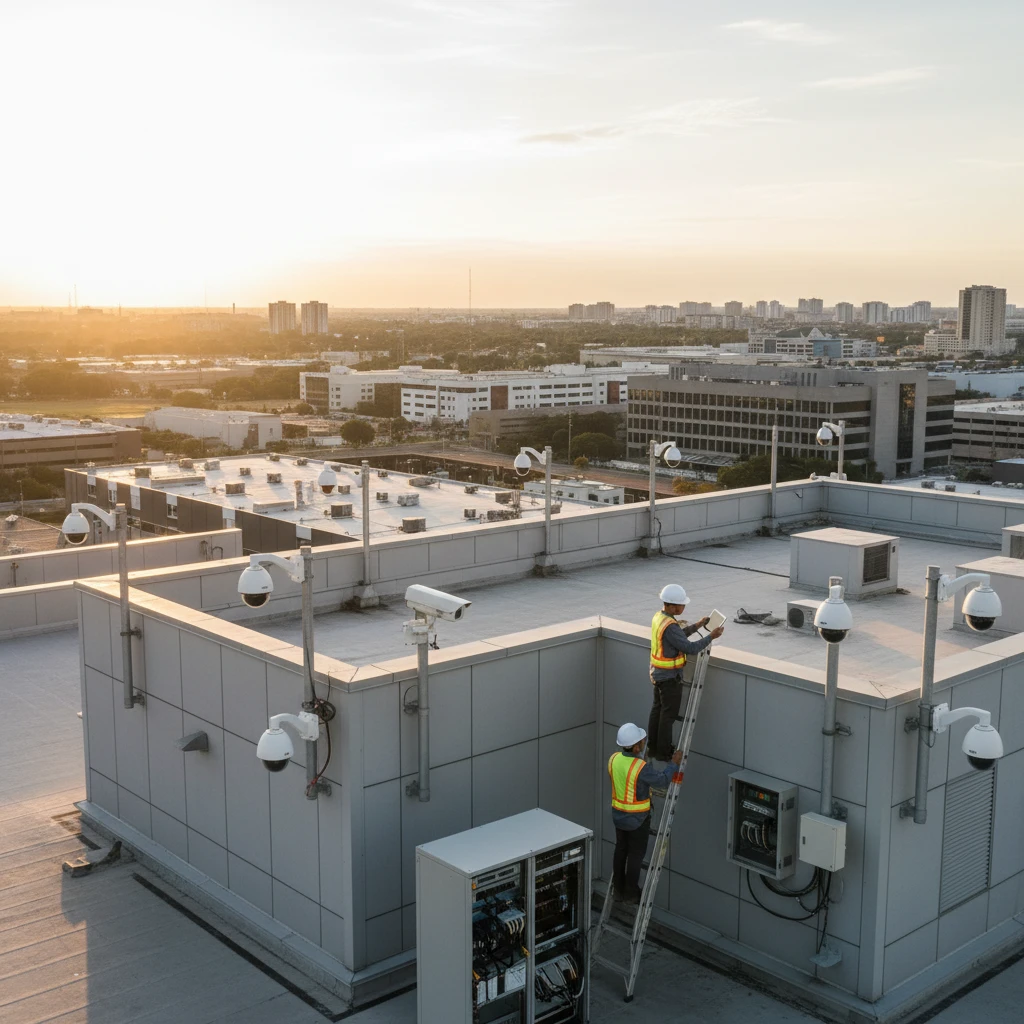
In addition to cleaning, conduct regular inspections of your CCTV system to identify any signs of damage or malfunction. Check the camera housings for cracks, water damage, or corrosion. Inspect the cables and connectors for wear and tear. Verify that the cameras are securely mounted and properly aligned. Listen for any unusual noises coming from the cameras, such as buzzing or clicking sounds. Pay close attention to cameras positioned in vulnerable or hard-to-reach locations. For example, cameras installed on the exterior of a warehouse may be more susceptible to vandalism or weather damage.
Document your inspections and cleaning activities, noting any issues or observations. Promptly address any problems that are identified, such as replacing damaged cables or realigning misaligned cameras. Consider using a checklist to ensure that all critical components are inspected. A proactive maintenance approach helps prevent minor issues from escalating into major problems, minimizing downtime and maximizing the lifespan of your CCTV system. Consider implementing a log book for each camera to record any maintenance, repairs, or adjustments performed over time. If you want to explore how a system upgrade can enhance overall functionality, consider reading about upgrading your CCTV systems.
Software Updates and Firmware Patches
CCTV systems rely on software and firmware to operate effectively. Manufacturers regularly release updates and patches to improve performance, fix bugs, and address security vulnerabilities. Neglecting to install these updates can leave your system vulnerable to cyberattacks and other security threats. Establish a schedule for checking and installing software updates and firmware patches. Check the manufacturer’s website or contact your security provider to learn about available updates. Always read the release notes before installing an update to understand the changes and any potential compatibility issues.
Before installing an update, back up your system configuration to ensure that you can restore it if something goes wrong. Follow the manufacturer’s instructions carefully when installing updates. Avoid interrupting the update process, as this can damage the system. After installing an update, test the system thoroughly to ensure that it is functioning properly. Verify that all cameras are recording video and that all features are working as expected. Pay close attention to any error messages or warning signs. If you encounter any problems, consult with your security provider for assistance.
Consider automating the update process to ensure that your system is always running the latest software. However, exercise caution when automating updates, as some updates may cause compatibility issues. A regular update schedule is crucial for maintaining the security and stability of your CCTV system. Delaying updates can lead to serious security breaches and system failures. Ignoring this step is akin to leaving the front door of your business unlocked. Also, you should ensure your system integrates with other security measures. The benefits of integrating security systems can be considerable.
Backup and Recovery Procedures for Critical Video Data
Video data is a valuable asset that can be used to investigate incidents, provide evidence in legal proceedings, and improve security protocols. It is essential to have a robust backup and recovery plan in place to protect this data from loss or corruption. Regularly back up your video data to a secure location, such as an offsite server or a cloud storage provider. Schedule backups at least daily, or more frequently if your business generates a large volume of video data. Ensure that your backup process is automated and that backups are verified regularly to ensure their integrity.
Test your recovery procedures periodically to ensure that you can restore your video data in the event of a system failure or data loss. Practice restoring data from backups to a test environment to identify any problems or gaps in your recovery plan. Develop a written recovery plan that outlines the steps to be taken in the event of a data loss incident. This plan should include contact information for key personnel, procedures for restoring data, and guidelines for communicating with stakeholders.
Consider using redundant storage solutions, such as RAID (Redundant Array of Independent Disks), to provide an additional layer of protection against data loss. Redundant storage solutions automatically duplicate data across multiple drives, so that if one drive fails, the data can be recovered from the other drives. A well-designed backup and recovery strategy is crucial for protecting your video data and ensuring business continuity. For example, a fire at a warehouse could destroy on-site recording equipment. Regular backups allow you to reconstruct events and aid investigations. Neglecting this aspect can have serious consequences. Learn how leveraging your security system can bring about operational visibility solutions.
Remote Video Monitoring: Extending Your Security Reach
24/7 Monitoring Services for Enhanced Threat Detection
While on-site security personnel are valuable, 24/7 remote video monitoring services offer an added layer of security by providing continuous surveillance of your property, even when no one is physically present. These services typically involve trained security professionals who monitor your CCTV feeds from a remote location and respond to any suspicious activity or emergencies. The benefit is that a professional can watch for hazards even when on-site staff are unavailable. Choose a reputable monitoring service with a proven track record of reliability and responsiveness. Inquire about their monitoring protocols, response times, and emergency procedures. Consider if the monitoring station is locally based or outsourced overseas.
Remote monitoring services can be customized to meet your specific needs and requirements. You can specify which areas of your property to monitor, what types of events to look for, and how to respond to different situations. For example, you may want to focus monitoring efforts on entry points, parking lots, or high-value asset storage areas. Enhanced threat detection is a key benefit. These monitoring services often utilize advanced video analytics to detect suspicious activity, such as loitering, unauthorized access, or unusual movements. These analytics can significantly reduce false alarms by filtering out routine activity and focusing on genuine threats.
The monitoring service should be able to provide detailed reports of any incidents or events that occur, including video footage and timestamps. This information can be valuable for investigations, insurance claims, or legal proceedings. 24/7 monitoring services provide peace of mind knowing that your property is being watched around the clock, even when you’re not there. Remember, even a small disruption to your business can lead to significant losses. The ROI of a security system can be seen on our page discussing ROI case studies. In fact, 24/7 monitoring ensures your business is protected against unforeseen events.
Mobile Viewing Apps for Real-Time Access to Your CCTV Feed
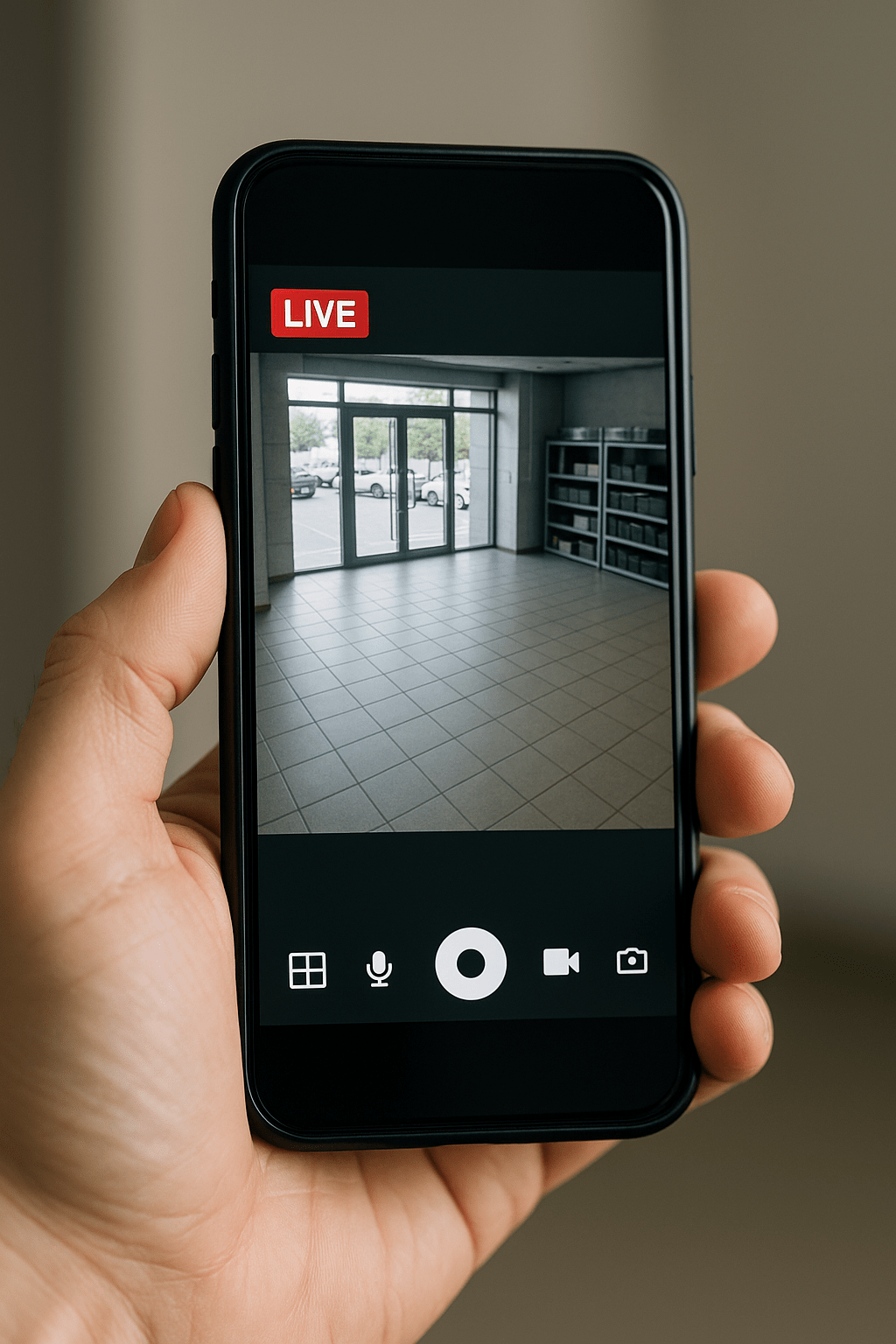
Mobile viewing apps provide real-time access to your CCTV feeds from your smartphone or tablet, allowing you to monitor your property from anywhere in the world. These apps are a valuable tool for business owners and managers who need to stay connected to their business, even when they are away from the office. A key benefit is having real-time awareness. Choose a mobile viewing app that is compatible with your CCTV system and that offers a user-friendly interface. Ensure that the app is secure and that it uses encryption to protect your video data from unauthorized access. Check if the app offers features such as push notifications, which alert you to any suspicious activity or events.
Mobile viewing apps allow you to view live video feeds from your cameras, playback recorded footage, and control PTZ (pan-tilt-zoom) cameras remotely. You can also use the app to receive alerts when motion is detected or when other events occur. Remote accessibility offers flexibility to manage your business security from any location. Mobile viewing apps are particularly useful for businesses with multiple locations, as they allow you to monitor all of your properties from a single app. For example, a retail chain with stores in Mississauga, Brampton, and Oakville can use a mobile app to monitor all of its locations from a central location.
Consider the bandwidth requirements of the mobile viewing app. Streaming high-resolution video over a mobile network can consume a significant amount of data. Ensure that you have a data plan that can support your mobile viewing needs. A mobile app offers convenience and peace of mind, allowing you to stay connected to your business and respond quickly to any incidents or emergencies. The ability to view footage remotely can be enhanced even further by remote monitoring for efficiency, ensuring that you are always aware of what’s happening at your business. This proactive approach reduces the potential for delayed responses.
Integrating Remote Monitoring with Alarm Systems and Incident Response
Integrating your remote video monitoring with your alarm systems can create a more comprehensive and effective security solution. When an alarm is triggered, the remote monitoring service can immediately access your CCTV feeds to verify the alarm and determine the appropriate response. This integrated approach minimizes false alarms and ensures that security personnel are dispatched only when necessary. For example, if a motion sensor is triggered at night, the remote monitoring service can view the CCTV footage to determine if it is a genuine intrusion or simply an animal.
Incident response protocols should be clearly defined and communicated to the remote monitoring service. The protocols should outline the steps to be taken in different situations, such as a break-in, a fire, or a medical emergency. The protocols should also specify who to contact and how to communicate with them. Clear response protocols ensures that the remote monitoring service can take appropriate action quickly and efficiently. For example, if a break-in is verified, the remote monitoring service should immediately contact the police and provide them with detailed information about the incident.
Regularly review and update your incident response protocols to ensure that they are effective and that they reflect any changes to your business or security needs. Conduct drills and simulations to test your response protocols and identify any weaknesses. Integration with access control systems can further enhance security by allowing the remote monitoring service to remotely lock or unlock doors, grant access to authorized personnel, or deny access to unauthorized individuals. Integrating remote monitoring with alarm systems and having well-defined incident response protocols enhances security and helps to protect your business from a variety of threats. Professional monitoring enables a business to reduce operational blind spots, improving security.
Budgeting for Commercial CCTV Maintenance and Upgrades: ROI Considerations
Calculating the Cost of Security Breaches and Losses
Before investing in a CCTV system, it’s crucial to understand the potential costs associated with security breaches and losses. These costs can include not only direct financial losses from theft or vandalism but also indirect costs such as business disruption, legal fees, and reputational damage. Calculating the potential losses helps justify the investment in a robust security system. Begin by analyzing past incidents of theft, vandalism, or other security breaches at your business. Determine the direct financial losses associated with these incidents, such as the value of stolen merchandise, the cost of repairing damaged property, and the cost of replacing stolen or damaged equipment.
Consider the indirect costs associated with security breaches, such as the cost of business disruption, the cost of legal fees, and the cost of increased insurance premiums. Business disruption can result in lost revenue, reduced productivity, and damage to customer relationships. Legal fees can arise from lawsuits filed by customers or employees who are injured or harmed as a result of a security breach. Reputational damage can result in a loss of customer trust and a decline in sales. Assess the intangible costs by considering scenarios. For instance, how much revenue would be lost if a warehouse shutdown occurred after a major theft? How much would insurance premiums increase?
Quantify the potential costs of future security breaches and losses based on the historical data and industry benchmarks. This will provide you with a clear understanding of the potential financial impact of inadequate security. Compare the potential costs of security breaches and losses with the cost of investing in a CCTV system and other security measures. This will help you determine the ROI of your security investment. The cost of a security breach can be far greater than the cost of a security system. Even seemingly minor incidents can have a significant financial impact. Understanding these potential costs is essential for making informed decisions about your security investments. By calculating this, it justifies upgrades and retrofits as outlined on security system upgrades.
Comparing Maintenance Plans and Service Agreements
When budgeting for commercial CCTV maintenance, it’s essential to compare different maintenance plans and service agreements to determine which option provides the best value for your money. These plans typically offer preventative maintenance, repair services, and technical support for your CCTV system. Evaluate the scope of coverage offered by each maintenance plan. Determine what types of services are included, such as regular camera cleaning, software updates, system inspections, and emergency repairs. Consider whether the plan covers all components of your CCTV system or only certain parts.
Compare the response times and service level agreements (SLAs) offered by different maintenance providers. Determine how quickly they will respond to your service requests and how long it will take them to resolve any issues. Consider the availability of 24/7 technical support. Evaluate the pricing structure of each maintenance plan. Determine whether the plan offers a fixed monthly fee or a per-incident fee. Consider the potential costs of additional services that are not included in the plan, such as after-hours support or emergency repairs. Get an all-inclusive price that includes all parts and labor.
Assess the experience and qualifications of the maintenance providers. Determine how long they have been in business and whether they have experience maintaining CCTV systems similar to yours. Check their references and read online reviews to get a sense of their reputation. The cheapest plan may not always be the best option. Consider the long-term costs and benefits of each plan before making a decision. A comprehensive maintenance plan can help to ensure that your CCTV system operates reliably and effectively, minimizing downtime and protecting your business from security breaches. It’s important to consider that a scalable system grows with your company, which means it needs constant maintenance as outlined at scalable security for GTA businesses.
Justifying Your Investment in a Scalable CCTV Solution
Investing in a scalable CCTV solution allows your security system to grow and adapt as your business evolves. This scalability is essential for businesses that anticipate expansion or changes to their security needs. Justifying this investment requires a clear understanding of the long-term benefits. Begin by assessing your current and future security needs. Consider your existing security risks and potential future threats. Determine whether your current CCTV system can meet your evolving security requirements.
Evaluate the scalability of your existing CCTV system. Determine whether it can easily accommodate additional cameras, storage capacity, or features. Consider the costs of upgrading your existing system versus investing in a new, scalable solution. Investing in a scalable solution can save you money in the long run by avoiding costly upgrades or replacements in the future. It’s a long-term investment that adapts to your business, rather than requiring complete overhauls. This is especially important for businesses with multiple locations needing consistent security. Consider, for example, a dealership. As the business grows to multiple locations, the CCTV system needs to grow as well.
Demonstrate the ROI of a scalable CCTV solution by highlighting the benefits of increased security, reduced risk, and improved operational efficiency. Scalable systems integrate easily with advanced video analytics, improving threat detection. Outline the costs of potential security breaches and losses and compare them with the cost of investing in a scalable solution. Present the information in a clear and concise manner to decision-makers. Frame the investment as a strategic business decision that will protect your assets, employees, and customers. Emphasize how a CCTV system can provide more than security. A new CCTV solution can also enhance customer service and improve overall business operations. In the end, your CCTV design matters, so it is best to consider CCTV design for multi-location businesses.
Choosing the Right Scalable CCTV System
Selecting the right scalable CCTV system involves considering various factors to ensure it meets your specific needs and provides long-term value. Start by evaluating the system’s compatibility with your existing infrastructure and security protocols. A seamless integration minimizes disruptions and ensures optimal performance. Ensure that the system supports a wide range of cameras and technologies. Evaluate the system’s storage capacity and scalability. Choose a system that can accommodate your current storage needs and easily expand as your business grows. Consider cloud-based storage options for added flexibility and accessibility.
Assess the system’s management and monitoring capabilities. Look for a system with user-friendly software and intuitive interfaces. The system should provide centralized management and remote access for easy monitoring and control. Consider features such as real-time alerts, video analytics, and reporting tools. Look into systems with video analytics, to help improve threat detection. Prioritize systems that offer robust cybersecurity features, such as encryption, authentication, and access controls.
Installation and Maintenance
Proper installation and maintenance are crucial for ensuring the optimal performance and longevity of your scalable CCTV system. Installation should be performed by qualified professionals who have experience working with similar systems. Ensure that the cameras are strategically placed to cover all critical areas, and that the wiring and connections are properly secured. Regular maintenance is essential for preventing issues and ensuring the system operates at peak efficiency. Establish a schedule for routine inspections, cleaning, and testing. Monitor the system’s performance and address any issues promptly. Keep the software and firmware up to date to protect against security vulnerabilities and enhance functionality.
Conclusion
Investing in a scalable CCTV solution is a strategic decision that can provide long-term benefits for your business. Scalable systems can adapt to evolving needs, enhance security, and improve operational efficiency. By carefully evaluating your requirements, choosing the right system, and ensuring proper installation and maintenance, you can maximize the value of your investment and protect your assets, employees, and customers. Consider your long-term security goals and choose a solution that will grow with you. Remember to work with experienced professionals who can provide expert guidance and support.
Frequently Asked Questions (FAQs)
Here are some common questions about scalable CCTV systems:
- How often should I upgrade my CCTV system? Regular upgrades are recommended to keep up with technological advancements and changing security needs. Consider upgrading every 3-5 years to maintain optimal performance and security.
- Can I integrate my existing CCTV cameras with a new scalable system? Yes, many scalable systems are designed to be compatible with existing cameras, allowing for a gradual upgrade without replacing all equipment at once. Confirm compatibility with the system vendor.
- What are the benefits of cloud-based CCTV storage? Cloud-based storage offers increased scalability, accessibility, and redundancy. It eliminates the need for on-site storage devices and allows for remote access to footage from anywhere with an internet connection.
- How much does a scalable CCTV system cost? The cost of a scalable CCTV system varies depending on factors such as the number of cameras, storage capacity, features, and installation requirements. Contact reputable vendors for a detailed quote tailored to your specific needs.
- What type of maintenance is required for a scalable CCTV system? Routine maintenance includes regular inspections, cleaning of cameras, testing of functionality, and software updates. A proactive maintenance schedule helps prevent issues and ensures optimal performance.
Choosing the Right CCTV Maintenance Partner for Your Business
Selecting the right CCTV maintenance partner is crucial for ensuring the long-term reliability and effectiveness of your security system. Beyond just price, consider factors like their experience, service level agreements (SLAs), and ability to provide proactive maintenance. A reactive approach to maintenance can lead to extended downtime and increased vulnerability, whereas a partner focused on preventative measures can minimize disruptions. Evaluate potential partners based on their expertise with systems similar to yours, their responsiveness to support requests, and their commitment to keeping your system up-to-date with the latest security patches and firmware.
Experience and Expertise in Commercial Security Systems
Look for a partner with demonstrated experience in maintaining commercial-grade CCTV systems. Ask about the types of businesses they’ve supported (warehouses, retail, offices), the brands of cameras they’re familiar with, and their technicians’ certifications. A company specializing in residential security may not have the expertise to handle the complexities of a large, multi-location commercial CCTV setup. For instance, a sprawling warehouse security camera system will demand proficiency in long-range wireless transmission and integration with access control systems.
Local Presence and Rapid Response Times in the GTA
A local presence is essential for quick on-site support. A provider based in the GTA will be able to respond more rapidly to urgent issues compared to a national company with limited local resources. Ask about their average response time for service calls and their ability to provide emergency support outside of regular business hours. Consider a scenario: a key camera fails during a weekend. A local provider can often dispatch a technician quickly to restore coverage, minimizing the security gap. Ensure they have technicians available and equipped to service Mississauga, Brampton, and other key GTA areas.
References and Case Studies from Satisfied Clients
References and case studies provide valuable insight into a potential partner’s track record and customer satisfaction. Request references from clients with similar businesses and security needs. Case studies showcasing successful maintenance programs and problem resolution can demonstrate their capabilities. Don’t hesitate to contact references and ask specific questions about their experience with the partner, including their responsiveness, communication, and technical expertise.
Example: A retail chain with five locations in Brampton experienced a 30% reduction in system downtime after switching to a proactive maintenance plan, according to their testimonial. This improvement led to better video capture and a more robust security posture.
Future-Proofing Your CCTV Investment: Trends to Watch in 2026
The CCTV landscape is constantly evolving. Staying ahead of the curve is crucial to protecting your investment and maximizing its value. In 2026, several key trends are shaping the future of commercial CCTV systems, including AI-powered analytics, cloud-based storage, and enhanced cybersecurity.
The Rise of AI-Powered Video Analytics
Artificial intelligence (AI) is transforming video surveillance. AI-powered video analytics can automate tasks such as object detection, facial recognition, and anomaly detection, freeing up security personnel to focus on more critical issues. For example, AI can be used to identify suspicious activity, such as a person loitering near a restricted area, or to track the movement of vehicles within a parking lot. These technologies enhance the ability to proactively address potential threats and improve overall security effectiveness. AI-driven security is also moving beyond simple motion detection to behavioral analysis, flagging patterns that indicate potential theft or vandalism. Consider exploring features like smart search and perimeter protection.
Cloud-Based Video Storage and Management
Cloud-based video storage and management offer several advantages over traditional on-premise systems. These include greater scalability, reduced maintenance costs, and enhanced accessibility. With cloud storage, you can easily scale your storage capacity as your needs grow, without having to invest in additional hardware. Cloud-based systems also eliminate the need for on-site servers, reducing maintenance costs and freeing up valuable space. Remote access to video footage from any device with an internet connection provides greater flexibility and situational awareness. The move to the cloud also facilitates seamless integration with other security systems, as discussed in resources about integrating different security systems.
Enhanced Cybersecurity Measures for CCTV Systems
As CCTV systems become more connected, they also become more vulnerable to cyberattacks. It is important to implement robust cybersecurity measures to protect your system from unauthorized access and data breaches. This includes using strong passwords, enabling two-factor authentication, and regularly updating firmware. Also, segmenting your CCTV network from other business networks can limit the impact of a potential breach. According to industry reports, vulnerable IoT devices, including CCTV cameras, are increasingly targeted by cybercriminals. Partnering with a provider who prioritizes cybersecurity is critical. As part of system maintenance, verify that your chosen security provider is implementing patches and updates on a regular basis. One should also understand the importance of reliable CCTV PoE wiring for preventing network disruptions that can be exploited by bad actors.
Addressing Common CCTV System Issues: Troubleshooting and Prevention
Even with a well-maintained system, occasional issues can arise. Knowing how to troubleshoot common problems and implementing preventative measures can minimize downtime and ensure optimal performance. This section covers network connectivity, camera malfunctions, and protection against vandalism.
Diagnosing and Resolving Network Connectivity Problems
Network connectivity issues are a frequent source of CCTV system problems. Check cabling, routers, and network switches for faults. Verify that IP addresses are correctly assigned and that the cameras are communicating with the network video recorder (NVR). Use network diagnostic tools to identify bottlenecks or packet loss. In wireless systems, ensure strong signal strength and minimal interference. Regularly test the network connection to each camera and document baseline performance for comparison.
Dealing with Camera Malfunctions and Image Distortion
Camera malfunctions can range from image distortion to complete failure. Check the camera lens for dirt, debris, or condensation. Inspect the camera housing for damage. If the image is blurry or distorted, adjust the focus or zoom settings. If the camera is not functioning at all, check the power supply and connections. Consider having spare cameras on hand to quickly replace faulty units. Implement a periodic camera health check to catch issues early. As mentioned in other content about upgrading your obsolete security system, sometimes hardware simply reaches the end of its life and needs replacing.
Preventing Vandalism and Tampering with Security Equipment
Vandalism and tampering can compromise your security. Install cameras in tamper-resistant housings and mount them in locations that are difficult to access. Use security screws and locking mechanisms to prevent unauthorized removal. Consider using vandal-resistant domes to protect the camera lens. Implement alarm systems that trigger when a camera is tampered with. Regularly inspect cameras for signs of vandalism and repair any damage immediately. Integrate these security cameras into a broader strategy to deter theft and operational shrinkage, as discussed in our post on reducing shrinkage in your business.
Maintaining your commercial CCTV system effectively requires a proactive approach, choosing the right maintenance partner, and staying informed about emerging trends. Addressing common issues quickly and preventing vandalism are also essential components of a robust security strategy.
For expert guidance on selecting, maintaining, and upgrading commercial CCTV systems in the GTA, visit www.ayssecurity.ca for comprehensive information and support.