In the bustling business landscape of the Greater Toronto Area (GTA), security is no longer a luxury—it’s a necessity. As businesses strive for growth and success, they must also prioritize the protection of their assets, employees, and customers. A well-designed commercial CCTV system provides invaluable security, and a scalable solution is crucial to adapt to the ever-changing threat landscape.
This guide explores the importance of scalable commercial CCTV solutions for GTA businesses, highlighting the benefits of advanced features, and providing insights into choosing the right system for your specific needs. We’ll cover critical considerations, including evolving theft trends, key features to look for in a modern system, and CCTV options for different business types.
Is Your GTA Business Security Keeping Pace with 2026 Theft Trends?
Understanding Evolving Security Threats in the GTA
The GTA’s dynamic environment presents unique security challenges for businesses. Traditional theft is still a concern, but modern threats extend to sophisticated cybercrime, internal fraud, and organized retail crime. The sophistication of these threats necessitates a proactive and adaptable security posture. For instance, internal data breaches can be particularly costly, emphasizing the need for surveillance in sensitive areas and detailed access control.
Businesses must be aware of emerging trends like cargo theft from warehouses and transportation hubs, which requires advanced perimeter security and real-time monitoring. Increased instances of vandalism and break-ins targeting specific businesses within the GTA also require tailored security responses. Implementing proactive measures such as regular security audits and employee training programs can significantly reduce the risks posed by these evolving threats. Understanding the specific threats your business faces within your particular sector is crucial for developing an effective security strategy.
The Limitations of Outdated Security Systems
Relying on outdated security systems can leave your GTA business vulnerable. Analog CCTV systems offer limited resolution, making it difficult to identify perpetrators or analyze incidents effectively. Lack of remote access capabilities hinders real-time monitoring and response. Outdated systems often lack integration with other security components, such as access control or alarm systems, creating security gaps. More importantly, old systems typically do not provide advanced analytics like facial recognition or license plate recognition, which are crucial for preventing crime and gathering evidence.
Moreover, older systems are often difficult and expensive to scale, requiring complete overhauls when business needs change. Ineffective cabling and limited storage capacity can compromise reliability and data retention. Consider the cost of replacing your entire system versus a phased upgrade to a modern, scalable solution. Regular security assessments are necessary to identify vulnerabilities in outdated systems and implement appropriate upgrades. Investing in a modern, scalable CCTV system ensures your business is prepared to meet evolving security challenges and protect its assets effectively.
Benefits of a Scalable Commercial CCTV System for Toronto Area Businesses
Reduced Liability and Insurance Costs
A robust commercial CCTV system significantly reduces liability risks for GTA businesses. By providing clear video evidence of incidents, you can effectively resolve disputes, defend against false claims, and minimize potential lawsuits. Documenting workplace accidents or customer injuries can demonstrate your commitment to safety and mitigate legal liabilities. Having clearly posted signs indicating video surveillance can also act as a deterrent, reducing the likelihood of incidents occurring in the first place.
Insurance providers often offer lower premiums to businesses with comprehensive security systems, including CCTV. Demonstrating a proactive approach to security can result in significant cost savings on insurance policies. Providing detailed video records of incidents can also expedite insurance claims processing and reduce potential payouts. For example, a retail store with a modern CCTV system could save 10-15% on their annual insurance premiums due to the increased security measures. Furthermore, by integrating the CCTV system with alarm systems and access control, you can create a layered security approach that provides even greater protection and potentially further reduces insurance costs. Business Security Cameras: Mitigate Liability Risks provide enhanced security which can lead to reduced insurance costs.
Enhanced Loss Prevention and Employee Monitoring
Scalable CCTV systems provide powerful tools for loss prevention and employee monitoring. High-resolution cameras strategically placed throughout your business can deter theft, vandalism, and other criminal activities. Real-time monitoring allows you to identify suspicious behavior and respond quickly to potential incidents. Implementing advanced analytics, such as facial recognition, can help prevent unauthorized access to restricted areas.
Employee monitoring can help detect and prevent internal theft, fraud, and other misconduct. Video evidence can be invaluable in investigating employee-related issues and ensuring compliance with company policies. However, it’s crucial to balance security with employee privacy by implementing clear policies and communicating the purpose of the surveillance system. For instance, a warehouse using CCTV could experience a 20% reduction in inventory shrinkage due to enhanced monitoring and deterring theft. Employee training on ethical conduct and the importance of security protocols can also complement the effectiveness of CCTV monitoring. Consider integrating the system with access control to monitor employee movements and prevent unauthorized access to sensitive areas. You can also enhance Business Security Cameras for operational visibility to gain better insights into the efficiency and productivity of your workforce.
Improved Operational Efficiency and Process Optimization
Beyond security, CCTV systems can significantly improve operational efficiency and process optimization. By monitoring key areas of your business, you can identify bottlenecks, streamline workflows, and optimize resource allocation. Analyzing video footage can provide valuable insights into customer behavior, employee performance, and overall operational effectiveness.
For example, a manufacturing plant can use CCTV to monitor production lines, identify inefficiencies, and ensure quality control. A retail store can analyze customer traffic patterns to optimize store layout and improve product placement. By integrating the CCTV system with other business systems, such as inventory management and point-of-sale systems, you can gain a holistic view of your operations and make data-driven decisions. For example, a dealership might use security cameras to monitor sales floor activity to better understand what factors result in closing a deal. This can result in a 15% increase in overall efficiency. Business Security Cameras: Remote Monitoring for Efficiency is key in improving your business.
Key Features to Look for in a 2026-Ready Business CCTV System
High-Resolution IP Cameras with Advanced Analytics
In 2026, high-resolution IP cameras are essential for capturing clear and detailed video footage. Look for cameras with at least 4K resolution for optimal image quality. Advanced analytics capabilities, such as facial recognition, license plate recognition, and object detection, provide enhanced security and operational insights. Facial recognition can be used to identify known shoplifters or unauthorized individuals. License plate recognition can track vehicles entering and exiting your premises. Object detection can alert you to suspicious activity, such as a person loitering near a restricted area.
Ensure the cameras have wide dynamic range (WDR) to capture clear images in challenging lighting conditions. Low-light performance is also critical for nighttime surveillance. Consider cameras with built-in infrared (IR) illuminators for enhanced visibility in complete darkness. Regular maintenance and calibration of cameras is essential to ensure optimal performance and accuracy of analytics. Ensure your chosen integrator understands the nuances of configuring these advanced features. The analytics of the cameras should meet your specific business needs to extract the most value.
Secure Cloud Storage and Remote Access Capabilities
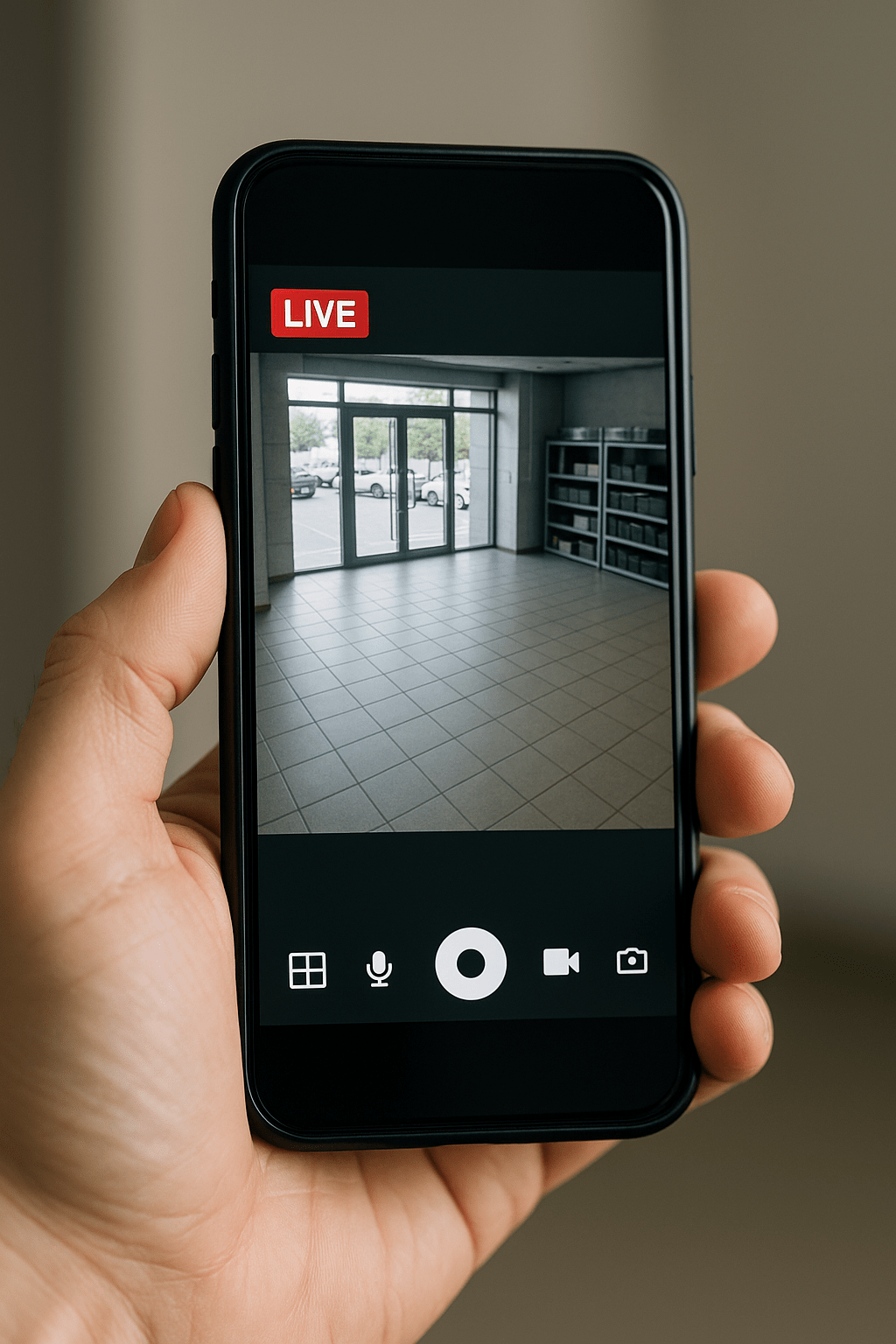
Secure cloud storage offers a convenient and reliable way to store and access your video footage. Cloud storage eliminates the need for on-site servers and provides redundancy against data loss due to theft, damage, or natural disasters. Ensure your cloud storage provider implements robust security measures, such as encryption and access controls, to protect your data from unauthorized access. Remote access capabilities allow you to view live and recorded video footage from anywhere with an internet connection. This enables you to monitor your business remotely, respond quickly to incidents, and manage your security system from anywhere.
Two-factor authentication (2FA) should be implemented for all remote access accounts to prevent unauthorized logins. Regular security audits and penetration testing can help identify and address potential vulnerabilities in your cloud storage and remote access infrastructure. Consider a hybrid approach, combining local storage for short-term retention with cloud storage for long-term archiving, to optimize cost and performance. Implement strict data retention policies to comply with privacy regulations and minimize storage costs.
Scalable Architecture for Future Expansion and Integration
A scalable CCTV system is essential for accommodating future growth and changing security needs. Choose a system that can easily be expanded with additional cameras and features without requiring a complete overhaul. Open architecture allows for seamless integration with other security systems, such as access control, alarm systems, and building management systems (BMS). Integration with access control can trigger video recording when a door is accessed, providing a comprehensive record of who entered and when. Integration with alarm systems can automatically send alerts to security personnel when an alarm is triggered, enabling a rapid response.
Consider a system that supports multiple locations, allowing you to manage security across all your business locations from a single platform. Ensure the system is compatible with different camera types and technologies, giving you the flexibility to choose the best cameras for your specific needs. Regular software updates and firmware upgrades are essential to ensure compatibility with new technologies and address security vulnerabilities. Plan for future expansion by choosing a system with sufficient capacity and flexibility. This will ensure that your CCTV system can continue to meet your security needs as your business grows and evolves. Commercial CCTV: System Design for Multi-Location Businesses is important for future expansion.
Structured Cabling and Power over Ethernet (PoE) for Reliability
Proper structured cabling is critical for ensuring the reliability and performance of your CCTV system. Structured cabling provides a standardized and organized approach to cabling, making it easier to install, maintain, and troubleshoot your system. Power over Ethernet (PoE) allows you to power your IP cameras over the same network cable that transmits data, simplifying installation and reducing the need for separate power outlets. High-quality cabling and connectors are essential for minimizing signal loss and ensuring optimal video quality.
Ensure the cabling is properly shielded to protect against electromagnetic interference (EMI). Proper grounding is also essential for preventing electrical surges and ensuring the safety of your equipment. Regular inspections and maintenance of the cabling infrastructure can help identify and address potential problems before they cause system failures. Structured Cabling for Business Security Camera Systems ensures your system is reliable. Using certified technicians for installation can ensure that the cabling meets industry standards and is properly installed. Consider using a cable management system to keep the cabling organized and prevent damage. The use of PoE+ can support higher-power cameras, enabling the use of advanced features such as pan-tilt-zoom (PTZ).
CCTV Solutions for Different GTA Business Types
Warehouse Security Cameras: Protecting Inventory and Assets
Warehouses require comprehensive security solutions to protect valuable inventory and assets. Strategically placed cameras throughout the warehouse can deter theft, vandalism, and other criminal activities. High-resolution cameras with wide-angle lenses can provide broad coverage of storage areas. Outdoor cameras with weatherproofing and infrared (IR) illumination can monitor loading docks and perimeter areas. Integrating the CCTV system with access control can prevent unauthorized access to restricted areas.
Consider using PTZ cameras to monitor large areas and zoom in on suspicious activity. Implementing video analytics, such as motion detection and object tracking, can alert you to potential threats. Regularly review video footage to identify security vulnerabilities and improve security protocols. For example, a Mississauga warehouse implemented a CCTV system with AI-powered object detection, resulting in a 30% reduction in inventory shrinkage. Proper lighting is critical for ensuring optimal video quality, especially at night. Implementing a robust visitor management system can also enhance security by tracking who enters and exits the warehouse. For more information on Warehouse Security, a consultation with a Commercial CCTV Mississauga expert will help.
Retail CCTV Systems: Deterring Shoplifting and Enhancing Customer Safety
Retail businesses face unique security challenges, including shoplifting, employee theft, and customer safety concerns. Visible cameras can deter shoplifting and other criminal activities. Strategically placed cameras near cash registers, entrances, and high-value merchandise displays can capture critical evidence. Implementing facial recognition technology can identify known shoplifters and prevent them from entering the store. Providing adequate lighting and clear signage can enhance visibility and deter crime.
Consider using dome cameras to provide discreet surveillance while maintaining a professional appearance. Integrating the CCTV system with point-of-sale (POS) systems can help detect employee theft and fraud. Regularly review video footage to identify security vulnerabilities and improve security protocols. Example: A Brampton clothing store installed a CCTV system with POS integration, resulting in a 25% reduction in employee theft. Training employees on security protocols and loss prevention techniques can also help reduce crime. A visible security presence, such as security guards, can also deter crime and enhance customer safety. Visible security is useful for Commercial CCTV in GTA Offices.
Office Security Cameras: Securing Entry Points and Sensitive Areas
Office security cameras protect entry points, sensitive areas, and valuable assets. Monitoring entrances, exits, and reception areas can deter unauthorized access and prevent theft. Implementing access control systems with integrated CCTV cameras can enhance security and track employee movements. Surveillance of server rooms, data centers, and other sensitive areas can prevent data breaches and other cybercrimes. Strategically placed cameras in common areas, such as hallways and break rooms, can deter workplace violence and harassment.
Consider using covert cameras in areas where discreet surveillance is necessary, such as employee break rooms. Implementing video analytics, such as motion detection and facial recognition, can alert you to potential threats. Regularly review video footage to identify security vulnerabilities and improve security protocols. For example, a Toronto law firm installed a CCTV system with access control integration, resulting in a 15% reduction in security breaches. Maintaining employee privacy is crucial, so implement clear policies regarding video surveillance and ensure compliance with privacy regulations. Using digital watermarks and tamper-proof video recording can help ensure the integrity of video evidence.
Manufacturing Plant Surveillance: Monitoring Production and Preventing Accidents
Manufacturing plants require robust surveillance solutions to monitor production processes, prevent accidents, and protect valuable equipment and materials. Strategically placed cameras throughout the production floor can monitor employee performance and ensure quality control. Monitoring loading docks and perimeter areas can prevent theft and vandalism. Implementing video analytics, such as object detection and motion tracking, can alert you to potential safety hazards.
Consider using explosion-proof cameras in areas with flammable materials or hazardous conditions. Integrating the CCTV system with alarm systems can automatically shut down machinery in the event of an emergency. Regularly review video footage to identify safety violations and improve safety protocols. Example: A Guelph manufacturing plant installed a CCTV system with AI-powered accident detection, resulting in a 40% reduction in workplace accidents. Regular safety training and equipment maintenance are essential for preventing accidents and ensuring a safe working environment. Maintaining a clear line of sight for all cameras is crucial for optimal video quality and accurate data analysis.
The Importance of Professional CCTV Installation and Maintenance in Mississauga
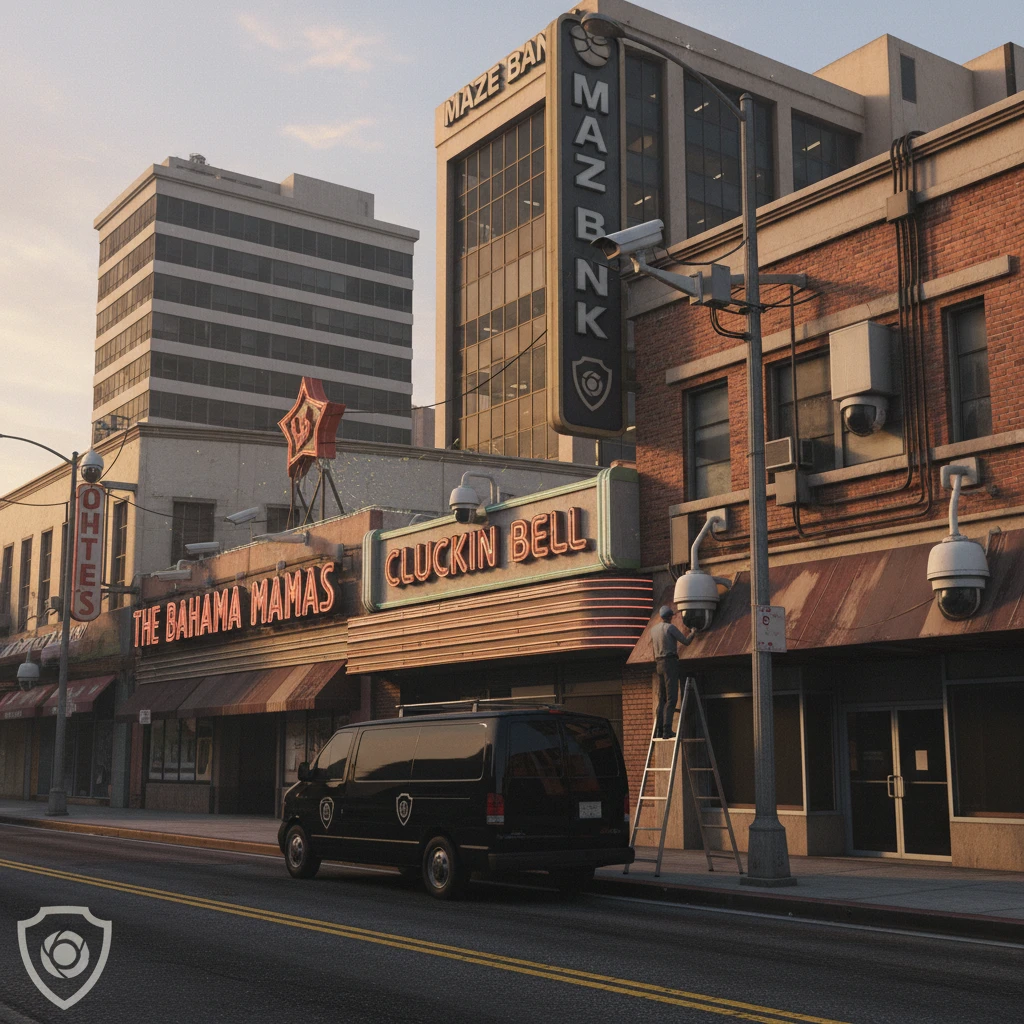
While purchasing quality security cameras is crucial, professional installation and ongoing maintenance are equally vital for ensuring your CCTV system functions optimally and provides reliable protection for your Mississauga business. Skimping on these aspects can lead to blind spots, system failures, and ultimately, compromised security. Investing in professional services ensures proper camera placement, secure cabling, and consistent system upkeep, minimizing vulnerabilities and maximizing the return on your security investment.
Ensuring Optimal Camera Placement and Coverage
Strategic camera placement is paramount to effective surveillance. A professional installer will conduct a thorough site survey to identify potential vulnerabilities and blind spots. They’ll consider factors like lighting conditions, pedestrian traffic patterns, and potential entry points to determine the ideal locations for each camera. Proper placement minimizes obstructions and maximizes the field of view, ensuring comprehensive coverage of critical areas. Furthermore, they can advise on the correct camera type for each location. For example, a wide-angle lens might be suitable for covering a large parking lot, while a varifocal lens offers flexibility in adjusting the zoom and focus for specific areas, such as a cash register. This expert assessment is something a DIY approach often misses, leading to gaps in surveillance.
Proper Cabling and Network Configuration
The physical infrastructure of your CCTV system – the cabling and network configuration – is just as important as the cameras themselves. Poorly installed cabling can lead to signal degradation, intermittent outages, and ultimately, system failure. A professional installer will use high-quality cabling (e.g., Cat6) and follow industry best practices for installation, ensuring a reliable and secure connection between cameras and the recording system. This includes proper termination, cable management, and protection from environmental factors. Furthermore, a professional will configure the network settings to optimize bandwidth usage and prevent conflicts with other devices on the network. A secure network is also crucial to prevent unauthorized access to your CCTV footage. For structured cabling services for your business security camera systems in Mississauga, consider a provider experienced in commercial installations. Structured cabling reduces downtime and keeps your system reliable.
Regular System Maintenance and Updates
CCTV systems, like any technology, require regular maintenance to ensure optimal performance. This includes checking camera focus and alignment, cleaning lenses, verifying recording functionality, and updating firmware. Firmware updates often include security patches that protect against vulnerabilities. A professional maintenance service can identify and address potential problems before they escalate into costly repairs or system failures. They can also provide ongoing support and training to ensure that your staff is familiar with the system’s operation and features. Neglecting maintenance can significantly shorten the lifespan of your equipment and compromise the effectiveness of your security system. Regular maintenance is particularly important in environments with harsh conditions (e.g., manufacturing facilities, warehouses) where dust, dirt, and extreme temperatures can impact camera performance.
Remote Video Monitoring: 24/7 Protection for Your GTA Business
Remote video monitoring provides an added layer of security by enabling real-time surveillance of your business premises, even when you’re not on-site. This proactive approach can deter crime, facilitate rapid response to incidents, and provide valuable evidence in the event of a security breach. When properly implemented, remote monitoring can also offer a more cost-effective alternative to traditional on-site security guards, especially for businesses operating outside of standard business hours. Choosing a provider that specializes in business security cameras and remote monitoring ensures a deeper understanding of your needs.
Real-Time Monitoring and Incident Response
Remote video monitoring services typically involve a team of trained security professionals who actively monitor your CCTV feeds around the clock. When suspicious activity is detected, they can immediately assess the situation, dispatch law enforcement or private security personnel, and provide real-time updates to you or your designated contacts. This rapid response capability can significantly minimize the impact of a security incident, preventing theft, vandalism, or other criminal activities. For example, if a monitor observes someone attempting to break into your warehouse after hours, they can immediately contact the police and provide them with detailed information about the suspect’s location and activities. Real-time monitoring offers a level of responsiveness that passive CCTV systems simply cannot provide.
Proactive Security Alerts and Notifications
Advanced remote video monitoring systems can be configured to send proactive security alerts and notifications based on pre-defined parameters. These parameters might include motion detection in restricted areas, unusual loitering, or after-hours access attempts. When an alert is triggered, you or your designated contacts will receive an immediate notification via email, SMS, or a dedicated mobile app, allowing you to quickly assess the situation and take appropriate action. This proactive approach enables you to stay informed about potential security threats and respond promptly, even when you’re not actively monitoring the CCTV feeds. The ability to customize alert settings ensures that you only receive notifications for events that are relevant to your business.
Cost-Effective Alternative to On-Site Security Guards
While on-site security guards can provide a valuable deterrent, they can also be a significant expense, especially for businesses that require 24/7 coverage. Remote video monitoring offers a cost-effective alternative that can provide similar levels of security at a fraction of the cost. With remote monitoring, you only pay for the services you need, and you avoid the costs associated with hiring, training, and managing security personnel. Furthermore, remote monitoring can be scaled up or down as needed to meet changing security requirements. For example, you might increase the level of monitoring during periods of increased risk, such as holidays or weekends. By strategically combining remote video monitoring with other security measures, such as alarm systems and access control, you can create a comprehensive and cost-effective security solution.
Alternatives to Commercial CCTV (and When to Choose Them)
While commercial CCTV systems are a cornerstone of business security, they aren’t always the only – or best – solution for every situation. Other security measures, like burglar alarms, access control systems, and even security guards, can complement CCTV or, in some cases, provide a more suitable alternative. The ideal approach depends on your specific needs, budget, and risk profile. Understanding the strengths and weaknesses of each option is crucial for making informed security decisions.
Burglar Alarms and Intrusion Detection Systems
Burglar alarms and intrusion detection systems are designed to detect unauthorized entry into your business premises. These systems typically consist of door and window sensors, motion detectors, and a control panel that monitors the status of these sensors. When a breach is detected, the alarm system will trigger an audible siren and notify a central monitoring station, which can then dispatch law enforcement or private security personnel. While burglar alarms are effective at detecting intrusions, they don’t provide the visual verification that CCTV systems offer. Therefore, they are often used in conjunction with CCTV to provide a more comprehensive security solution. For instance, an alarm might trigger a specific camera to record footage of the affected area, providing valuable evidence for investigators. Situations where a basic alarm is sufficient may include small storage areas with limited access points, but for larger or higher-risk areas, a combination of CCTV and alarm systems is typically recommended.
Access Control Systems (Keypads, Card Readers, Biometrics)
Access control systems restrict access to your business premises to authorized personnel only. These systems can range from simple keypads to more sophisticated card readers or biometric scanners. Keypads require users to enter a code to gain access, while card readers use proximity cards or fobs. Biometric scanners use unique physical characteristics, such as fingerprints or facial features, to verify identity. Access control systems can be used to secure individual doors or entire buildings. They provide a valuable layer of security by preventing unauthorized entry and tracking who enters and exits your premises. They are particularly useful in sensitive areas, such as server rooms or financial departments. Integrating access control with CCTV allows you to visually verify the identity of individuals entering restricted areas and to review access logs in the event of a security breach. For example, if an employee’s access card is used outside of normal business hours, the CCTV system can automatically flag the event for review.
Security Guards and Patrol Services
Security guards and patrol services provide a physical presence that can deter crime and provide a rapid response to security incidents. Security guards can be stationed at entrances, patrol the premises, and respond to alarms or other security alerts. Patrol services involve regular checks of your property by security personnel in marked vehicles. Security guards can be particularly effective in high-risk environments, such as retail stores or construction sites, where they can actively monitor activity and intervene in the event of a crime. Patrol services can provide a cost-effective way to deter crime and ensure the security of your property outside of normal business hours. However, security guards and patrol services can be expensive, especially for businesses that require 24/7 coverage. In many cases, a combination of CCTV and remote video monitoring can provide a more cost-effective and efficient solution. For visible security in offices and other high-traffic areas, guards can deter crime, especially when combined with CCTV to ensure coverage. Visible security, either human or camera-based, can be very effective.
Understanding the ROI of Investing in a Commercial CCTV System
Investing in a commercial CCTV system represents a significant financial commitment. To justify this investment, it’s essential to understand the return on investment (ROI) that the system can provide. ROI extends beyond simply preventing theft; it encompasses improved operational efficiency, reduced liability, and lower insurance premiums. By quantifying these benefits, you can make a compelling case for investing in a comprehensive security solution. The process begins with a thorough assessment of the potential costs associated with security breaches and inefficiencies.
Calculating the Cost of Theft and Vandalism
The direct costs of theft and vandalism are relatively straightforward to calculate. These costs include the value of stolen goods, the cost of repairing damaged property, and any associated insurance deductibles. However, it’s also important to consider the indirect costs, such as lost productivity, increased security expenses, and damage to your company’s reputation. For example, if your warehouse is broken into and inventory is stolen, you’ll not only lose the value of the stolen goods but also the time and resources required to replace them, disrupting your supply chain and potentially impacting customer satisfaction. Similarly, if your business is vandalized, the cost of repairs may be relatively minor, but the negative publicity can damage your brand and deter customers. Accurately estimating both direct and indirect costs provides a realistic picture of the financial impact of theft and vandalism and highlights the potential savings from a well-designed CCTV system.
Quantifying the Benefits of Improved Operational Efficiency
CCTV systems can also contribute to improved operational efficiency by providing valuable insights into your business processes. By monitoring employee activity, you can identify bottlenecks, optimize workflows, and improve productivity. For example, if you notice that employees are spending excessive time in certain areas of your warehouse, you can investigate the cause and implement changes to improve efficiency. CCTV can also be used to monitor production lines, identify quality control issues, and prevent accidents. Furthermore, the footage can be used for training purposes, allowing you to demonstrate best practices and reinforce safety procedures. Quantifying these benefits can be challenging, but it’s important to consider the potential impact on your bottom line. A system designed to improve operational visibility often pays for itself quickly.
Reducing Insurance Premiums with Enhanced Security Measures
Many insurance companies offer discounts on premiums for businesses that implement enhanced security measures, such as CCTV systems. These discounts reflect the reduced risk of theft, vandalism, and other security incidents. The amount of the discount will vary depending on the type of business, the location, and the specific features of the CCTV system. For example, a business with a monitored CCTV system and access control may qualify for a larger discount than a business with a basic CCTV system. Contacting your insurance provider and inquiring about potential discounts is a worthwhile exercise. Be prepared to provide details about your CCTV system, including the number of cameras, the resolution, the recording capabilities, and whether it is professionally monitored. The savings on insurance premiums can significantly offset the cost of the CCTV system, further enhancing its ROI. Example: A dealership reduced its annual insurance premium by $3,000 after installing a comprehensive CCTV system with license plate recognition (LPR) capabilities.
Compliance and Best Practices for CCTV Surveillance in Ontario
Privacy Regulations and Employee Notification
Operating a commercial CCTV system in Ontario requires strict adherence to privacy laws, primarily the Personal Information Protection and Electronic Documents Act (PIPEDA) and, where applicable, provincial legislation. Businesses must inform employees and visitors about the surveillance. This means clearly posting visible signage at all entry points and in areas where cameras are active. The signage should explicitly state that video surveillance is in progress, the purpose of the surveillance (e.g., security, loss prevention, operational oversight), and contact information for inquiries. Beyond signage, consider providing employees with a detailed policy outlining how CCTV data is collected, used, stored, and protected. Transparency builds trust and minimizes legal risks. Failure to comply can result in significant fines and reputational damage.
When implementing a system, think about placement. Are you covering more than you need to? For example, avoid positioning cameras to capture images of public spaces unless there’s a compelling and justifiable reason. Regularly review camera angles to ensure they are still aligned with the stated purpose. Furthermore, be prepared to respond to employee requests to view footage that concerns them, balancing their rights with legitimate business interests.
Data Retention Policies and Security Protocols
A well-defined data retention policy is crucial. Determine how long footage will be stored based on business needs and legal requirements. In most cases, 30 to 90 days is a reasonable timeframe, but specific industries may have different requirements. After the retention period expires, ensure that footage is securely and permanently deleted. Overly long retention periods can increase liability and storage costs. Data security is another critical aspect. Access to CCTV footage should be restricted to authorized personnel only, using strong passwords and multi-factor authentication. Implement encryption for both stored and transmitted video data to protect against unauthorized access and cyber threats. Regularly audit access logs to identify and address any suspicious activity. Consider using a reputable structured cabling and PoE (Power over Ethernet) infrastructure to ensure a reliable and secure network for your CCTV system.
Example: A Mississauga warehouse implemented a 60-day retention policy. After 60 days, footage is automatically overwritten. Only the operations manager and security supervisor have access to the live feeds and recorded footage, using unique, complex passwords managed through a password manager. This limits potential internal risks while allowing sufficient time to review footage if an incident occurs.
Choosing the Right CCTV Provider in the GTA: Questions to Ask
Experience and Expertise in Commercial Security
Selecting a CCTV provider isn’t just about finding the cheapest option; it’s about partnering with a company that understands the unique security challenges of your business. Inquire about their years of experience specifically in commercial security installations. Ask for examples of similar projects they’ve completed, especially within your industry (e.g., warehouse, retail, office). A provider experienced in designing and implementing CCTV systems for multi-location businesses will be better equipped to handle complex installations and scalability requirements. Verify their technicians are properly licensed and certified. A reputable provider should also be knowledgeable about the latest security technologies and trends, such as AI-powered analytics and cloud-based video management systems.
Service and Support Options
Comprehensive service and support are essential for maintaining the long-term effectiveness of your CCTV system. Inquire about their service level agreements (SLAs), outlining response times for technical issues and on-site support. Do they offer remote monitoring services? What is their process for handling emergency repairs? Ask about their preventative maintenance program, including regular system checks and firmware updates. A provider that offers 24/7 technical support can provide peace of mind knowing that assistance is available whenever needed. Also, clarify the warranty coverage for both hardware and labor.
References and Case Studies
Don’t hesitate to ask for references from existing clients. Contact these references to inquire about their experience with the provider, including the quality of the installation, the responsiveness of their support team, and the overall satisfaction with the system’s performance. Request case studies showcasing successful CCTV implementations in similar business environments. These case studies can provide valuable insights into the provider’s capabilities and their ability to deliver tangible security benefits. For example, a case study might detail how a CCTV system helped a dealership reduce theft and vandalism or how it improved operational efficiency in a manufacturing facility.
Upgrading Your Existing CCTV System: A 2026 Retrofit Checklist
Assessing Your Current Security Needs and Gaps
Before upgrading your CCTV system, conduct a thorough assessment of your current security posture. Identify any existing vulnerabilities and blind spots. Are there areas that are not adequately covered by cameras? Is the image quality sufficient for identification purposes? Has your business operations changed, introducing new security risks? Consider factors such as employee theft, external intrusions, and compliance requirements. A professional security assessment can help you identify the most critical areas to focus on during the upgrade. Furthermore, review incident reports and security logs to identify patterns and trends that may indicate specific areas of concern.
Selecting Compatible Cameras and Equipment
When choosing new cameras and equipment, ensure compatibility with your existing infrastructure whenever possible. Consider factors such as resolution, lens type, night vision capabilities, and weather resistance. IP cameras offer superior image quality and advanced features compared to analog cameras, but they require a compatible network infrastructure. Assess your bandwidth capacity and storage requirements to ensure they can handle the increased data volume. Look for cameras with open standards and protocols to facilitate integration with other security systems, such as access control and alarm systems. A seamless integration between your business security cameras and other systems streamlines operations and enhances security. Be certain to align your new equipment with the evolving needs of the business.
Ensuring Seamless Integration with Existing Infrastructure
A successful CCTV upgrade requires careful planning and execution to ensure seamless integration with your existing infrastructure. Before starting the installation, create a detailed network diagram showing the location of all cameras, network switches, and recording devices. Ensure that your network infrastructure is properly configured to support the new cameras and equipment. Consider using PoE switches to simplify cabling and power management. Thoroughly test the upgraded system to ensure that all cameras are functioning properly and that the video footage is being recorded and stored correctly. Provide training to your staff on how to use the new system and its features. A phased rollout can minimize disruption to your business operations. For optimal performance, the upgraded system should also be compatible with operational visibility solutions, providing real-time insights into your business operations.
In conclusion, maintaining compliance, choosing the right provider, and planning a strategic upgrade are key to maximizing the value of your commercial CCTV system. By prioritizing these elements, GTA businesses can create a robust and effective security solution that protects their assets and ensures a safe environment.