In the bustling economic landscape of the Greater Toronto Area (GTA), businesses face a constant need to protect their assets, employees, and reputation. As property crime trends evolve, a visible and robust security presence becomes paramount. Commercial CCTV systems offer a powerful solution, providing both a deterrent to criminal activity and valuable evidence in the event of an incident.
This guide explores the critical aspects of commercial CCTV systems for GTA offices, from understanding the latest technologies to optimizing system design and ensuring professional installation. Investing in a well-designed and professionally installed CCTV system is an investment in your peace of mind and your company’s future.
Protecting Your Bottom Line: Why Visible Security Matters for GTA Businesses in 2026
The Increasing Threat of Property Crime in the GTA
While overall crime statistics can fluctuate, specific types of property crime continue to pose a significant threat to businesses in the GTA. Break-ins, vandalism, and theft not only result in direct financial losses but also disrupt operations, damage morale, and increase insurance premiums. Businesses operating in Mississauga, Brampton, and other GTA municipalities must remain vigilant and proactively address these risks. Regular review of police statistics for your specific area can help understand current crime trends. The rising cost of living can also contribute to property crime, highlighting the need for robust security measures to protect businesses from potential losses. Implementing visible security measures can deter potential criminals and provide valuable evidence if a crime does occur.
How Visible Security Acts as a Powerful Deterrent
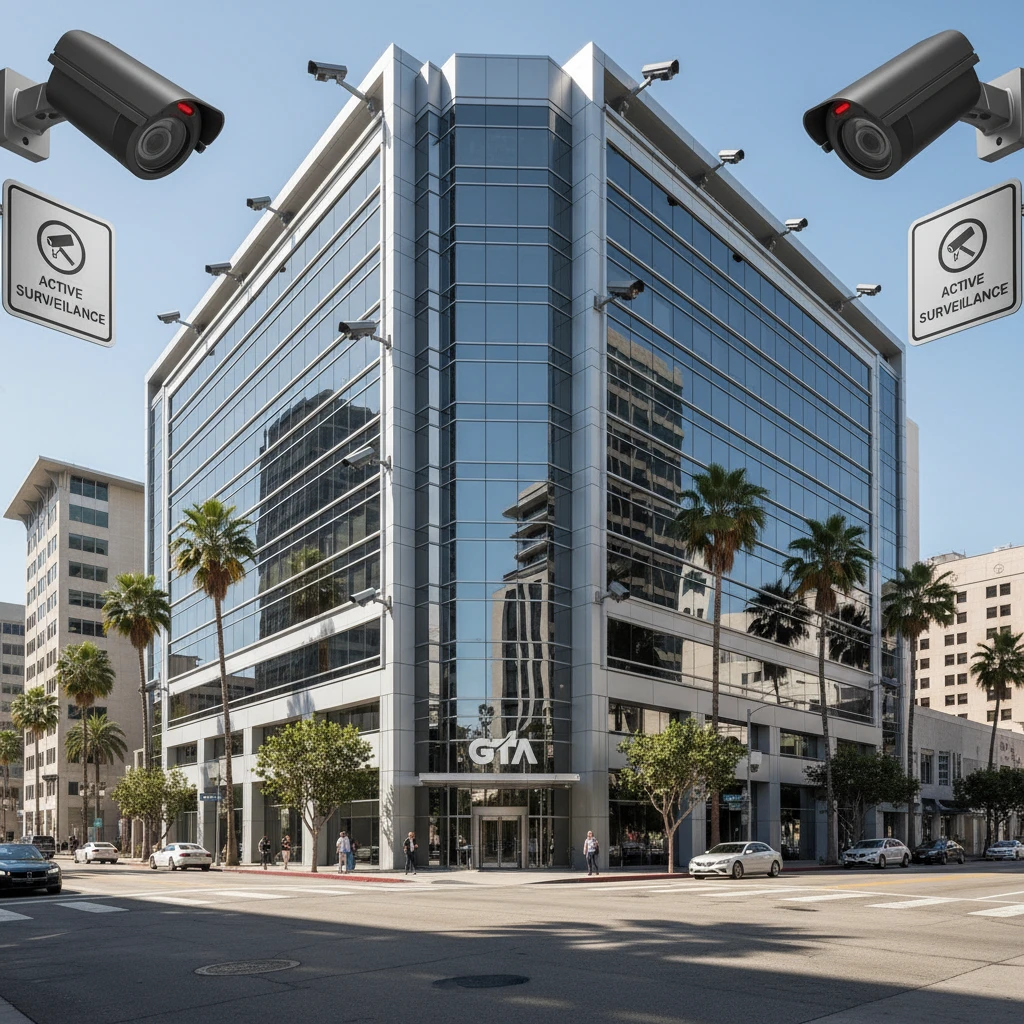
The mere presence of visible CCTV cameras can significantly deter criminal activity. Potential intruders are less likely to target a property where they know their actions are being recorded. Strategically placed cameras, coupled with visible signage indicating surveillance, create a strong psychological deterrent. This is particularly effective in areas prone to theft or vandalism, such as loading docks, parking lots, and building entrances. Furthermore, visible security measures can deter internal theft and misconduct, fostering a culture of accountability and transparency within the workplace. Investing in a professional CCTV installation is a tangible commitment to security, reassuring employees and customers alike.
The ROI of Investing in a Commercial CCTV System
The return on investment (ROI) of a commercial CCTV system extends beyond simply preventing crime. While deterring theft and vandalism saves money directly, CCTV systems can also reduce liability risks, improve operational efficiency, and lower insurance costs. For example, clear video evidence can help resolve disputes, exonerate the company from false claims, and provide valuable insights into workplace accidents. The ability to remotely monitor operations can also improve productivity and ensure compliance with safety regulations. Moreover, many insurance providers offer discounts for businesses that have implemented comprehensive security measures, including CCTV systems. A well-designed and maintained Commercial CCTV system in Mississauga and throughout the GTA offers a tangible ROI that justifies the initial investment.
Understanding Commercial CCTV Camera Systems: Key Components & Features

Types of Cameras: Bullet, Dome, PTZ, and Specialty Cameras
Choosing the right type of camera is crucial for optimal security coverage. Bullet cameras, known for their cylindrical shape, are highly visible and ideal for deterring crime. Dome cameras are more discreet and offer a wider field of view, making them suitable for indoor and outdoor use. PTZ (Pan-Tilt-Zoom) cameras allow for remote control of the camera’s direction and zoom, providing comprehensive coverage of large areas. Specialty cameras, such as license plate recognition (LPR) cameras, are designed for specific tasks, such as monitoring vehicle access. Selecting the appropriate camera type depends on the specific needs of your business and the areas you need to monitor. Consider factors such as lighting conditions, viewing angles, and the level of detail required when making your decision.
Resolution and Image Quality: Choosing the Right Clarity for Your Needs
Resolution, measured in pixels, determines the clarity and detail of the recorded video. Higher resolution cameras, such as 4K, provide sharper images and allow for greater zoom capabilities without significant loss of detail. This is crucial for identifying individuals, reading license plates, and capturing fine details. However, higher resolution also requires more storage space and bandwidth. For general surveillance, 1080p resolution may be sufficient. However, for areas where detail is critical, such as entrances and cash registers, investing in higher resolution cameras is recommended. Carefully assess your needs and choose a resolution that balances image quality with storage and bandwidth requirements.
Night Vision Capabilities: IR vs. Starlight Technology
Effective night vision is essential for 24/7 security coverage. Infrared (IR) technology uses infrared LEDs to illuminate the scene in low-light conditions. IR cameras are effective, but the range is limited, and the image is typically black and white. Starlight technology, on the other hand, uses advanced sensors and image processing to capture color images in extremely low-light conditions, without the need for IR illumination. This allows for better identification and situational awareness. Starlight cameras are particularly useful in areas where ambient light is present, such as streetlights or parking lot lights. When selecting cameras for outdoor use or areas with limited lighting, consider the advantages of Starlight technology for superior night vision performance. For dealerships needing commercial CCTV, starlight cameras are particularly useful due to often limited lighting.
Recording Options: DVR vs. NVR Systems
DVR (Digital Video Recorder) and NVR (Network Video Recorder) systems are the two primary options for recording video footage from CCTV cameras. DVR systems typically use analog cameras, while NVR systems use IP (Internet Protocol) cameras. NVR systems offer greater flexibility and scalability, as they connect to cameras over a network. This allows for easier expansion and remote access. NVR systems also support higher resolution cameras and more advanced features. DVR systems are generally more cost-effective for smaller installations with fewer cameras. However, for larger and more complex systems, NVR systems offer superior performance and flexibility. Choosing between DVR and NVR depends on the size of your business, the number of cameras you need, and your budget.
Commercial CCTV in Mississauga, Brampton & Beyond: Coverage Area Considerations
Designing a System for Optimal Coverage of Your Property
Effective CCTV system design involves careful consideration of the property layout, potential vulnerabilities, and the specific security objectives. A comprehensive site survey is essential to identify key areas that require coverage, such as entrances, exits, loading docks, parking areas, and storage rooms. Camera placement should be strategic, ensuring optimal viewing angles and minimizing blind spots. Consider factors such as lighting conditions, potential obstructions, and the distance to the target area. A well-designed system will provide complete coverage of the property, deterring crime and providing valuable evidence in the event of an incident. Proper planning during the design phase is critical to ensure the system meets your specific security needs.
Addressing Blind Spots and Vulnerable Areas
Every property has blind spots and vulnerable areas that require special attention. These areas may include corners, alleys, areas obscured by trees or bushes, and poorly lit areas. Identify these vulnerabilities during the site survey and implement strategies to address them. This may involve adding additional cameras, using wider-angle lenses, or installing motion-activated lighting. Ensure that all entrances and exits are clearly visible and that there are no areas where intruders can hide. Regularly review your CCTV footage to identify any potential blind spots and adjust camera positions as needed. Addressing these vulnerabilities is crucial to maximizing the effectiveness of your CCTV system.
Integrating with Existing Security Measures (Alarm Systems, Access Control)
Integrating your CCTV system with other security measures, such as alarm systems and access control systems, can create a comprehensive and layered security solution. For example, when an alarm is triggered, the CCTV system can automatically record video of the affected area, providing valuable context for security personnel. Access control systems can be integrated with CCTV to monitor who is entering and exiting the building, providing an audit trail of activity. This integration enhances security and streamlines operations, allowing for a more coordinated response to security threats. Consider integrating your CCTV system with other security measures to create a more robust and effective security posture. Investing in CCTV system upgrades can ensure compatibility with new and existing security infrastructure.
The Benefits of Professional CCTV Installation for GTA Offices
Structured Cabling and Power over Ethernet (PoE) Advantages
Professional CCTV installation includes structured cabling, which ensures a reliable and organized network infrastructure for your security system. Structured cabling involves using high-quality cables and connectors, properly terminated and labeled, to provide a robust and scalable network. Power over Ethernet (PoE) technology allows cameras to receive both power and data over a single Ethernet cable, simplifying installation and reducing costs. PoE eliminates the need for separate power outlets for each camera, making it easier to install cameras in hard-to-reach locations. Structured cabling and PoE offer significant advantages in terms of reliability, scalability, and cost-effectiveness.
Ensuring Optimal Camera Placement and Angles
Professional installers have the expertise to determine the optimal camera placement and angles for maximum coverage. They consider factors such as lighting conditions, viewing angles, potential obstructions, and the specific security objectives. Proper camera placement ensures that you capture the most critical areas and minimize blind spots. Professional installers also use specialized tools and techniques to ensure that cameras are securely mounted and properly aligned. Incorrect camera placement can significantly reduce the effectiveness of your CCTV system, so it is important to rely on the expertise of a professional installer.
Proper System Configuration and Integration
Configuring a CCTV system involves setting up recording schedules, motion detection zones, remote access, and other advanced features. Professional installers have the knowledge and experience to properly configure your system to meet your specific needs. They can also integrate the CCTV system with other security measures, such as alarm systems and access control systems, to create a comprehensive security solution. Proper system configuration ensures that your CCTV system is functioning optimally and providing the highest level of security. Incorrect configuration can leave your business vulnerable to security threats. This service ensures the system is set up for current requirements but also with a plan for future scalability, as covered on the scalable systems page.
Remote Video Monitoring & Mobile Viewing: Staying Connected to Your Security
Real-Time Monitoring and Alert Notifications
Modern commercial CCTV systems offer more than just recording; they provide real-time monitoring capabilities and instant alert notifications. This means you can keep an eye on your GTA business premises, even when you’re not physically present. Motion detection, line crossing detection, and object recognition are just a few of the advanced analytics that can trigger alerts. For instance, if someone enters a restricted area in your warehouse after hours, the system can send an immediate notification to your security team or directly to your mobile device. When choosing a system, inquire about the customization options for alerts: Can you set specific zones for motion detection? Are the alerts time-sensitive to reduce false alarms during business hours? Systems with AI-powered analytics can even distinguish between people, vehicles, and animals, drastically reducing false positives.
Accessing Live Feeds and Playback from Anywhere
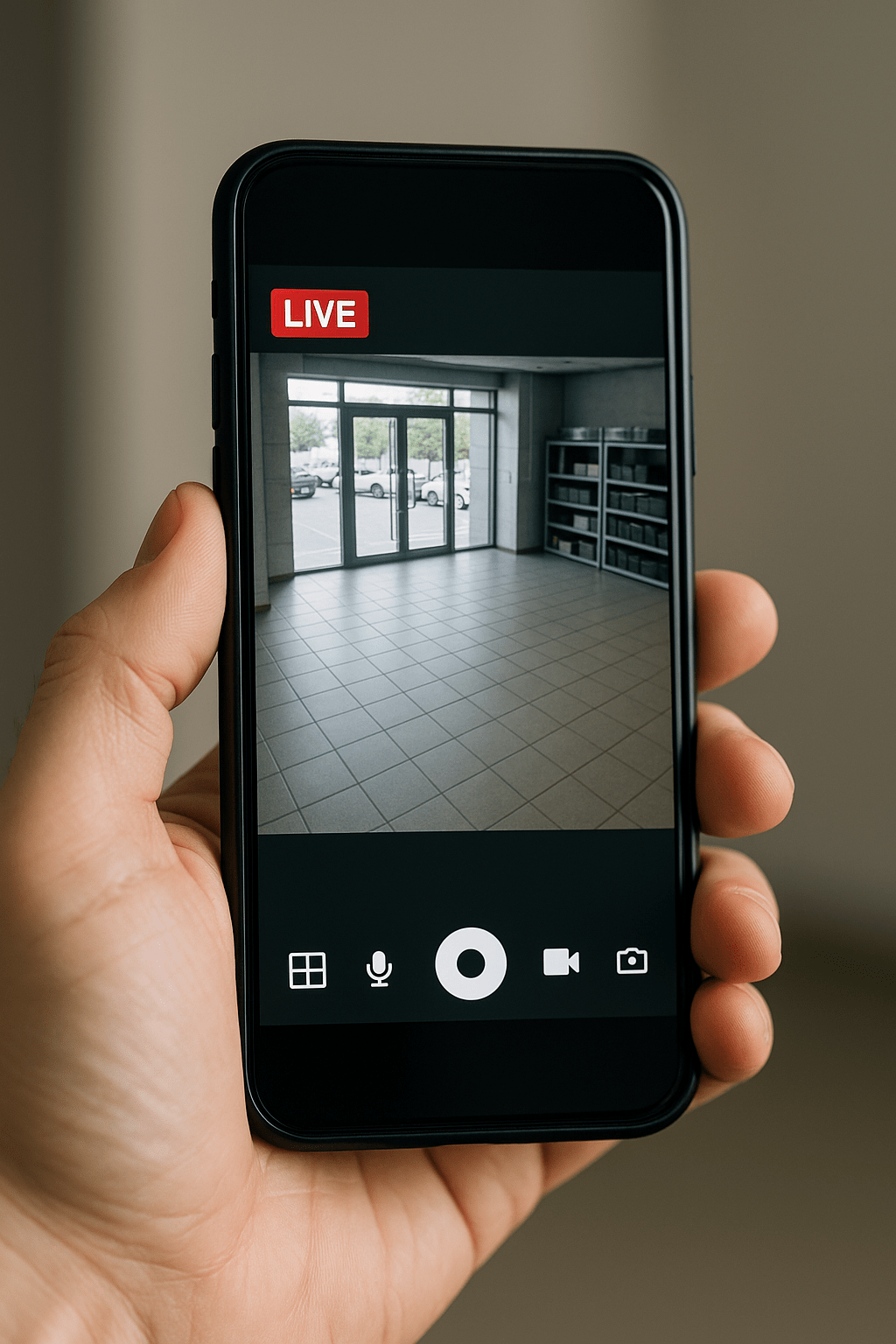
The ability to access live feeds and playback footage from anywhere is crucial for effective business security. This is typically achieved through a secure mobile app or web portal provided by the CCTV system vendor. Consider a scenario where a delivery driver claims they dropped off a package at your Mississauga office, but your receptionist can’t locate it. You can quickly access the CCTV system from your smartphone to review footage of the loading dock area around the time of the supposed delivery. When evaluating systems, prioritize user-friendliness and security. Look for features like multi-factor authentication to protect against unauthorized access. Also, check the video quality on mobile devices. Poor resolution or lag can hinder your ability to identify individuals or assess situations effectively. A system that integrates seamlessly with your existing IT infrastructure is also a key consideration. We provide business security cameras with remote viewing benefits to ensure you stay connected.
Enhancing Security with Proactive Monitoring Services
While self-monitoring is an option, engaging a professional monitoring service can significantly enhance your security posture. These services provide 24/7 surveillance of your CCTV feeds by trained security professionals who can respond to alarms and dispatch authorities if necessary. Proactive monitoring goes beyond simply reacting to events; it involves analyzing patterns of activity and identifying potential threats before they escalate. For example, if a monitoring agent notices someone loitering near your Brampton warehouse late at night, they can proactively contact the individual via a speaker system or dispatch security personnel to investigate. This level of intervention can deter crime and prevent losses. Consider the cost-benefit of a monitoring service. While it adds to your monthly expenses, it can be significantly cheaper than hiring full-time security guards, especially for businesses with multiple locations or large properties. The monitoring services can also often provide detailed reports to help with security improvements.
Scalable CCTV Solutions: Adapting to Your Growing Business Needs
Adding New Cameras and Locations Easily
A truly effective CCTV system design considers scalability from the outset. Your business in the GTA might start with a single office, but as you expand to multiple locations in Oakville or Milton, your security needs will evolve. The system should be able to accommodate new cameras and locations without requiring a complete overhaul. Cloud-based systems often offer superior scalability compared to traditional on-premise systems. They allow you to easily add new cameras and storage capacity without the need for expensive hardware upgrades. Before committing to a system, ask about the maximum number of cameras it can support and the process for adding new locations. Does the vendor offer a streamlined onboarding process for new sites? Can you manage all your cameras and locations from a single, centralized platform?
Integrating with Future Security Technologies
The security landscape is constantly evolving, with new technologies emerging all the time. Your CCTV system should be able to integrate with future security technologies such as AI-powered analytics, facial recognition, and advanced access control systems. Open-platform systems are generally more adaptable than proprietary systems. They allow you to integrate with a wider range of third-party devices and software. Before investing in a system, ask about its compatibility with other security technologies. Does it support industry-standard protocols? Does the vendor have a track record of integrating with new technologies as they emerge? Thinking about integration with existing systems is also important. For example, integrating your CCTV with your access control system can allow you to view video footage of anyone entering or exiting your premises.
Planning for Long-Term System Maintenance and Upgrades
A CCTV system is an investment that requires ongoing maintenance and occasional upgrades. Proper planning for long-term maintenance and upgrades is essential to ensure that your system remains effective and reliable. Develop a maintenance schedule that includes regular checks of camera functionality, image quality, and recording integrity. Consider factors such as camera cleaning, firmware updates, and hard drive health. Also, think about how you will handle software and hardware upgrades. Will the vendor provide ongoing support and maintenance services? Are there options for extended warranties or service contracts? A CCTV system upgrade might be required every 3-5 years, or sooner depending on your security needs and technological advancements. A well-maintained and upgraded system will provide better protection and a higher return on investment over the long term.
CCTV for Different GTA Industries: Office, Warehouse, Retail, & More
Office CCTV: Protecting Employees and Assets
In GTA offices, CCTV systems serve multiple purposes. They deter theft and vandalism, monitor employee activity, and provide evidence in the event of incidents like harassment or workplace accidents. Key areas to consider for camera placement include entrances, exits, reception areas, hallways, and server rooms. Dome cameras are often preferred for indoor use due to their discreet design, while bullet cameras can be used for outdoor entrances and parking areas. When designing your office CCTV system, prioritize employee privacy. Avoid placing cameras in restrooms or break rooms. Clearly communicate the presence of cameras to employees and explain the purpose of the surveillance. Consider implementing a policy that outlines how CCTV footage will be stored, accessed, and used. Our team designs commercial CCTV in Mississauga with privacy and security compliance in mind.
Warehouse CCTV: Inventory Control and Loss Prevention
Warehouses are particularly vulnerable to theft and inventory shrinkage. CCTV systems play a crucial role in inventory control and loss prevention by monitoring loading docks, storage areas, and shipping zones. High-resolution cameras with wide-angle lenses are essential for capturing detailed images of goods being moved and stored. Consider using PTZ (pan-tilt-zoom) cameras to allow security personnel to remotely monitor large areas and zoom in on suspicious activity. Advanced analytics, such as license plate recognition (LPR) and facial recognition, can further enhance warehouse security. LPR cameras can track vehicles entering and exiting the property, while facial recognition can identify unauthorized individuals attempting to access restricted areas. It’s critical to install cameras in areas with poor lighting to avoid blind spots. Invest in infrared cameras to ensure round-the-clock surveillance in challenging lighting conditions.
Retail CCTV: Preventing Shoplifting and Improving Customer Safety
For retail businesses in the GTA, CCTV systems are vital for preventing shoplifting, monitoring customer behavior, and improving overall safety. Cameras should be strategically placed to cover aisles, cash registers, entrances, and exits. Consider using covert cameras in areas where shoplifting is a concern. These cameras are disguised as everyday objects, such as smoke detectors or ceiling tiles, making them less noticeable to potential thieves. Implement a POS (point-of-sale) integration to link CCTV footage with transaction data. This allows you to quickly review video of specific transactions and identify discrepancies or fraudulent activities. Additionally, using visible cameras acts as a deterrent. Signage indicating CCTV surveillance can discourage theft and improve customer behavior.
Alternatives to Commercial CCTV: When Are They Suitable?
Security Guards: Pros and Cons Compared to CCTV
Security guards offer a human presence that CCTV systems cannot replicate. They can actively patrol your property, respond to incidents in real-time, and provide a visible deterrent to crime. However, security guards are also more expensive than CCTV systems and can be subject to human error or fatigue. Consider the specific needs of your business when deciding between security guards and CCTV. For high-risk locations or businesses that require a strong physical presence, security guards may be the better option. For businesses that need round-the-clock surveillance at a lower cost, CCTV systems may be more suitable. Hybrid solutions, combining security guards with CCTV surveillance, can offer the best of both worlds. The guards can monitor the CCTV feeds, respond to alarms, and provide a physical presence when needed. Evaluate CCTV for Mississauga locations based on cost and ROI factors compared to guards.
Alarm Systems: Detection vs. Deterrence
Alarm systems are designed to detect unauthorized entry or activity and alert authorities. They are typically less expensive than CCTV systems and can be effective at deterring burglars. However, alarm systems do not provide video evidence of events, which can be crucial for identifying perpetrators and recovering stolen property. Consider the specific threats facing your business when deciding between alarm systems and CCTV. For businesses that are primarily concerned with burglary or intrusion, an alarm system may be sufficient. For businesses that are also concerned with theft, vandalism, or workplace violence, a CCTV system is likely necessary. Remember that the best business security often consists of combining multiple systems.
Access Control Systems: Limiting Access and Tracking Entry
Access control systems are designed to restrict access to your property and track who enters and exits. They can be used to control access to buildings, offices, and restricted areas. Access control systems can be integrated with CCTV systems to provide a complete security solution. When someone uses their access card to enter a building, the CCTV system can record video of the event. This provides a record of who entered the building and when. Combining access control with CCTV provides detailed reports for investigations. This is especially important if you need to review events after an incident. Ensure that your access control system integrates with your CCTV system.
Meeting Compliance Requirements: Ensuring Legal and Ethical CCTV Use
Installing a commercial CCTV system isn’t just about security; it’s also about adhering to legal and ethical guidelines. Neglecting these aspects can lead to severe penalties and reputational damage. Understanding the legal landscape and implementing compliant practices are crucial for businesses in the GTA.
Privacy Laws and Regulations in Ontario
Ontario operates under a comprehensive set of privacy laws that directly impact CCTV usage. The *Personal Information Protection and Electronic Documents Act* (PIPEDA) governs how private sector organizations collect, use, and disclose personal information, including video footage. Businesses must obtain consent, usually through clear signage, before recording individuals. The footage must be used only for the purpose disclosed, typically security, and stored securely. For example, if you’re considering commercial CCTV in Mississauga, ensuring compliance with PIPEDA is paramount. A key pitfall is failing to inform employees that they are being recorded, which can create legal liabilities.
Proper Signage and Notification Requirements
Clear and conspicuous signage is non-negotiable. Signs should be placed at the entrances to areas under surveillance, informing individuals that they are being recorded. The signs must be easily visible and understandable, using clear language and recognizable symbols. A best practice is to include contact information for inquiries about the CCTV system. Failure to provide adequate notice can result in legal challenges and undermine the legitimacy of any evidence obtained. Regularly audit the placement and condition of your signage to ensure continued compliance, especially if you expand your CCTV system as your business grows.
Data Storage and Retention Policies
Establish a clear data storage and retention policy that aligns with legal requirements and business needs. Determine how long video footage will be stored, who has access to it, and how it will be disposed of securely. PIPEDA requires that personal information be retained only as long as necessary for the identified purposes. Implement strong security measures to protect the footage from unauthorized access or breaches. Document your data storage and retention policies and train employees on proper procedures. A common mistake is retaining footage indefinitely, which increases storage costs and potential liability. Consider implementing automated deletion schedules and access controls.
Choosing the Right CCTV Provider in the GTA: Questions to Ask
Selecting the right CCTV provider is critical for ensuring effective security and compliance. Not all providers are created equal, and careful due diligence is necessary. Focus on providers with a proven track record, relevant experience, and a commitment to customer satisfaction.
Experience and Expertise in Commercial Security
Prioritize providers with extensive experience in commercial security, specifically in the GTA. Ask about their experience with businesses similar to yours, their knowledge of local regulations, and their technical expertise. A provider specializing in residential security may not have the necessary expertise for complex commercial environments. Inquire about their team’s qualifications, certifications, and ongoing training. For example, if you operate a dealership, a provider experienced in commercial CCTV for dealerships will understand the specific security challenges you face, like inventory protection and customer safety.
References and Customer Testimonials
Request references from current or past clients and follow up with them to gather feedback. Ask about their experience with the provider’s installation quality, system reliability, customer support, and overall satisfaction. Look for testimonials that highlight the provider’s problem-solving abilities and responsiveness. A red flag is a provider unwilling to provide references or consistently negative reviews. Seek independent reviews and ratings online to get a broader perspective. Example: A manufacturing company in Brampton reported a 40% reduction in theft after implementing a CCTV system designed and installed by AYS Security. “Their expertise in warehouse security cameras was evident throughout the entire process,” stated the Operations Manager.
Warranty and Support Options
Understand the warranty coverage for the CCTV system and the provider’s support options. A comprehensive warranty should cover both hardware and labor for a reasonable period. Inquire about the provider’s response time for service requests and their availability for technical support. Consider providers offering remote monitoring and proactive maintenance services. A limited warranty or inadequate support can result in costly repairs and downtime. Ensure the provider has a local presence in the GTA for prompt on-site support if needed. A CCTV system upgrade should include a clear explanation of the new warranty terms.
Securing Your GTA Office with AYS Security: Your Trusted Partner
AYS Security is dedicated to providing comprehensive and reliable commercial CCTV solutions for businesses in the Greater Toronto Area. With our expertise and commitment to customer satisfaction, we can help you protect your assets, mitigate risks, and enhance operational efficiency.
Our Proven Track Record in Commercial CCTV Installation
We have a long-standing track record of successful CCTV installations across various industries in the GTA, including warehouses, manufacturing facilities, retail stores, and offices. Our team of experienced technicians ensures that every system is installed to the highest standards, using quality components and best practices. We understand the unique security challenges faced by businesses in the region and tailor our solutions accordingly. Our work extends beyond initial install; we also focus on structured cabling and Power over Ethernet (PoE) to ensure reliability. Example: We recently completed a large-scale installation for a multi-location retail chain, resulting in a 60% decrease in shoplifting incidents across all locations.
Customized Solutions Tailored to Your Specific Needs
We recognize that every business has unique security requirements. That’s why we offer customized CCTV solutions tailored to your specific needs and budget. Our security experts will conduct a thorough assessment of your property, identify potential vulnerabilities, and recommend the most appropriate system configuration. We consider factors such as camera placement, lighting conditions, recording resolution, and storage capacity. Whether you need a basic surveillance system or a complex, integrated solution, we have the expertise to deliver the results you need. Our goal is to provide expert security system design for your specific circumstances.
Contact Us Today for a Free Security Consultation
Ready to enhance the security of your GTA office? Contact AYS Security today for a free security consultation. Our experts will assess your needs, answer your questions, and provide a customized proposal. We are committed to providing exceptional service and delivering security solutions that exceed your expectations. Invest in peace of mind and protect your business with AYS Security.
By prioritizing compliance, choosing the right provider, and partnering with a trusted security firm like AYS Security, businesses across the GTA can leverage the power of commercial CCTV to create safer and more secure environments for their employees and assets.