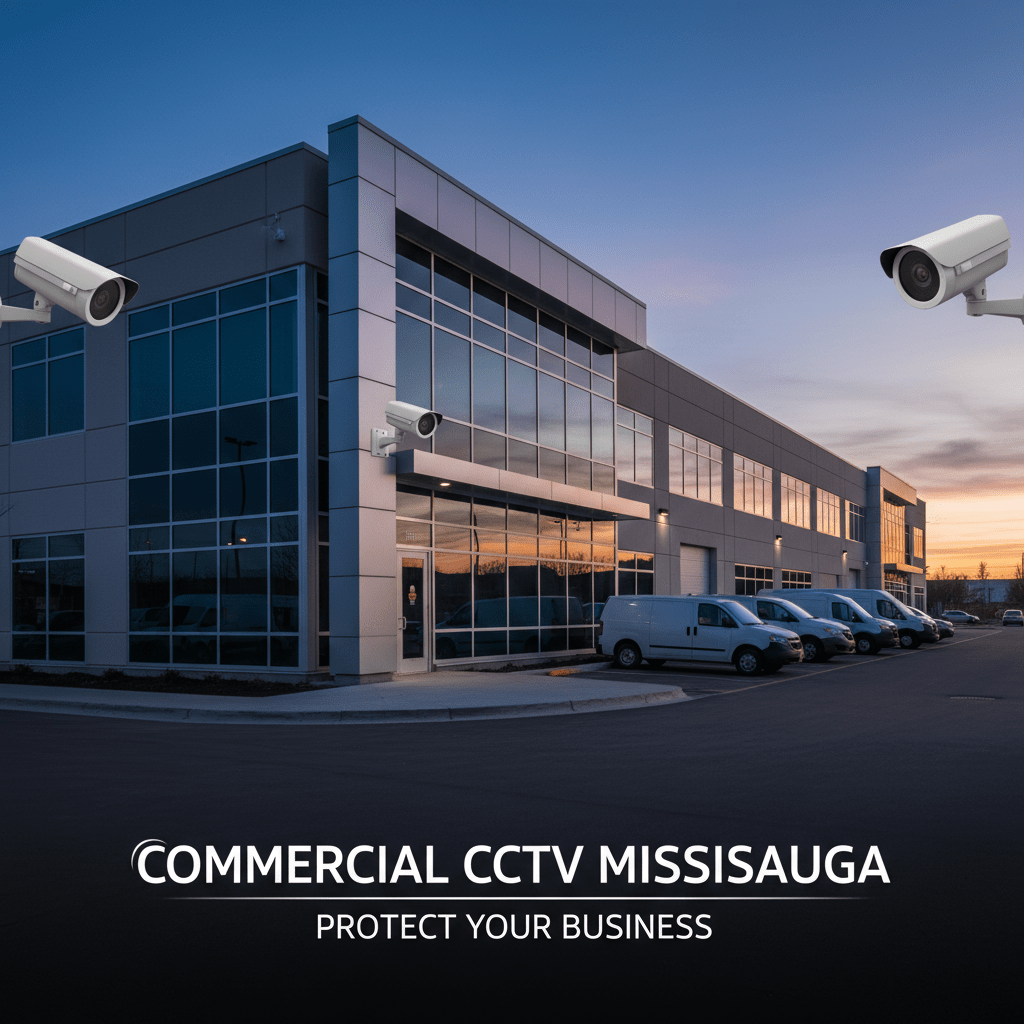
In today’s dynamic business climate, security threats are constantly evolving. For Mississauga businesses, a robust security strategy is no longer optional—it’s essential for protecting assets, employees, and your bottom line. Commercial CCTV systems provide a powerful and versatile solution to address these challenges head-on.
This guide explores the critical role of commercial CCTV systems in safeguarding your Mississauga-based business. We’ll delve into the benefits of proactive security, essential features to consider, and how to choose the right system to meet your unique operational needs.
Is Your Mississauga Business Truly Secure? CCTV Solutions for 2026 and Beyond
Understanding the Evolving Security Landscape in Mississauga
Mississauga’s business environment is vibrant, but it also presents security challenges. Increased urbanization and economic activity can, unfortunately, lead to higher risks of theft, vandalism, and other criminal activities. Furthermore, businesses face internal security risks related to employee misconduct, data breaches, and operational inefficiencies. Staying ahead requires a comprehensive understanding of these evolving threats and deploying security measures that adapt to them. Regular security audits and risk assessments are crucial for identifying vulnerabilities and implementing appropriate countermeasures.
The Cost of Inadequate Security: Theft, Vandalism, and Liability
The consequences of inadequate security extend far beyond the immediate cost of stolen goods or damaged property. Theft can disrupt operations, damage your reputation, and lead to increased insurance premiums. Vandalism can create an unsafe environment for employees and customers, potentially resulting in liability claims. Furthermore, businesses may face legal repercussions for failing to provide a safe and secure workplace. A robust commercial CCTV system can mitigate these risks, reducing both direct and indirect costs associated with security breaches.
Why a Proactive Approach to Security is Essential for Business Success
Reactive security measures, such as simply responding to incidents after they occur, are often insufficient to protect businesses from evolving threats. A proactive approach involves implementing preventative measures, such as comprehensive CCTV surveillance, to deter criminal activity and detect potential security breaches early on. This includes investing in a scalable system that grows with your business, as highlighted in our guide to Business Security Cameras: Scalable Systems for Growth. Proactive security also involves employee training on security protocols and regular system maintenance to ensure optimal performance. By taking a proactive stance, businesses can minimize their risk exposure and create a safer and more secure environment for everyone.
Why Commercial CCTV Systems Are Crucial for Mississauga Businesses

Deterring Criminal Activity: The Visible Presence of Security Cameras
One of the most significant benefits of commercial CCTV systems is their deterrent effect on criminal activity. The mere presence of visible security cameras can discourage potential thieves, vandals, and other offenders from targeting your business. Strategically placed cameras at entrances, exits, loading docks, and other vulnerable areas can create a sense of heightened surveillance, making criminals think twice before acting. For example, a retail store in Mississauga installed high-visibility cameras and saw a 40% reduction in shoplifting incidents within the first quarter. The key is to ensure the cameras are properly positioned and maintained to maximize their deterrent effect.
Enhanced Employee Safety and Workplace Monitoring
Commercial CCTV systems contribute significantly to employee safety by providing a secure and monitored work environment. Cameras can deter workplace violence, harassment, and other forms of misconduct. They also provide valuable evidence in the event of an incident, helping to resolve disputes and ensure accountability. Additionally, CCTV systems can be used to monitor employee performance, identify potential safety hazards, and improve operational efficiency. For instance, a manufacturing plant used CCTV to identify unsafe work practices, resulting in a 25% decrease in workplace accidents. Implementing a clear policy regarding CCTV usage and employee privacy is essential to maintain trust and transparency.
Providing Concrete Evidence for Investigations and Insurance Claims
In the unfortunate event of a security breach, commercial CCTV systems provide invaluable evidence for investigations and insurance claims. High-quality footage can help law enforcement identify and apprehend perpetrators, increasing the likelihood of recovering stolen goods or prosecuting offenders. Furthermore, clear and detailed video evidence can streamline insurance claims, reducing processing times and minimizing financial losses. For example, a warehouse in Mississauga used CCTV footage to successfully recover $50,000 worth of stolen inventory and secure a full insurance payout. The ability to provide irrefutable evidence is a critical advantage of investing in a robust commercial CCTV system.
Key Features to Look for in a Business Security Camera System
High-Resolution Imaging: Ensuring Clear and Detailed Footage
High-resolution imaging is essential for capturing clear and detailed footage that can be used for identification and evidence. Look for cameras with a resolution of at least 1080p (Full HD) or higher, such as 4K, to ensure optimal image quality. Higher resolution cameras provide greater detail, allowing you to zoom in on specific areas of interest without losing clarity. This is particularly important for identifying faces, license plates, and other crucial details. When evaluating camera options, consider the sensor size, lens quality, and compression technology used, as these factors can also impact image quality. Choosing the right resolution depends on the specific needs of your business and the areas you need to monitor. Investing in high-resolution cameras ensures that you have the best possible evidence in the event of a security breach.
Night Vision Capabilities: Around-the-Clock Surveillance
Night vision capabilities are crucial for providing around-the-clock surveillance, especially in areas with limited or no lighting. Infrared (IR) cameras use infrared LEDs to illuminate the scene in darkness, allowing you to capture clear footage even in complete darkness. Look for cameras with a sufficient IR range to cover the areas you need to monitor. The quality of the IR LEDs can also impact night vision performance, with higher-quality LEDs providing brighter and more even illumination. Some cameras also feature starlight technology, which enhances low-light performance without relying on IR illumination. Evaluating the night vision capabilities of different camera options is essential for ensuring comprehensive security coverage, even during nighttime hours.
Weatherproof and Vandal-Resistant Cameras: Durability and Reliability
For outdoor installations, it’s essential to choose weatherproof and vandal-resistant cameras that can withstand harsh environmental conditions and deter tampering. Weatherproof cameras should be rated to IP66 or higher, indicating that they are protected against dust and water ingress. Vandal-resistant cameras should be constructed from durable materials, such as metal, and feature tamper-proof housings to prevent damage or removal. Consider the operating temperature range of the cameras to ensure they can function reliably in Mississauga’s climate, which can range from extreme cold in the winter to high heat in the summer. Investing in durable and reliable cameras minimizes the risk of system downtime and ensures continuous security coverage.
Choosing the Right CCTV Camera System for Your Specific Business Needs
Warehouse Security Cameras: Protecting Inventory and Assets
Warehouses require specialized security cameras to protect valuable inventory and assets. High-resolution cameras with wide-angle lenses are ideal for monitoring large areas, such as loading docks, storage racks, and perimeter fences. PTZ (pan-tilt-zoom) cameras allow you to remotely adjust the camera’s position and zoom in on specific areas of interest. Consider cameras with infrared (IR) night vision for around-the-clock surveillance in dimly lit areas. Access control integration can further enhance warehouse security by restricting unauthorized access to sensitive areas. A well-designed access control for warehouses system, combined with strategically placed security cameras, provides comprehensive protection against theft and vandalism.
Retail Security Cameras: Preventing Shoplifting and Monitoring Customer Interactions
Retail businesses face unique security challenges, including shoplifting, employee theft, and customer disputes. High-resolution cameras with facial recognition capabilities can help identify and deter shoplifters. Dome cameras are discreet and can be mounted on ceilings to provide a wide field of view. Point-of-sale (POS) integration allows you to overlay transaction data on video footage, helping to identify discrepancies and prevent employee theft. Consider cameras with audio recording capabilities (where legally permissible) to capture conversations and provide additional evidence in the event of a dispute. Strategically placed cameras at entrances, exits, cash registers, and high-value merchandise areas can effectively deter crime and improve customer safety.
Office Security Cameras: Safeguarding Employees and Sensitive Information
Office security cameras play a crucial role in safeguarding employees, protecting sensitive information, and deterring unauthorized access. Discreet dome cameras are ideal for office environments, as they blend in with the surroundings and minimize disruption. Access control integration can restrict access to sensitive areas, such as server rooms and executive offices. Consider cameras with motion detection capabilities to trigger alerts when unauthorized activity is detected. Employee training on security protocols and privacy policies is essential to maintain trust and transparency. A well-designed office security system provides a safe and secure environment for employees and protects valuable company assets.
Manufacturing Security Cameras: Overseeing production and ensuring safety compliance
Manufacturing facilities present unique security challenges related to safety compliance, equipment monitoring, and theft prevention. Ruggedized, weatherproof cameras are essential for withstanding harsh industrial environments. High-resolution cameras with zoom capabilities can be used to monitor critical equipment and processes. Thermal cameras can detect overheating equipment and prevent fires. Integration with safety systems can trigger alerts in the event of an emergency. Consider cameras with audio recording capabilities to monitor worker safety and ensure compliance with safety regulations. Strategically placed cameras throughout the manufacturing facility can improve safety, prevent equipment failures, and deter theft of valuable materials and equipment. Partnering with a provider who understands structured cabling needs ensures a reliable and scalable CCTV system, consider a CCTV system upgrade for your existing setup.
Professional CCTV Installation: Ensuring Optimal Performance and Reliability
A professionally installed CCTV system is crucial for optimal performance and reliability. It’s not just about placing cameras; it’s about strategically designing and implementing a comprehensive surveillance solution tailored to your specific business needs. Poor installation can lead to blind spots, unreliable recording, and system vulnerabilities, negating the benefits of even the most advanced camera technology. This is why partnering with a reputable provider of Business Security Cameras: Expert Installation is essential.
Structured Cabling and PoE (Power over Ethernet) Considerations
Structured cabling forms the backbone of any reliable CCTV system, particularly for IP-based cameras. Using high-quality Cat5e or Cat6 cables ensures stable data transmission and minimizes signal loss, which is crucial for clear video footage. Power over Ethernet (PoE) simplifies installation by providing both power and data through a single cable, reducing the need for separate power outlets and streamlining cable management. When planning your installation, consider future scalability. Ensure your cabling infrastructure can accommodate additional cameras or upgrades without requiring a complete overhaul. Improper cable termination or the use of substandard cabling can lead to intermittent connectivity issues and reduced image quality. Always use certified installers who adhere to industry best practices for cabling and termination.
Camera Placement and Coverage: Maximizing Visibility
Strategic camera placement is paramount for maximizing visibility and minimizing blind spots. Conduct a thorough site survey to identify critical areas that require coverage, such as entry points, loading docks, cash registers, and storage areas. Consider the field of view of each camera and adjust the angle and zoom accordingly. High-resolution cameras are beneficial in areas where detailed images are needed, such as identifying faces or reading license plates. Avoid placing cameras in areas with excessive glare or backlight, which can negatively impact image quality. Regularly review camera angles to ensure they haven’t been obstructed by new equipment or vegetation. Aim for overlapping coverage between cameras to provide seamless tracking of individuals or vehicles across your property. Poor camera placement can leave your business vulnerable to security breaches.
System Configuration and Integration: Seamless Operation
Proper system configuration is essential for seamless operation and optimal performance. This includes setting up recording schedules, motion detection zones, and user access controls. Integrate your CCTV system with other security technologies, such as Access Control Systems and alarm systems, to create a comprehensive security solution. Ensure your network infrastructure can handle the bandwidth requirements of your CCTV system, especially if you are using high-resolution cameras or recording continuously. Configure remote access for authorized personnel to view live or recorded footage from anywhere. Regular testing of the system is crucial to verify that all cameras are functioning properly and that recordings are being saved correctly. Outdated firmware or improper network settings can expose your system to security vulnerabilities.
Remote Video Monitoring: Stay Connected to Your Business From Anywhere
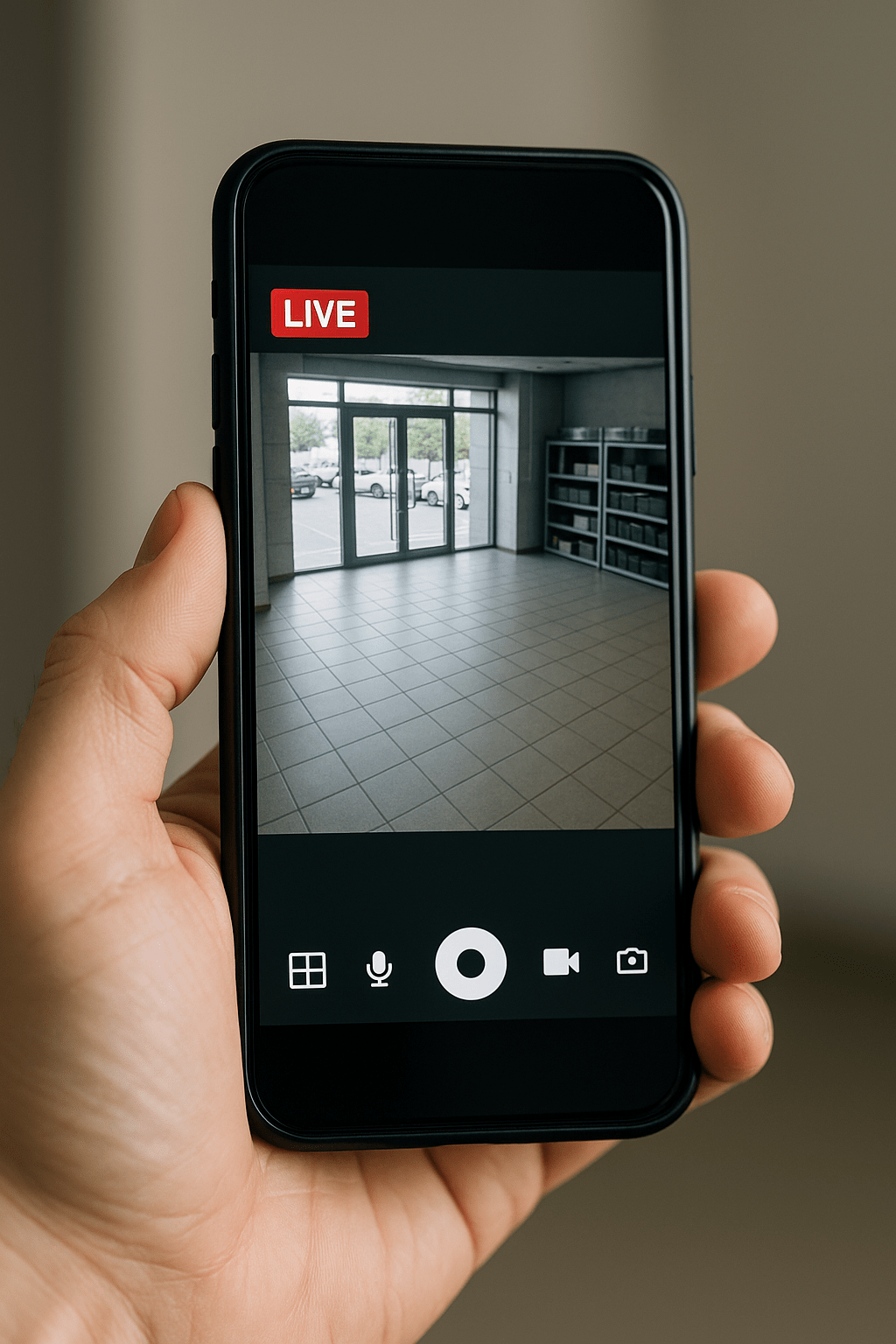
Remote video monitoring provides the ability to view live and recorded footage from your CCTV system from anywhere with an internet connection. This allows you to stay connected to your business, monitor employee activity, and respond to security threats in real-time. With remote monitoring, business owners can verify alarms, investigate suspicious activity, and provide evidence to law enforcement when necessary. It offers peace of mind knowing that you can keep an eye on your business, even when you’re not physically present. A key benefit is that it enhances after-hours security, potentially deterring criminal activity.
Mobile Viewing Apps: Accessing Live and Recorded Footage on Your Smartphone or Tablet
Mobile viewing apps provide a convenient way to access your CCTV system from your smartphone or tablet. These apps allow you to view live feeds, review recorded footage, and receive push notifications when motion is detected or an alarm is triggered. When choosing a mobile viewing app, consider factors such as user-friendliness, compatibility with your CCTV system, and security features. Ensure the app is password-protected and supports encryption to protect your video data from unauthorized access. Regularly update the app to receive the latest security patches and bug fixes. A poorly designed or insecure mobile app can create a significant vulnerability in your security system. Also, consider the data usage of the app, especially when viewing high-resolution footage over a mobile network.
Centralized Monitoring Stations: Professional Security Experts Watching Over Your Business
For enhanced security, consider using a centralized monitoring station. These stations employ professional security experts who monitor your CCTV system 24/7, providing immediate response to security threats. When an alarm is triggered or suspicious activity is detected, the monitoring station can verify the event, dispatch law enforcement, and notify you or your designated contacts. Centralized monitoring stations offer a higher level of security than relying solely on self-monitoring. They can also provide valuable support in managing your CCTV system and responding to technical issues. Check the certifications and licensing of the monitoring station to ensure they meet industry standards. Ensure the monitoring station has robust redundancy measures in place to prevent service disruptions.
Real-Time Alerts and Notifications: Immediate Response to Security Threats
Real-time alerts and notifications enable you to respond immediately to security threats. Configure your CCTV system to send alerts via email or push notifications when motion is detected, an alarm is triggered, or a camera goes offline. Customize the alert settings to avoid false alarms and ensure you only receive notifications for genuine security events. Integrate real-time alerts with your other security systems, such as access control, to create a coordinated response plan. Regularly test your alert system to ensure it is functioning correctly. A delay in receiving alerts can compromise your ability to respond effectively to a security breach. For instance, an alert received 5 minutes after a door is forced open is substantially less valuable than one received immediately.
Security System Upgrades and Retrofits: Modernizing Your Existing Surveillance Infrastructure
Upgrading or retrofitting your existing security system is essential to stay ahead of evolving security threats and take advantage of the latest technology. Older analog systems often lack the clarity, features, and scalability of modern IP-based systems. Upgrading your system can improve image quality, enhance remote access capabilities, and integrate with other security technologies. Moreover, legacy systems may lack crucial cybersecurity protections, leaving your business vulnerable. CCTV System Upgrades: Future-Proof Your Business Security are an investment in long-term security.
Replacing Outdated Analog Systems with IP-Based Solutions
Replacing outdated analog systems with IP-based solutions offers numerous benefits, including higher resolution images, advanced analytics, and remote access capabilities. IP-based cameras transmit video over a network, allowing for greater flexibility in camera placement and scalability. You can also leverage existing network infrastructure to reduce installation costs. When transitioning to an IP-based system, ensure your network can handle the bandwidth requirements of the new cameras. Consider using network video recorders (NVRs) to store and manage your video footage. Be sure to properly dispose of your old analog equipment to prevent security risks. For example, an older DVR with default passwords could be exploited if not properly decommissioned.
Adding New Cameras and Features to Expand Your Coverage
Expanding your coverage by adding new cameras and features can enhance your security posture and address emerging security risks. Consider adding cameras to cover blind spots or areas that were previously overlooked. Incorporate advanced features such as license plate recognition (LPR), facial recognition, or thermal imaging to enhance your security capabilities. When adding new cameras, ensure they are compatible with your existing system and that your network can handle the increased bandwidth. Regularly assess your security needs to identify areas where additional coverage or features are needed. This can involve reviewing incident reports, conducting security audits, and soliciting feedback from employees.
Integrating Your CCTV System with Other Security Technologies
Integrating your CCTV system with other security technologies, such as access control, alarm systems, and perimeter security, creates a comprehensive and coordinated security solution. For example, integrating your CCTV system with your access control system allows you to visually verify who is entering your building. Integrating with your alarm system enables you to receive video verification of alarm events, reducing false alarms and improving response times. When integrating different security systems, ensure they are compatible and can communicate with each other effectively. Use a centralized security management platform to manage all your security systems from a single interface. Integration helps provide a holistic view of security, enhancing situational awareness and improving overall security effectiveness. Security Trends: Commercial CCTV & Access Control demonstrate the growing importance of integrated security solutions.
The Importance of Regular CCTV System Maintenance and Support
Regular maintenance and support are crucial for ensuring the optimal performance, reliability, and longevity of your CCTV system. Neglecting maintenance can lead to equipment failures, poor image quality, and security vulnerabilities. Preventative maintenance helps identify and address potential problems before they escalate into major issues. Ongoing support ensures you have access to technical assistance when you need it.
Preventative Maintenance: Ensuring Optimal Performance and Longevity
Preventative maintenance involves regularly inspecting and servicing your CCTV system to ensure it is functioning properly. This includes cleaning cameras, checking cable connections, testing recording equipment, and verifying system settings. Develop a preventative maintenance schedule and assign responsibility for performing the tasks. Keep a log of all maintenance activities. Replace batteries in wireless cameras and sensors as needed. Regularly update firmware to patch security vulnerabilities. Over time, lenses can become dirty, cables can become loose, and settings can be inadvertently changed, all of which can negatively impact the performance of your CCTV system. Neglecting preventative maintenance can shorten the lifespan of your equipment and increase the risk of security breaches. A simple example: dust accumulating on a camera lens can significantly reduce image clarity.
Troubleshooting and Repair: Addressing Technical Issues Promptly
Promptly addressing technical issues is essential to minimize downtime and maintain security coverage. Develop a troubleshooting process and train your staff on how to identify and resolve common problems. Have a qualified technician available to handle more complex repairs. Keep a supply of spare parts on hand to minimize downtime. Document all troubleshooting and repair activities. Ignoring technical issues can lead to system failures and create security vulnerabilities. A malfunctioning camera, for example, can leave a critical area unprotected. Regular diagnostics and quick repairs are therefore essential. Outdated systems may require more frequent repairs and be difficult to source parts for, highlighting the need for upgrades.
Firmware Updates and Security Patches: Protecting Against Cyber Threats
Firmware updates and security patches are essential for protecting your CCTV system against cyber threats. Hackers are constantly developing new ways to exploit vulnerabilities in security systems, so it is crucial to keep your firmware up to date. Regularly check for firmware updates from your camera manufacturer and install them as soon as they are available. Implement strong passwords and change them regularly. Use a firewall to protect your CCTV system from unauthorized access. Educate your staff about cybersecurity best practices. Failure to apply security patches can leave your system vulnerable to hacking, which can result in unauthorized access to your video footage, system disruption, or even remote control of your cameras.
Compliance and Regulations: Ensuring Your CCTV System Meets Legal Requirements in Mississauga
Implementing a commercial CCTV system in Mississauga involves navigating various legal and regulatory requirements. Failure to comply can result in significant fines and legal repercussions. It’s crucial to understand the applicable privacy laws, data retention policies, and signage requirements to ensure your system operates within the bounds of the law. Always consult with legal counsel specializing in privacy and surveillance law to confirm your compliance strategy. Understanding and adhering to these regulations demonstrates a commitment to ethical business practices and helps maintain a positive public image.
Privacy Laws and Employee Monitoring: Understanding Your Obligations
In Ontario, privacy laws like the Personal Information Protection and Electronic Documents Act (PIPEDA), although primarily focused on federal private-sector organizations, set a general standard for data protection. When monitoring employees with CCTV, transparency is paramount. You must inform employees about the surveillance, the purposes for which the data is collected, and how it will be used. The Ontario Human Rights Code also comes into play, preventing discrimination based on factors like race, gender, or disability. Avoid placing cameras in areas where employees have a reasonable expectation of privacy, such as washrooms or changing rooms. Implement a clear privacy policy that outlines your CCTV practices, making it accessible to all employees. For instance, an automotive dealership installing cameras to monitor service bays must notify employees of the specific areas under surveillance and the reasons for doing so (e.g., preventing theft of tools or parts). Document all notifications and acknowledgements from employees.
Data Retention Policies: Storing and Managing CCTV Footage Responsibly
Establish a clear data retention policy that specifies how long CCTV footage will be stored and how it will be securely disposed of. Overly long retention periods can increase storage costs and raise privacy concerns. Define specific retention periods based on the purpose of the surveillance. For instance, footage used for security purposes might be retained for 30 days, while footage related to a specific incident (e.g., a workplace accident) might be retained longer for investigation purposes. Securely encrypt stored footage to prevent unauthorized access. Implement procedures for securely deleting footage when it is no longer needed. Document your data retention policy and make it available to relevant stakeholders. Regularly review and update the policy to reflect changes in legal requirements or business needs. Remember that businesses are responsible for the security of sensitive data acquired by surveillance and must act according to set legal standards. Always back up your footage. Consider leveraging a cloud-based solution for secure and scalable video storage. See our page on Business Security Cameras: Remote Viewing Benefits for more on remote management of your footage.
Signage Requirements: Notifying Individuals That They Are Being Recorded
Clear and conspicuous signage is crucial for notifying individuals that they are being recorded by CCTV cameras. Signs should be placed in prominent locations, such as entrances and areas under surveillance. The signs should be easily visible and understandable. Use clear, concise language and consider using pictograms to convey the message effectively. The signs should indicate the purpose of the surveillance and who to contact for more information. For example, a warehouse using CCTV to monitor inventory should post signs stating “Premises Under Video Surveillance for Security Purposes. Contact [Contact Name/Department] for Inquiries.” Ensure that the signage complies with accessibility standards, such as providing Braille or tactile signs for visually impaired individuals. Regularly inspect and maintain the signage to ensure it remains visible and legible. Failure to post adequate signage can result in legal challenges and reputational damage. Be sure to place the correct and up to date warning signs.
Calculating the ROI of Commercial CCTV: Beyond Security
While the primary purpose of Commercial CCTV Mississauga systems is security, the return on investment (ROI) extends far beyond preventing crime. A well-designed system can contribute to reduced insurance premiums, increased operational efficiency, improved employee productivity, and minimization of internal theft and waste. Quantifying these benefits can help justify the investment and demonstrate the value of CCTV beyond its security function. A comprehensive ROI analysis should consider both the tangible and intangible benefits of the system. Remember, the savings generated by the system should be significantly higher than the initial investment and ongoing maintenance costs to achieve a positive ROI.
Reduced Insurance Premiums
Many insurance companies offer reduced premiums to businesses that implement comprehensive security measures, including CCTV systems. The extent of the discount depends on factors such as the type of business, the level of coverage, and the sophistication of the CCTV system. Provide your insurance provider with details about your CCTV system, including the number of cameras, their placement, and the recording capabilities. Obtain quotes from multiple insurance companies to compare the potential premium reductions. Document the cost savings from reduced premiums to demonstrate the ROI of the CCTV system. For instance, a retail store might save 10% on its annual property insurance premium by installing a professionally monitored CCTV system. This annual savings can contribute significantly to the overall ROI over the system’s lifespan. Review your insurance coverage annually and update your policy to reflect any changes in your security measures.
Increased Operational Efficiency
CCTV systems can provide valuable insights into operational processes, allowing businesses to identify bottlenecks, optimize workflows, and improve overall efficiency. By monitoring production lines, warehouses, and other operational areas, managers can gain a better understanding of how work is being performed and identify areas for improvement. Analyze CCTV footage to identify inefficiencies in your operational processes. For example, a manufacturing plant might use CCTV to identify bottlenecks in the production line or to monitor the movement of materials within the warehouse. Use the insights gained from CCTV footage to implement process improvements and streamline workflows. Track key performance indicators (KPIs) such as production output, cycle time, and error rates to measure the impact of the process improvements. Improved efficiency can lead to increased output, reduced costs, and improved customer satisfaction. Consider integrating your CCTV system with other operational systems, such as inventory management software, to gain a more holistic view of your operations.
Improved Employee Productivity
While not the sole purpose, strategically placed CCTV cameras can act as a deterrent to unproductive behavior and encourage employees to adhere to company policies and procedures. However, it is crucial to use CCTV for this purpose ethically and transparently, ensuring that employees are informed about the surveillance and its purpose. Use CCTV footage to identify instances of unproductive behavior, such as excessive socializing or unauthorized breaks. Provide feedback to employees about their performance and offer coaching or training to help them improve. Recognize and reward employees who consistently demonstrate high levels of productivity. A call center, for example, might use CCTV to monitor employee adherence to call handling procedures and identify areas where employees need additional training. Remember that using CCTV solely to catch employees making mistakes can create a negative work environment. For further details, see our page on Business Security Cameras: Remote Viewing Benefits.
Minimizing internal theft and waste
Internal theft and waste can significantly impact a business’s bottom line. CCTV systems can help deter these activities by providing a visible deterrent and capturing evidence of wrongdoing. Position cameras strategically in areas where theft or waste is likely to occur, such as loading docks, storage areas, and cash registers. Implement access control measures to restrict access to sensitive areas. Regularly review CCTV footage to identify instances of theft or waste. For example, a restaurant might use CCTV to monitor food preparation areas to identify instances of food waste or employee theft of ingredients. Take disciplinary action against employees who are caught engaging in theft or waste. A proactive security system that keeps records of any suspicious activity helps deter any misconduct or theft from the employees. Document the cost savings from reduced theft and waste to demonstrate the ROI of the CCTV system.
Partnering with AYS Security for Your Mississauga Business CCTV Needs
Choosing the right security partner is essential for ensuring that your commercial CCTV system meets your specific needs and provides long-term value. AYS Security offers expertise in commercial security solutions, customized system design and installation, and ongoing support and maintenance services. We understand the unique security challenges faced by businesses in Mississauga and are committed to providing comprehensive and reliable solutions.
Our Expertise in Commercial Security Solutions
AYS Security specializes in providing tailored security solutions for businesses across various industries, including warehouses, manufacturing facilities, dealerships, retail stores, and offices. Our team of experienced security professionals has a deep understanding of the unique security needs of each industry and can design a system that meets those needs effectively. We stay up-to-date on the latest security technologies and best practices to ensure that our clients receive the most advanced and reliable solutions available. Our expertise extends beyond CCTV systems to include access control, alarm systems, and other security measures, allowing us to provide a comprehensive security solution for your business. We prioritize delivering solutions that are not only effective but also scalable and cost-effective. We have extensive experience with Commercial Security Cameras: Secure Multi-Location Businesses and their unique requirements.
Customized System Design and Installation
We understand that every business has unique security needs. That’s why we offer customized system design and installation services to ensure that your CCTV system is perfectly tailored to your specific requirements. Our team will conduct a thorough assessment of your premises to identify potential security vulnerabilities and design a system that addresses those vulnerabilities effectively. We use only high-quality cameras and equipment from leading manufacturers to ensure that your system is reliable and provides clear, detailed footage. Our installation team is highly experienced and trained to install CCTV systems quickly and efficiently, minimizing disruption to your business operations. We also provide comprehensive training to ensure that you and your staff are able to operate the system effectively.
Ongoing Support and Maintenance Services
AYS Security provides ongoing support and maintenance services to ensure that your CCTV system continues to operate at peak performance. We offer remote monitoring services to provide 24/7 surveillance of your premises. Our team is available to respond to any technical issues or emergencies that may arise. We also offer regular maintenance visits to inspect and maintain your system, ensuring that it remains in good working order. Our support and maintenance services are designed to provide you with peace of mind, knowing that your security system is always being monitored and maintained by experienced professionals. We offer service level agreements (SLAs) to guarantee response times and ensure that your system is always operational.
Implementing a commercial CCTV system in Mississauga is a significant investment that can deliver a strong ROI when done right. By partnering with AYS Security, businesses can ensure compliance, optimize operational efficiency, and gain peace of mind knowing their assets are protected.