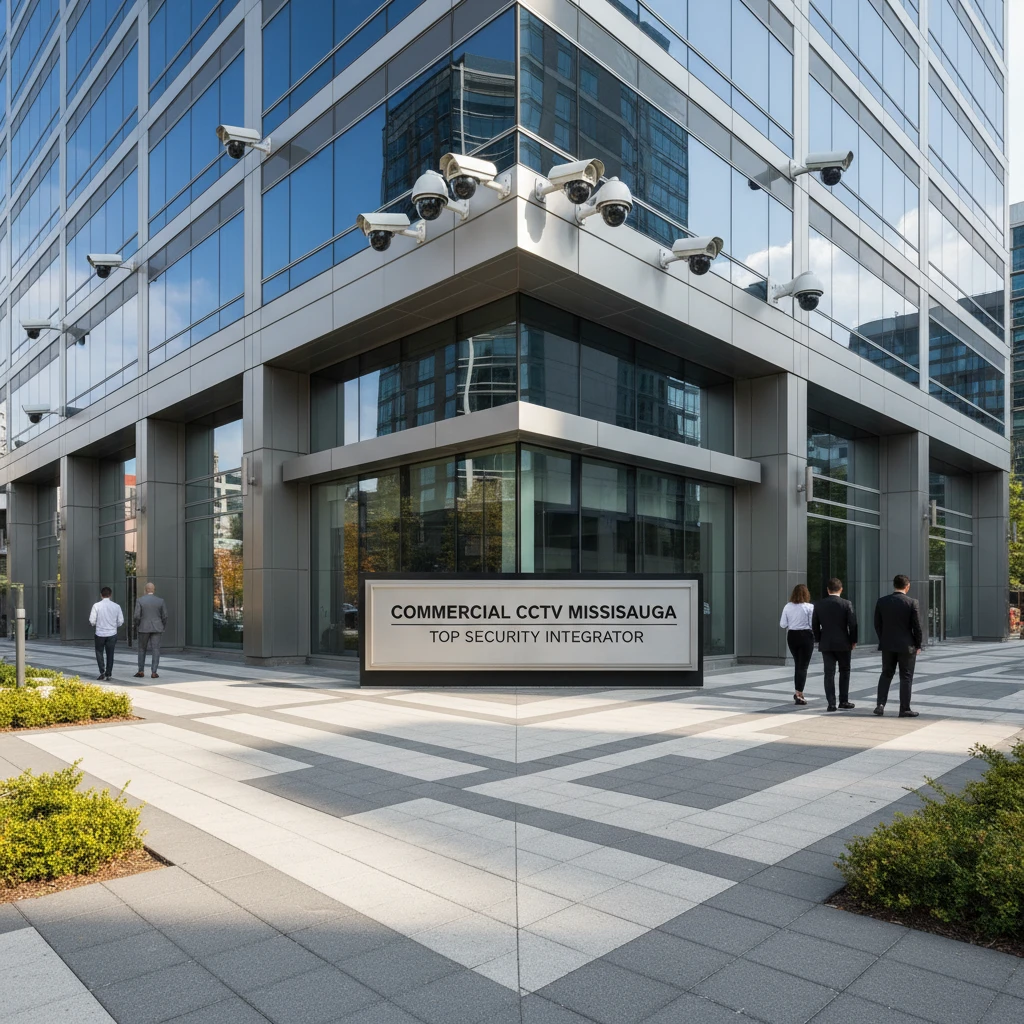
In today’s dynamic business environment, security is no longer a luxury—it’s a necessity. For businesses in Mississauga, a robust commercial CCTV system acts as a vital component in safeguarding assets, protecting employees, and mitigating potential liabilities. The integration of advanced technologies like AI-powered analytics and remote access capabilities has transformed CCTV from a simple surveillance tool into a proactive security management solution.
This guide explores the critical aspects of choosing and implementing a commercial CCTV system in Mississauga, focusing on the expertise of professional integrators and the features that deliver the best return on investment for your business. We’ll cover everything from system design and installation to ongoing maintenance and support, ensuring your security infrastructure remains effective and reliable in 2026 and beyond.
Protecting Your Mississauga Business with Advanced CCTV Solutions in 2026
The Evolving Security Landscape: Why CCTV is More Crucial Than Ever
The business security landscape in Mississauga has become increasingly complex, requiring more sophisticated solutions than ever before. Factors contributing to this increased need include a rise in property crime, the increasing sophistication of cyberattacks targeting physical security systems, and the growing complexity of regulatory compliance. CCTV systems play a crucial role in addressing these challenges by providing visual evidence, deterring criminal activity, and enabling real-time monitoring of critical areas. Furthermore, integrating CCTV with other security measures such as access control and alarm systems creates a comprehensive security ecosystem that enhances overall protection.
Beyond crime prevention, modern CCTV systems offer significant operational benefits. They can be used to monitor employee productivity, ensure adherence to safety protocols, and optimize workflow processes. For example, a warehouse can use CCTV to track inventory movement, identify bottlenecks, and improve overall efficiency. Similarly, a retail store can use video analytics to understand customer behavior, optimize store layout, and improve sales performance. By leveraging these capabilities, businesses can transform their CCTV systems from a purely security-focused investment into a valuable tool for improving operational performance.
Ultimately, a well-designed and professionally installed CCTV system is an essential investment for any Mississauga business looking to protect its assets, employees, and reputation in today’s challenging environment. Businesses should prioritize partnering with experienced integrators who can provide customized solutions tailored to their specific needs and challenges.
Understanding the Unique Security Challenges Faced by Mississauga Businesses
Mississauga’s diverse business landscape presents a unique set of security challenges. Industrial areas, home to numerous warehouses and manufacturing facilities, are particularly vulnerable to theft and vandalism. Retail businesses face the risk of shoplifting and employee theft, while office buildings must protect sensitive data and ensure employee safety. The city’s proximity to major transportation routes also makes it a target for organized crime. Furthermore, businesses in Mississauga must comply with various local regulations and industry standards related to security and surveillance.
For example, warehouses often struggle with perimeter security, making them susceptible to break-ins and cargo theft. Installing high-resolution cameras with infrared capabilities can provide clear visibility even in low-light conditions, while integrating the system with a monitored alarm system can ensure a rapid response in the event of a breach. Retail businesses can benefit from using strategically placed cameras to deter shoplifting and monitor employee activity at cash registers and stockrooms. Integrating the CCTV system with point-of-sale (POS) systems can help identify and prevent fraudulent transactions. Dealerships can leverage CCTV systems to protect valuable inventory, monitor customer interactions, and deter theft of vehicles or parts.
Addressing these unique challenges requires a comprehensive security strategy that takes into account the specific risks and vulnerabilities of each business. A professional CCTV integrator can conduct a thorough security assessment to identify potential weaknesses and recommend the most effective solutions. They can also ensure that the system is properly installed and maintained to provide reliable performance and comply with all relevant regulations. Understanding these unique factors is crucial for creating a tailored, effective security solution.
Why Choose a Professional CCTV Integrator Over DIY Systems?
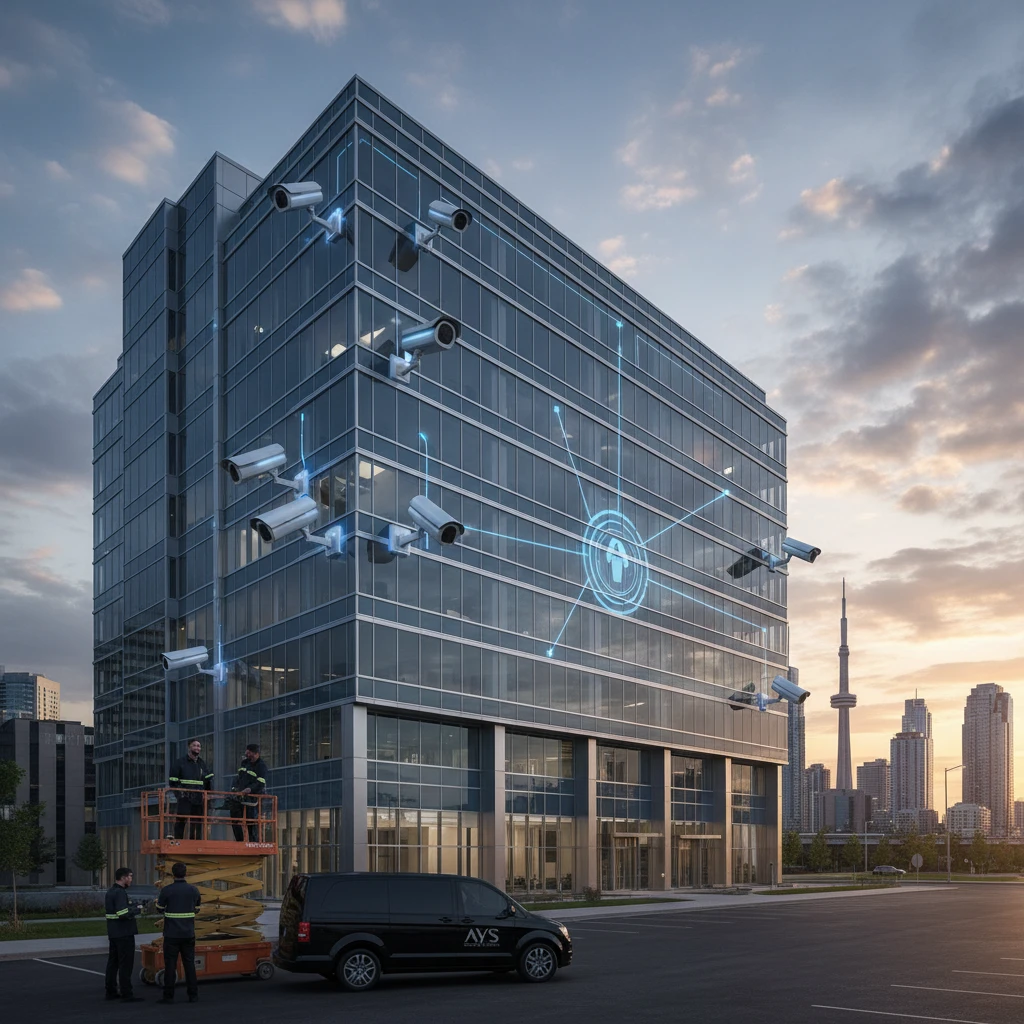
Expert System Design: Matching Technology to Your Specific Needs
While DIY CCTV systems may seem like a cost-effective option, they often lack the sophistication and customization required to meet the unique security needs of a commercial environment. A professional CCTV integrator brings expertise in system design, ensuring that the right cameras are placed in the optimal locations to provide comprehensive coverage. This includes considering factors such as lighting conditions, viewing angles, and potential blind spots. An integrator also understands the different camera technologies available and can recommend the best options based on your specific requirements, such as high-resolution cameras for detailed surveillance or PTZ cameras for remote monitoring of large areas. A good example of this can be seen in system design that minimizes operational blindspots.
Furthermore, a professional integrator can design a system that integrates seamlessly with your existing security infrastructure, such as access control systems and alarm systems. This integration allows for a more coordinated and effective security response. For example, if an alarm is triggered, the CCTV system can automatically focus on the affected area, providing real-time visual confirmation of the event. DIY systems typically lack this level of integration, which can significantly limit their effectiveness. Choosing the right system design from the outset ensures that the security investment is optimized for the long term.
Consider a scenario where a business owner attempts to install a DIY system without properly assessing the lighting conditions. The resulting footage may be too dark or washed out to be useful, rendering the entire system ineffective. A professional integrator would conduct a thorough site survey and recommend cameras with appropriate infrared capabilities to ensure clear footage even in low-light conditions. This expertise in system design is crucial for maximizing the effectiveness of your CCTV system and protecting your business from potential threats.
Certified Installation & Structured Cabling: Ensuring Reliability and Performance
The installation of a commercial CCTV system is just as important as the quality of the equipment itself. A poorly installed system can be unreliable, prone to failure, and vulnerable to tampering. Professional CCTV integrators employ certified technicians who have the expertise and experience to install systems correctly, ensuring optimal performance and reliability. This includes proper camera mounting, secure wiring, and accurate configuration of recording devices. Certified installers are also trained to adhere to industry best practices and safety standards, minimizing the risk of accidents or damage to your property. Proper structured cabling is crucial for a reliable security system.
One of the key aspects of professional installation is structured cabling. This involves using high-quality cables and connectors to create a network infrastructure that supports the CCTV system and other security devices. Structured cabling ensures reliable data transmission, minimizes interference, and allows for future expansion of the system. DIY installations often use substandard cables and connectors, which can lead to poor image quality, intermittent outages, and increased maintenance costs. Furthermore, improper cable management can create safety hazards and make it difficult to troubleshoot problems.
Example: A manufacturing plant hires a non-certified installer to save money. The installer uses low-quality cables and fails to properly terminate the connections. As a result, the cameras experience frequent outages, and the image quality is poor. The plant is unable to effectively monitor its operations, leading to increased theft and safety risks. In contrast, a certified installer would use high-quality cables, properly terminate the connections, and test the system to ensure reliable performance, safeguarding the business’s operations.
Ongoing Maintenance & Support: Maximizing Your Investment
A commercial CCTV system is a significant investment, and it’s essential to ensure that it continues to perform optimally over time. Professional CCTV integrators offer ongoing maintenance and support services to help you maximize your investment and minimize downtime. This includes regular system checks, software updates, and hardware repairs. Maintenance contracts typically cover preventative maintenance, such as cleaning cameras, checking connections, and testing recording devices. Support services provide access to technical assistance in the event of a problem, ensuring that your system is back up and running quickly. By choosing a provider that offers strong support, businesses mitigate potential liability risks.
Remote monitoring is a critical aspect of ongoing support. Many integrators offer remote monitoring services, where trained professionals monitor your CCTV system 24/7. If an alarm is triggered or suspicious activity is detected, they can take immediate action, such as contacting the police or dispatching security personnel. Remote monitoring provides an added layer of security and peace of mind, especially for businesses that operate outside of regular business hours. Furthermore, it frees up your employees to focus on their core responsibilities, rather than spending time monitoring security footage.
DIY systems typically lack ongoing maintenance and support, leaving you responsible for troubleshooting problems and performing repairs. This can be time-consuming and costly, especially if you lack the technical expertise. Furthermore, neglecting maintenance can lead to system failures and decreased performance, compromising your security. Example: A small retail business installs a DIY CCTV system but doesn’t perform regular maintenance. Over time, the cameras become dirty, and the recording device malfunctions. When a theft occurs, the business is unable to provide clear footage to the police, hindering the investigation. A professional integrator would have provided regular maintenance, ensuring that the system was always in optimal condition and ready to capture critical evidence.
Key Considerations When Selecting a Commercial CCTV System in Mississauga
Camera Types: Fixed vs. PTZ, Indoor vs. Outdoor, IR vs. Starlight
Selecting the right type of camera is crucial for maximizing the effectiveness of your CCTV system. Fixed cameras provide a static view of a specific area, while PTZ (pan-tilt-zoom) cameras can be remotely controlled to pan, tilt, and zoom, allowing you to monitor a larger area. Indoor cameras are designed for use in controlled environments, while outdoor cameras are weatherproof and can withstand harsh conditions. IR (infrared) cameras provide visibility in low-light conditions, while starlight cameras offer enhanced low-light performance without the need for infrared illumination.
The choice of camera type depends on your specific security needs and the environment in which the cameras will be used. For example, a warehouse might benefit from using a combination of fixed cameras to monitor loading docks and PTZ cameras to patrol the perimeter. Retail stores might use indoor cameras to monitor customer activity and deter shoplifting. Outdoor cameras with infrared capabilities are ideal for monitoring parking lots or other areas with limited lighting. Starlight cameras are particularly useful in areas where you want to maintain natural lighting while still providing effective surveillance.
When evaluating camera types, consider the following factors: resolution (higher resolution provides clearer images), lens type (wide-angle lenses capture a broader field of view, while telephoto lenses provide a closer view of distant objects), and housing material (durable materials like aluminum or stainless steel are ideal for outdoor cameras). By carefully considering these factors, you can select the camera types that best meet your specific security needs and budget.
Recording and Storage: On-Premise vs. Cloud, Retention Policies
Choosing the right recording and storage solution is essential for ensuring that you can effectively capture and review security footage. On-premise storage involves storing footage locally on a network video recorder (NVR) or digital video recorder (DVR). Cloud storage involves storing footage remotely on a secure server. Each option has its advantages and disadvantages. On-premise storage offers greater control over your data and may be more cost-effective for large amounts of footage. Cloud storage provides greater scalability, redundancy, and accessibility, allowing you to access footage from anywhere with an internet connection.
Retention policies determine how long you store your security footage. The appropriate retention period depends on your specific needs and regulatory requirements. For example, some industries may require you to retain footage for a certain number of days or weeks to comply with regulations. It’s also important to consider the storage capacity required to support your retention policy. High-resolution footage requires more storage space than low-resolution footage. When choosing a recording and storage solution, consider the following factors: storage capacity, scalability, security, and cost. A robust commercial CCTV system includes appropriate data retention.
Failing to plan for adequate storage can be a costly mistake. Example: A business chooses an on-premise storage solution but doesn’t allocate enough storage space. As a result, the system overwrites footage after only a few days, making it impossible to review footage from past events. A professional integrator would help you calculate the storage capacity required to meet your retention policy and recommend a solution that can be easily scaled as your needs evolve. Cloud storage can easily grow as your business grows.
Integration with Existing Security Infrastructure (Access Control, Alarms)
Integrating your CCTV system with your existing security infrastructure, such as access control systems and alarm systems, can significantly enhance your overall security posture. When integrated, these systems can work together to provide a more coordinated and effective security response. For example, if an alarm is triggered, the CCTV system can automatically focus on the affected area, providing real-time visual confirmation of the event. Access control systems can be integrated with CCTV to verify the identity of individuals entering restricted areas.
Integration also streamlines security management. A centralized platform can allow you to monitor and control all of your security systems from a single interface. This simplifies operations and reduces the risk of human error. Furthermore, integration can provide valuable insights into security trends and vulnerabilities. By analyzing data from multiple systems, you can identify patterns and proactively address potential threats. Before implementing any integration, it’s crucial to assess the compatibility of different systems and ensure that they can communicate effectively.
Example: A business has a standalone CCTV system and an access control system. When an unauthorized individual gains access to a restricted area, the alarm system is triggered, but the CCTV system doesn’t automatically focus on the area. As a result, security personnel are unable to quickly assess the situation and respond appropriately. Integrating the two systems would allow the CCTV system to automatically focus on the area when the alarm is triggered, providing real-time visual confirmation and enabling a more rapid response.
Essential Features to Look for in a Modern Business CCTV System
Remote Video Monitoring: Accessing Live and Recorded Footage From Anywhere
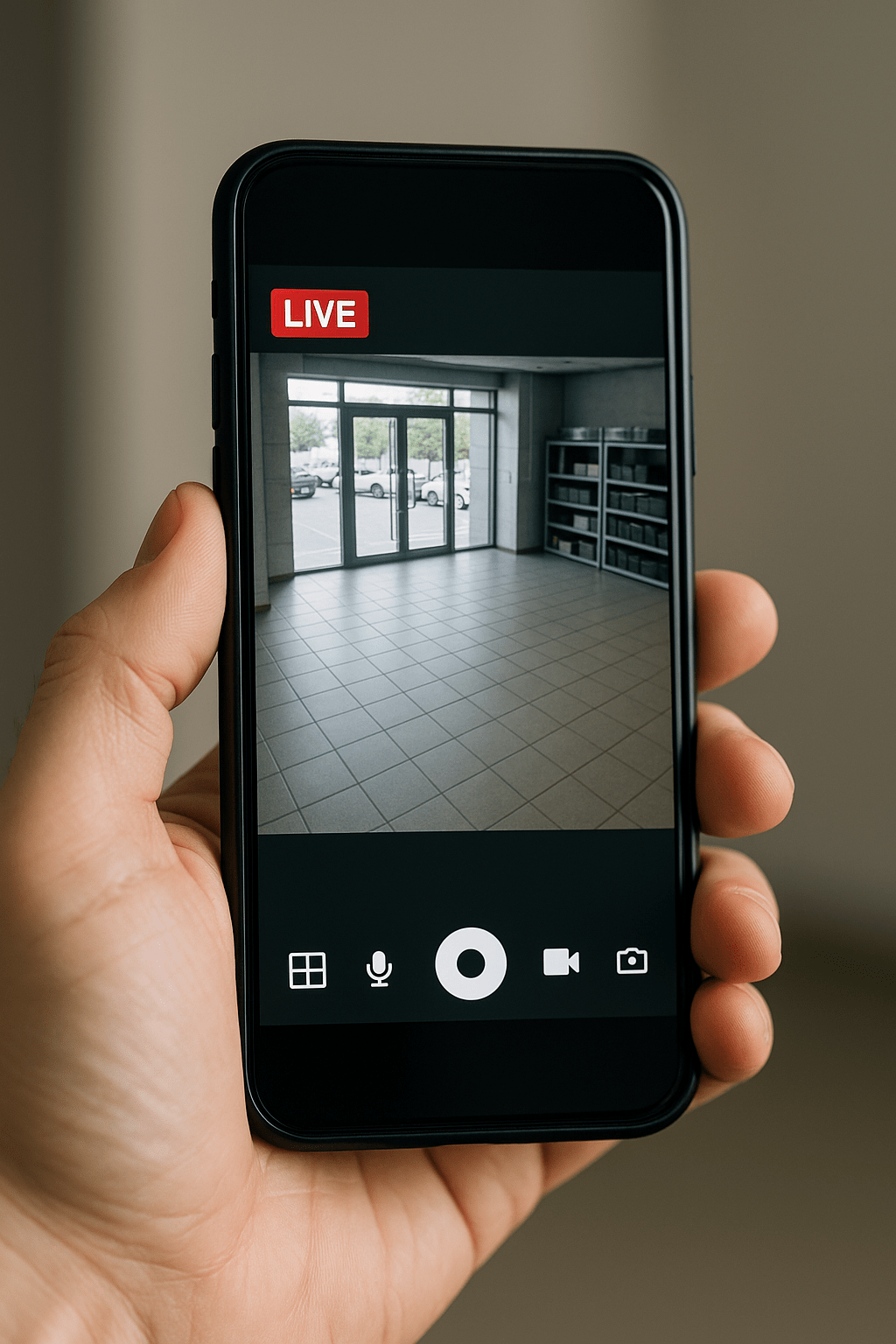
Remote video monitoring is a critical feature for modern business CCTV systems. It allows you to access live and recorded footage from anywhere with an internet connection, using a computer, smartphone, or tablet. This provides enhanced situational awareness and enables you to respond quickly to security incidents, even when you’re not on-site. Remote monitoring is particularly valuable for businesses with multiple locations or those that operate outside of regular business hours. The capability to remotely monitor footage increases business security.
When evaluating remote video monitoring solutions, consider the following factors: ease of use, security, and reliability. The system should be user-friendly and easy to navigate, allowing you to quickly find the footage you need. It should also be secure, with robust encryption and authentication protocols to protect your data from unauthorized access. Furthermore, the system should be reliable, with minimal downtime and consistent performance. Features such as mobile alerts, which notify you of suspicious activity in real-time, can further enhance the effectiveness of remote monitoring.
Consider a scenario where a business owner is traveling out of town when an alarm is triggered at their facility. With remote video monitoring, they can immediately access live footage from their smartphone and assess the situation. If it’s a false alarm, they can dismiss it. If it’s a genuine security threat, they can contact the authorities and provide them with real-time information. Without remote monitoring, the business owner would be unable to respond effectively, potentially leading to significant losses. Businesses find remote viewing essential for business security.
Advanced Analytics: Motion Detection, Facial Recognition, Intrusion Detection
Advanced video analytics are transforming CCTV systems from passive surveillance tools into proactive security management solutions. Features like motion detection, facial recognition, and intrusion detection can automate security monitoring, reduce false alarms, and improve overall security effectiveness. Motion detection alerts you when movement is detected in a specific area, allowing you to quickly identify potential threats. Facial recognition can identify individuals of interest, such as known shoplifters or disgruntled employees. Intrusion detection can detect unauthorized entry into restricted areas.
The accuracy and reliability of these analytics are crucial. False alarms can be disruptive and time-consuming, while inaccurate detections can lead to missed threats. When evaluating video analytics solutions, consider the following factors: accuracy, sensitivity, and customizability. The system should be highly accurate, with minimal false alarms. It should also be sensitive enough to detect subtle movements or changes in the environment. Furthermore, it should be customizable, allowing you to adjust the settings to meet your specific security needs. It is important that business security cameras mitigate liability risks.
Example: A warehouse uses motion detection to monitor its loading docks after hours. The system is configured to ignore small movements, such as animals or leaves blowing in the wind, but to alert security personnel when larger movements are detected. One night, the system detects a person approaching the loading docks. Security personnel review the footage and discover that it’s an unauthorized individual attempting to break into the warehouse. They are able to quickly dispatch the police, who apprehend the individual before they can cause any damage.
Mobile Viewing: Keeping an Eye on Your Business From Your Smartphone or Tablet
Mobile viewing is an essential feature for modern business CCTV systems, allowing you to monitor your business from your smartphone or tablet. This provides increased flexibility and convenience, enabling you to stay connected to your security system, even when you’re on the go. Mobile apps typically offer a range of features, including live video streaming, recorded footage playback, and remote system control. You can use your smartphone or tablet to view live footage from your cameras, review past events, and adjust camera settings.
The user-friendliness and security of the mobile app are critical. The app should be easy to navigate and use, with a clear and intuitive interface. It should also be secure, with robust encryption and authentication protocols to protect your data from unauthorized access. Furthermore, the app should be compatible with your mobile device and operating system. Ensure the mobile app offers real-time notifications, which alert you to security events as they occur. Check that the business security camera system offers secure mobile viewing.
Consider a scenario where a retail store owner is attending a conference when they receive a mobile alert from their CCTV system. They use their smartphone to access live footage from the store and discover that a suspicious individual is loitering near the cash register. They immediately contact the store manager, who confronts the individual and prevents them from committing a crime. Without mobile viewing, the store owner would have been unaware of the situation and unable to take timely action.
Meeting Compliance Requirements: CCTV and Privacy Laws in Ontario
Operating a commercial CCTV system in Mississauga necessitates a strong understanding of Ontario’s privacy laws. Ignoring these regulations can lead to significant fines and reputational damage. The Information and Privacy Commissioner of Ontario (IPC) provides guidance on the collection, use, and disclosure of personal information obtained through video surveillance. Key legislation includes the Personal Information Protection and Electronic Documents Act (PIPEDA), which applies to many businesses, and the Municipal Freedom of Information and Protection of Privacy Act (MFIPPA), which applies to municipalities and public institutions. Failure to adhere to these laws creates a risk for your organization.
PIPEDA and Your CCTV System: Protecting Customer and Employee Privacy
PIPEDA governs how organizations collect, use, and disclose personal information in the course of commercial activities. This includes video footage captured by CCTV systems. To comply with PIPEDA, you must obtain consent (explicit or implied) for the collection of personal information, limit the collection to what is necessary, and ensure the security of the data. A practical example is limiting camera views to only necessary areas, not recording audio without explicit consent, and implementing strong password protection for recorded footage. Regularly review your CCTV system’s configuration and policies to ensure ongoing compliance. For instance, if you change the camera angles or retention period, you need to update your privacy policy accordingly. Employee training is also crucial; staff must understand their responsibilities in protecting personal information under PIPEDA.
Signage and Transparency: Informing Individuals About Surveillance
Transparency is a fundamental principle of privacy law. Businesses must clearly inform individuals that they are being recorded through prominent signage. The signs should be easily visible and understandable, stating that video surveillance is in use and providing contact information for inquiries. Failure to post adequate signage can be considered a breach of privacy, even if the CCTV system itself is compliant in other aspects. For example, a small sticker hidden in a corner isn’t sufficient; a large, clear sign at each entrance is necessary. Regularly inspect your signage to ensure it is still visible and legible. Consider using pictograms to overcome language barriers. A privacy impact assessment can help determine the optimal placement and wording of your signage.
Data Retention Policies: Adhering to Legal Standards
Establishing and adhering to clear data retention policies is vital. You should only retain CCTV footage for as long as necessary to fulfill the purpose for which it was collected. For example, if the purpose is to investigate theft, footage should be retained until the investigation is complete. Set a maximum retention period and automatically delete footage after that period. Document your retention policy and make it available to employees and customers upon request. Regularly audit your system to ensure that footage is being deleted in accordance with your policy. Overly long retention periods can increase your liability in the event of a data breach or privacy complaint. Remember that individuals have the right to request access to their personal information, including CCTV footage in which they appear. Be prepared to respond to such requests in a timely and compliant manner.
Industries We Serve: Tailored Security Solutions for Mississauga Businesses
AYS Security Services provides specialized CCTV solutions to various industries in Mississauga. Each industry faces unique security challenges, and our systems are designed to address those specific needs. Our expertise covers everything from designing the optimal camera layout to selecting the right camera technology and integrating the system with existing security infrastructure. Whether you need to prevent theft in a retail environment, monitor production processes in a manufacturing facility, or secure high-value assets at a dealership, we have a tailored solution for you. We understand that a one-size-fits-all approach is not effective in commercial security.
Warehouse Security Cameras: Preventing Theft and Monitoring Operations
Warehouses are particularly vulnerable to theft, both internal and external. Our warehouse security camera systems focus on perimeter protection, access control points, and high-value storage areas. We utilize high-resolution cameras with wide dynamic range (WDR) to capture clear images in challenging lighting conditions. Features like license plate recognition (LPR) can track vehicles entering and exiting the premises. Integrating the CCTV system with your warehouse management system (WMS) can provide valuable insights into operational efficiency and potential bottlenecks. Real-time alerts can be configured to notify security personnel of suspicious activity. Consider installing cameras with pan-tilt-zoom (PTZ) capabilities for flexible monitoring. A layered security approach, combining CCTV with access control and alarm systems, provides the most comprehensive protection. Regular system maintenance and testing are crucial to ensure optimal performance.
Manufacturing Security Systems: Enhancing Safety and Quality Control
In manufacturing facilities, CCTV systems serve not only as a security measure but also as a valuable tool for quality control and safety monitoring. Cameras can be strategically placed to monitor critical production processes, identify defects, and ensure compliance with safety regulations. Integration with other systems, such as SCADA (Supervisory Control and Data Acquisition), can provide a holistic view of operations. Analytics can be used to detect anomalies, such as equipment malfunctions or safety violations. For example, a camera system could automatically detect if an employee isn’t wearing required safety gear in a hazardous area. Investing in robust, weatherproof cameras is crucial in harsh manufacturing environments. Regularly review footage to identify areas for process improvement and safety enhancement.
Retail Security Cameras: Deterring Shoplifting and Improving Customer Service
Retail environments are susceptible to shoplifting, employee theft, and fraudulent claims. A well-designed CCTV system can deter these activities and provide valuable evidence in case of incidents. High-resolution cameras strategically placed near entrances, exits, and point-of-sale (POS) systems are essential. Integrating the CCTV system with your POS system can help identify discrepancies and prevent fraud. Consider using cameras with facial recognition capabilities to identify known shoplifters. Beyond security, CCTV can also improve customer service by providing insights into customer traffic patterns and identifying areas where staff can be more responsive. For example, if cameras show a long queue forming at a particular checkout, staff can be redeployed to alleviate the congestion. Review camera footage regularly to identify trends and improve your security measures.
Dealership Security: Protecting High-Value Assets
Dealerships face the challenge of protecting high-value assets spread across a large area. Security solutions need to address theft of vehicles, parts, and accessories, as well as vandalism. Our approach involves perimeter security, lot monitoring, and showroom surveillance. Commercial CCTV specifically designed for dealerships often incorporates license plate recognition (LPR) to track vehicles and identify potential threats. PTZ cameras allow security personnel to zoom in on specific areas of interest. Integrating the CCTV system with an alarm system provides an added layer of protection. Consider using wireless cameras for areas where running cables is difficult. Regular patrols by security personnel, coupled with a robust CCTV system, provide the best defense against theft and vandalism. Example: In 2025, a Mississauga dealership using AYS Security’s system saw a 60% reduction in vehicle theft attempts after upgrading from an older analog system to a modern IP-based system with LPR.
Office Building Security: Securing Access Points and Common Areas
Office building security focuses on controlling access to the building and monitoring common areas. CCTV systems play a vital role in preventing unauthorized entry, protecting against theft and vandalism, and ensuring the safety of tenants. Strategically placed cameras at entrances, exits, lobbies, and parking garages are essential. Integrating the CCTV system with an access control system provides a comprehensive security solution. For example, access badges can be used to verify identity, and cameras can record who is entering and exiting the building. Consider using intercom systems with video capabilities to screen visitors before granting access. Regular security audits are crucial to identify vulnerabilities and ensure that the system is functioning effectively. Visible security in GTA offices is also a key deterrent.
The ROI of Investing in a High-Quality Commercial CCTV System
A commercial CCTV system is more than just an expense; it’s an investment that can deliver a significant return on investment (ROI). The benefits extend beyond simply preventing theft and vandalism. A well-designed system can improve employee productivity, reduce insurance premiums, and enhance overall operational efficiency. Calculating the ROI involves considering both the direct cost savings and the indirect benefits. Don’t underestimate the value of peace of mind that comes with knowing your business is protected.
Reducing Theft and Vandalism: Direct Cost Savings
The most direct ROI of a CCTV system is the reduction in theft and vandalism. By deterring criminal activity and providing evidence for investigations, a CCTV system can save your business thousands of dollars each year. Consider the cost of stolen merchandise, damaged property, and the time and resources spent dealing with these incidents. Implementing security cameras provides a visible deterrent, making your business less attractive to potential criminals. For example, a retail store that experiences frequent shoplifting could see a significant reduction in losses after installing a CCTV system. Document the cost of theft and vandalism before and after the installation of the system to accurately measure the ROI. This data can also be used to justify the investment to stakeholders.
Improving Employee Productivity and Accountability
CCTV systems can also improve employee productivity and accountability. Knowing that they are being monitored can encourage employees to be more diligent and adhere to company policies. Cameras can also be used to monitor employee performance, identify areas for improvement, and provide training opportunities. However, it’s essential to communicate clearly with employees about the purpose of the CCTV system and address any concerns they may have. Transparency and open communication can help build trust and ensure that the system is used in a fair and ethical manner. Consider implementing a clear policy on employee monitoring and providing regular feedback based on camera footage. This can lead to a more productive and engaged workforce.
Lowering Insurance Premiums: Demonstrating Risk Mitigation
Many insurance companies offer discounts to businesses that have implemented security measures, such as CCTV systems. By demonstrating that you are taking steps to mitigate risk, you can potentially lower your insurance premiums. Contact your insurance provider to inquire about potential discounts. Provide them with details about your CCTV system, including the number of cameras, the areas being monitored, and the security features. A professional installation from a reputable security company can further enhance your credibility with your insurance provider. Consider having a security audit conducted to identify potential risks and demonstrate your commitment to security.
Upgrading or Retrofitting Your Existing Security Camera System
Technology evolves rapidly, and an outdated security camera system can leave your business vulnerable. Upgrading or retrofitting your existing system can provide significant improvements in image quality, functionality, and reliability. AYS Security Services specializes in commercial CCTV retrofits for compliance, ensuring that your system meets current standards and regulations. A thorough assessment of your current system is the first step in determining the best upgrade path. We consider your current needs, future growth plans, and budget constraints to develop a customized solution.
Assessing Your Current System’s Capabilities and Limitations
The first step in upgrading your security camera system is to assess its current capabilities and limitations. This involves evaluating the image quality, recording capabilities, storage capacity, and network infrastructure. Identify any areas where the system is not meeting your needs or is becoming obsolete. For example, analog cameras may provide inadequate image quality, while older DVRs may have limited storage capacity. Consider the age of the system and the availability of replacement parts. A professional security assessment can provide a detailed analysis of your system’s strengths and weaknesses. This assessment will help you determine the best upgrade path and prioritize your investment.
Integrating New Technologies: IP Cameras, Cloud Storage, Advanced Analytics
Upgrading to modern IP cameras offers numerous advantages over older analog systems. IP cameras provide superior image quality, greater flexibility, and advanced features such as remote viewing and intelligent analytics. Cloud storage provides a secure and scalable solution for storing video footage, eliminating the need for on-site DVRs or NVRs. Advanced analytics can automate tasks such as motion detection, object recognition, and facial recognition, freeing up security personnel to focus on more critical tasks. Consider integrating your CCTV system with other security systems, such as access control and alarm systems, for a comprehensive security solution. A well-designed commercial CCTV system takes advantage of these technologies.
Ensuring Compatibility and Scalability
When upgrading your security camera system, it’s essential to ensure compatibility between new and existing components. This involves verifying that the new cameras are compatible with your existing network infrastructure and recording devices. Scalability is another important consideration. Choose a system that can easily be expanded to accommodate future growth. A modular design allows you to add new cameras and features as needed. Working with a reputable security integrator can help ensure compatibility and scalability. We can assess your current infrastructure, recommend compatible components, and design a system that meets your current and future needs. Structured cabling is also important for long term reliability and performance.
Structured Cabling: The Backbone of Your CCTV Infrastructure
While the cameras themselves often receive the most attention, the structured cabling infrastructure is the unsung hero of any commercial CCTV system. It’s the critical pathway that transmits power and data, ensuring reliable operation and high-quality video footage. Without a robust and professionally installed cabling system, even the most advanced cameras will be rendered ineffective, leading to frustration, security gaps, and potential financial losses.
Consider this: a high-resolution 4K camera constantly streaming video requires significant bandwidth. A poorly designed or improperly installed cabling system can easily become a bottleneck, resulting in dropped frames, pixelation, and ultimately, a compromised security system. Investing in quality structured cabling is an investment in the overall reliability and longevity of your CCTV system.
Why Proper Cabling Matters for Performance and Reliability
The performance of your CCTV system is directly tied to the quality of your structured cabling. Poor cabling leads to signal degradation, power loss (especially with Power over Ethernet, or PoE, cameras), and increased susceptibility to interference. These issues can manifest as blurry images, intermittent outages, and even complete system failures. Think of it like a water pipe: a narrow, corroded pipe restricts water flow, similarly, inadequate cabling restricts data flow, hindering the performance of your security cameras.
Reliability is paramount, particularly for businesses. A security system that only works sporadically is worse than no system at all, providing a false sense of security while leaving your assets vulnerable. Proper cabling ensures consistent performance, minimizing downtime and providing peace of mind. Furthermore, a well-maintained structured cabling system simplifies troubleshooting and future upgrades, reducing maintenance costs over the long term.
Example: A manufacturing plant experienced frequent security breaches. The culprit? Undersized Cat5e cabling that couldn’t handle the bandwidth demands of their new IP cameras, resulting in constant disconnections and blind spots. Replacing the cabling with Cat6, professionally installed, resolved the issue and significantly improved their security posture.
Cat5e vs. Cat6 Cabling: Choosing the Right Standard for Your Needs
The two most common cabling standards for CCTV systems are Cat5e and Cat6. Cat5e is generally suitable for smaller installations with lower bandwidth requirements, but Cat6 offers superior performance and is recommended for most modern commercial applications. Cat6 cabling supports higher data transfer rates and reduces crosstalk, making it ideal for high-resolution cameras and larger systems with multiple devices. While Cat6 may have a slightly higher upfront cost, the increased bandwidth and improved performance provide a better return on investment in the long run. Consider future needs: will you be adding more cameras, upgrading to higher resolutions, or implementing advanced analytics? If so, Cat6 is the clear choice.
Decision Criterion: Consider the distance between your cameras and the network video recorder (NVR). Cat5e has a maximum distance of 100 meters (328 feet), while Cat6 can maintain its performance over longer distances. If you have cameras located far from the NVR, Cat6 is essential. [Related: We also offer Structured Cabling for Business Security Camera Systems.]
Professional Installation: Minimizing Interference and Ensuring Longevity
Even the best cabling is only as good as its installation. Professional installation is crucial to minimizing interference, ensuring proper termination, and protecting the cable from damage. A qualified installer will follow industry best practices, such as avoiding sharp bends, properly grounding the system, and using appropriate cable management techniques. They will also test the cabling to ensure it meets performance standards.
Pitfall: Attempting to self-install or hiring an unqualified contractor can lead to costly mistakes. Improper termination, exposed wiring, and damaged cables can all compromise the system’s performance and longevity. In some cases, it can even pose a safety hazard. Invest in a reputable security integrator with expertise in structured cabling for commercial CCTV systems.
Choosing the Right Camera Placement for Optimal Coverage
Strategic camera placement is just as vital as selecting the right cameras. A well-designed system maximizes coverage, minimizes blind spots, and provides clear, actionable footage. Simply scattering cameras randomly will likely result in inadequate security and wasted investment. A thorough site survey and careful planning are essential to determine the optimal locations for each camera.
Camera placement isn’t just about pointing cameras at areas you want to watch. It’s about anticipating potential threats, understanding traffic flow, and considering environmental factors. Effective placement can deter criminal activity, provide valuable evidence in the event of an incident, and even improve operational efficiency. For instance, a retail store might place cameras strategically to monitor high-value merchandise displays and point-of-sale terminals.
Identifying Critical Areas: Entry Points, Loading Docks, Cash Registers
Start by identifying the most critical areas that require surveillance. These typically include all entry points (doors, windows, loading docks), cash registers, storage areas, and any other locations where valuable assets are stored or where security breaches are likely to occur. Prioritize these areas to ensure they are adequately covered by cameras with appropriate fields of view.
Actionable Step: Conduct a risk assessment to identify potential vulnerabilities. Walk through your facility and consider various scenarios, such as theft, vandalism, and unauthorized access. Note any areas that are poorly lit, easily accessible, or hidden from view. These are prime candidates for camera placement. Remember to consider the direction of approach. For example, focus cameras towards individuals approaching a building entrance rather than only capturing them as they leave.
Minimizing Blind Spots: Strategic Camera Positioning
Blind spots are areas that are not visible to any of your cameras, creating opportunities for criminal activity to go undetected. To minimize blind spots, carefully consider the field of view of each camera and overlap coverage between multiple cameras. Use wide-angle lenses for broad areas and narrow-angle lenses for focused coverage. Pay attention to obstructions such as trees, walls, and shelving that can create blind spots.
Pitfall: Overlapping fields of view too much can create redundancy without adding value. Focus on eliminating *uncovered* areas first. A common mistake is placing cameras too high or too low, leading to distorted images or missed details. Experiment with different camera angles and positions to find the optimal balance between coverage and clarity.
We can help with Commercial CCTV System Design to Minimize Operational Blindspots to make this process easier.
Considering Lighting Conditions: Adapting to Day and Night Scenarios
Lighting conditions can significantly impact the quality of your video footage. Poor lighting can result in blurry images, reduced visibility, and difficulty identifying individuals. Consider the lighting conditions in each area you plan to monitor, both during the day and at night. Use cameras with infrared (IR) illuminators for low-light environments and adjust camera settings to compensate for glare or excessive brightness. For outdoor locations, consider using weather-resistant cameras with wide dynamic range (WDR) technology to handle varying lighting conditions.
Example: A car dealership installed standard CCTV cameras in their lot. At night, the footage was unusable due to poor lighting. Upgrading to cameras with IR illuminators and adjusting the exposure settings drastically improved nighttime visibility, deterring theft and vandalism. Adding supplemental lighting can also improve camera performance and deter crime.
Get a Free Security Consultation for Your Mississauga Business
Securing your business requires a tailored approach. Understanding your specific security needs and vulnerabilities is the first step towards creating an effective commercial CCTV system. A free security consultation from AYS Security provides you with expert guidance and personalized recommendations without any obligation. We’ll assess your property, discuss your concerns, and develop a customized solution that meets your specific requirements and budget.
A security consultation is an opportunity to ask questions, explore different options, and gain a clear understanding of the benefits of a professionally installed CCTV system. It’s also a chance to identify potential security gaps that you may not be aware of. Don’t leave your business vulnerable – schedule a free consultation today.
Analyzing Your Specific Security Needs and Vulnerabilities
During the consultation, we’ll conduct a thorough assessment of your property, taking into account its size, layout, and location. We’ll also discuss your specific security concerns, such as theft, vandalism, unauthorized access, and employee safety. By understanding your unique needs and vulnerabilities, we can develop a targeted security solution that addresses your specific risks.
Actionable step: Gather any documentation about prior security incidents (police reports, insurance claims) to share during the consultation. This information provides valuable insights into your specific risks and helps us develop a more effective security plan.
Developing a Customized CCTV Solution That Fits Your Budget
We understand that every business has different budgetary constraints. That’s why we offer a range of CCTV solutions to fit various budgets. We’ll work with you to prioritize your security needs and develop a cost-effective solution that provides maximum protection. We’ll also provide transparent pricing and detailed explanations of all costs involved.
Pitfall: Choosing the cheapest option may seem appealing initially, but it can often lead to compromises in quality and performance. Consider the long-term costs of a poorly designed or unreliable system, such as increased maintenance, false alarms, and potential security breaches. Investing in a quality system from a reputable integrator is a wise investment in your business’s security.
Providing Expert Advice and Ongoing Support
Our commitment to your security doesn’t end with the installation. We provide expert advice and ongoing support to ensure your CCTV system continues to operate effectively. We offer training on how to use the system, regular maintenance services, and prompt technical support when needed. We’re here to be your trusted security partner, providing peace of mind and protecting your business.
Partnering with AYS Security: Your Trusted Commercial CCTV Integrator in Mississauga
Choosing the right security integrator is crucial to the success of your CCTV project. AYS Security has extensive experience in designing, installing, and maintaining commercial CCTV systems for businesses throughout Mississauga and the Greater Toronto Area. We pride ourselves on our expertise, professionalism, and commitment to customer satisfaction. We are a local company with a proven track record of delivering reliable and effective security solutions.
We understand the unique security challenges faced by businesses in Mississauga and are dedicated to providing tailored solutions that meet your specific needs. Whether you’re looking to upgrade an existing system, install a new system, or need ongoing maintenance and support, AYS Security is here to help.
Example: A multi-location retail chain chose AYS Security to standardize their CCTV systems across all their stores. AYS Security designed a scalable, centralized system that provided remote viewing capabilities and centralized management, improving security and operational efficiency across the entire chain.
In conclusion, a comprehensive CCTV system, encompassing proper cabling, strategic camera placement, and expert installation, is essential for protecting your Mississauga business. Partnering with a trusted integrator ensures optimal performance and peace of mind.
For further insights into commercial CCTV solutions and how they can benefit your business, visit www.ayssecurity.ca for expert advice and customized security system design.