In today’s competitive business landscape, overlooking operational blind spots can be a costly mistake. These unseen vulnerabilities can lead to theft, inefficiency, and increased liability, eroding your profitability and hindering growth. A well-designed commercial CCTV system is more than just a security measure; it’s a strategic investment that provides invaluable insights into your operations, protects your assets, and enhances overall business performance.
From warehouses and retail spaces to offices and dealerships, every business faces unique security challenges. Understanding these vulnerabilities and proactively addressing them with a tailored surveillance solution is crucial for success in 2026.
Are Operational Blind Spots Costing Your GTA Business Money and Security?
Hidden Losses: The Impact of Undetected Issues
Operational blind spots are areas within your business where activities and events go unmonitored and unrecorded. These blind spots can be prime breeding grounds for various issues, resulting in financial losses and security risks. For example, undetected employee theft, inaccurate inventory management, and procedural oversights can slowly but surely drain your resources. The cost of these issues often goes unnoticed until they reach a critical point, making it difficult to address them effectively. Businesses across the GTA, especially those in Mississauga and Brampton, are particularly susceptible to these risks due to their high concentration of commercial activity.
Beyond Theft: Recognizing All Forms of Operational Inefficiency
While theft is a major concern, operational inefficiencies can also significantly impact your bottom line. These inefficiencies might include bottlenecks in your workflow, wasted materials, or inefficient energy consumption. For instance, without proper monitoring, employees may be taking excessively long breaks or misusing company equipment. Identifying and addressing these issues can lead to streamlined processes, reduced waste, and increased productivity. Analyzing camera footage can highlight areas where processes can be improved, leading to significant cost savings and improved overall efficiency.
A Proactive Approach to Business Protection in 2026
Instead of reacting to problems after they occur, implementing a commercial CCTV system allows for a proactive approach to business protection. Real-time monitoring allows you to identify potential issues before they escalate, preventing costly incidents and improving your overall security posture. For example, observing unusual activity near a loading dock in real-time can allow you to intervene before a potential theft occurs. This proactive approach not only protects your assets but also enhances the safety and security of your employees and customers. Embracing AI-powered analytics can also assist in identifying potential problems before they impact your organization; you might learn more from sites like this post on WordPress & AI.
Understanding Your Vulnerabilities: Identifying Key Blind Spots in Your Business
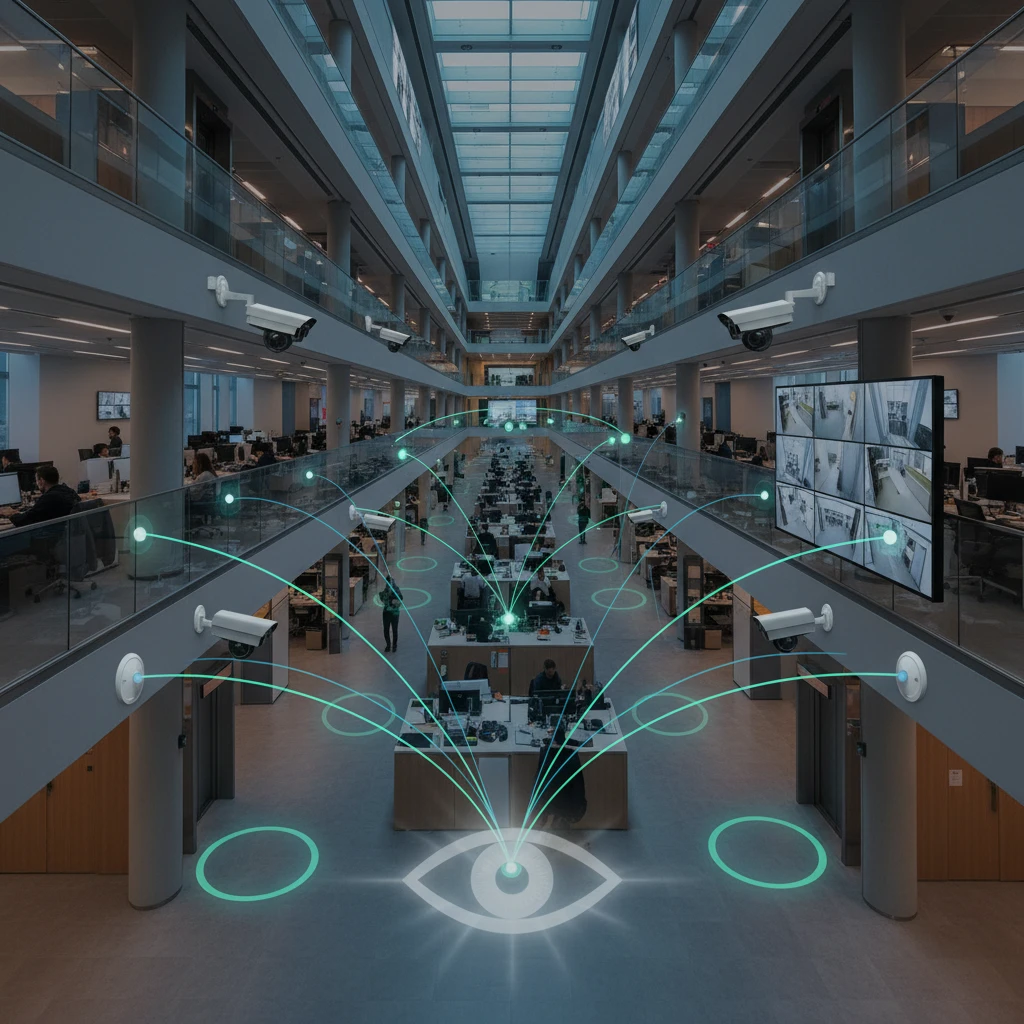
Warehouse Blind Spots: Inventory Shrinkage and Safety Hazards
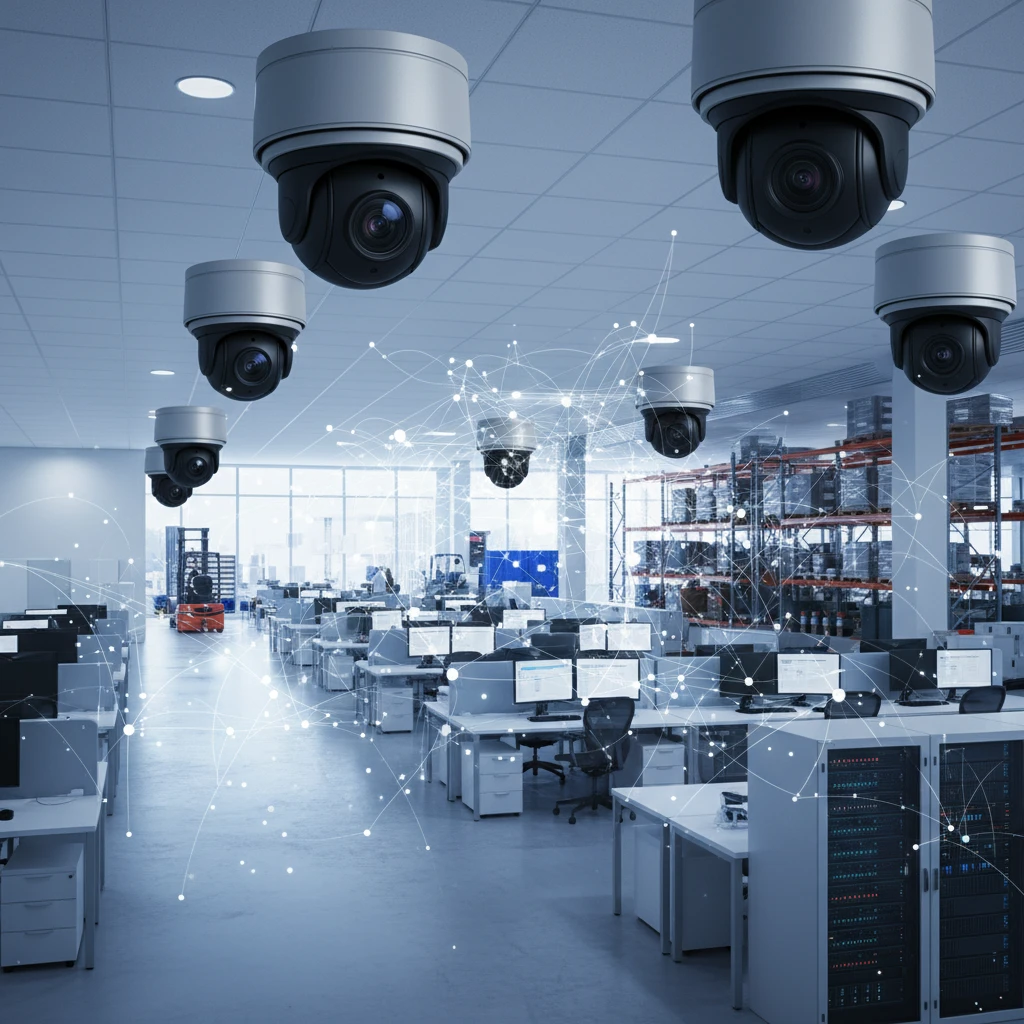
Warehouses are particularly vulnerable to blind spots due to their large size and complex layouts. Inventory shrinkage, resulting from theft or inaccurate tracking, is a common problem. Without proper surveillance, it can be difficult to identify the source of these losses and implement corrective measures. Furthermore, safety hazards, such as blocked aisles or improper handling of equipment, can go unnoticed, increasing the risk of accidents and injuries. Strategic placement of warehouse security cameras can help mitigate these risks by providing comprehensive coverage of critical areas, such as loading docks, storage areas, and high-traffic zones. This allows for better inventory control, improved safety compliance, and reduced liability.
Retail Blind Spots: Loss Prevention and Customer Service Gaps
In the retail environment, blind spots can lead to shoplifting, employee theft, and poor customer service. Areas with high foot traffic, such as checkout counters and product displays, are prime targets for theft. Without adequate surveillance, it can be challenging to identify and prevent these incidents. Additionally, blind spots can hinder your ability to monitor customer interactions, potentially leading to missed opportunities to improve service and enhance the customer experience. A well-designed commercial CCTV system in retail stores provides a visible deterrent to theft, captures evidence of incidents, and allows you to monitor customer service performance, ensuring a positive and secure shopping environment. Systems can be upgraded; read about security system retrofits for compliance to ensure yours is up-to-date.
Office Blind Spots: Security Breaches and Workflow Bottlenecks
While offices may seem less vulnerable than warehouses or retail stores, they still have significant blind spots. Unauthorized access to sensitive information, internal theft, and breaches of security protocols are all potential risks. Furthermore, inefficient workflows and employee misconduct can negatively impact productivity. Security cameras strategically placed in common areas, entrances, and exits can deter unauthorized access, monitor employee activity, and provide valuable insights into workflow bottlenecks. Access control systems can also be integrated with your commercial CCTV system to provide a comprehensive security solution for your office. We have a page discussing visible security in GTA offices that may be helpful.
Dealership Blind Spots: Vandalism, Theft, and Customer Interactions
Car dealerships face unique security challenges, including vandalism, theft of vehicles and parts, and potential liability issues related to customer interactions. Large outdoor lots and service bays are particularly vulnerable to these risks. Security cameras can act as a powerful deterrent to vandalism and theft, providing clear evidence in the event of an incident. Furthermore, strategically placed cameras can help monitor customer interactions, protecting your business from potential liability claims and ensuring a positive customer experience. For example, cameras can record interactions between salespeople and customers, providing a record of agreements and preventing misunderstandings. Systems for dealerships can be designed to be quite effective, as discussed on this page about expert system design for dealerships.
Business Security Cameras: A Strategic Tool for Eliminating Blind Spots
Real-Time Monitoring for Enhanced Situational Awareness
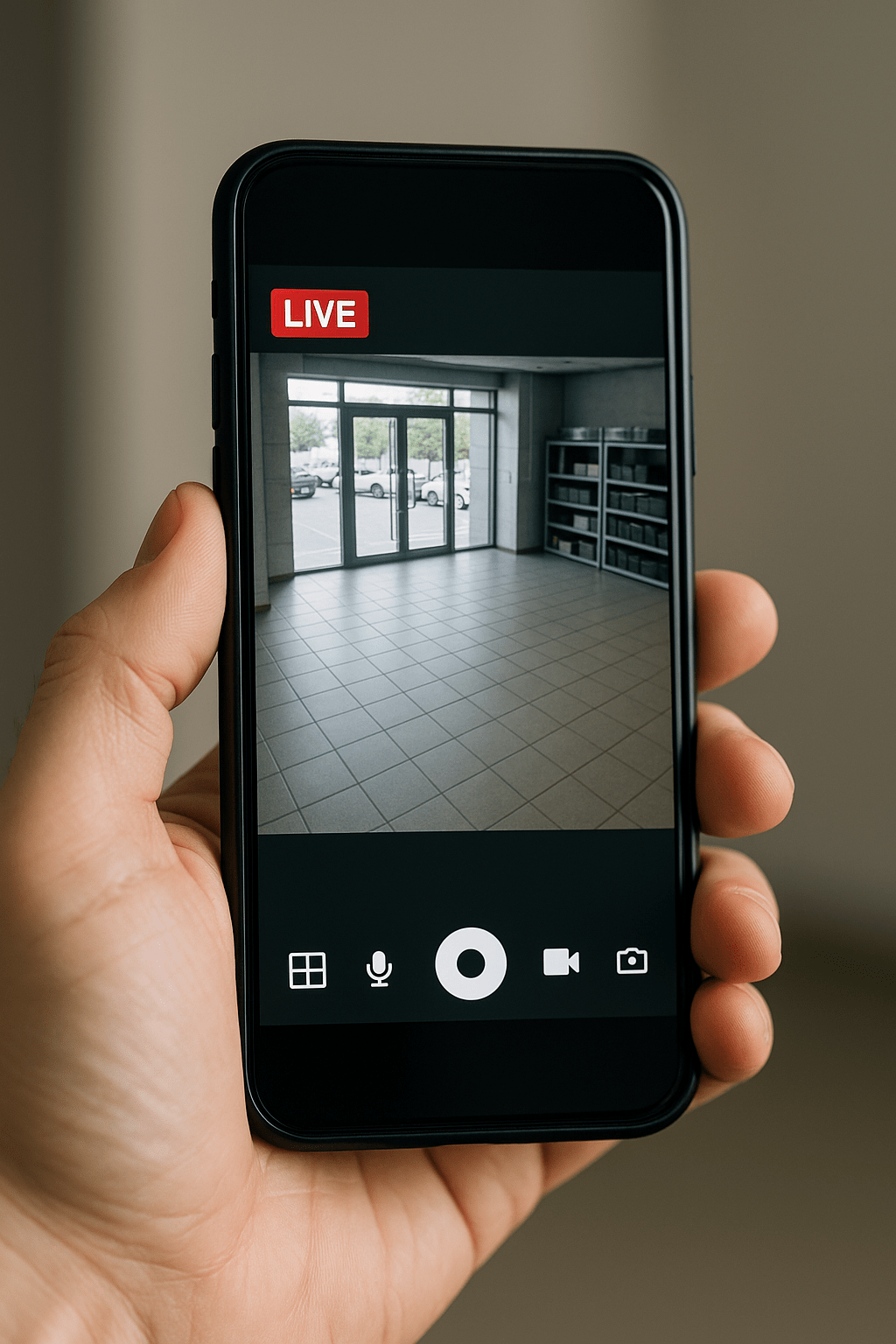
One of the primary benefits of commercial CCTV systems is their ability to provide real-time monitoring of your business premises. This allows you to maintain constant situational awareness, identifying potential threats and responding quickly to incidents as they occur. Real-time monitoring can be particularly valuable during off-hours or when key personnel are not on-site. Modern systems often include remote viewing capabilities, allowing you to monitor your business from anywhere with an internet connection. A robust system allows for comprehensive system design to minimize operational blindspots, ensuring no area goes unwatched.
Deterrent Effect: Discouraging Theft and Vandalism
The mere presence of security cameras can act as a powerful deterrent to theft and vandalism. Potential criminals are less likely to target a business that is visibly monitored, reducing the risk of incidents and protecting your assets. Visible cameras send a clear message that your business is serious about security, discouraging potential threats and creating a safer environment for your employees and customers. The presence of cameras acts as a constant reminder that activities are being recorded, promoting responsible behavior and reducing the likelihood of unwanted incidents. Remember that business security cameras mitigate liability risks.
Evidence Gathering: Aiding Investigations and Legal Proceedings
In the unfortunate event of a theft, vandalism, or other security incident, security camera footage can provide crucial evidence for investigations and legal proceedings. High-quality footage can capture clear images of perpetrators, providing law enforcement with valuable information to help identify and apprehend those responsible. Security camera footage can also be used to resolve disputes, defend against false claims, and protect your business from liability. A well-maintained and properly configured commercial CCTV system is an invaluable asset in any legal or insurance claim, providing clear and irrefutable evidence of what occurred. Modern AI systems can help parse this data faster, allowing your organization to proactively learn and adapt.
Choosing the Right Commercial CCTV System for Your Mississauga, Brampton, or Oakville Business
Camera Types: Understanding Lens Options, Resolution, and Features (IR, PTZ, etc.)
Selecting the right type of camera is crucial for achieving optimal coverage and performance. Different camera types offer various features and capabilities, making them suitable for different applications. Lens options, such as wide-angle or telephoto lenses, determine the field of view and the level of detail captured. Resolution, measured in pixels, affects the clarity and sharpness of the image. Features like infrared (IR) night vision and pan-tilt-zoom (PTZ) capabilities enhance the versatility and effectiveness of the system. Understanding these options allows you to choose the cameras that best meet your specific needs and budget. For example, PTZ cameras are ideal for covering large areas, while high-resolution cameras are essential for capturing detailed images.
Storage Solutions: Cloud vs. On-Premise Recording – What’s Best for Your Needs?
Choosing the right storage solution is essential for ensuring that your security camera footage is securely stored and readily accessible when needed. Cloud-based storage offers convenience, scalability, and off-site backup, protecting your footage from physical damage or theft. On-premise storage provides greater control over your data and can be more cost-effective for large amounts of footage. The best option depends on your specific needs and priorities. Consider factors such as storage capacity, bandwidth requirements, security concerns, and budget when making your decision. Most commercial CCTV systems offer the ability to review the video on your mobile device for easy monitoring on the go.
PoE (Power over Ethernet): Streamlining Installation and Reducing Costs
Power over Ethernet (PoE) technology simplifies the installation process by allowing you to transmit both power and data over a single Ethernet cable. This eliminates the need for separate power outlets, reducing installation costs and making it easier to deploy cameras in hard-to-reach locations. PoE also provides greater flexibility, allowing you to easily move or reposition cameras as your needs change. Furthermore, PoE can improve the reliability of your system by providing a centralized power source and reducing the risk of power outages. Understanding structured cabling and PoE can lead to substantial cost savings and streamlined system management.
Key Features to Look for in a Professional Business Security Camera System
Selecting the right business security camera system requires careful consideration of several key features. These features directly impact the system’s effectiveness in deterring crime, providing evidence, and improving operational efficiency. Prioritize features that align with your specific business needs and risk profile. For example, a warehouse environment will have drastically different needs than a retail storefront. Consider the following capabilities and ensure the chosen system integrator can demonstrate their reliable operation in conditions similar to your place of business.
Remote Viewing: Accessing Live Footage from Anywhere
Remote viewing capabilities are essential for modern business security. This feature allows authorized personnel to access live and recorded footage from any location with an internet connection, using a smartphone, tablet, or computer. Decision criteria should include the user-friendliness of the viewing app or software, the level of security implemented to protect access (e.g., two-factor authentication), and the ability to manage multiple cameras and locations from a single interface. A pitfall to avoid is relying on systems with weak encryption or inadequate security protocols, which could expose your business to cyber threats. Ensure the system offers robust user access controls, allowing you to grant specific permissions to different users. Example: A regional manager for a chain of retail stores could remotely monitor employee performance and customer traffic at each location, identifying potential security breaches or operational inefficiencies in real-time. This capability allowed a regional manager to reduce after-hours theft by 15% within the first quarter of implementation. Also, confirm that the system you choose has sufficient bandwidth and storage capabilities to support your remote viewing needs. Insufficient bandwidth may result in lag and reduce video quality.
Motion Detection: Receiving Alerts for Unusual Activity
Motion detection triggers the system to record footage and send alerts when movement is detected within a specified area. This feature helps to identify potential intruders or suspicious activity, even when no one is actively monitoring the cameras. Key considerations include the sensitivity of the motion detection (to minimize false alarms), the ability to customize detection zones, and the speed and reliability of alert notifications. Systems that offer AI-powered motion detection can distinguish between humans, vehicles, and animals, further reducing false alarms. A common pitfall is relying on basic motion detection that triggers alerts for every minor movement, leading to alert fatigue and missed critical events. Example: A warehouse manager receives a smartphone alert at 2:00 AM, notifying them of motion detected near the loading docks. Upon reviewing the footage, they discover an attempted break-in and immediately alert the authorities. This prevents a significant loss of inventory and damage to the property.
Night Vision: Ensuring Round-the-Clock Surveillance
Night vision is critical for ensuring continuous surveillance, especially in low-light or no-light conditions. The quality of night vision is determined by the camera’s infrared (IR) capabilities, lens quality, and sensor sensitivity. Consider cameras with long-range IR illumination and clear image resolution in darkness. A pitfall to avoid is choosing cameras with weak IR illumination that produces grainy or blurry images at night, rendering the footage unusable. Different types of night vision technologies exist, including infrared (IR) and starlight technology, each with its own advantages and disadvantages. Starlight technology, for instance, can produce color images even in very low-light conditions. Example: A car dealership utilizes night vision cameras to monitor their lot after hours. The high-quality night vision ensures that any suspicious activity, such as vandalism or theft, is clearly recorded, providing valuable evidence for law enforcement. Many quality commercial security cameras now offer night vision capabilities up to 100 feet.
Analytics: Object Detection, People Counting, and License Plate Recognition
Advanced analytics can significantly enhance the capabilities of a business security camera system. Object detection allows the system to identify specific objects, such as vehicles or packages, and trigger alerts based on their presence or movement. People counting can track customer traffic patterns, providing valuable insights for marketing and operations. License plate recognition (LPR) can automatically identify and record license plates of vehicles entering or leaving the premises, which is particularly useful for parking management and security. A pitfall is investing in analytics features that are not properly integrated with the camera system or that produce inaccurate results due to poor calibration or environmental factors. Ensure the analytics software is compatible with your existing systems and that you receive adequate training on its use and configuration. Proper data analytics can drive efficiency. Example: A manufacturing plant uses LPR to track vehicles entering and exiting the facility, automatically logging arrival and departure times for security and inventory management purposes. This significantly streamlines the process and reduces the risk of unauthorized access.
Professional Installation vs. DIY: Why Commercial-Grade Security Requires Expertise
While DIY security camera systems might seem appealing due to their lower upfront cost, professional installation is essential for commercial-grade security. A properly installed and configured system provides superior coverage, reliability, and integration with other security measures. DIY systems often lack the necessary features and expertise to meet the complex security needs of a business environment. Attempting to install a commercial system yourself can lead to improper placement, unreliable connections, and inadequate configuration, ultimately compromising the system’s effectiveness and creating vulnerabilities. Always prioritize a professional security integrator with a proven track record in commercial installations.
Structured Cabling: Ensuring Reliable and Scalable Infrastructure
Structured cabling is the foundation of a reliable and scalable business security camera system. It involves the systematic installation of cables and connectors to support the network infrastructure. Professional installers use high-quality cables, connectors, and termination techniques to ensure optimal signal transmission and minimal interference. A well-designed structured cabling system not only enhances the performance of the current system but also provides the flexibility to add or relocate cameras as your business grows. A pitfall is using substandard cabling or improper installation techniques, which can lead to signal degradation, network downtime, and costly repairs. Ensure the installer is certified and experienced in structured cabling for security camera systems. Using structured cabling minimizes downtime. Example: A growing warehouse initially installs a basic security camera system with haphazard cabling. As the business expands, they experience frequent network outages and poor video quality. Upgrading to a professionally installed structured cabling system resolves these issues, providing a stable and scalable foundation for their security infrastructure. Structured cabling in a warehouse should also be protected from forklift damage, which is a common concern.
Camera Placement: Optimizing Coverage and Minimizing Blind Spots
Strategic camera placement is crucial for maximizing coverage and minimizing blind spots. Professional installers conduct a thorough site survey to identify potential vulnerabilities and determine the optimal locations for each camera. They consider factors such as lighting conditions, viewing angles, and potential obstructions to ensure comprehensive surveillance. A common pitfall is placing cameras without proper planning, resulting in inadequate coverage and vulnerable areas. For example, placing a camera directly facing the sun can render the footage unusable during certain times of the day. A professional installer will also be able to advise on the appropriate camera type for each location, such as dome cameras for wide-angle views or bullet cameras for targeted surveillance. Example: A jewelry store hires a security expert to strategically place cameras throughout the store, ensuring complete coverage of the sales floor, display cases, and entrance/exit points. This reduces the risk of theft and provides valuable evidence in the event of a crime.
System Configuration: Integrating Cameras with Your Existing Security Setup
Professional installers can properly configure the security camera system to integrate seamlessly with your existing security infrastructure, such as access control systems, alarm systems, and video management software (VMS). This integration allows for a unified security solution, providing enhanced monitoring and control. Improper configuration can lead to compatibility issues, missed alerts, and reduced functionality. Ensure the installer has experience integrating different security systems and can provide ongoing support and maintenance. This is especially important for larger businesses with complex security needs. Consider the expertise required when choosing a commercial CCTV Mississauga security integrator. Example: A large office building integrates its security camera system with its access control system. When an unauthorized person attempts to enter the building, the security cameras automatically focus on the entry point and record the event, providing valuable evidence for security personnel.
The ROI of Investing in a Comprehensive Business Security Camera System
Investing in a comprehensive business security camera system offers a significant return on investment (ROI) by reducing theft and shrinkage, improving employee productivity and accountability, and lowering insurance premiums. While the initial cost of installation may seem substantial, the long-term benefits far outweigh the expenses. A well-designed and properly maintained system can protect your business from financial losses, enhance operational efficiency, and create a safer environment for employees and customers. Businesses should consider these benefits alongside the initial costs to determine true ROI.
Reducing Theft and Shrinkage: Quantifying the Financial Impact
A security camera system acts as a powerful deterrent to theft and shrinkage, which can significantly impact a business’s bottom line. By visually monitoring employees, customers, and vendors, the system can help to identify and prevent theft, fraud, and other forms of misconduct. Quantifying the financial impact of reduced theft and shrinkage provides a clear picture of the ROI of the security camera system. This may involve tracking inventory losses before and after the installation of the system or conducting internal audits to identify areas of vulnerability. A pitfall is failing to properly analyze the data and track the impact of the security camera system on theft and shrinkage. Make sure you establish clear metrics and track your progress. Example: A retail store installs a comprehensive security camera system and experiences a 20% reduction in inventory shrinkage within the first year. This translates to a savings of $10,000, which quickly offsets the cost of the system.
Improving Employee Productivity and Accountability
A security camera system can also improve employee productivity and accountability by providing a visual record of employee activities. Knowing that they are being monitored can encourage employees to adhere to company policies, maintain productivity standards, and provide better customer service. The footage can also be used to resolve disputes, investigate complaints, and identify areas where employees may need additional training or support. A pitfall to avoid is using the security camera system to micromanage employees or create a hostile work environment. It’s essential to communicate the purpose of the system clearly and ensure that it is used in a fair and transparent manner. Example: A call center installs security cameras to monitor employee interactions with customers. The footage reveals that some employees are spending excessive time on personal calls during work hours. Addressing this issue leads to a 10% increase in overall productivity.
Lowering Insurance Premiums: Demonstrating Enhanced Security Measures
Many insurance companies offer discounts on premiums for businesses that implement enhanced security measures, such as a security camera system. By demonstrating that you have taken steps to protect your business from theft, vandalism, and other risks, you can potentially lower your insurance costs. Contact your insurance provider to inquire about available discounts and the specific requirements for qualifying. The amount of the discount will vary depending on the insurance company and the extent of the security measures implemented. Example: A car dealership installs a state-of-the-art security camera system with license plate recognition and perimeter monitoring. Their insurance provider offers a 15% discount on their annual premium, resulting in significant savings. Be prepared to provide detailed documentation of your security camera system, including installation records, camera specifications, and monitoring procedures.
Security System Upgrades: Leveraging New Technology to Enhance Your Existing Surveillance
Technology advances rapidly, and businesses should regularly evaluate their security camera systems to determine if upgrades are necessary. Upgrading an existing system can significantly enhance its capabilities, improve its performance, and protect your business from emerging threats. Retrofitting an aging system with current technology provides an opportunity to reduce costs and improve effectiveness. Consider these upgrade options to remain current with security best practices.
Replacing Analog Cameras with High-Definition IP Cameras
Replacing older analog cameras with high-definition (HD) IP cameras is one of the most impactful upgrades you can make to your security system. IP cameras offer significantly better image quality, allowing for clearer identification of individuals and objects. They also provide advanced features such as remote viewing, motion detection, and video analytics. While analog cameras transmit video signals over coaxial cables, IP cameras transmit data over a network, allowing for greater flexibility and scalability. A pitfall to avoid is simply replacing the cameras without upgrading the network infrastructure to support the increased bandwidth requirements of HD video. Ensure your network is capable of handling the increased data traffic. Also, consider commercial CCTV: security system retrofits for compliance. Example: A retail store replaces its outdated analog cameras with HD IP cameras. The improved image quality allows them to identify shoplifters more easily and provide clearer evidence to law enforcement. The store also sees a benefit to having more precise video recordings.
Integrating Existing Systems with New Analytics Software
Integrating existing security camera systems with new analytics software can unlock a wealth of valuable insights. Analytics software can analyze video footage in real-time, providing alerts for suspicious activity, tracking customer traffic patterns, and identifying operational inefficiencies. This can help you to proactively address security threats, optimize staffing levels, and improve customer service. A pitfall is choosing analytics software that is not compatible with your existing camera system or that requires extensive customization. Ensure the software is user-friendly and provides the specific analytics capabilities you need. Regularly audit the software and data to ensure accuracy. Example: A warehouse integrates its existing security camera system with analytics software that detects unauthorized access to restricted areas. This allows them to respond quickly to potential security breaches and prevent inventory loss.
Expanding Coverage to Address Evolving Security Needs
As your business grows and evolves, your security needs may change. Expanding the coverage of your security camera system is essential to address new vulnerabilities and protect against emerging threats. This may involve adding cameras to new areas of your facility, upgrading existing cameras to cover wider angles, or implementing specialized cameras to address specific security concerns. A pitfall to avoid is simply adding cameras without a comprehensive security assessment. Ensure you conduct a thorough site survey to identify potential vulnerabilities and determine the optimal placement for new cameras. Consider the environmental conditions when choosing cameras. Example: A manufacturing plant adds security cameras to its newly expanded loading dock area to monitor incoming and outgoing shipments. This helps to prevent theft and ensure the integrity of the supply chain.
Beyond the Cameras: Integrating Your Security System with Access Control and Alarm Systems
Creating a Unified Security Ecosystem for Maximum Protection
A truly robust business security strategy goes beyond simply installing cameras. Integrating your security cameras with other security systems like access control and alarm systems creates a unified and more effective security ecosystem. This integration allows for a coordinated response to security threats, providing comprehensive protection for your business premises. For example, consider a scenario where an unauthorized person attempts to enter a restricted area. The access control system denies entry, triggers an alarm, and simultaneously alerts the security camera system to record and focus on the event. This immediate, coordinated response minimizes the risk of unauthorized access and potential theft or damage.
Think about how different systems work together. Your alarm system might trigger camera recording upon detecting a break-in, or your access control system could provide video verification of employees entering restricted areas. To get the most from these integrations, carefully consider your business’s specific security risks and vulnerabilities. The experts at AYS Security can help design a system tailored to your unique needs, ensuring seamless integration between different security components. Proper CCTV system design is key to achieving comprehensive coverage.
Streamlining Security Operations with Centralized Management
Integrating your security systems allows for centralized management through a single platform. This eliminates the need to manage separate systems independently, saving time and resources. A centralized management system provides a single point of access for monitoring camera feeds, managing access control credentials, and responding to alarms. This allows security personnel to quickly assess situations, make informed decisions, and take appropriate action. For instance, a security manager can remotely unlock a door for a delivery person while simultaneously verifying their identity through the camera system. This level of control and coordination significantly improves operational efficiency and reduces the risk of human error. By centralizing control, you streamline security operations, making them more effective and easier to manage, and a system retrofit might be required to accomplish that.
Reducing False Alarms and Improving Response Times
Integrated systems can significantly reduce the number of false alarms and improve response times. For example, video verification can confirm whether an alarm is genuine before dispatching security personnel or contacting the authorities. This prevents unnecessary disruptions and conserves valuable resources. Intelligent analytics can also be used to filter out common causes of false alarms, such as animals or weather conditions. By reducing the number of false alarms, security personnel can focus on genuine threats, leading to faster and more effective responses. A well-designed system minimizes operational blind spots, ensuring that all areas of your business are adequately monitored. Using centralized management software, a business can respond to triggers quickly and efficiently.
Meeting Compliance Standards: Ensuring Your Security System Meets Legal Requirements
Privacy Laws: Protecting Employee and Customer Privacy
When deploying security cameras, it’s crucial to comply with privacy laws. These laws regulate how businesses can collect, use, and store video footage. In Ontario, businesses must inform employees and customers that they are being recorded, typically through signage. You must also ensure that the cameras are not placed in areas where individuals have a reasonable expectation of privacy, such as restrooms or changing rooms. Failing to comply with privacy laws can lead to significant legal penalties and reputational damage. Transparency and adherence to privacy principles are paramount. Before installing a business security system, consult with legal counsel to ensure compliance with all applicable privacy regulations. Review PIPEDA (Personal Information Protection and Electronic Documents Act) for federal guidelines.
Industry-Specific Regulations: Complying with Security Mandates
Certain industries have specific security regulations that businesses must comply with. For example, financial institutions and healthcare providers are subject to strict security requirements to protect sensitive data and ensure the safety of their premises. These regulations may mandate specific types of security cameras, storage requirements, and access controls. Failing to comply with these regulations can result in hefty fines and other penalties. Stay informed about the security regulations that apply to your industry and ensure that your security system meets those requirements. AYS Security can help you understand and comply with industry-specific security mandates, such as PCI DSS for retail businesses.
Data Retention Policies: Establishing Guidelines for Storing and Managing Footage
Establish clear data retention policies for storing and managing video footage. These policies should outline how long footage is stored, who has access to it, and how it is securely disposed of when it is no longer needed. Data retention policies should comply with privacy laws and industry regulations. Consider factors such as storage capacity, legal requirements, and business needs when determining your data retention policies. Implement technical and organizational measures to protect the confidentiality and integrity of video footage. Regularly review and update your data retention policies to ensure they remain compliant and effective. For example, if you need to retain footage for 30 days due to compliance requirements, ensure your system has the necessary storage capacity and that access is restricted to authorized personnel.
Partnering with AYS Security for Expert Business Security Solutions in Mississauga, Brampton, and Beyond
Customized System Design: Tailoring a Solution to Your Specific Needs
AYS Security understands that every business has unique security needs. That’s why we offer customized system design services to tailor a solution to your specific requirements. Our experienced security professionals will conduct a thorough assessment of your business premises and identify potential security vulnerabilities. We will then work with you to design a security system that addresses those vulnerabilities and meets your budget. Whether you need a simple camera system for a small retail store or a complex integrated system for a large manufacturing facility, AYS Security can provide a solution that fits your needs. This includes proper structured cabling to support your system effectively.
Professional Installation and Maintenance: Ensuring Optimal Performance
Proper installation and maintenance are essential for ensuring the optimal performance of your security system. AYS Security provides professional installation services to ensure that your system is installed correctly and configured for maximum effectiveness. Our experienced technicians will handle all aspects of the installation process, from mounting cameras to connecting them to the network. We also offer ongoing maintenance services to keep your system running smoothly and prevent potential problems. Regular maintenance includes cleaning cameras, checking connections, and updating software. With professional installation and maintenance, you can rest assured that your security system is always working at its best. For businesses needing CCTV in Brampton, AYS Security has a proven track record of successful installations .
Ongoing Support: Providing Expert Assistance and Troubleshooting
AYS Security provides ongoing support to ensure that you always have access to expert assistance when you need it. Our knowledgeable support team is available to answer your questions, troubleshoot problems, and provide guidance on how to use your security system effectively. Whether you need help with accessing video footage, managing user accounts, or configuring system settings, we are here to help. We offer various support options, including phone support, email support, and remote access support. With AYS Security’s ongoing support, you can always count on having the resources you need to keep your business secure. For example, if you’re facing issues with remote viewing on your mobile device, our team can guide you through the troubleshooting steps.
Take Control of Your Business Security: Schedule a Consultation with AYS Security Today
Don’t leave your business vulnerable to security threats. Take control of your business security by scheduling a consultation with AYS Security today. Our experienced security professionals will assess your needs, design a customized solution, and provide expert installation, maintenance, and support. With AYS Security, you can have peace of mind knowing that your business is protected by a reliable and effective security system. Protect your assets, employees, and customers by investing in a comprehensive security solution tailored to your specific needs. A solid security system helps you mitigate liability risks effectively.
By integrating your security cameras with other systems, complying with regulations, and partnering with a trusted provider like AYS Security, you can create a comprehensive security strategy that protects your business and minimizes operational blind spots. Contact us today to learn more about how we can help you secure your business in Mississauga, Brampton, and the surrounding areas.
Beyond the Cameras: Integrating Your Security System with Access Control and Alarm Systems
CCTV systems are even more effective when integrated with other security measures, like access control and alarm systems. This integrated approach creates a layered defense that enhances overall business security.
Creating a Unified Security Ecosystem for Maximum Protection
Integrating CCTV cameras with access control systems allows you to visually verify who is entering your premises and restrict access to authorized personnel only. This integration enhances security and provides a comprehensive view of access events. Combining cameras with alarm systems enables real-time video verification of alarms, reducing false alarms and improving response times.
Streamlining Security Operations with Centralized Management
By integrating your CCTV system with other security systems, you can manage all your security functions from a single platform. This centralized management simplifies security operations and improves overall efficiency. Integrating these systems allows for automated responses to security events, such as automatically locking doors when an alarm is triggered. This proactive approach enhances security and reduces the risk of unauthorized access or incidents.
Reducing False Alarms and Improving Response Times
Integrating cameras with alarm systems allows for real-time video verification of alarms, reducing false alarms and improving response times. This integration can help dispatchers quickly assess the situation and send the appropriate response, saving time and resources. The video verification aspect allows for better informed decisions during emergencies, potentially preventing escalation of events.
Meeting Compliance Standards: Ensuring Your Security System Meets Legal Requirements
When installing and operating a CCTV system, it is essential to meet all applicable compliance standards, including privacy laws, industry-specific regulations, and data retention policies. Compliance ensures that your security system is operating legally and ethically.
Privacy Laws: Protecting Employee and Customer Privacy
You must comply with all applicable privacy laws, such as PIPEDA (Personal Information Protection and Electronic Documents Act), which governs the collection, use, and disclosure of personal information. This includes obtaining consent for video surveillance, protecting personal information from unauthorized access, and providing individuals with access to their video footage. Complying with privacy laws builds trust with employees and customers, demonstrating your commitment to respecting their privacy rights. Regular training for staff on privacy protocols is essential.
Industry-Specific Regulations: Complying with Security Mandates
Certain industries, such as banking, healthcare, and retail, may have specific security regulations that you must comply with. These regulations may include requirements for camera coverage, video retention, and data security. Failing to comply with these regulations can result in fines, penalties, and reputational damage. It’s important to stay informed about changes in industry regulations and update your security system accordingly.
Data Retention Policies: Establishing Guidelines for Storing and Managing Footage
Establish clear data retention policies that specify how long video footage will be stored and how it will be managed. These policies should comply with privacy laws and industry regulations and should be communicated to employees and customers. Regularly review and update your data retention policies to ensure they remain compliant with changing regulations.
Partnering with AYS Security for Expert Business Security Solutions in Mississauga, Brampton, and Beyond
Partnering with a trusted security provider like AYS Security ensures that you receive expert guidance and support throughout the entire process, from system design to installation, maintenance, and ongoing support.
Customized System Design: Tailoring a Solution to Your Specific Needs
AYS Security will work closely with you to design a customized CCTV system that meets your specific security needs and budget. We will assess your property, identify potential vulnerabilities, and recommend the optimal camera placement, features, and integrations. We ensure that your system meets all applicable compliance standards. A customized system means you’re not paying for features you don’t need.
Professional Installation and Maintenance: Ensuring Optimal Performance
AYS Security’s experienced technicians will install your CCTV system quickly and efficiently, ensuring that all cameras are properly positioned, connected, and configured. We also provide ongoing maintenance services to keep your system running smoothly and prevent downtime. Regular maintenance includes cleaning cameras, checking connections, and updating software. For businesses seeking CCTV solutions, AYS Security offers reliable installations and maintenance.
Ongoing Support: Providing Expert Assistance and Troubleshooting
AYS Security provides ongoing support to ensure that you always have access to expert assistance when you need it. Our knowledgeable support team is available to answer your questions, troubleshoot problems, and provide guidance on how to use your security system effectively. We offer various support options, including phone support, email support, and remote access support. With AYS Security’s ongoing support, you can always count on having the resources you need to keep your business secure.
Take Control of Your Business Security: Schedule a Consultation with AYS Security Today
Don’t leave your business vulnerable to security threats. Take control of your business security by scheduling a consultation with AYS Security today. Our experienced security professionals will assess your needs, design a customized solution, and provide expert installation, maintenance, and support. Protect your assets, employees, and customers by investing in a comprehensive security solution tailored to your specific needs.
By integrating your security cameras with other systems, complying with regulations, and partnering with a trusted provider like AYS Security, you can create a comprehensive security strategy that protects your business and minimizes operational blind spots. Contact us today to learn more about how we can help you secure your business in Mississauga, Brampton, and the surrounding areas.
Beyond the Cameras: Integrating Your Security System with Access Control and Alarm Systems
A comprehensive security strategy goes beyond just security cameras. Integrating your CCTV system with access control and alarm systems can create a more robust and effective security solution. This integration can enhance your overall security posture and provide a more unified approach to managing your business’s safety.
Creating a Unified Security Ecosystem for Maximum Protection
Integrating your security systems creates a unified security ecosystem where different components work together seamlessly. This integration allows for a more coordinated response to security threats and provides a more comprehensive view of your business’s security landscape. For example, if an unauthorized entry attempt is detected by your access control system, the CCTV system can automatically record the event and send an alert to your security team.
Streamlining Security Operations with Centralized Management
Centralized management of your security systems can significantly streamline your security operations. By integrating your CCTV, access control, and alarm systems into a single platform, you can monitor and control all aspects of your security from one central location. This centralized management can save time, reduce errors, and improve overall security efficiency.
Reducing False Alarms and Improving Response Times
Integrating your security systems can help reduce false alarms and improve response times to actual security threats. By correlating data from different systems, you can filter out false alarms and focus on genuine security incidents. For example, if a door is opened after hours and no authorized personnel are present, the system can trigger an alarm and alert the security team.
Meeting Compliance Standards: Ensuring Your Security System Meets Legal Requirements
When implementing a CCTV system, it’s essential to meet all applicable compliance standards and legal requirements. These standards may vary depending on your industry, location, and the specific data being collected. Failing to comply with these regulations can result in fines, penalties, and damage to your reputation.
Privacy Laws: Protecting Employee and Customer Privacy
Privacy laws are a critical consideration when implementing a CCTV system. You must ensure that your system complies with all applicable privacy laws, such as PIPEDA in Canada, which governs the collection, use, and disclosure of personal information. This includes informing employees and customers about the use of CCTV cameras and obtaining their consent where required. AYS Security provides guidance to maintain compliance with Canada’s privacy regulations.
Industry-Specific Regulations: Complying with Security Mandates
Certain industries may have specific security regulations that you must comply with. For example, healthcare facilities may be subject to HIPAA regulations, while financial institutions may be subject to PCI DSS requirements. These regulations may dictate specific security measures, such as encryption, access controls, and data retention policies. AYS Security helps businesses to understand and adhere to industry-specific security mandates to minimize compliance risks.
Data Retention Policies: Establishing Guidelines for Storing and Managing Footage
Data retention policies are essential for managing the footage collected by your CCTV system. You should establish clear guidelines for how long footage will be stored, how it will be accessed, and how it will be disposed of. These policies should comply with all applicable privacy laws and industry regulations. AYS Security provides consulting services to ensure your data retention policies are up to par, reducing potential legal exposure.
Partnering with AYS Security for Expert Business Security Solutions in Mississauga, Brampton, and Beyond
When it comes to protecting your business, partnering with a trusted security provider like AYS Security can make all the difference. We have the expertise and experience to design, install, and maintain a customized CCTV system that meets your specific needs and budget.
Customized System Design: Tailoring a Solution to Your Specific Needs
AYS Security works closely with you to design a customized CCTV system that meets your specific security needs and budget. We will assess your property, identify potential vulnerabilities, and recommend the optimal camera placement, features, and integrations. We ensure that your system meets all applicable compliance standards. A customized system means you’re not paying for features you don’t need.
Professional Installation and Maintenance: Ensuring Optimal Performance
AYS Security’s experienced technicians will install your CCTV system quickly and efficiently, ensuring that all cameras are properly positioned, connected, and configured. We also provide ongoing maintenance services to keep your system running smoothly and prevent downtime. Regular maintenance includes cleaning cameras, checking connections, and updating software. For businesses seeking CCTV solutions, AYS Security offers reliable installations and maintenance.
Ongoing Support: Providing Expert Assistance and Troubleshooting
AYS Security provides ongoing support to ensure that you always have access to expert assistance when you need it. Our knowledgeable support team is available to answer your questions, troubleshoot problems, and provide guidance on how to use your security system effectively. We offer various support options, including phone support, email support, and remote access support. With AYS Security’s ongoing support, you can always count on having the resources you need to keep your business secure.
Take Control of Your Business Security: Schedule a Consultation with AYS Security Today
Don’t leave your business vulnerable to security threats. Take control of your business security by scheduling a consultation with AYS Security today. Our experienced security professionals will assess your needs, design a customized solution, and provide expert installation, maintenance, and support. Protect your assets, employees, and customers by investing in a comprehensive security solution tailored to your specific needs.
By integrating your security cameras with other systems, complying with regulations, and partnering with a trusted provider like AYS Security, you can create a comprehensive security strategy that protects your business and minimizes operational blind spots. Contact us today to learn more about how we can help you secure your business in Mississauga, Brampton, and the surrounding areas.
Beyond the Cameras: Integrating Your Security System with Access Control and Alarm Systems
Security cameras are a crucial part of a comprehensive security system, but integrating them with other systems, such as access control and alarm systems, can provide even greater protection. Integrating these systems creates a unified security ecosystem that streamlines security operations, reduces false alarms, and improves response times.
Creating a Unified Security Ecosystem for Maximum Protection
Integrating your security cameras with access control systems allows you to control who enters your building and when. By integrating these systems, you can ensure that only authorized personnel have access to sensitive areas and that you have a record of everyone who enters and exits your premises. This integration can also enhance your ability to respond to security threats by providing real-time information about who is on your property. For example, access control systems can grant or deny entry based on credentials and schedules.
Streamlining Security Operations with Centralized Management
Integrating your security cameras with alarm systems allows you to monitor your property for unauthorized activity. When an alarm is triggered, your security cameras can automatically record footage of the event, providing valuable evidence for investigations. This integration also streamlines security operations by allowing you to manage your security cameras and alarm systems from a single platform. Centralized management simplifies monitoring and response, making your security team more efficient. Centralized platforms mean faster response times and fewer resources spent managing disparate systems.
Reducing False Alarms and Improving Response Times
Integrating security cameras with alarm systems and access control can significantly reduce false alarms. Visual verification through security cameras allows security personnel to quickly assess the situation and determine if an alarm is genuine before dispatching emergency services. This reduces unnecessary costs and improves response times for actual emergencies. Integrating these elements is crucial for efficient business security operations.
Meeting Compliance Standards: Ensuring Your Security System Meets Legal Requirements
When implementing a security system, it’s crucial to ensure that it complies with all applicable laws and regulations. This includes privacy laws, industry-specific regulations, and data retention policies. Failure to comply with these standards can result in legal penalties and damage to your reputation.
Privacy Laws: Protecting Employee and Customer Privacy
Privacy laws, such as PIPEDA (Personal Information Protection and Electronic Documents Act) in Canada, govern the collection, use, and disclosure of personal information. When implementing a security camera system, it’s essential to consider these laws to protect the privacy of your employees and customers. This includes informing individuals that they are being recorded, limiting the use of security cameras to legitimate security purposes, and securely storing and disposing of footage. Understanding Canadian privacy laws ensures responsible use of security systems.
Industry-Specific Regulations: Complying with Security Mandates
Certain industries, such as finance, healthcare, and retail, may have specific security regulations that must be followed. These regulations may require the use of specific types of security cameras, access control systems, and alarm systems. Failure to comply with these regulations can result in fines, penalties, and even the loss of your business license. For example, financial institutions may be required to have specific video surveillance capabilities. Compliance is non-negotiable in regulated sectors.
Data Retention Policies: Establishing Guidelines for Storing and Managing Footage
Data retention policies dictate how long security footage should be stored and how it should be managed. These policies should be based on legal requirements, industry best practices, and your organization’s specific needs. It’s essential to have a clear data retention policy in place to ensure that you are storing footage for the appropriate amount of time and that you are disposing of it properly when it is no longer needed. A well-defined retention policy is essential for compliance and operational efficiency. Properly storing data helps ensure quick access when needed.
Partnering with AYS Security for Expert Business Security Solutions in Mississauga, Brampton, and Beyond
Partnering with a trusted security provider like AYS Security can provide you with peace of mind knowing that your business is protected by a comprehensive security solution designed to meet your specific needs. AYS Security offers a full range of business security solutions, including security cameras, access control systems, alarm systems, and more.
Customized System Design: Tailoring a Solution to Your Specific Needs
AYS Security works closely with you to design a customized security system that meets your specific security needs and budget. We will assess your property, identify potential vulnerabilities, and recommend the optimal camera placement, features, and integrations. A customized system means you’re not paying for features you don’t need. We ensure that your system meets all applicable compliance standards.
Professional Installation and Maintenance: Ensuring Optimal Performance
AYS Security’s experienced technicians will install your CCTV system quickly and efficiently, ensuring that all cameras are properly positioned, connected, and configured. We also provide ongoing maintenance services to keep your system running smoothly and prevent downtime. Regular maintenance includes cleaning cameras, checking connections, and updating software. For businesses seeking CCTV solutions, AYS Security offers reliable installations and maintenance.
Ongoing Support: Providing Expert Assistance and Troubleshooting
AYS Security provides ongoing support to ensure that you always have access to expert assistance when you need it. Our knowledgeable support team is available to answer your questions, troubleshoot problems, and provide guidance on how to use your security system effectively. We offer various support options, including phone support, email support, and remote access support. With AYS Security’s ongoing support, you can always count on having the resources you need to keep your business secure.
Take Control of Your Business Security: Schedule a Consultation with AYS Security Today
Don’t leave your business vulnerable to security threats. Take control of your business security by scheduling a consultation with AYS Security today. Our experienced security professionals will assess your needs, design a customized solution, and provide expert installation, maintenance, and support. Protect your assets, employees, and customers by investing in a comprehensive security solution tailored to your specific needs.
By integrating your security cameras with other systems, complying with regulations, and partnering with a trusted provider like AYS Security, you can create a comprehensive security strategy that protects your business and minimizes operational blind spots. Contact us today to learn more about how we can help you secure your business in Mississauga, Brampton, and the surrounding areas.
Beyond the Cameras: Integrating Your Security System with Access Control and Alarm Systems
Integrating your security cameras with access control and alarm systems creates a unified security ecosystem that enhances your overall protection. This integration allows you to monitor and control access to your premises, respond quickly to alarms, and gather evidence in the event of an incident.
Creating a Unified Security Ecosystem for Maximum Protection
By integrating your security cameras with access control systems, you can monitor who is entering and exiting your building, restrict access to sensitive areas, and create audit trails of employee and visitor activity. This integration also allows you to remotely lock and unlock doors, grant access to authorized personnel, and receive alerts when unauthorized access is attempted. Integrating with alarm systems ensures immediate awareness.
Streamlining Security Operations with Centralized Management
Integrating your security cameras with your alarm system allows you to verify alarms visually, reduce false alarms, and improve response times. When an alarm is triggered, you can instantly view live video from the camera covering the affected area to assess the situation and determine the appropriate course of action. Centralized management allows security personnel to oversee multiple systems through a single interface.
Reducing False Alarms and Improving Response Times
Visual verification of alarms can significantly reduce false alarms, saving you time, money, and unnecessary stress. It also allows you to dispatch security personnel or law enforcement more quickly and effectively in the event of a real emergency. Properly integrated systems prioritize accurate alerts.
Meeting Compliance Standards: Ensuring Your Security System Meets Legal Requirements
Security systems must comply with a variety of legal requirements, including privacy laws, industry-specific regulations, and data retention policies. It is essential to ensure that your security system meets all applicable standards to avoid legal penalties and protect the rights of your employees and customers.
Privacy Laws: Protecting Employee and Customer Privacy
Privacy laws regulate the collection, use, and disclosure of personal information, including video footage. You must obtain consent from individuals before recording them, provide notice of your surveillance activities, and protect the privacy of any footage you collect. Compliance with PIPEDA and other privacy regulations is paramount.
Industry-Specific Regulations: Complying with Security Mandates
Certain industries, such as healthcare, finance, and gaming, are subject to specific security regulations that require them to implement certain security measures, including video surveillance. It is essential to understand and comply with all applicable industry-specific regulations to avoid fines and other penalties. For example, casinos often have strict surveillance requirements.
Data Retention Policies: Establishing Guidelines for Storing and Managing Footage
Data retention policies dictate how long you can store video footage and how you must dispose of it when it is no longer needed. It is essential to establish clear data retention policies that comply with all applicable laws and regulations. These policies should also address how to protect the security and confidentiality of your video footage. Many businesses implement automated deletion schedules to adhere to data retention rules.
Partnering with AYS Security for Expert Business Security Solutions in Mississauga, Brampton, and Beyond
Partnering with AYS Security provides you with access to expert business security solutions tailored to your specific needs. We offer a comprehensive range of services, including system design, professional installation and maintenance, and ongoing support.
Customized System Design: Tailoring a Solution to Your Specific Needs
AYS Security works closely with you to design a customized security system that meets your specific security needs and budget. We will assess your property, identify potential vulnerabilities, and recommend the optimal camera placement, features, and integrations. A customized system means you’re not paying for features you don’t need. We ensure that your system meets all applicable compliance standards.
Professional Installation and Maintenance: Ensuring Optimal Performance
AYS Security’s experienced technicians will install your CCTV system quickly and efficiently, ensuring that all cameras are properly positioned, connected, and configured. We also provide ongoing maintenance services to keep your system running smoothly and prevent downtime. Regular maintenance includes cleaning cameras, checking connections, and updating software. For businesses seeking CCTV solutions, AYS Security offers reliable installations and maintenance.
Ongoing Support: Providing Expert Assistance and Troubleshooting
AYS Security provides ongoing support to ensure that you always have access to expert assistance when you need it. Our knowledgeable support team is available to answer your questions, troubleshoot problems, and provide guidance on how to use your security system effectively. We offer various support options, including phone support, email support, and remote access support. With AYS Security’s ongoing support, you can always count on having the resources you need to keep your business secure.
Take Control of Your Business Security: Schedule a Consultation with AYS Security Today
Don’t leave your business vulnerable to security threats. Take control of your business security by scheduling a consultation with AYS Security today. Our experienced security professionals will assess your needs, design a customized solution, and provide expert installation, maintenance, and support. Protect your assets, employees, and customers by investing in a comprehensive security solution tailored to your specific needs.
By integrating your security cameras with other systems, complying with regulations, and partnering with a trusted provider like AYS Security, you can create a comprehensive security strategy that protects your business and minimizes operational blind spots. Contact us today to learn more about how we can help you secure your business in Mississauga, Brampton, and the surrounding areas.