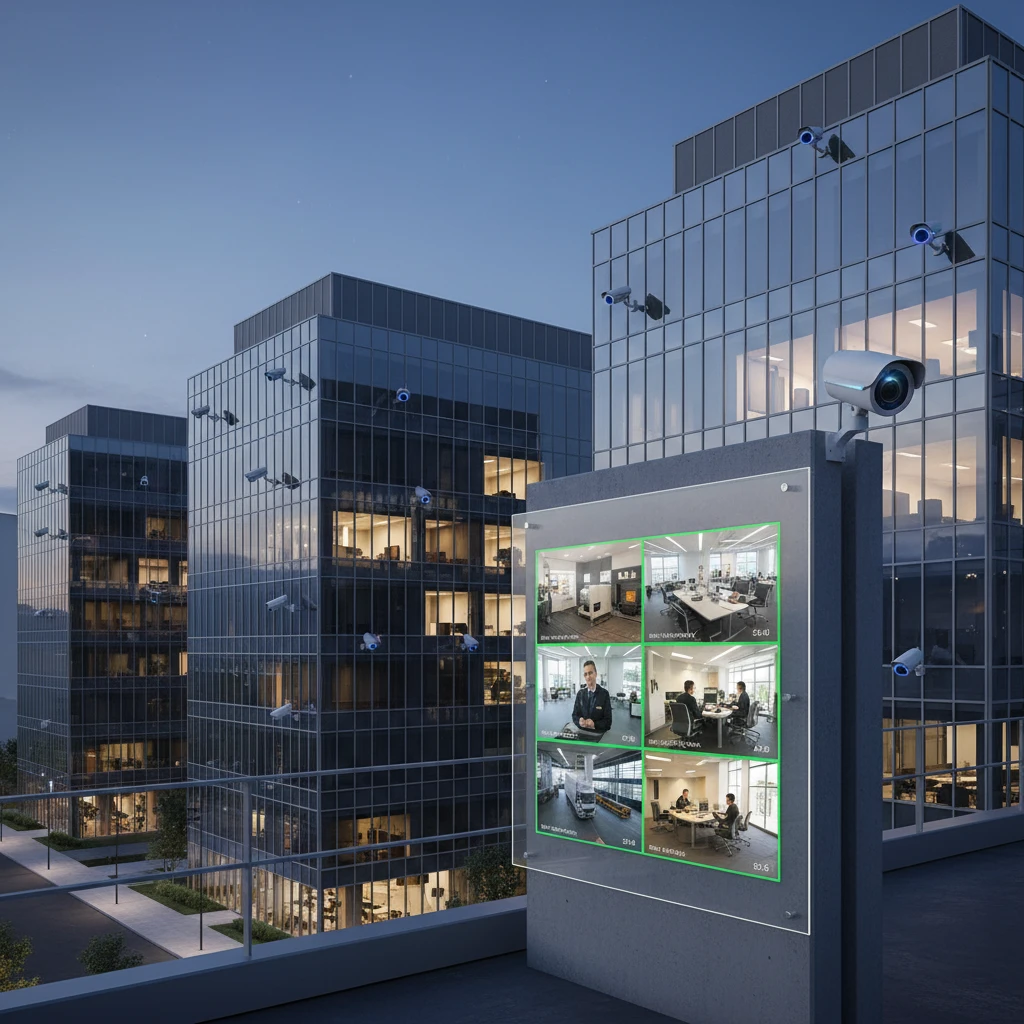
Business security cameras are no longer just about deterring crime. In 2026, they’re essential tools for optimizing operations, improving employee performance, and enhancing customer experiences. Modern business security camera systems provide a wealth of data that can be leveraged to gain valuable insights into your business operations. Understanding how to harness this data is key to staying competitive.
This guide explores how strategically deployed commercial CCTV systems can provide operational visibility, transforming your security investment into a proactive business advantage. We’ll cover key benefits, essential features, and how to choose the right system for your unique business needs.
Beyond Security: Unveiling the Operational Power of Business CCTV
Transforming Surveillance from Cost Center to Business Driver
Traditionally, business security cameras were viewed as a necessary expense, primarily focused on loss prevention and security. However, with advancements in technology and analytics, these systems are now powerful tools for driving operational efficiency and boosting profitability. The key is to move beyond simply recording footage and instead leveraging the data captured to gain actionable insights. This shift requires a strategic approach to camera placement, data analysis, and integration with other business systems. For example, integrating video data with POS systems in retail environments can highlight discrepancies and identify potential training needs. Understanding this transformation is crucial for businesses looking to maximize their return on investment in security technology.
Real-World Examples: How Businesses Are Using Cameras for More Than Just Theft Prevention
Companies are increasingly using their commercial CCTV systems to improve operations, and the applications are surprisingly diverse.
Example: Manufacturing Plant Efficiency
A manufacturing plant installed cameras overlooking its assembly lines. Analysis of the footage revealed bottlenecks in the production process. By identifying areas where workers were waiting for parts or experiencing delays, management was able to reconfigure the layout and optimize workflows, resulting in a 15% increase in production output.
Example: Restaurant Customer Service
A restaurant used cameras to monitor wait times and customer flow. The data showed that customers were frequently waiting longer than expected during peak hours. By adjusting staffing levels and streamlining the ordering process, the restaurant reduced wait times by 20% and saw a corresponding increase in customer satisfaction scores.
Key Operational Visibility Benefits of Business Security Cameras in 2026
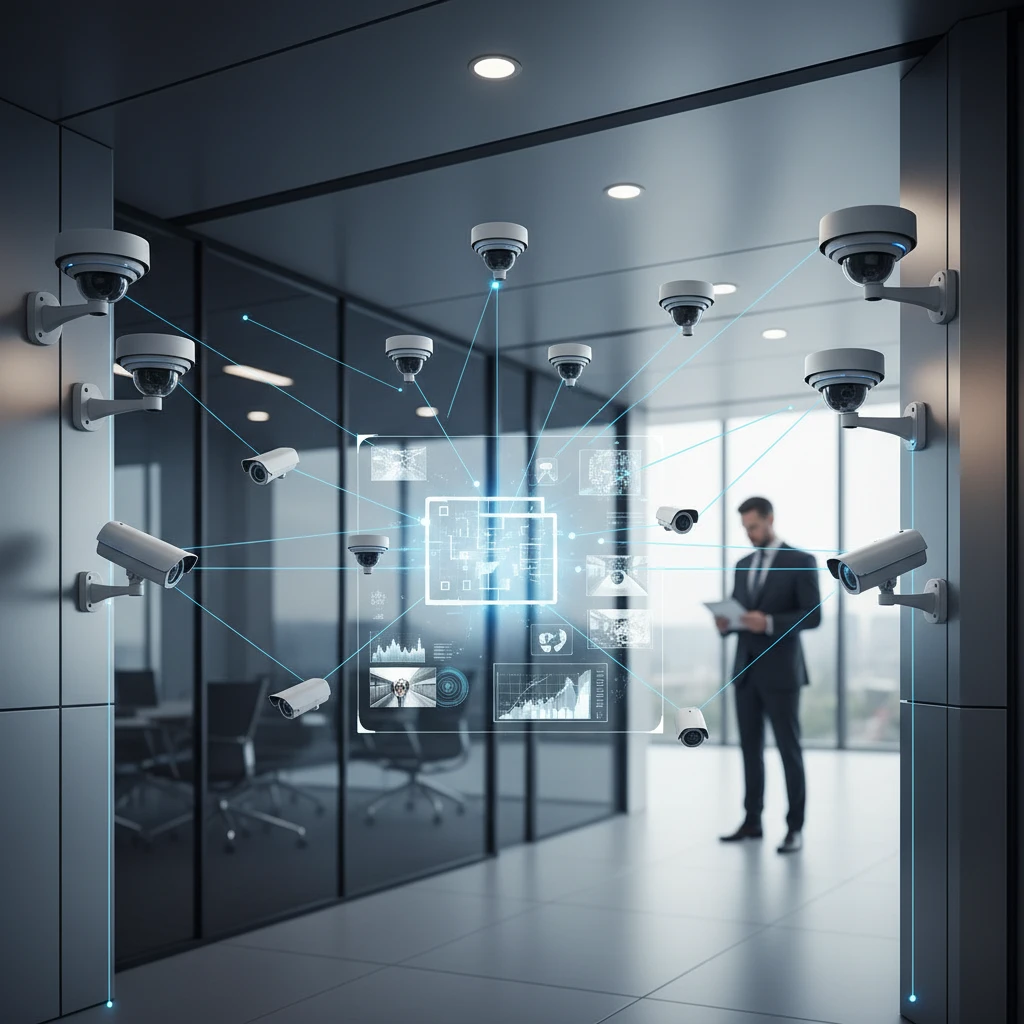
Streamlining Processes and Identifying Inefficiencies
Business security cameras provide a visual record of your operations, allowing you to identify bottlenecks, inefficiencies, and areas for improvement. This is particularly valuable in manufacturing, warehousing, and logistics environments. Imagine a warehouse where cameras track the movement of goods. By analyzing the footage, you can identify areas where products are frequently delayed or misplaced, leading to better inventory management and faster fulfillment times. Furthermore, integrating the video feed with warehouse management software (WMS) can create a powerful tool for real-time process optimization. Regularly reviewing camera footage should be a standard operating procedure to uncover hidden process flaws.
Improving Employee Performance and Accountability
While not the primary goal, CCTV can offer insights into employee performance and accountability. Cameras can monitor adherence to safety protocols, identify training needs, and ensure compliance with company policies. It’s crucial to communicate clearly with employees about the purpose of the cameras and to emphasize that they are being used to improve overall performance, not to micromanage individuals. Regular feedback sessions based on observed behaviors can be a constructive way to address performance issues and reinforce positive behaviors. Consider using the footage for training purposes, showcasing best practices and highlighting areas for improvement.
Enhancing Customer Service and Satisfaction
Cameras can also play a significant role in enhancing customer service and satisfaction. In retail environments, cameras can monitor customer flow, identify long checkout lines, and assess the effectiveness of merchandising displays. By analyzing customer behavior, businesses can optimize store layouts, improve product placement, and enhance the overall shopping experience. For instance, analyzing dwell times in certain areas can inform decisions about promotional placements. In service-oriented businesses, cameras can be used to monitor interactions between employees and customers, ensuring that employees are providing friendly, efficient, and helpful service. This can lead to increased customer loyalty and positive word-of-mouth referrals.
Choosing the Right Camera System for Your Specific Business Needs
Warehouse Security Cameras: Protecting Inventory and Optimizing Logistics
For warehouses, camera placement is paramount. Focus on entry/exit points, loading docks, and high-value storage areas. Consider using cameras with wide dynamic range (WDR) to handle varying lighting conditions. Integrating cameras with access control systems adds another layer of security. Don’t underestimate the value of perimeter security. Outdoor cameras with motion detection can alert you to potential intrusions before they become a problem. Remember to protect your structured cabling to prevent tampering. Cloud-based video storage offers scalability and accessibility, allowing you to review footage from anywhere.
Retail CCTV: Preventing Shoplifting and Enhancing Customer Experience
Retail environments require a multi-faceted approach to security. Place cameras strategically to deter shoplifting, monitor checkout areas, and observe customer behavior. Consider using cameras with facial recognition capabilities (while adhering to privacy regulations) to identify known shoplifters. Integrate the CCTV system with your point-of-sale (POS) system to flag suspicious transactions. Analyze customer traffic patterns to optimize store layouts and product placement. A well-designed retail CCTV system should both deter crime and enhance the shopping experience, and expert system design is key.
Office Surveillance: Monitoring Productivity and Ensuring Employee Safety
Office environments require a more nuanced approach to surveillance. Focus on common areas, entry points, and sensitive locations like server rooms. Be transparent with employees about the purpose of the cameras and adhere to all privacy regulations. Consider using cameras with audio recording capabilities (where legally permissible) to document interactions. Use video analytics to identify patterns of activity and potential security threats. Ensure that the CCTV system is integrated with your access control system to provide a comprehensive security solution. Regular system maintenance and updates are essential to keep your office secure.
Essential Camera Features for Enhanced Operational Oversight
High-Resolution Imaging: Capturing Critical Details
High-resolution imaging is no longer a luxury; it’s a necessity. Cameras with at least 1080p resolution are recommended for capturing clear and detailed footage. Higher resolutions, such as 4K, provide even greater detail and allow you to zoom in on specific areas without losing image quality. This is particularly important for identifying small objects or reading fine print. When selecting cameras, consider the sensor size, lens quality, and image processing capabilities. These factors all contribute to the overall image quality and clarity. Remember that higher resolution requires more storage space and bandwidth, so plan accordingly.
Pan-Tilt-Zoom (PTZ) Functionality: Controlling the Field of View
PTZ cameras offer a significant advantage over fixed cameras by allowing you to remotely control the field of view. This is particularly useful for monitoring large areas or tracking moving objects. PTZ cameras can be programmed to follow specific patterns or respond to alarms triggered by other sensors. Consider using PTZ cameras in conjunction with fixed cameras to provide both a wide-angle overview and the ability to zoom in on specific details. Investing in cameras with optical zoom capabilities will also help maintain image clarity when zooming in on specific areas. [Partner link: Understanding SEO can help drive more potential customers to your website].
Infrared (IR) Night Vision: Monitoring in Low-Light Conditions
IR night vision is essential for monitoring your business premises in low-light or complete darkness. IR cameras use infrared LEDs to illuminate the scene, allowing you to capture clear footage even when there is no ambient light. Consider the IR range of the camera when making your selection. A longer IR range allows you to see further in the dark. Some cameras also offer smart IR technology, which adjusts the IR intensity to prevent overexposure. This ensures that you capture clear and detailed footage even when objects are close to the camera. Ensure the cameras are properly shielded from glare, and that the IR illumination does not interfere with operations.
Strategic Camera Placement for Maximum Operational Impact
Effective camera placement is paramount for maximizing the return on investment in your business security cameras. It’s not just about covering the perimeter; it’s about strategically positioning cameras to gain valuable operational insights and improve overall efficiency. This requires a thorough assessment of your business processes, potential risks, and key areas of interest. A poorly planned camera system can lead to significant blind spots, missed opportunities for operational improvement, and ultimately, a waste of resources.
Optimizing Camera Angles and Coverage Areas
Camera angles and coverage areas are critical elements of an effective surveillance system. Consider the purpose of each camera when determining its placement. For instance, cameras monitoring entrances should be positioned to capture clear facial images, even under varying lighting conditions. In warehouse environments, wide-angle lenses can provide comprehensive coverage of large areas, while PTZ (pan-tilt-zoom) cameras offer the flexibility to remotely monitor specific activities or investigate alarms. It’s often best practice to start with a high-level risk assessment to inform camera placement. This will help ensure that your security cameras provide complete coverage of critical areas.
Avoiding Blind Spots and Ensuring Complete Visibility
Blind spots are a common pitfall in security camera system design. They can arise from obstructions like shelving, machinery, or even overgrown landscaping. To mitigate this risk, conduct a thorough site survey to identify potential blind spots before installation. Employ overlapping camera views to ensure complete coverage and redundancy. Consider using multiple cameras to cover the same area from different angles, providing a more comprehensive view and reducing the likelihood of missed incidents. Regularly reviewing footage can also help identify any unexpected blind spots that may develop over time. We help businesses design commercial CCTV systems to minimize operational blindspots.
Mapping Camera Locations to Specific Business Processes
Go beyond simply covering entrances and exits. Map camera locations to specific business processes to gain deeper operational insights. For example, in a manufacturing facility, place cameras to monitor production lines, identify bottlenecks, and ensure worker safety. In a retail environment, strategically position cameras to track customer flow, monitor checkout lines, and prevent theft. Consider the specific challenges and opportunities within each area of your business and tailor your camera placement accordingly. This targeted approach maximizes the value of your investment by providing actionable data that can improve efficiency and profitability. This strategic approach to commercial CCTV design is what makes AYS Security different.
The Role of Video Analytics in Streamlining Operations
Modern security cameras offer far more than just video recording. Video analytics capabilities transform surveillance footage into valuable operational intelligence. By leveraging features like motion detection, people counting, and object recognition, businesses can gain insights into customer behavior, employee performance, and overall operational efficiency. These analytics can automate tasks, improve decision-making, and ultimately drive significant cost savings and revenue growth. Simply put, video analytics turns your security investment into a powerful business tool.
Motion Detection: Identifying Unusual Activity
Motion detection is a fundamental video analytics feature that triggers alerts when movement is detected within a designated area. This can be used to identify unauthorized access, monitor after-hours activity, or detect potential safety hazards. Fine-tuning the sensitivity of motion detection is crucial to minimize false alarms caused by environmental factors like wind or rain. Some advanced systems allow for object-based motion detection, which can differentiate between people, vehicles, and other objects, further reducing false alarms. For example, a warehouse might use motion detection to monitor loading docks after hours, alerting security personnel to any unauthorized activity.
People Counting: Tracking Customer Traffic and Employee Movement
People counting technology allows businesses to track the number of people entering and exiting specific areas. This data can be used to optimize staffing levels, improve store layout, and measure the effectiveness of marketing campaigns. Retail stores can use people counting to identify peak traffic times and adjust staffing accordingly, reducing wait times and improving customer satisfaction. Manufacturing facilities can use people counting to monitor employee movement and ensure compliance with safety protocols. Analyzing trends in people counting data can provide valuable insights into customer behavior and employee productivity.
Object Recognition: Detecting Specific Items or Equipment
Object recognition technology enables cameras to identify specific items or equipment within their field of view. This can be used to monitor inventory levels, track valuable assets, or detect the presence of unauthorized objects. For example, a construction site might use object recognition to track the location of heavy equipment and prevent theft. A hospital could use object recognition to monitor the presence of critical medical supplies. Object recognition can also be used to detect safety hazards, such as missing safety equipment or unattended packages. The possibilities are endless, and the technology continues to improve, leading to new operational applications.
Integrating Security Cameras with Other Business Systems
The true power of a modern security camera system lies in its ability to integrate seamlessly with other business systems. By connecting CCTV cameras to access control systems, POS systems, and other platforms, businesses can create a unified security ecosystem that provides comprehensive visibility and enhanced operational control. This integration eliminates data silos, streamlines workflows, and enables more informed decision-making. This integrated approach represents a significant step forward in leveraging security technology for business advantage.
Connecting CCTV to Access Control Systems
Integrating security cameras with access control systems provides a powerful combination of physical security measures. When an access control event occurs, such as a door being unlocked or a card being swiped, the corresponding camera footage can be automatically recorded and linked to the event. This provides a clear audit trail of who accessed which areas and when. In the event of a security breach, this integration can significantly speed up investigations and provide valuable evidence. For example, if an unauthorized person attempts to gain access to a restricted area, the camera system can automatically alert security personnel and record the incident.
Integrating Video Data with POS Systems
Integrating video data with point-of-sale (POS) systems is particularly valuable for retail businesses. By linking camera footage to transaction data, businesses can identify and prevent fraudulent activity, such as employee theft or sweethearting. When a transaction is flagged as potentially suspicious, the corresponding video footage can be automatically reviewed to verify the details and identify any discrepancies. This integration can also be used to improve customer service by providing a visual record of customer interactions. For example, if a customer disputes a charge, the video footage can be used to resolve the issue quickly and fairly.
Using Camera Data to Enhance Business Intelligence
Beyond security applications, camera data can be a rich source of business intelligence. By analyzing video footage, businesses can gain valuable insights into customer behavior, employee performance, and operational efficiency. For example, analyzing traffic patterns in a retail store can help optimize store layout and product placement. Monitoring employee interactions with customers can identify areas for improvement in customer service training. Analyzing production line performance can identify bottlenecks and improve efficiency. The key is to leverage video analytics tools to extract meaningful data from the footage and use it to inform business decisions. One of the main reasons businesses consider commercial CCTV in Brampton is to improve operational visibility.
Understanding the Importance of Structured Cabling and PoE for Reliable Performance
A robust and reliable cabling infrastructure is the foundation of any effective security camera system. Structured cabling, using standards like Cat5e or Cat6, ensures consistent performance, minimizes signal degradation, and simplifies troubleshooting. Power over Ethernet (PoE) further streamlines installation by delivering both power and data over a single cable, reducing costs and increasing flexibility. Neglecting the cabling infrastructure can lead to intermittent camera outages, poor image quality, and ultimately, a compromised security system. A proper installation using structured cabling for business security camera systems is imperative.
Minimizing Downtime and Ensuring Continuous Operation
Downtime in a security camera system can have serious consequences, leaving your business vulnerable to theft, vandalism, and other security threats. Proper cabling and PoE implementation are essential for minimizing downtime and ensuring continuous operation. High-quality cables and connectors reduce the risk of signal loss and interference, while PoE provides a stable and reliable power supply. Regular maintenance and inspections can also help identify and address potential cabling issues before they lead to system failures. A proactive approach to cabling maintenance is a crucial component of a comprehensive security strategy.
Scalability and Future-Proofing Your Security Infrastructure
As your business grows, your security camera system needs to be able to scale accordingly. Structured cabling provides the flexibility to easily add or relocate cameras as needed. PoE simplifies expansion by eliminating the need for additional power outlets. Choosing a reputable cabling vendor and adhering to industry standards ensures that your security infrastructure is future-proofed and can accommodate evolving technology and changing business needs. Consider the long-term implications of your cabling choices and invest in a solution that can adapt to your future growth.
The Advantages of Power over Ethernet (PoE) for Camera Installation
Power over Ethernet (PoE) offers several significant advantages for camera installation. It simplifies installation by eliminating the need for separate power cables, reducing costs and labor. PoE provides a centralized power source, making it easier to manage and monitor power consumption. It also offers greater flexibility in camera placement, as cameras can be installed in locations where power outlets are not readily available. Furthermore, PoE enables remote power cycling, allowing you to reboot cameras remotely in the event of a malfunction. Overall, PoE is a cost-effective and efficient solution for powering security cameras. Many businesses in Mississauga are upgrading to a PoE system when doing commercial CCTV retrofits.
Mobile Viewing and Remote Monitoring: Staying Connected from Anywhere
Accessing Live Video Feeds on Smartphones and Tablets
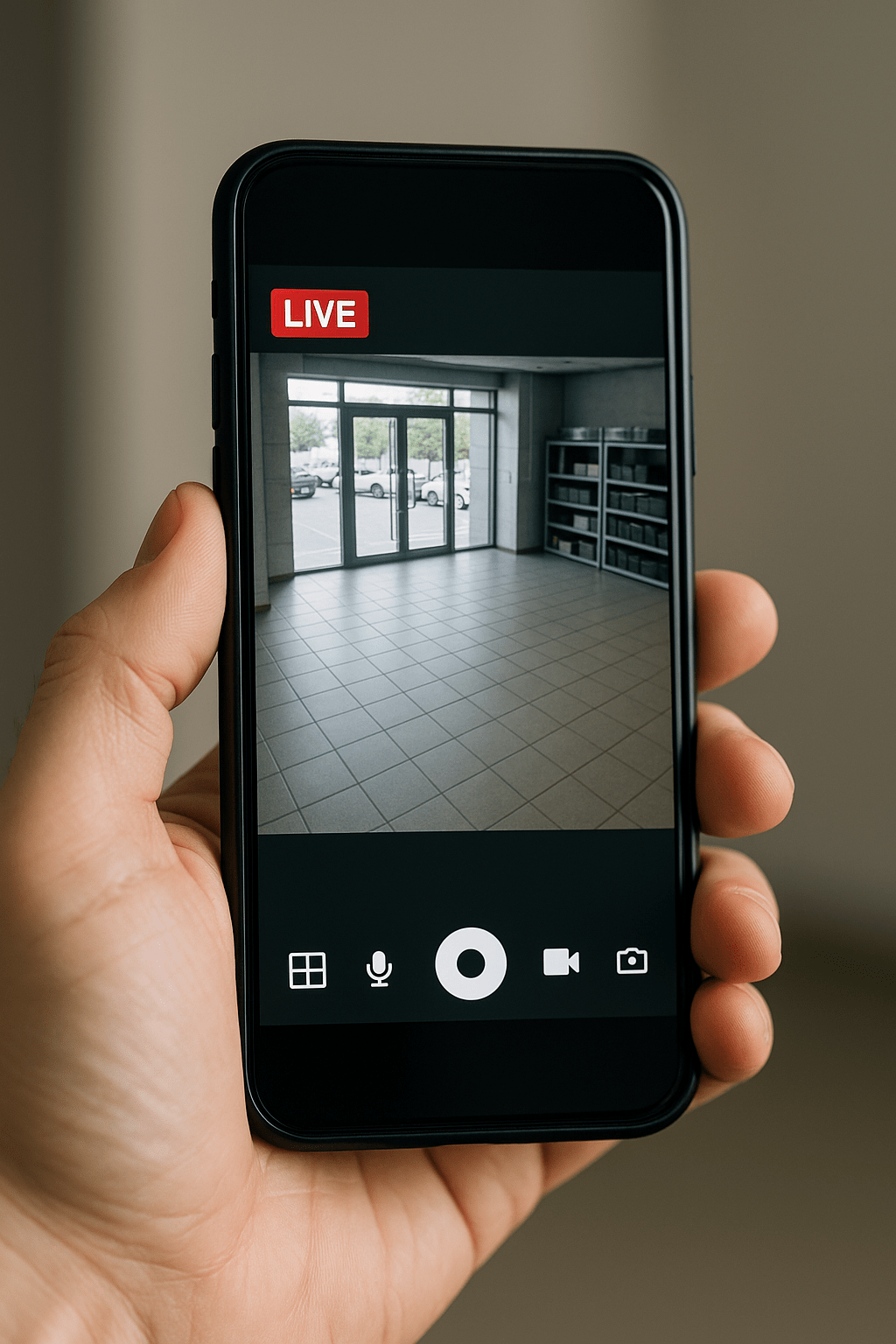
Mobile viewing capabilities are no longer a luxury but a necessity for modern business security. Accessing live video feeds directly on smartphones and tablets provides unparalleled situational awareness. This feature allows managers and owners to monitor their premises from anywhere with an internet connection, providing immediate insights into daily operations, potential security breaches, or safety hazards. The quality of the mobile app is critical; it should be user-friendly, responsive, and secure, with features like multi-camera viewing, zoom functionality, and playback options. Consider factors such as the app’s compatibility with your mobile devices (iOS and Android), its data usage, and the ability to control camera settings remotely. A poorly designed app can lead to frustration and missed opportunities to respond effectively.
Receiving Real-Time Alerts and Notifications
Real-time alerts and notifications are crucial for proactive security management. These alerts can be triggered by various events, such as motion detection in restricted areas, door/window openings after hours, or unusual activity identified by AI-powered analytics. The key is to configure these alerts to minimize false positives while ensuring that genuine threats are immediately brought to your attention. Consider customizable notification schedules and priority levels to avoid alert fatigue. For example, a warehouse security system might trigger alerts for unauthorized entry during non-operational hours, but only send lower-priority notifications for routine daytime deliveries. This ensures that critical events receive immediate attention while less urgent matters are handled appropriately. Look for systems that offer detailed event logs and reporting capabilities to track alert history and identify recurring security issues.
Improving Response Times to Security Incidents
The combination of mobile viewing and real-time alerts significantly improves response times to security incidents. Instead of relying solely on delayed reports or scheduled reviews of recorded footage, businesses can react instantly to unfolding events. For example, if a security camera detects suspicious activity in a parking lot, security personnel can immediately view the live feed on their smartphones and assess the situation. This rapid response can deter potential crimes, minimize damage, and improve overall safety. Integration with other security systems, such as access control and alarm systems, further enhances response capabilities. Some systems allow users to remotely lock doors, activate alarms, or even initiate two-way communication through the cameras, adding an extra layer of security. Quick response times translate directly into reduced losses and improved business continuity.
ROI-Driven Security: Measuring the Value of Your Camera Investment
Quantifying Loss Prevention and Theft Reduction
Demonstrating a clear return on investment (ROI) is essential when justifying the cost of a business security camera system. One of the most direct ways to measure ROI is by quantifying loss prevention and theft reduction. Before installing a new commercial CCTV Mississauga system, track key metrics like inventory shrinkage, shoplifting incidents, and internal theft. After installation, continue monitoring these metrics to assess the system’s impact. For example, a retail store might experience a 20% reduction in shoplifting incidents within the first six months of installing a visible security camera system. In a warehouse environment, improved surveillance can deter employee theft and reduce inventory discrepancies. It’s important to consider both direct losses (stolen goods) and indirect losses (time spent investigating incidents). Documented evidence of loss prevention can be used to justify the investment and demonstrate its value to stakeholders.
Assessing Improvements in Operational Efficiency
Beyond security, business security cameras can significantly improve operational efficiency. By providing real-time visibility into various processes, cameras can help identify bottlenecks, optimize workflows, and improve resource allocation. For example, in a manufacturing facility, cameras can monitor production lines to identify inefficiencies and ensure that equipment is operating correctly. In a retail setting, cameras can track customer traffic patterns to optimize store layout and staffing levels. By analyzing video footage, managers can gain insights into employee performance, identify training needs, and improve overall productivity. Quantify these improvements by tracking metrics such as production output, order fulfillment times, and customer wait times. A well-designed system, integrated with analytics software, can provide actionable data that drives continuous improvement.
Evaluating the Impact on Employee Productivity and Customer Satisfaction
Security cameras can also indirectly impact employee productivity and customer satisfaction. A safe and secure work environment can boost employee morale and reduce absenteeism, leading to increased productivity. Visible security measures can also deter misconduct and improve accountability, creating a more professional and efficient workplace. From a customer perspective, a well-maintained and secure business environment can enhance their overall experience and build trust. For example, in a dealership, cameras can ensure the safety of customers’ vehicles and provide a sense of security during the sales process. Track employee satisfaction through surveys and monitor customer feedback to assess the impact of security measures on these key metrics. Consider the impact of visible Commercial CCTV on perceptions and behavior.
Compliance and Legal Considerations for Business Security Cameras in Mississauga, Brampton & the GTA
Navigating Privacy Laws and Regulations
Operating business security cameras in Mississauga, Brampton, and the broader GTA requires strict adherence to privacy laws and regulations, including the Personal Information Protection and Electronic Documents Act (PIPEDA). Understanding these laws is crucial to avoid legal repercussions and maintain ethical business practices. PIPEDA governs the collection, use, and disclosure of personal information in the private sector, including video footage that captures identifiable individuals. Ensure that your security camera system complies with these regulations by implementing appropriate privacy safeguards, such as limiting the scope of surveillance, anonymizing sensitive data, and providing clear notice to individuals being recorded. Regularly review and update your privacy policies to reflect changes in legislation and best practices.
Employee Notification and Consent Requirements
Transparency is key when deploying security cameras in the workplace. Employees have a right to know that they are being recorded and why. Obtain informed consent from employees before implementing video surveillance, and provide clear and conspicuous notice of the presence of cameras. This can be achieved through signage, employee handbooks, and training sessions. Clearly communicate the purpose of the surveillance, how the footage will be used, and who will have access to it. Be mindful of sensitive areas, such as restrooms and break rooms, where video surveillance may be considered intrusive and unlawful. Consult with legal counsel to ensure that your employee notification and consent practices comply with all applicable laws and regulations.
Data Retention and Security Policies
Establish clear data retention and security policies to protect the privacy and confidentiality of video footage. Determine how long video footage will be stored, who will have access to it, and how it will be secured against unauthorized access or disclosure. Implement technical safeguards, such as encryption and access controls, to protect video data from cyber threats and internal misuse. Regularly audit your data retention and security practices to ensure compliance with privacy laws and industry best practices. Develop a clear protocol for responding to data breaches and other security incidents. By prioritizing data security and privacy, businesses can minimize the risk of legal liability and maintain the trust of their employees and customers.
Partnering with a Professional Security Integrator for Optimal Results
Ensuring Proper Installation and Configuration
The success of a business security camera system hinges on proper installation and configuration. A professional security integrator brings expertise in camera placement, wiring, network configuration, and system integration. They can assess your specific needs and design a system that effectively covers critical areas while minimizing blind spots. Proper structured cabling is also crucial; working with a professional ensures clean, organized cable runs, optimal signal strength, and long-term reliability. Improper installation can lead to poor image quality, system malfunctions, and security vulnerabilities. A professional installer also ensures that the system is configured correctly, with appropriate recording settings, motion detection zones, and user access controls. Investing in professional installation upfront can save you time, money, and headaches down the road. Considering upgrading a legacy system? An integrator can help with Commercial CCTV security system retrofits.
Providing Ongoing Maintenance and Support
Ongoing maintenance and support are essential for ensuring the long-term reliability and effectiveness of your security camera system. A professional security integrator can provide routine maintenance services, such as camera cleaning, software updates, and system diagnostics. They can also offer prompt technical support to address any issues that may arise. Consider a service level agreement (SLA) that guarantees response times and outlines the scope of support services. Regular maintenance can prevent system failures, extend the lifespan of your equipment, and ensure that your system is always operating at peak performance. A responsive support team can quickly resolve technical issues and minimize downtime, preventing disruptions to your business operations.
Designing a Scalable System to Meet Your Evolving Needs
Businesses evolve, and their security needs change over time. A professional security integrator can design a scalable system that can grow with your business. This involves selecting cameras and equipment that can be easily upgraded or expanded, as well as implementing a flexible network infrastructure that can accommodate additional devices. Consider factors such as future expansion plans, potential changes in layout, and emerging security threats. A scalable system allows you to add new cameras, integrate additional security features, and adapt to changing business requirements without incurring significant costs or disruptions. A well-designed, scalable system provides long-term value and peace of mind.
Investing in a well-designed and professionally installed business security camera system provides operational visibility, reduces losses, and improves overall business security. By carefully considering your specific needs, selecting the right equipment, and partnering with a reputable security integrator like AYS Security, businesses in Mississauga, Brampton, and the GTA can achieve a significant return on their investment. Furthermore, understanding and adhering to compliance and legal considerations ensures responsible and ethical operation of your surveillance systems.