Maintaining a secure and compliant commercial environment is paramount in today’s regulatory landscape. For businesses in the Greater Toronto Area (GTA), this often means evaluating and upgrading existing security systems to meet current standards. As technology advances and regulations evolve, older CCTV systems can quickly become liabilities, exposing businesses to potential fines, legal issues, and security breaches.
This guide provides a comprehensive overview of the key considerations for retrofitting your commercial CCTV system to ensure compliance, enhance security, and optimize operational efficiency. We’ll explore the evolving regulatory landscape, common compliance gaps, and the benefits of upgrading your surveillance technology. We also offer a checklist to help you identify whether your current system requires a retrofit.
Are Your 2026 Security Systems Meeting Current Compliance Standards?
The Evolving Landscape of Security Regulations for Businesses
The regulatory environment governing commercial security systems is constantly evolving. Legislation related to data privacy, video surveillance, and employee monitoring is becoming increasingly stringent. Businesses must stay informed about these changes and adapt their security systems accordingly to avoid legal repercussions. Changes to PIPEDA (Personal Information Protection and Electronic Documents Act) and provincial privacy laws frequently impact how video data is collected, stored, and accessed. It’s crucial to have a system that allows for granular control over user permissions and data retention policies. Failing to adapt can result in substantial fines and reputational damage.
Common Compliance Gaps Found in Older CCTV Systems
Older CCTV systems often suffer from several compliance-related shortcomings. These can include inadequate data encryption, insufficient storage capacity for required retention periods, a lack of audit trails for user access, and poor image quality that fails to meet evidentiary standards. Many older systems also lack the advanced features needed to comply with privacy regulations, such as the ability to redact faces or obscure sensitive areas within the video feed. Moreover, outdated systems may not be compatible with modern network security protocols, leaving them vulnerable to cyberattacks and data breaches. Ensuring your structured cabling is up-to-date is also crucial for supporting newer technologies and maintaining a secure network.
Why Delaying Upgrades Can Lead to Costly Penalties
Procrastinating on security system upgrades can expose your business to significant financial and legal risks. Non-compliance with privacy regulations can result in hefty fines and lawsuits. For example, failure to properly secure and manage video data could lead to penalties under PIPEDA if a data breach occurs. Beyond fines, a security breach can damage your company’s reputation and erode customer trust. Furthermore, outdated systems may not provide adequate protection against theft, vandalism, or other security incidents, leading to financial losses. Regularly assessing your security needs and investing in timely upgrades can mitigate these risks and protect your bottom line. As an example, a Mississauga warehouse that delayed upgrading its CCTV system experienced a theft incident resulting in $50,000 in stolen goods, highlighting the tangible costs of outdated security.
Understanding the Compliance Requirements for Commercial CCTV in the GTA
Specific Legislation Affecting Video Surveillance in Ontario
In Ontario, several pieces of legislation impact the use of video surveillance in commercial settings. The *Personal Information Protection and Electronic Documents Act* (PIPEDA) governs the collection, use, and disclosure of personal information, including video footage. The *Ontario Human Rights Code* also plays a role, ensuring that video surveillance is not used in a discriminatory manner. Additionally, the *Occupational Health and Safety Act* may require video surveillance in certain workplaces to ensure employee safety. Understanding the nuances of these laws and how they apply to your specific business is essential for maintaining compliance. Businesses should consult with legal counsel to ensure they are fully compliant with all applicable regulations.
Privacy Considerations and Data Retention Policies
Protecting privacy is a critical aspect of commercial CCTV compliance. Businesses must develop and implement clear data retention policies that outline how long video footage is stored and how it is securely disposed of. These policies should be transparent and communicated to employees and customers. Implementing measures such as masking sensitive areas, limiting access to video footage, and encrypting stored data are essential for protecting privacy. Regular audits of your CCTV system and data retention policies can help identify and address potential privacy risks. Remember, responsible data management not only ensures compliance but also builds trust with your stakeholders.
Industry-Specific Regulations (Retail, Manufacturing, Warehousing)
In addition to general privacy laws, certain industries in the GTA are subject to specific regulations regarding video surveillance. For example, retail businesses may be required to comply with Payment Card Industry Data Security Standard (PCI DSS) requirements if they use CCTV to monitor point-of-sale systems. Manufacturing facilities may need to adhere to regulations related to workplace safety and security, which could include specific requirements for camera placement and coverage. Warehouses often have unique security needs due to the high value of inventory stored on site, making robust video surveillance essential for loss prevention and regulatory compliance. Failure to meet these industry-specific standards can result in fines, penalties, and legal liabilities. Consider expert CCTV system design in Mississauga that takes these factors into account.
Key Benefits of Retrofitting Your Commercial CCTV System
Enhanced Security and Reduced Liability
Retrofitting your commercial CCTV system offers significant enhancements to your overall security posture. Modern systems provide superior image quality, advanced analytics, and enhanced surveillance capabilities, allowing for quicker and more effective responses to security threats. Upgrading to a system with features like facial recognition, license plate recognition, and intrusion detection can significantly deter criminal activity and improve incident response times. Furthermore, a compliant and well-maintained CCTV system can reduce your liability in the event of a security incident or accident. High-quality video evidence can be invaluable in resolving disputes, defending against lawsuits, and mitigating financial losses. Upgrading to a modern system helps businesses mitigate liability risks.
Improved Operational Efficiency and Business Intelligence
Beyond security, a retrofitted CCTV system can provide valuable insights into your business operations. Advanced analytics can track customer traffic patterns, monitor employee productivity, and identify potential bottlenecks in your processes. For example, in a retail environment, heat mapping technology can reveal which areas of the store attract the most customer attention, allowing you to optimize product placement and improve sales. In a manufacturing facility, video analytics can monitor production lines, identify safety hazards, and track employee performance. By leveraging the data generated by your CCTV system, you can make informed decisions that improve efficiency, reduce costs, and enhance profitability.
Future-Proofing Your Investment with Scalable Technology
Investing in a modern, scalable CCTV system ensures that your security infrastructure can adapt to your evolving business needs. Cloud-based systems offer flexibility and scalability, allowing you to easily add cameras, storage capacity, and advanced features as your business grows. Open-platform systems provide compatibility with a wide range of hardware and software, preventing vendor lock-in and allowing you to choose the best solutions for your specific requirements. By selecting a future-proof CCTV system, you can protect your investment and avoid the need for costly upgrades in the future. Consider systems that easily integrate with other security solutions and access control for a more comprehensive security solution. This long-term view can help prevent costly future security gaps.
Identifying the Need for a Security System Retrofit: A Checklist
Poor Image Quality and Limited Visibility
One of the most obvious signs that your CCTV system needs an upgrade is poor image quality. Blurry, grainy, or distorted images can make it difficult to identify individuals or objects in the video footage, rendering it useless for investigative purposes. Limited visibility, caused by outdated cameras with narrow fields of view or inadequate lighting, can also create blind spots in your security coverage. If your current system struggles to capture clear images in low-light conditions or during inclement weather, it’s time to consider a retrofit. Newer camera technologies, such as high-resolution IP cameras with wide dynamic range (WDR) and infrared (IR) capabilities, can provide significantly improved image quality and visibility, even in challenging environments. A commercial CCTV system is only as effective as the images it captures.
Lack of Remote Access and Mobile Viewing Capabilities
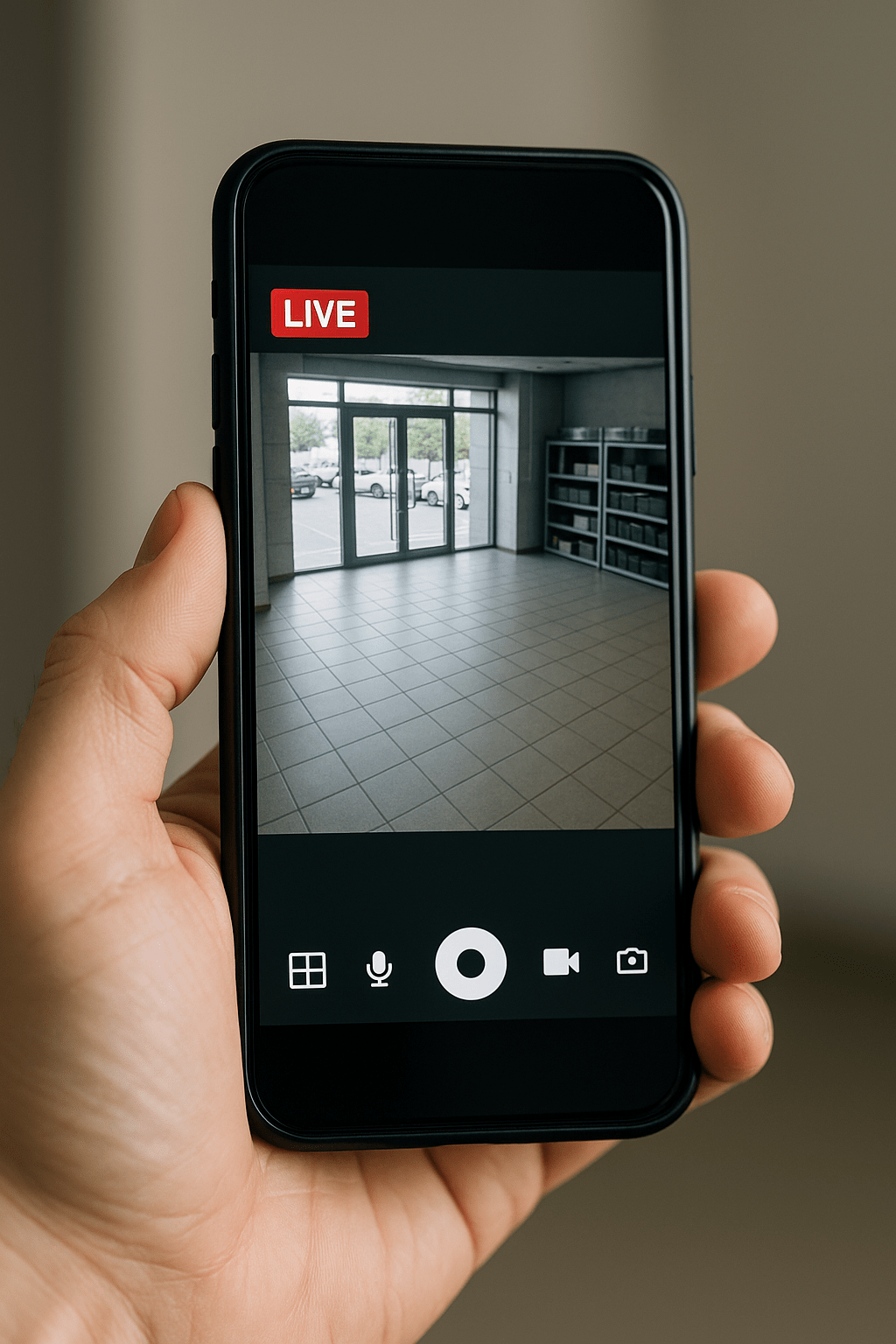
In today’s connected world, remote access and mobile viewing capabilities are essential for effective security management. If your current CCTV system does not allow you to view live or recorded video footage from your smartphone or tablet, you’re missing out on a crucial feature. Remote access enables you to monitor your business from anywhere in the world, providing real-time situational awareness and allowing you to respond quickly to security incidents. Without remote viewing capabilities, you’re essentially blind to what’s happening at your business when you’re not physically present. Upgrading to a modern CCTV system with mobile app integration can significantly enhance your ability to manage security remotely. Evaluate options for remote viewing to stay connected.
Outdated Technology and Compatibility Issues
Outdated CCTV technology can present a range of challenges, including compatibility issues, limited functionality, and increased vulnerability to cyberattacks. Older systems may not be compatible with modern operating systems, network protocols, or security software, creating integration problems and potentially exposing your network to security risks. If your current system uses analog technology or relies on outdated recording methods, it’s time to consider an upgrade to a modern IP-based system. IP cameras offer superior image quality, advanced analytics, and seamless integration with other security systems. Furthermore, modern systems are designed with cybersecurity in mind, incorporating features such as encryption, password protection, and regular security updates. Businesses with multiple locations should also consider whether their disparate systems can be integrated into one centralized platform to ease management and response times, as addressed on the commercial security cameras for multi-location businesses page.
Increasing Security Incidents or Losses
A clear indicator that your security system is not meeting your needs is an increase in security incidents or losses. If you’ve experienced a rise in theft, vandalism, or other security breaches, it’s time to re-evaluate your security measures. An outdated or inadequate CCTV system may be failing to deter criminal activity or provide the evidence needed to identify and prosecute perpetrators. Analyzing the patterns of these incidents can help you identify vulnerabilities in your security coverage and determine the best course of action for addressing them. This may involve adding more cameras, upgrading to higher-resolution cameras, or implementing advanced analytics to detect suspicious activity. A proactive approach to security can help prevent future incidents and protect your assets.
Example: ABC Retail in Brampton noticed a 20% increase in shoplifting incidents in the last quarter. A review of their outdated CCTV system revealed blind spots and poor image quality. After upgrading to a modern IP-based system with wider coverage, they saw a 30% decrease in shoplifting incidents the following quarter.
Choosing the Right CCTV Technology for Your Retrofit Project
Selecting the appropriate CCTV technology is the foundation of a successful retrofit. Understanding the nuances between different camera types, recording solutions, and feature sets is crucial for meeting your specific security requirements and compliance obligations. A system that isn’t properly specified can leave critical vulnerabilities exposed.
IP Cameras vs. Analog Systems: A Detailed Comparison
The primary choice lies between Internet Protocol (IP) cameras and traditional analog systems. IP cameras offer significantly higher resolution, superior image quality, and advanced features like remote accessibility and Power over Ethernet (PoE). PoE simplifies installation by transmitting both power and data over a single cable, reducing cabling complexity and costs. Analog systems, while less expensive upfront, are limited in resolution and scalability. A key pitfall is attempting to integrate outdated analog systems with newer technologies, often leading to compatibility issues and compromised performance. For instance, a warehouse upgrading its security might choose IP cameras for their superior clarity in identifying potential theft or safety hazards within the facility. Analog systems are generally not recommended for commercial applications in 2026 due to their limitations.
Exploring Advanced Features: AI-Powered Analytics, License Plate Recognition
Modern CCTV systems offer a range of advanced features that can significantly enhance security. AI-powered analytics, such as object detection, facial recognition, and intrusion alerts, can automate monitoring and reduce the reliance on manual surveillance. License plate recognition (LPR) is invaluable for managing vehicle access and tracking suspicious activity in parking areas. Consider a car dealership that uses LPR to automatically log vehicle entries and exits, improving inventory control and security. When exploring these features, consider their integration with your existing access control systems and other security measures. Ensure that the selected features comply with local privacy regulations regarding data collection and storage. For example, in Mississauga, businesses must adhere to PIPEDA guidelines when using facial recognition technology. Consider exploring AI-powered solutions for automation.
Ensuring Compatibility with Existing Infrastructure
A common challenge in retrofit projects is ensuring compatibility with existing infrastructure, such as cabling, power supplies, and network equipment. Before committing to a new system, conduct a thorough assessment of your existing infrastructure to identify any potential bottlenecks or limitations. Older cabling may not support the bandwidth requirements of high-resolution IP cameras. Power supplies may need upgrading to accommodate the power demands of PoE devices. Consider using network switches with sufficient capacity and redundancy to handle the increased data traffic. If existing cabling is inadequate, explore options for repurposing it or installing new structured cabling. An investment in structured cabling, while adding to the initial cost, can significantly improve system performance and reliability in the long run.
The Importance of Professional Installation and Structured Cabling
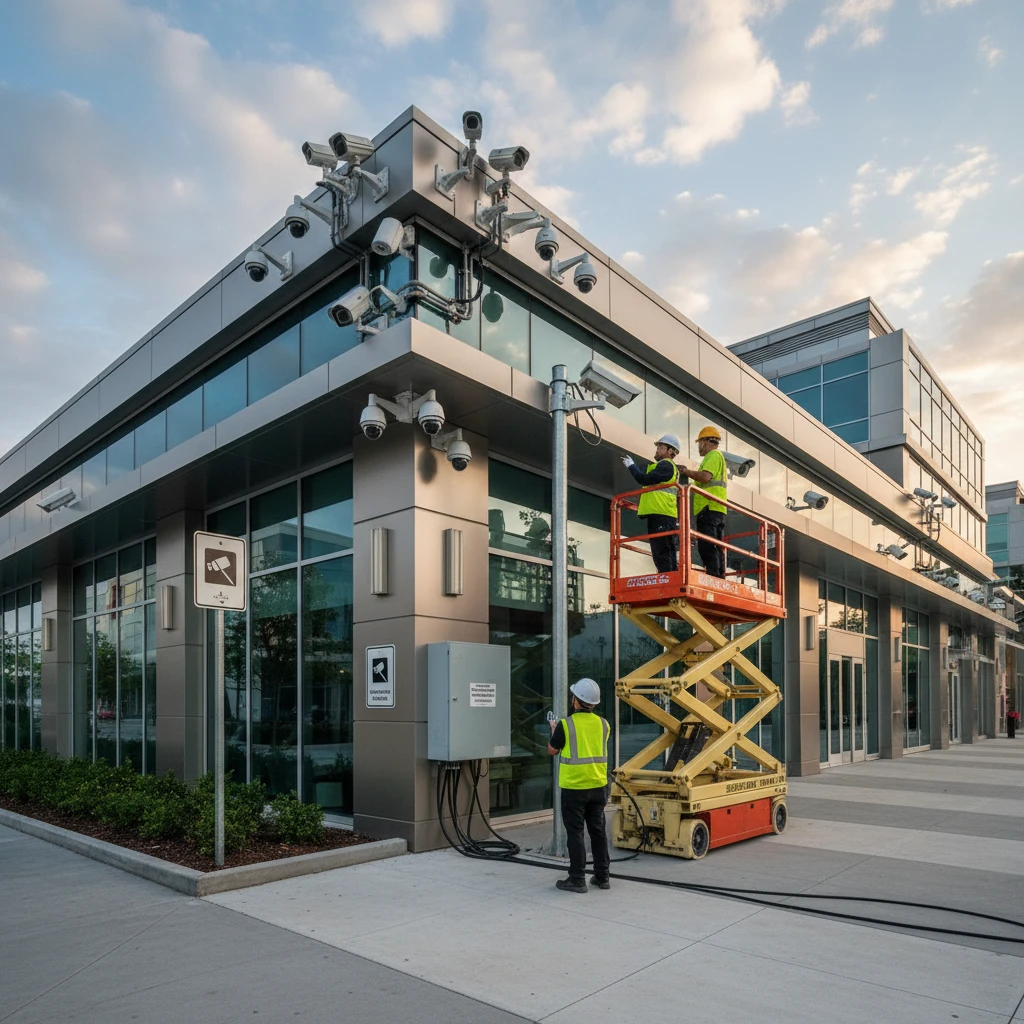
While the allure of saving money by opting for a DIY CCTV installation might be tempting, the long-term consequences can be costly and compromise your business’s security. Professional installation and the implementation of structured cabling are essential components of a robust and reliable CCTV system. Cutting corners in these areas can lead to performance issues, system failures, and security vulnerabilities.
Why DIY CCTV Installation Can Be a Costly Mistake
DIY CCTV installations often lack the expertise required for proper camera placement, network configuration, and system integration. Improper camera placement can result in blind spots and inadequate coverage. Incorrect network configuration can lead to connectivity issues and security vulnerabilities. Without professional expertise, you may also struggle to configure advanced features such as remote access and motion detection. Furthermore, DIY installations often void manufacturer warranties, leaving you responsible for repair and replacement costs. Example: A small retail store in Oakville attempted a DIY installation to save money. Within a few months, they experienced frequent system outages and were unable to retrieve critical footage during a theft incident, ultimately costing them more than the initial savings.
The Role of Structured Cabling in System Performance and Reliability
Structured cabling provides a dedicated and organized infrastructure for your CCTV system. It ensures reliable data transmission, minimizes signal interference, and simplifies system maintenance. Unlike haphazard cabling, structured cabling uses high-quality cables, connectors, and patch panels, installed according to industry standards. This ensures optimal performance and scalability, allowing you to easily add or relocate cameras as your business grows. Poor cabling can lead to dropped connections, pixelated images, and even complete system failures. Imagine a warehouse where inconsistent video feeds are disrupting operations, simply because they opted for cheaper cabling rather than invest in a properly structured installation.
Benefits of Partnering with a Certified Security Integrator (like AYS Security)
Partnering with a certified security integrator like AYS Security offers numerous benefits. A professional integrator possesses the expertise to design, install, and maintain a CCTV system that meets your specific security needs and compliance requirements. They will conduct a thorough site assessment, recommend the appropriate technology, and ensure proper camera placement for optimal coverage. Moreover, a certified integrator will provide ongoing support and maintenance, ensuring that your system remains reliable and effective. They also understand local regulations and can help you avoid potential legal issues related to surveillance. AYS Security provides expert commercial CCTV system design in Mississauga, ensuring businesses get the best protection.
Planning Your Commercial CCTV Retrofit: A Step-by-Step Guide
A well-defined plan is paramount to a smooth and successful commercial CCTV retrofit. Rushing into the installation process without careful planning can lead to costly mistakes, delays, and a system that doesn’t fully meet your security needs. This step-by-step guide will help you navigate the planning process and ensure a seamless transition to an upgraded security system.
Conducting a Thorough Security Assessment
The first step is to conduct a thorough security assessment of your premises. This involves identifying potential vulnerabilities, assessing existing security measures, and defining your specific security objectives. Consider factors such as crime rates in your area, the value of your assets, and the potential risks to your employees and customers. Walk through your facility and identify areas that are particularly vulnerable, such as loading docks, entrances, and storage areas. Analyze past security incidents to identify patterns and trends. A detailed assessment will provide a clear understanding of your security needs and inform the design of your new CCTV system. Example: A manufacturing plant in Brampton identified a blind spot in their receiving area during a security assessment, leading them to prioritize camera placement in that specific location during their retrofit.
Developing a Detailed System Design and Budget
Based on the security assessment, develop a detailed system design that specifies the number of cameras, their placement, the type of recording equipment, and any required software or integrations. Consider factors such as camera resolution, viewing angles, and low-light performance. Choose a recording solution that provides adequate storage capacity and retention time. Develop a detailed budget that includes the cost of equipment, installation, cabling, and ongoing maintenance. Obtain quotes from multiple vendors to ensure competitive pricing. Remember to factor in potential unforeseen expenses, such as repairs or upgrades. Proper system design, similar to what AYS Security does for clients needing commercial CCTV system design to minimize operational blindspots, will minimize vulnerabilities.
Managing the Installation Process with Minimal Disruption
Effective project management is crucial for minimizing disruption to your business operations during the installation process. Work closely with your chosen security integrator to develop a detailed installation schedule that minimizes downtime. Communicate the schedule to your employees and customers to manage expectations. Ensure that the installation team has the necessary access and resources to complete the work efficiently. Regularly monitor the progress of the installation and address any issues promptly. Consider phasing the installation to minimize disruption. For example, install cameras in less critical areas first, followed by high-priority areas. After installation, conduct thorough testing to ensure that the system is functioning properly. A warehouse in Milton scheduled their CCTV retrofit during their off-peak hours to avoid disrupting their shipping and receiving operations.
Cost Considerations: Budgeting for a Commercial CCTV Retrofit
Understanding the costs involved in a commercial CCTV retrofit is essential for making informed decisions and avoiding budget overruns. A comprehensive budget should consider all aspects of the project, from equipment and installation to ongoing maintenance and potential upgrades. Neglecting to account for all these factors can lead to unexpected expenses and a compromised security system.
Factors Affecting the Overall Project Cost
Several factors influence the overall cost of a commercial CCTV retrofit. The number of cameras required, their resolution and features, and the complexity of the installation all play a significant role. Higher-resolution cameras with advanced features, such as AI-powered analytics or license plate recognition, will typically cost more. The length and complexity of the cabling infrastructure can also impact the cost, particularly if new cabling is required. Labor costs for installation and configuration will vary depending on the size and complexity of the project. Consider ongoing maintenance costs, such as software updates, repairs, and system monitoring. A multi-location business, for example, will inherently incur higher costs than a single-site operation due to the increased scope of the project.
Exploring Financing Options and Leasing Programs
For businesses facing budget constraints, various financing options and leasing programs can make a CCTV retrofit more affordable. Financing allows you to spread the cost of the project over time, making it easier to manage cash flow. Leasing programs offer the flexibility to upgrade your system regularly, ensuring that you always have the latest technology. Some security integrators offer in-house financing options or partner with financing companies to provide competitive rates. Explore government grants or tax incentives that may be available for security upgrades. Example: A retail chain in Georgetown leased their CCTV system, allowing them to upgrade to the latest technology every three years without incurring significant capital expenditures.
Calculating the Return on Investment (ROI) of a Security Upgrade
While a CCTV retrofit represents an upfront investment, it can generate a significant return on investment (ROI) over time. A well-designed security system can deter theft, prevent vandalism, and reduce liability claims. By reducing these losses, you can improve your bottom line and increase profitability. Calculate the potential savings from reduced theft, vandalism, and insurance premiums. Consider the intangible benefits, such as improved employee safety and increased customer confidence. For example, a dealership that implemented a CCTV system saw a 20% reduction in inventory shrinkage and a significant decrease in vandalism, resulting in a positive ROI within two years. Improving overall security can also contribute to greater operational efficiency; learn how to mitigate liability risks with business security cameras for added ROI.
Maintaining Your Upgraded System for Long-Term Compliance and Performance
A CCTV retrofit isn’t just a one-time project; it’s an investment in the long-term security and compliance of your business. Proper maintenance ensures your system continues to function optimally, providing reliable surveillance and minimizing potential security gaps. Ignoring maintenance can lead to system failures, compliance violations, and increased vulnerability to security threats. Your structured cabling, which is the backbone of your CCTV system, also requires periodic inspection and maintenance to avoid connectivity issues.
Regular System Checks and Maintenance Schedules
Establish a regular schedule for system checks and maintenance. This should include physical inspections of cameras, checking for obstructions, ensuring proper lens cleaning, and verifying camera positioning. Software checks are equally important, including reviewing recording schedules, verifying storage capacity, and confirming that motion detection and other analytics are functioning correctly. Consider using a checklist to standardize the process. For instance, a weekly check might include confirming all cameras are online and recording, while a monthly check could involve reviewing archived footage to ensure its accessibility and quality. Documenting these checks provides an audit trail for compliance purposes. Work with your security provider to design a maintenance package that aligns with your business needs and budget. The National Electrical Manufacturers Association (NEMA) provides standards for enclosure types, influencing maintenance requirements based on environmental factors.
Software Updates and Firmware Upgrades
Keep your CCTV system’s software and firmware up to date. Manufacturers regularly release updates to address security vulnerabilities, improve performance, and add new features. Failure to update can leave your system exposed to cyberattacks and compromise its effectiveness. Ensure that your security provider has a clear process for applying updates and that these updates are tested in a controlled environment before being deployed to your live system. Be cautious about installing updates without proper testing, as they can sometimes introduce compatibility issues. Prioritize updates that address known security vulnerabilities, as these pose the greatest risk to your system’s integrity. Software updates can also enable new features, improving the functionality of your Commercial CCTV system.
The Importance of Ongoing Security Training for Your Staff
Even the most advanced CCTV system is only as effective as the people who use it. Ongoing security training for your staff is essential to ensure they understand how to operate the system, recognize potential security threats, and respond appropriately to incidents. Training should cover topics such as how to access and review footage, how to report suspicious activity, and how to maintain the system’s security. Regularly refresh training to keep employees up to date on the latest threats and best practices. Consider implementing a security awareness program that includes simulated phishing attacks and other exercises to test employees’ knowledge and skills. Investing in staff training improves their ability to utilize the remote viewing capabilities of your CCTV system effectively and identify potential security breaches.
Case Studies: Successful Commercial CCTV Retrofits in Mississauga, Brampton, and Beyond
Real-world examples demonstrate the tangible benefits of upgrading your commercial CCTV system. These case studies illustrate how businesses in Mississauga, Brampton, and surrounding areas have successfully enhanced their security, improved operational efficiency, and achieved compliance through strategic retrofits.
Warehouse Security Camera Upgrade Reduces Theft by 40%
Example: A large distribution warehouse in Brampton experienced significant inventory losses due to internal theft. They upgraded their analog CCTV system to a high-resolution IP-based system with advanced analytics, including motion detection and facial recognition. The upgrade included improved camera placement to eliminate blind spots, which we also focus on during commercial CCTV system design. After the retrofit, they saw a 40% reduction in reported theft within the first six months. The improved image quality also helped identify and prosecute several employees involved in fraudulent activity, further deterring future incidents.
Retail Store Enhances Loss Prevention with Smart Analytics
Example: A retail chain with multiple locations in Mississauga struggled with shoplifting and employee theft. They retrofitted their CCTV systems with cameras equipped with smart analytics, such as people counting and dwell time analysis. This allowed them to identify patterns of suspicious behavior and optimize store layout to reduce opportunities for theft. The new system also integrated with their point-of-sale system, flagging unusual transactions and providing additional evidence in case of suspected fraud. They achieved a 25% reduction in shrinkage within the first year.
Manufacturing Plant Improves Operational Visibility with a Modern System
Example: A manufacturing plant in Oakville needed to improve operational efficiency and ensure worker safety. They retrofitted their aging CCTV system with a modern IP-based system featuring pan-tilt-zoom (PTZ) cameras and remote monitoring capabilities. The new system provided greater visibility into production processes, allowing managers to identify bottlenecks and optimize workflows. It also helped monitor compliance with safety regulations and respond quickly to accidents or emergencies. They saw a 15% increase in production efficiency and a significant reduction in workplace accidents.
Frequently Asked Questions About Commercial CCTV Retrofits
Here are some common questions businesses have about upgrading their commercial CCTV systems.
How long does a typical retrofit project take?
The duration of a retrofit project depends on several factors, including the size and complexity of your facility, the type of system being installed, and the amount of cabling required. A small retail store might take just a few days, while a large warehouse or manufacturing plant could take several weeks. We assess your specific needs and provide a detailed project timeline upfront. Careful planning, including considerations for structured cabling, is crucial for minimizing downtime during the installation process.
Will the new system integrate with my existing alarm system?
Many modern CCTV systems can be integrated with existing alarm systems, providing a more comprehensive security solution. Integration allows you to receive real-time alerts when an alarm is triggered, view live video footage to verify the cause of the alarm, and remotely arm or disarm the system. We can assess your existing alarm system and determine the best integration options. However, it’s important to ensure compatibility between the two systems and to work with a qualified security provider who has experience with integration.
What are the warranty options for the new equipment?
Most CCTV equipment comes with a manufacturer’s warranty, which typically covers defects in materials and workmanship. The length of the warranty can vary depending on the manufacturer and the type of equipment. We also offer extended warranty options that provide additional coverage and peace of mind. Be sure to carefully review the warranty terms and conditions before making a purchase. Consider the potential costs of downtime and repairs when evaluating warranty options. Ask about on-site support and rapid replacement programs.
Ready to Upgrade? Contact AYS Security for a Free Consultation
Don’t wait until a security incident or compliance violation puts your business at risk. Contact us today for a free consultation and learn how a CCTV retrofit can protect your assets, improve your operations, and ensure your long-term success.
Schedule a Security Assessment with Our Experts
Our experienced security professionals will conduct a thorough assessment of your facility, identify potential vulnerabilities, and recommend the best CCTV solutions to meet your specific needs. We’ll consider factors such as camera placement, lighting conditions, and environmental challenges to design a system that provides optimal coverage and performance. This assessment will help you understand the current state of your security and the potential benefits of an upgrade.
Get a Customized Retrofit Plan Tailored to Your Business Needs
We’ll develop a customized retrofit plan that addresses your unique security requirements and budget. We’ll work with you to select the right equipment, design the optimal system layout, and ensure seamless integration with your existing infrastructure. Our goal is to provide a solution that is both effective and cost-efficient.
Protect Your Business and Ensure Compliance in 2026
Investing in a commercial CCTV retrofit is an investment in the future of your business. A modern, well-maintained system can deter crime, improve operational efficiency, and help you meet regulatory requirements. Contact AYS Security today to learn more about how we can help you protect your assets and ensure your long-term success in 2026 and beyond.
By prioritizing regular maintenance, staying updated with software, and ensuring thorough staff training, businesses can maximize the longevity and effectiveness of their upgraded CCTV systems. Successful retrofits, as illustrated by the case studies, demonstrate the tangible benefits of enhanced security and operational visibility. If you’re considering an upgrade, understanding the common questions and seeking a professional consultation is crucial for a smooth and beneficial implementation.