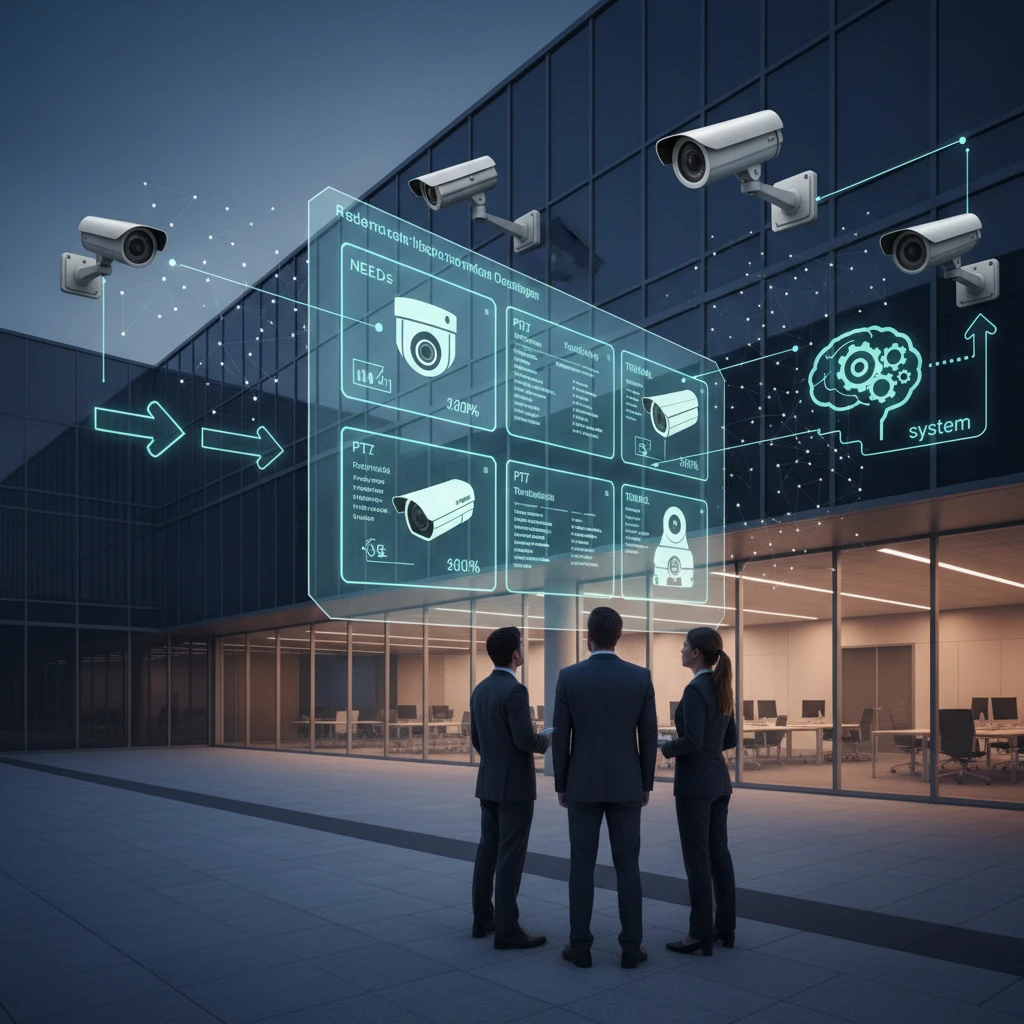
In today’s business landscape, security cameras have transitioned from a luxury to a necessity. Smart business owners across Mississauga, Brampton, and the Greater Toronto Area (GTA) are recognizing the value of a comprehensive surveillance system. It’s not just about deterring crime; it’s about operational efficiency, risk management, and ensuring the safety of employees and customers.
This guide provides actionable insights into choosing the right business security camera system tailored to your specific needs. From understanding the different camera types and essential features to assessing your business vulnerabilities and future-proofing your investment, we’ll cover everything you need to make an informed decision and protect your bottom line in 2026.
Protecting Your Bottom Line: Why Business Security Cameras Are Essential in 2026
The Rising Cost of Commercial Theft and Vandalism
Commercial theft and vandalism continue to be significant threats to businesses in 2026. According to recent industry reports, businesses experience a substantial loss each year due to theft, often fueled by both external intruders and internal employees. In addition to the direct cost of stolen goods or damaged property, businesses also face indirect costs such as increased insurance premiums, lost productivity, and reputational damage. Installing commercial CCTV systems can drastically reduce these risks. For instance, a well-placed camera system can deter potential shoplifters in a retail environment, while outdoor cameras can prevent vandalism and break-ins after hours. Beyond just capturing footage, visible cameras act as a deterrent, making your business a less attractive target.
Beyond Security: Using CCTV for Operational Efficiency
The benefits of business security cameras extend far beyond simple security. Smart businesses are leveraging CCTV systems to improve operational efficiency. Consider a warehouse environment. Strategically placed cameras can monitor inventory flow, track employee activity, and identify bottlenecks in the supply chain. Managers can use this footage to optimize workflows, improve employee training, and reduce operational errors. Similarly, in retail settings, security cameras can provide valuable insights into customer behavior, traffic patterns, and employee performance. This data can be used to optimize store layouts, improve customer service, and increase sales. See how business security cameras offer operational visibility solutions beyond traditional security.
Meeting Compliance and Insurance Requirements with Surveillance
Many industries have strict compliance and regulatory requirements related to security and safety. A robust CCTV system can help businesses meet these requirements and avoid costly fines or penalties. For example, businesses handling sensitive customer data may be required to implement video surveillance to protect against data breaches and unauthorized access. Similarly, businesses in the manufacturing or construction industries may need to install security cameras to monitor employee safety and ensure compliance with occupational health and safety regulations. Furthermore, many insurance companies offer discounts to businesses that have professional security systems installed, recognizing the reduced risk of theft, vandalism, and liability claims. Don’t forget that maintaining your system through Commercial CCTV: Scalable Security System Maintenance is also critical for continuous compliance.
Step 1: Assessing Your Business Security Needs in Mississauga, Brampton, and Beyond
Identifying Key Vulnerable Areas: Warehouses, Entry Points, Cash Handling Zones
The first step in choosing the right business security camera system is to conduct a thorough assessment of your specific security needs. Start by identifying your business’s key vulnerable areas. These may include entry points (doors, loading docks), cash handling zones (registers, safes), inventory storage areas (warehouses, stockrooms), and parking lots. Each area presents unique security challenges and may require different types of cameras and surveillance strategies. For example, a warehouse might require cameras with wide-angle lenses to monitor large areas, while a cash handling zone might benefit from high-resolution cameras to capture detailed footage of transactions. Understanding these vulnerabilities is crucial for designing an effective security system.
Defining Security Objectives: Theft Deterrence, Loss Prevention, Employee Safety
Once you’ve identified your vulnerable areas, define your specific security objectives. Are you primarily concerned with deterring theft, preventing loss, ensuring employee safety, or a combination of all three? Each objective may require a different approach to camera placement, system configuration, and monitoring protocols. For instance, if your primary objective is theft deterrence, you may want to focus on installing highly visible cameras in strategic locations. If your primary objective is loss prevention, you may need to integrate your security camera system with your point-of-sale (POS) system to identify and investigate discrepancies. If employee safety is a major concern, consider installing cameras in common areas and employee entrances to deter violence and harassment.
Future-Proofing Your System: Scalability and Integration Considerations
When investing in a business security camera system, it’s essential to consider future scalability and integration. Your business needs will likely evolve over time, so you’ll want a system that can easily adapt to changing requirements. Choose a system that allows you to add more cameras as your business expands or your security needs change. Also, consider integrating your security camera system with other security systems, such as access control systems, alarm systems, and video analytics software. Integrating security systems offers a more comprehensive security solution and streamlines security management. Furthermore, consider a system that utilizes Power over Ethernet (PoE), as explained on this page about commercial CCTV, for easier installation and scalability.
Understanding Camera Types: Choosing the Right Technology for Your Application
Bullet Cameras: Ideal for Perimeter Security and Long-Range Surveillance
Bullet cameras are characterized by their cylindrical shape and are commonly used for outdoor surveillance. They are designed to be highly visible, serving as a deterrent to potential intruders. Their primary strength lies in long-range surveillance, making them ideal for monitoring perimeters, parking lots, and loading docks. Bullet cameras often come with features like infrared (IR) illumination for night vision and weatherproof housings to withstand harsh environmental conditions. However, their fixed lens and limited field of view may make them less suitable for indoor applications that require broader coverage. It’s worth noting that while generally less expensive, their visibility can sometimes make them targets for vandalism. Selecting vandal-resistant models becomes key in high-risk areas.
Dome Cameras: Discreet Monitoring for Retail and Office Environments
Dome cameras, named for their dome-shaped housing, are designed for indoor use and offer a more discreet surveillance solution. Their subtle design makes them ideal for retail stores, offices, and other environments where a low-profile approach is desired. The dome housing also provides a degree of protection against vandalism, as it obscures the camera’s direction. While dome cameras typically offer a wider field of view than bullet cameras, their range may be limited compared to bullet cameras. Some dome cameras also include features like varifocal lenses, allowing you to adjust the zoom and focus to suit your specific needs. In a retail setting, strategically placed dome cameras can deter shoplifting and monitor customer traffic flow. They are great for reducing shrinkage, a common business challenge.
PTZ (Pan-Tilt-Zoom) Cameras: Comprehensive Coverage and Remote Control
PTZ (Pan-Tilt-Zoom) cameras offer the most comprehensive coverage and remote control capabilities. These cameras can pan horizontally, tilt vertically, and zoom in on specific areas of interest, providing a full 360-degree view. PTZ cameras are ideal for monitoring large areas, such as warehouses, parking lots, and manufacturing facilities. They can be controlled remotely by security personnel, allowing them to zoom in on suspicious activity or track moving objects. PTZ cameras often come with features like auto-tracking, which automatically follows moving objects within their field of view. However, PTZ cameras are typically more expensive than bullet or dome cameras, and they require skilled operators to use them effectively. Consider the cost-benefit ratio and training implications before opting for a PTZ camera system.
Essential Features to Look for in a Commercial CCTV System
High-Resolution Video: Ensuring Clear and Detailed Footage
High-resolution video is a crucial feature for any commercial CCTV system. Clear and detailed footage is essential for identifying perpetrators, investigating incidents, and providing evidence to law enforcement. In 2026, look for cameras that offer a minimum resolution of 1080p (Full HD) or higher. 4K (Ultra HD) cameras provide even greater detail and are becoming increasingly affordable. Keep in mind that higher resolution requires more storage space, so you’ll need to ensure that your recording system can handle the increased data volume. Furthermore, consider the camera’s image sensor size and lens quality, as these factors also affect the overall image quality. Don’t rely solely on megapixel count; evaluate sample footage before making a purchase.
Night Vision Capabilities: Monitoring Your Business Around the Clock
Night vision capabilities are essential for monitoring your business around the clock. Most commercial security cameras use infrared (IR) illumination to capture footage in low-light conditions. The range and effectiveness of the IR illumination will vary depending on the camera model. Consider the size of the area you need to monitor at night and choose cameras with sufficient IR range. Some cameras also offer enhanced night vision technologies, such as starlight sensors, which provide clearer and more detailed footage in extremely low-light conditions. Regular testing of the night vision capabilities is recommended to ensure continued functionality. Pay attention to the potential for IR reflection off nearby objects, which can degrade image quality.
Weatherproof Ratings: Durability and Performance in Harsh Environments
If you plan to install security cameras outdoors, weatherproof ratings are essential. Look for cameras with an IP (Ingress Protection) rating that indicates their level of protection against dust and water. For example, a camera with an IP66 rating is protected against dust and strong water jets, while a camera with an IP67 rating is protected against dust and immersion in water. Choose cameras with weatherproof ratings that are appropriate for the climate in your area. In Mississauga and Brampton, where winters can be harsh, ensure that your cameras can withstand cold temperatures, snow, and ice. Regular inspections and cleaning are recommended to maintain the weatherproof integrity of your cameras.
The Importance of Professional Installation and Structured Cabling for Business Security Cameras
Proper Camera Placement for Optimal Coverage
Professional installation goes beyond simply mounting cameras. It involves a strategic assessment of your business premises to identify vulnerable areas and optimize camera placement for maximum coverage. Poor placement can lead to significant blind spots, rendering your security system ineffective. For example, placing a camera directly facing a window during the day can result in glare and a washed-out image, making it difficult to identify individuals. A professional installer will consider factors like lighting conditions, traffic patterns, and potential obstructions to ensure clear and comprehensive video capture. They will also advise on the appropriate camera type for each location, such as dome cameras for wide-angle views or bullet cameras for focused surveillance. An experienced installer can also perform necessary wiring upgrades to support new camera locations, ensuring sufficient power and bandwidth for optimal performance. The right placement will dramatically increase the security provided by your cameras.
Secure and Reliable Network Infrastructure (PoE Considerations)
Structured cabling is the backbone of any robust security camera system. It ensures a reliable and secure connection between your cameras and recording devices. Power over Ethernet (PoE) is a crucial consideration, allowing both power and data to be transmitted through a single cable, simplifying installation and reducing the need for separate power outlets. However, not all PoE implementations are equal. A properly designed PoE system will ensure sufficient power delivery to each camera, preventing performance issues such as dropped video feeds or reduced image quality. This is particularly important for cameras with advanced features like pan-tilt-zoom (PTZ) or infrared (IR) illumination, which require more power. Furthermore, the cabling itself must be of high quality to minimize signal loss and interference. Cat6 or Cat6a cabling is generally recommended for business security camera systems, providing ample bandwidth for high-resolution video and future scalability. Upgrading to a system with PoE wiring ensures greater reliability. You can learn more about Commercial CCTV: PoE Wiring for Reliable Security on our site.
Minimizing Blind Spots and Maximizing Deterrent Effect
Beyond technical expertise, a professional installer understands how to strategically position cameras to minimize blind spots and maximize their deterrent effect. This involves considering the psychological impact of visible security measures. A well-placed camera can deter potential criminals from even attempting to enter your property. However, simply installing cameras haphazardly is not enough. A professional will conduct a thorough site survey to identify potential weaknesses in your security posture and recommend camera placements that address those vulnerabilities. This may involve installing cameras at entrances and exits, along perimeter fences, and in areas with high foot traffic. They will also consider the optimal viewing angles to capture clear images of faces and license plates. Moreover, they can integrate the camera system with other security measures, such as access control systems and alarm systems, to create a layered security approach. By strategically minimizing blind spots and maximizing deterrent effect, professional installation helps to significantly reduce the risk of theft, vandalism, and other security incidents.
Remote Video Monitoring and Mobile Viewing: Staying Connected to Your Business, Wherever You Are
Real-Time Alerts for Suspicious Activity
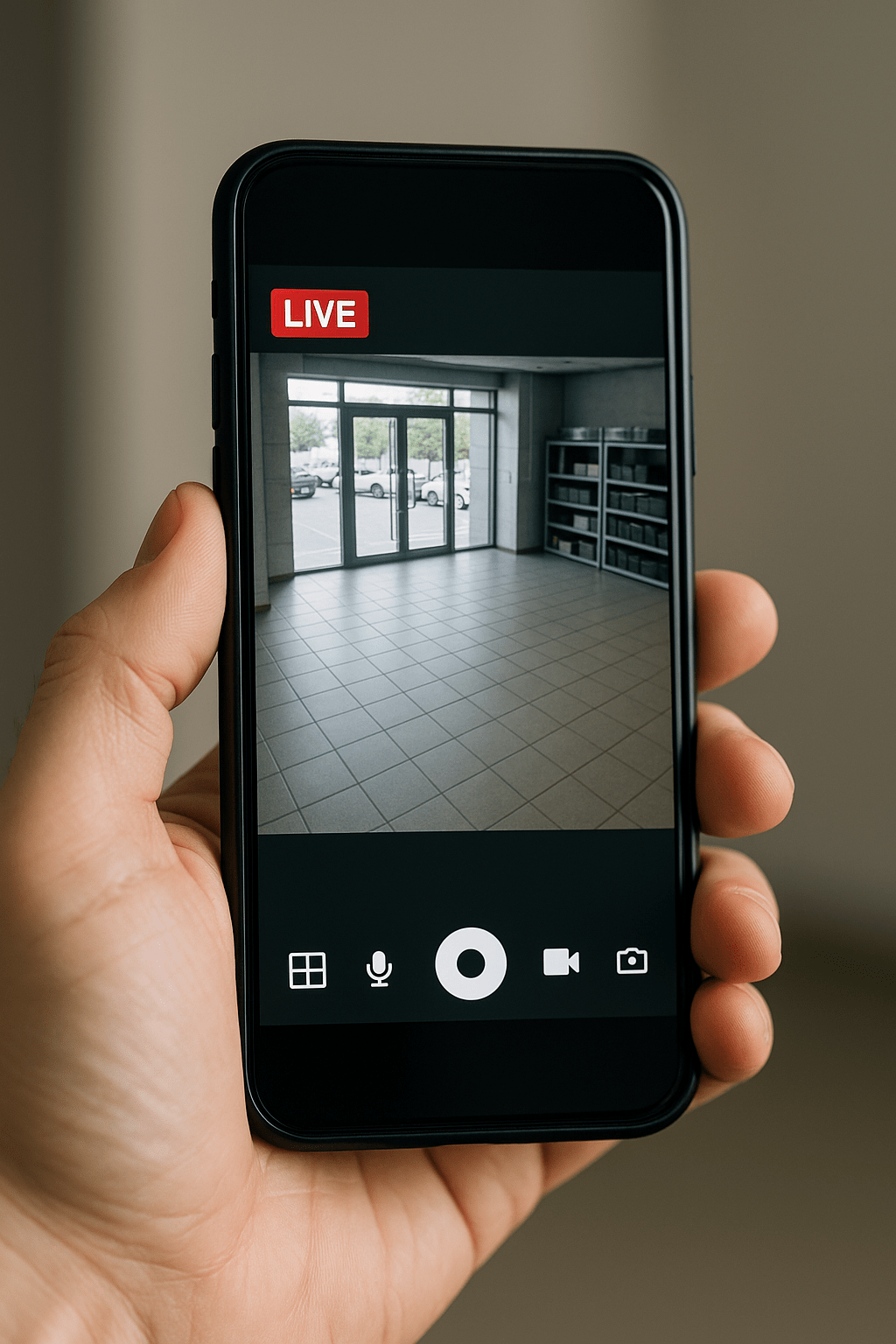
Modern business security camera systems offer advanced features like real-time alerts, enabling you to stay informed about suspicious activity even when you’re not on-site. These alerts can be triggered by various events, such as motion detection in restricted areas, unusual sounds, or even facial recognition. Customizable alert settings allow you to tailor the system to your specific needs and priorities. For instance, you might set up alerts for after-hours activity in the warehouse or for anyone loitering near the loading docks. The alerts can be delivered to your smartphone, tablet, or computer via email, SMS, or push notifications, allowing you to respond quickly to potential threats. It’s important to note that the effectiveness of these alerts depends on the quality of the camera system and the accuracy of the detection algorithms. A poorly designed system can generate false alarms, leading to alert fatigue and potentially causing you to ignore legitimate threats. Furthermore, real-time alerts are a key component of business security cameras for remote monitoring.
Accessing Live and Recorded Footage from Any Device
Remote access to live and recorded footage is a critical feature of modern business security camera systems. It allows you to monitor your business from anywhere in the world, using a smartphone, tablet, or computer. User-friendly mobile apps and web interfaces provide a seamless viewing experience, allowing you to easily switch between cameras, zoom in on specific areas, and review recorded footage. This accessibility is invaluable for verifying alarms, investigating incidents, and monitoring employee activity. However, it’s essential to ensure that the remote access is secured with strong passwords and encryption to prevent unauthorized access. Multi-factor authentication adds an extra layer of security, requiring users to verify their identity through multiple channels. Additionally, you should regularly review access logs to identify any suspicious activity. Proper setup and security are key to keeping your remote access secure and reliable.
Improving Response Times to Security Threats
Remote video monitoring significantly improves response times to security threats. By receiving real-time alerts and having the ability to remotely view live footage, you can quickly assess the situation and take appropriate action. This may involve contacting the police, dispatching security personnel, or remotely activating alarms or other security measures. Faster response times can minimize damage, prevent theft, and protect your employees. For example, if you receive an alert about a break-in at your warehouse, you can immediately view the live footage to verify the threat and provide critical information to the authorities. This can help them to apprehend the suspects more quickly and prevent further damage. A business security camera system that supports remote monitoring is a proactive investment that can significantly enhance your security posture.
Data Storage and Retention: Complying with Privacy Regulations and Industry Best Practices
Determining the Right Amount of Storage for Your Needs
Choosing the right amount of data storage is crucial for your business security camera system. Insufficient storage can result in overwriting important footage, while excessive storage can lead to unnecessary costs. Several factors influence storage requirements, including the number of cameras, the resolution of the video, the frame rate, and the recording schedule. Higher resolution and frame rates consume more storage space. For example, recording in 4K resolution at 30 frames per second will require significantly more storage than recording in 1080p at 15 frames per second. Similarly, continuous recording consumes more storage than motion-activated recording. To accurately estimate your storage needs, you can use online calculators or consult with a security professional. It’s also important to consider future scalability. As your business grows, you may need to add more cameras or increase the recording resolution, requiring additional storage capacity. Planning for future growth will prevent the need for costly upgrades down the line.
Implementing Secure Data Encryption and Access Controls
Protecting your security camera footage from unauthorized access is paramount. Implementing robust data encryption and access controls is essential for maintaining the confidentiality and integrity of your video data. Data encryption scrambles the video footage, making it unreadable to anyone without the proper decryption key. Access controls restrict access to the footage based on user roles and permissions. For example, only authorized personnel should have access to sensitive areas like cash handling rooms or executive offices. Strong passwords, multi-factor authentication, and regular security audits are crucial for maintaining the effectiveness of these security measures. It’s also important to choose a security camera system that supports encryption and access controls at both the camera and recording levels. This ensures that your video data is protected throughout its entire lifecycle, from the moment it’s captured to the moment it’s archived or deleted.
Establishing a Clear Data Retention Policy
A well-defined data retention policy is crucial for complying with privacy regulations and industry best practices. This policy should outline how long video footage will be stored, how it will be protected, and when it will be deleted. The retention period should be based on legal requirements, business needs, and industry standards. For example, some industries may require you to retain video footage for a specific period for compliance purposes. Your policy should also address issues such as data backups, disaster recovery, and data disposal. Regular review and updates of your data retention policy are essential to ensure that it remains compliant with evolving regulations and business needs. Documented policies that are clearly communicated to employees also protect your business from liability.
Budgeting for Your Business Security Camera System: Understanding the Costs and ROI
Factoring in Equipment, Installation, and Ongoing Maintenance
Budgeting for a business security camera system involves more than just the cost of the cameras themselves. You need to factor in equipment costs (cameras, recording devices, cabling), installation expenses (labor, permits, site preparation), and ongoing maintenance (software updates, hardware repairs, system monitoring). Equipment costs vary widely depending on the type and quality of the cameras. High-resolution cameras with advanced features like PTZ and IR illumination will typically cost more than basic models. Installation costs depend on the complexity of the installation, the size of your property, and the amount of cabling required. Ongoing maintenance costs can include monthly monitoring fees, software update subscriptions, and repair costs for damaged or malfunctioning equipment. Consider a service agreement, such as Commercial CCTV: Scalable Security System Maintenance, to mitigate these ongoing costs.
Calculating the Potential Savings from Reduced Theft and Insurance Premiums
A well-designed security camera system can generate significant cost savings by reducing theft, vandalism, and other security incidents. By deterring criminal activity and providing valuable evidence in the event of a crime, a security camera system can help you minimize losses and protect your assets. Insurance companies often offer discounts to businesses that have security camera systems installed, further reducing your costs. To calculate the potential savings, consider the historical costs associated with theft, vandalism, and other security incidents. Estimate the potential reduction in these costs based on the deterrent effect and investigative capabilities of the security camera system. Factor in any insurance premium discounts that you may be eligible for. The resulting savings can then be compared to the cost of the security camera system to determine the return on investment (ROI). You can find examples and use cases on Business Security Cameras: ROI Case Studies.
Exploring Financing Options for Commercial Security Solutions
Investing in a business security camera system can be a significant expense, but there are various financing options available to help you manage the cost. Leasing is a popular option, allowing you to spread the cost of the system over a fixed period. This can be particularly attractive for businesses with limited capital or those who want to avoid a large upfront investment. Another option is to finance the system through a loan or line of credit. This allows you to own the system outright while still spreading the cost over time. Some security providers also offer in-house financing options. When considering financing options, be sure to compare interest rates, terms, and fees from different providers. Also, factor in any tax benefits that you may be eligible for, such as depreciation deductions. By carefully exploring your financing options, you can find a solution that fits your budget and helps you protect your business.
Integrating Your CCTV System with Other Security Measures (Access Control, Alarm Systems)
A truly robust security posture goes beyond simply recording events. Integrating your CCTV system with other security measures, such as access control and alarm systems, creates a layered defense that’s far more effective. When these systems communicate, you gain a holistic view of your security and can automate responses to potential threats. Integrating helps businesses prevent security breaches more holistically.
Creating a Comprehensive Security Ecosystem
Consider an example: If an unauthorized individual attempts to enter a restricted area, the access control system can deny entry, trigger an alarm, and simultaneously alert the CCTV system to record the event and send a notification to security personnel. This integration creates a comprehensive security ecosystem that provides real-time alerts and actionable intelligence. The CCTV system acts as a visual verification tool, allowing security staff to assess the situation and respond appropriately. This could include anything from remotely locking down the area to dispatching security or law enforcement. This inter-connectivity greatly minimizes potential damage or loss. Properly integrated, even a simple system significantly reduces risk.
Streamlining Security Management and Reporting
Integration also streamlines security management and reporting. Instead of managing multiple systems independently, security personnel can access and control all security functions from a single platform. This simplifies incident investigation and reporting, as all relevant data is centralized. For example, if there’s a break-in, you can quickly retrieve video footage of the event, along with access control logs and alarm system activity, to create a comprehensive incident report. This unified view helps identify vulnerabilities and improve security protocols over time. The ability to generate consolidated reports is a significant time-saver, freeing up security staff to focus on proactive measures.
Improving Overall Threat Detection and Response
Ultimately, integrating your CCTV system with other security measures improves overall threat detection and response. By combining the strengths of different systems, you create a more resilient and effective security posture. This is especially important for businesses with complex security needs or high-value assets to protect. For instance, integrating your CCTV with point-of-sale (POS) systems can identify fraudulent transactions. Furthermore, businesses must consider a scalable security systems for future growth or expansion.
Choosing a Trusted Security Partner in the GTA: Why Local Expertise Matters
Selecting a security partner isn’t just about equipment; it’s about finding a trusted advisor who understands your specific needs and the unique challenges of operating in the Greater Toronto Area (GTA). A local security provider offers advantages that national chains simply can’t match, especially when it comes to responsiveness and familiarity with the local landscape. Choosing the right partner is as important as choosing the security technology.
Benefits of working with Mississauga, Brampton, Milton, Oakville, Georgetown, Acton, and Guelph local installer
Working with a local installer in Mississauga, Brampton, Milton, Oakville, Georgetown, Acton, or Guelph offers several key benefits. Local providers are more likely to have established relationships with local law enforcement and understand local crime trends. This allows them to tailor your security system to address specific threats in your area. They can provide faster response times for service and support, minimizing downtime and ensuring your system is always operating at peak performance. A local presence also often translates to a more personalized service experience, with a dedicated account manager who understands your business.
Ensuring Ongoing Support and Maintenance for Your System
Even the best security system requires ongoing support and maintenance. A local security partner can provide timely maintenance and repairs, ensuring your system remains reliable and effective. They can also offer remote monitoring services, proactively identifying and addressing potential issues before they escalate. Regular maintenance can extend the lifespan of your equipment and prevent costly repairs down the road. Consider this: A manufacturing plant in Brampton experienced a spike in equipment theft. Their local security partner identified a camera malfunction during a routine maintenance check, preventing further losses. A proactive approach is invaluable.
Understanding Local Regulations and Compliance Requirements
Navigating the complex web of local regulations and compliance requirements can be challenging. A local security partner is familiar with the specific laws and ordinances in your area, ensuring your security system meets all legal requirements. This can help you avoid costly fines and penalties. They can also advise you on best practices for data privacy and security. Furthermore, consider upgrades to your obsolete systems for better compliance.
Avoiding Common Pitfalls When Selecting Business Security Cameras
Investing in a business security camera system is a significant decision, and it’s crucial to avoid common pitfalls that can compromise your security and waste your investment. Many businesses make mistakes in their camera system purchasing and installation.
Cutting Corners on Quality and Ending Up with Unreliable Equipment
One of the biggest mistakes businesses make is cutting corners on quality. Opting for cheaper, low-quality cameras and equipment may seem appealing in the short term, but it can lead to unreliable performance, poor image quality, and frequent breakdowns. This can render your security system ineffective and ultimately cost you more money in the long run. Investing in reputable brands and high-quality components ensures reliable performance and longevity. The clarity of video can be the difference between identifying a perpetrator and having useless footage. For example, a retail store in Oakville installed a budget system; the pixelation was so poor after a robbery they could not make out the license plate of the getaway car.
Neglecting to Plan for Future Expansion
Another common pitfall is neglecting to plan for future expansion. As your business grows, your security needs will likely evolve. Choosing a security system that isn’t scalable can limit your ability to adapt to changing needs. Ensure your system can accommodate additional cameras, storage capacity, and features as your business expands. A scalable system is a cost-effective solution for long-term security. Businesses should carefully consider scalable security.
Overlooking the Importance of Professional Installation
Even the best security system is only as good as its installation. Overlooking the importance of professional installation can lead to performance issues, blind spots, and vulnerabilities. Professional installers have the expertise to properly position cameras, configure settings, and ensure the system is functioning optimally. They can also provide training on how to use the system effectively. Improper installation can lead to significant gaps in security coverage, negating the benefits of the system. It is wise to consult professionals for commercial CCTV PoE wiring.
Ready to Secure Your Business? Contact AYS Security for a Free Consultation
Don’t leave your business vulnerable to threats. AYS Security is ready to help you design, install, and maintain a comprehensive security system that meets your specific needs and budget. Our team of experts will work closely with you to assess your risks, identify your priorities, and develop a customized solution that provides maximum protection.
Designing a Custom Security Solution to Meet Your Specific Needs
At AYS Security, we understand that every business is unique. That’s why we offer custom security solutions tailored to your specific needs and requirements. We take the time to understand your business operations, identify your vulnerabilities, and develop a system that provides the optimal level of protection. Whether you need a simple camera system or a fully integrated security solution, we have the expertise to deliver results. Consider your business needs for mobile viewing, with options for remote video monitoring for efficiency.
Providing Expert Installation and Ongoing Support
Our team of certified technicians provides expert installation and ongoing support, ensuring your security system is always operating at peak performance. We use high-quality equipment and follow industry best practices to ensure a reliable and long-lasting system. We also offer remote monitoring services, providing proactive threat detection and response. Our commitment to customer service is unmatched. We are here to help you maintain your commercial CCTV with scalable security system maintenance.
Protecting Your Business from Threats and Ensuring Peace of Mind
Investing in a security system is an investment in your peace of mind. With AYS Security, you can rest assured that your business is protected from threats, allowing you to focus on what matters most: growing your business. We are committed to providing our clients with the highest level of security and customer service. An example of our services can be found in reducing shrinkage in your business.
Choosing the right business security camera system requires careful consideration of your specific needs, budget, and local environment. By avoiding common pitfalls and partnering with a trusted local provider like AYS Security, you can ensure a robust and effective security posture that protects your business for years to come.
Frequently Asked Questions
- How much does a business security system cost? The cost of a business security system depends on several factors, including the size of your business, the type of equipment you need, and the complexity of the installation. We offer free consultations to assess your needs and provide a detailed quote.
- What type of security cameras should I choose? The type of security cameras you choose will depend on your specific needs and environment. We offer a wide range of cameras, including dome cameras, bullet cameras, PTZ cameras, and more. Our experts can help you choose the right cameras for your business.
- How often should I maintain my security system? Regular maintenance is essential to ensure your security system is operating at peak performance. We offer comprehensive maintenance plans to keep your system in top condition.
- What happens if my security system is triggered? If your security system is triggered, our monitoring center will immediately notify you and the authorities. We can also provide remote video monitoring to assess the situation and take appropriate action.
- How do I get started? Contact us today for a free consultation. We will assess your needs, develop a customized solution, and provide expert installation and ongoing support.
Contact Us Today
Ready to enhance your business security? Contact AYS Security today for a free consultation. Our team of experts is ready to help you design, install, and maintain a comprehensive security system that meets your specific needs and budget. Call us or fill out our online form to schedule your consultation.
We look forward to partnering with you to protect your business and provide you with the peace of mind you deserve. Learn more about our company and our dedication to serving businesses in the area.