In today’s complex business environment, security threats are constantly evolving. Protecting your assets, employees, and reputation requires a sophisticated and integrated approach, moving beyond standalone security measures to a cohesive ecosystem of protection. As we move further into 2026, the integration of commercial CCTV systems with other security technologies is not just a best practice, but a necessity.
This article delves into the core elements of a well-integrated commercial CCTV system, exploring how it can be synergistically linked with access control, alarm systems, and other security measures to create a robust defense for your business. Learn how to enhance intrusion detection, improve response times, and ultimately reduce your risk exposure.
Beyond Surveillance: Optimizing Security System Integration for Your Business in 2026
The Evolving Security Landscape: Threats and Opportunities
The security landscape facing businesses in 2026 is characterized by increasing sophistication in threats and a parallel advancement in security technologies. Businesses need to stay ahead of these challenges. Common threats include theft, vandalism, cyberattacks targeting security systems, and internal security breaches. At the same time, advancements in AI-powered video analytics, cloud storage, and IoT integration present opportunities to build more resilient and proactive security systems. However, failing to adapt to these changes leaves businesses vulnerable. For example, a warehouse relying solely on outdated analog cameras is significantly more susceptible to theft and blind spots than one utilizing a modern, integrated IP-based system that is designed to minimize operational blindspots. Staying current with the latest technologies and best practices is no longer optional; it is crucial for survival.
Why Integrated Security Systems are Crucial for Modern Businesses
Integrated security systems provide a centralized, holistic approach to security management. Instead of operating as isolated components, various security elements like CCTV, access control, and alarm systems work together seamlessly. This integration offers several key advantages. First, it provides enhanced situational awareness. By combining video surveillance with access control data, you can gain a comprehensive understanding of who is entering your premises and their movements. Second, integrated systems enable faster and more effective incident response. An alarm triggered by a door sensor can automatically cue nearby cameras to record, providing valuable context and evidence. Finally, integrated systems improve security management efficiency, allowing you to monitor and control all aspects of your security from a single platform. As explained in our article about Commercial CCTV: Scalable Security for GTA Businesses, scalability is also key for a security system to grow alongside your business.
Understanding the Core Components of a Commercial CCTV System
High-Resolution Cameras: Choosing the Right Specifications (e.g., 4K, PTZ, Infrared)
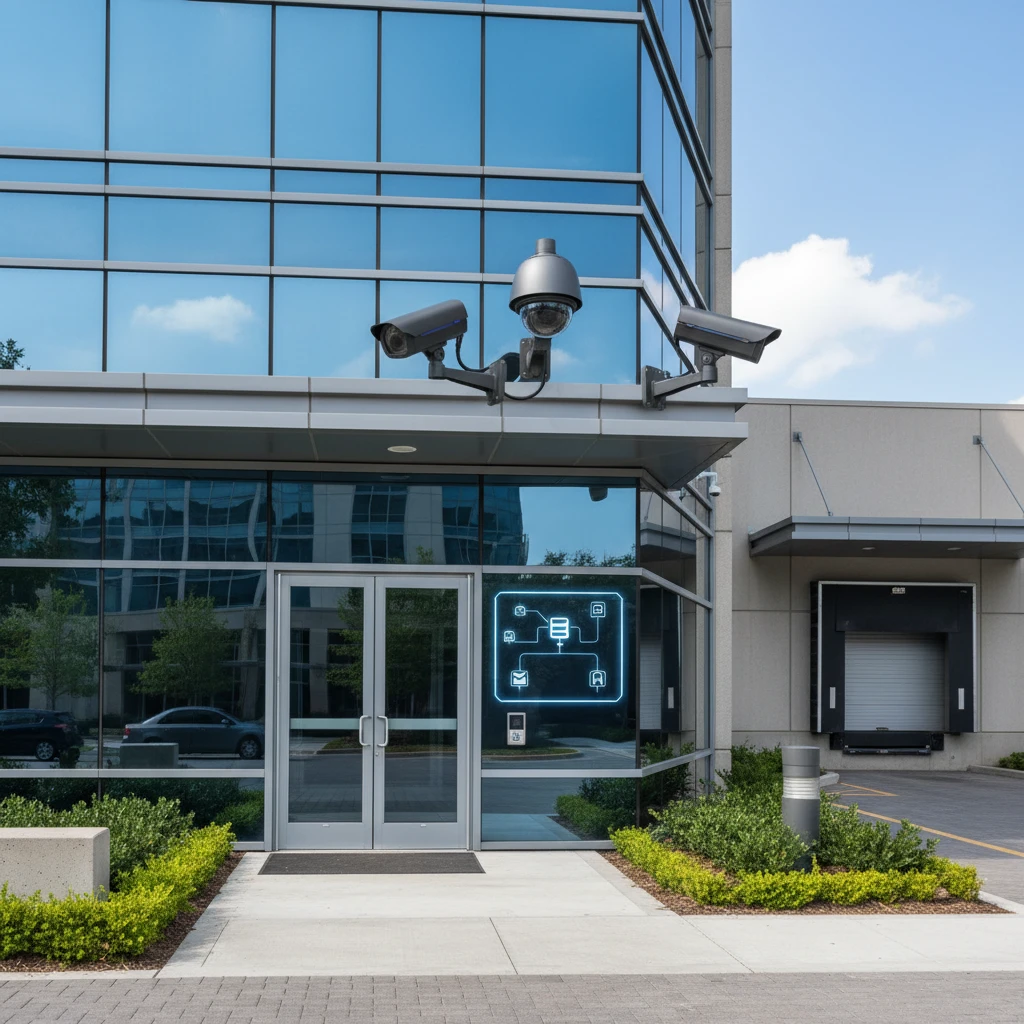
The foundation of any commercial CCTV system lies in its cameras. Selecting the right camera specifications is critical for capturing clear and usable footage. Resolution is a key factor, with 4K cameras offering significantly greater detail than older analog systems. Consider the field of view required; wide-angle lenses are suitable for covering large areas, while telephoto lenses are better for focusing on specific points of interest. PTZ (Pan-Tilt-Zoom) cameras offer the flexibility to remotely adjust the camera’s viewing angle and zoom, enhancing situational awareness. Infrared (IR) cameras are essential for low-light or nighttime surveillance. When choosing cameras, consider the specific needs of each location within your business. For example, a loading dock would benefit from ruggedized, weatherproof cameras with IR capabilities, while indoor retail spaces may require discreet, high-resolution cameras that provide operational visibility solutions. The placement of the cameras is as important as the quality of the cameras themselves.
Network Video Recorders (NVRs): Storage Capacity and Management
Network Video Recorders (NVRs) are the central hub of a commercial CCTV system, responsible for recording, storing, and managing video footage. Storage capacity is a crucial consideration, as it determines how long footage can be retained. The required storage depends on several factors, including the number of cameras, recording resolution, frame rate, and retention period. For example, a system with ten 4K cameras recording continuously at 30 frames per second may require several terabytes of storage per week. Video compression technologies, such as H.265, can help reduce storage requirements without significantly impacting video quality. NVRs also offer various management features, including remote access, user authentication, and event-triggered recording. Consider an NVR that supports redundant storage options, such as RAID, to protect against data loss in the event of a hard drive failure.
Cabling Infrastructure: The Importance of Structured Cabling and PoE
The cabling infrastructure is the backbone of a commercial CCTV system, responsible for transmitting video and data signals between cameras and the NVR. Structured cabling provides a standardized and organized approach to cable management, ensuring reliable performance and scalability. Using high-quality cables, such as Cat6 or Cat6A, is essential for transmitting high-resolution video signals over long distances without signal degradation. Power over Ethernet (PoE) technology allows cameras to receive both power and data over a single cable, simplifying installation and reducing cable clutter. PoE switches provide power to the cameras, eliminating the need for separate power supplies. Proper cable management is crucial for maintaining a reliable and easily maintainable CCTV system. Consider a professional installation, as detailed in our article covering structured cabling for business security camera systems, to ensure optimal performance and longevity.
Integrating CCTV with Access Control Systems: A Powerful Security Duo
Synchronizing Video Surveillance with Door Entry Systems
Integrating CCTV with access control systems creates a powerful synergy, providing enhanced security and situational awareness. When a door is accessed using a keycard or biometric scanner, the CCTV system can automatically capture video footage of the event. This allows you to visually verify who is entering and exiting your premises. This integration is extremely beneficial for monitoring high-security areas such as data centers, server rooms, and executive offices. The video footage can be time-stamped and linked to access control logs, providing a comprehensive audit trail of access events. Ensure that the access control system and CCTV system are compatible and support integration through standard protocols or APIs. This will allow the two systems to communicate effectively and share data. As an example, if an employee badge is used to enter a restricted area at 3:00 AM, the CCTV system records footage of the entry to be analyzed.
Real-Time Alerts for Unauthorized Access Attempts
Beyond logging authorized entries, integrating CCTV and access control allows for real-time alerts for unauthorized access attempts. If someone tries to force a door open or uses an invalid keycard, the access control system can trigger an alert in the CCTV system. This alert can then be sent to security personnel or a monitoring center, allowing them to quickly assess the situation and take appropriate action. The CCTV system can automatically display live video from the camera covering the affected door, providing immediate visual confirmation of the event. Real-time alerts significantly improve response times and help prevent security breaches before they occur. For example, if a terminated employee attempts to use their old access card, the system will flag the attempt as unauthorized, sending an alert and video clip to the security team.
Analyzing Access Control Data to Identify Security Vulnerabilities
The integration of CCTV and access control also enables you to analyze access control data to identify potential security vulnerabilities. By reviewing access logs and associated video footage, you can identify patterns of unusual activity, such as unauthorized access attempts, late-night entries, or frequent access to sensitive areas. This data can be used to refine access control policies, improve employee training, and address physical security weaknesses. For example, if the analysis shows that a specific door is frequently propped open, it may indicate a need for additional security measures, such as a door alarm or security camera. Consider using data analytics tools to automate the analysis of access control data and identify potential security risks. This proactive approach can help you prevent security breaches before they occur. The upgrade of your commercial CCTV system can enhance security as well.
Leveraging Alarm Systems for Enhanced Intrusion Detection and Response
Integrating CCTV with Motion Sensors and Door/Window Contacts
Integrating CCTV with alarm systems creates a multi-layered approach to intrusion detection. When motion sensors or door/window contacts are triggered, the alarm system can automatically activate nearby CCTV cameras to record video footage of the event. This provides visual confirmation of the intrusion and helps determine the nature of the threat. The integration of alarm systems and CCTV is particularly useful for perimeter security, protecting areas such as warehouses, parking lots, and construction sites. For example, if a motion sensor detects movement near a fence line, the CCTV system can automatically zoom in on the area and begin recording. Ensure that the alarm system and CCTV system are compatible and support integration through standard protocols. This seamless integration helps reduce false alarms and improves the effectiveness of your security system. Upgrading business security cameras can minimize blindspots to better catch any possible threats.
Verified Alarm Monitoring: Reducing False Alarms and Improving Response Times
False alarms are a common problem with traditional alarm systems, leading to wasted resources and delayed response times. Integrating CCTV with alarm monitoring services allows for verified alarm monitoring, where trained professionals visually verify the alarm event before dispatching emergency services. When an alarm is triggered, the monitoring center can remotely access the CCTV cameras at the site to assess the situation. If the alarm is verified as a legitimate intrusion, the monitoring center can immediately dispatch police or other emergency responders. Verified alarm monitoring significantly reduces false alarms and ensures that emergency services are only dispatched when needed. This can lead to faster response times and improved outcomes in the event of a real security breach. According to research, verified alarms have a higher priority with law enforcement, potentially leading to quicker response times compared to unverified alarms.
Remote Video Verification for Faster Police Dispatch
Remote video verification allows monitoring centers to remotely view live video from CCTV cameras in response to an alarm event. This capability is crucial for assessing the legitimacy of the alarm and providing critical information to law enforcement. With remote video verification, monitoring center personnel can quickly determine if an alarm is triggered by a genuine intrusion, a false alarm, or a non-threatening event. If a crime is in progress, the monitoring center can provide law enforcement with real-time information about the suspects, their location, and their activities. This information can help police officers respond more effectively and apprehend suspects more quickly. In many jurisdictions, police departments prioritize calls for service based on the level of verification. Remote video verification can significantly improve the priority of your alarm and ensure a faster police dispatch. For example, an AYS Security client in Mississauga saw a 60% reduction in false alarms and a 30% improvement in police response times after implementing remote video verification.
Power Over Ethernet (PoE) and Structured Cabling: Foundational Elements for Seamless Integration
The Benefits of PoE for CCTV and Integrated Systems
Power over Ethernet (PoE) has revolutionized the way commercial CCTV systems are designed and deployed. Instead of requiring separate power cables for each camera, PoE allows both power and data to be transmitted over a single Ethernet cable. This significantly reduces installation costs, simplifies cabling, and offers greater flexibility in camera placement. For example, consider a warehouse requiring extensive camera coverage. Implementing PoE can cut down on electrical outlet installation, saving both time and money. Furthermore, PoE switches often come with battery backup capabilities, ensuring continued surveillance even during power outages – a critical feature for maintaining security during emergencies. PoE also allows for centralized management and monitoring of power consumption, enabling efficient resource allocation and troubleshooting. The reliability of a PoE system hinges on the quality of the components used; investing in reputable brands is paramount for long-term performance.
Designing a Robust Structured Cabling Infrastructure
A structured cabling system is the backbone of any reliable commercial CCTV setup. It involves a standardized approach to cabling and connectivity, ensuring consistent performance and scalability. A well-designed system uses high-quality Cat5e or Cat6 cables, properly terminated and tested to meet industry standards. Key considerations include cable pathways, termination points, and patch panel organization. For multi-location businesses, consistent cabling standards across all sites are essential for simplified maintenance and upgrades, as highlighted in this article on Commercial CCTV system design. Proper documentation, including cable labeling and network diagrams, is crucial for efficient troubleshooting and future expansion. Regular audits of the cabling infrastructure can identify potential weak points and prevent costly downtime. Think of structured cabling like the circulatory system of a CCTV network; if it’s clogged or poorly designed, the entire system suffers.
Avoiding Common Cabling Pitfalls in Commercial Installations
Several common pitfalls can compromise the performance and reliability of commercial CCTV cabling. One frequent mistake is using substandard cables or connectors, which can lead to signal degradation and intermittent connectivity issues. Another is exceeding the maximum cable length for Ethernet (100 meters), resulting in data loss. It’s critical to choose the right cable type and implement repeaters or fiber optic solutions for longer distances. Poor cable management, such as excessive bending or exposure to electromagnetic interference (EMI), can also damage cables and disrupt signal transmission. Proper grounding and surge protection are vital to protect the system from electrical surges and lightning strikes. For example, running cables near heavy machinery without shielding can introduce significant EMI. Always adhere to industry best practices for cable installation and termination, and use certified technicians to ensure quality workmanship. Ignoring these precautions can lead to costly repairs and system downtime later. Understanding warehouse security best practices often involves meticulous cabling considerations.
Remote Video Monitoring: Gaining 24/7 Visibility and Control
Benefits of Professional Remote Monitoring Services for Commercial CCTV
Professional remote monitoring services provide 24/7 surveillance of your commercial CCTV system by trained security personnel. This proactive approach goes beyond simply recording footage; it enables real-time response to security threats and incidents. Instead of relying solely on post-event analysis, remote monitoring allows for immediate intervention, such as dispatching security guards or contacting law enforcement. A monitored system is especially beneficial for businesses with high-value assets or critical infrastructure. For example, if an intrusion is detected at a warehouse after hours, the monitoring center can immediately alert the authorities and provide them with vital information. This can significantly reduce response times and minimize potential losses. Furthermore, professional monitoring services often include regular system health checks and maintenance, ensuring that the CCTV system is always functioning optimally. Remember that using remote monitoring improves business efficiency by reducing the need for constant on-site surveillance.
Mobile Viewing Apps: Accessing Live Feeds and Recordings from Anywhere
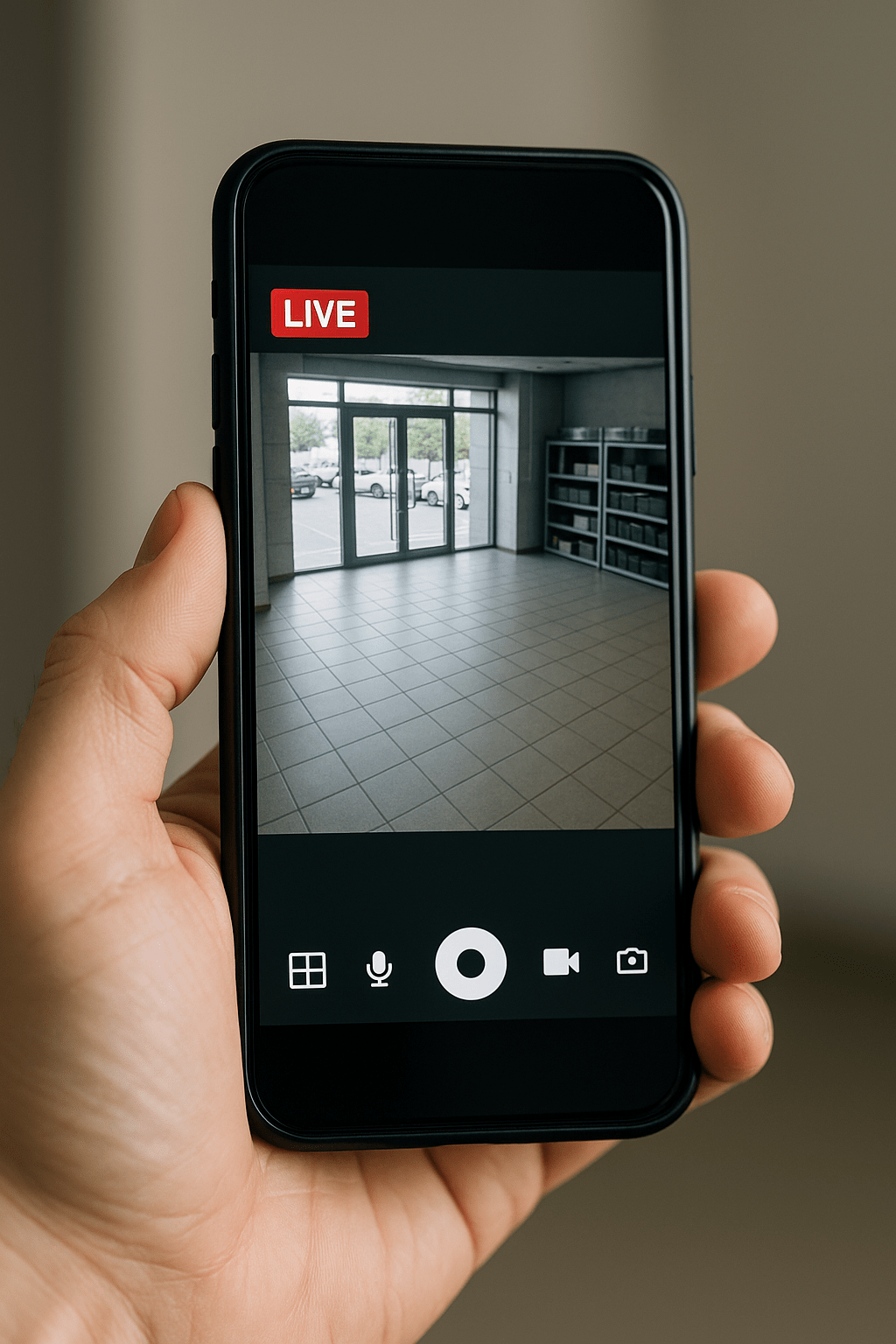
Mobile viewing apps are an essential component of modern commercial CCTV systems, offering convenient access to live video feeds and recordings from smartphones and tablets. This allows business owners and managers to monitor their premises remotely, regardless of their location. Features typically include pan-tilt-zoom (PTZ) control, playback of recorded video, and customizable alerts. These apps are especially valuable for multi-location businesses, enabling centralized monitoring of all sites from a single interface. For example, a retail manager can use a mobile app to check on employee performance, monitor customer traffic, and respond to any security incidents in real-time. However, it’s crucial to ensure that the mobile app is secure and encrypted to prevent unauthorized access to sensitive video data. Strong password protection and two-factor authentication are essential security measures. Regular updates to the app are also important to patch any vulnerabilities and maintain compatibility with the latest mobile operating systems. Mobile viewing apps provide unmatched flexibility and control over your CCTV system.
Alert Fatigue: How to Optimize Notifications and Filtering for Effective Monitoring
Alert fatigue is a common issue in commercial CCTV systems, where an overwhelming number of notifications can lead to important events being missed. To combat this, it’s vital to optimize alert settings and implement robust filtering mechanisms. Intelligent video analytics can be used to differentiate between routine events (e.g., a car passing by) and genuine security threats (e.g., a person entering a restricted area). Customizable zones and rules can be configured to trigger alerts only when specific events occur within designated areas. For instance, an alert can be set to trigger only if a person is detected loitering near a loading dock after hours. Prioritizing alerts based on severity and relevance helps focus attention on the most critical incidents. Regular reviews of alert settings are necessary to ensure that they remain effective and aligned with changing security needs. Integrating the system with other security devices, such as access control systems, can further refine alert triggers. An effective notification system focuses on quality over quantity, ensuring that security personnel are alerted only to events that require immediate attention. For businesses seeking to reduce operational blind spots, this is a critical consideration.
Compliance and Privacy Considerations for Commercial CCTV Systems
Understanding PIPEDA and Other Relevant Regulations in Canada
Commercial CCTV systems in Canada must comply with the Personal Information Protection and Electronic Documents Act (PIPEDA) and other relevant privacy regulations. PIPEDA governs the collection, use, and disclosure of personal information, including video recordings that capture identifiable individuals. Businesses must obtain consent before collecting personal information, unless it is for a legitimate business purpose and the individual would reasonably expect their information to be collected. Signage must be prominently displayed to inform individuals that they are being recorded. Data retention policies should be clearly defined, and video recordings should only be stored for as long as necessary. Access to video recordings should be restricted to authorized personnel only. Failure to comply with PIPEDA can result in significant fines and reputational damage. Provincial privacy laws may also apply, depending on the location of the business. For example, Alberta’s Personal Information Protection Act (PIPA) has similar requirements to PIPEDA but may include additional provisions. Consulting with a legal professional is recommended to ensure full compliance with all applicable privacy regulations.
Best Practices for Data Security and Privacy
Implementing robust data security measures is essential to protect the privacy of individuals captured by commercial CCTV systems. Strong passwords and multi-factor authentication should be used to secure access to video recordings. Encryption should be used to protect video data both in transit and at rest. Regular security audits and penetration testing can identify vulnerabilities in the system. Access control lists should be implemented to restrict access to video recordings to authorized personnel only. Security software and firmware should be kept up to date to patch any known vulnerabilities. Physical security measures, such as securing the server room, are also important. Data breach response plans should be developed and regularly tested to ensure a swift and effective response in the event of a security incident. Employee training on data security and privacy best practices is crucial to prevent accidental or intentional data breaches. Businesses should also consider using cloud-based CCTV solutions that offer built-in security features and compliance certifications.
Implementing a Clear CCTV Policy for Employees and Visitors
A clear and comprehensive CCTV policy is essential for transparency and compliance with privacy regulations. The policy should outline the purpose of the CCTV system, the areas being monitored, the data retention period, and the procedures for accessing and using video recordings. The policy should be readily available to employees and visitors. Employees should receive training on the CCTV policy and their responsibilities regarding data protection. The policy should also address the rights of individuals to access and correct their personal information. Procedures should be in place to handle requests for access to video recordings. The policy should be reviewed and updated regularly to reflect changes in privacy laws and best practices. The policy should also address the use of CCTV for employee monitoring, which may be subject to specific legal restrictions. For example, employees should be informed of the reasons for monitoring and the potential consequences of violating company policies. A well-defined CCTV policy demonstrates a commitment to privacy and helps to build trust with employees and visitors. If the CCTV system is undergoing a security system retrofit, ensure the updated system adheres to the updated policy.
Scalability and Future-Proofing Your Integrated Security System
Planning for Growth: Designing a System That Can Expand with Your Business
When designing a commercial CCTV system, it’s crucial to consider the potential for future growth and expansion. A scalable system can easily accommodate additional cameras, storage capacity, and users as your business evolves. This avoids the need for costly and disruptive system overhauls later on. Start by assessing your current security needs and projecting future requirements. Choose a system architecture that supports modular expansion, allowing you to add components as needed. Consider using network video recorders (NVRs) with sufficient capacity for future camera additions. IP-based CCTV systems offer greater scalability compared to traditional analog systems. Ensure that your network infrastructure can handle the increased bandwidth demands of a growing CCTV system. Proper planning and foresight can save you significant time and money in the long run. Choosing the correct system allows for scalable security for GTA businesses, regardless of size. Regularly review your security needs and update your system accordingly.
Cloud-Based CCTV Solutions: Exploring the Benefits of Cloud Storage and Analytics
Cloud-based CCTV solutions offer several advantages over traditional on-premise systems. Cloud storage eliminates the need for local servers and provides secure, offsite backup of video recordings. This protects your data from physical damage, theft, or natural disasters. Cloud-based systems also offer greater flexibility and scalability, allowing you to easily increase storage capacity as needed. Remote access to video recordings is available from any device with an internet connection. Advanced video analytics, such as facial recognition and motion detection, can be integrated into cloud-based systems. These analytics can provide valuable insights into customer behavior, employee performance, and security threats. Cloud-based solutions often include automatic software updates and security patches, reducing the burden on IT staff. However, it’s important to choose a reputable cloud provider with strong security measures and compliance certifications. Consider factors such as data sovereignty, bandwidth requirements, and subscription costs when evaluating cloud-based CCTV solutions. For businesses concerned about cost savings, cloud solutions provide a path toward affordable data storage.
Regular System Maintenance and Updates: Ensuring Optimal Performance and Security
Regular system maintenance and updates are essential for ensuring the optimal performance and security of your commercial CCTV system. Cameras should be cleaned and inspected regularly to ensure clear image quality. Cables and connectors should be checked for damage or wear. Software and firmware updates should be installed promptly to patch any vulnerabilities and improve system performance. Hard drives should be monitored for errors and replaced as needed. Network security settings should be reviewed and updated regularly to protect against cyber threats. Battery backups should be tested to ensure they are functioning properly. A preventative maintenance schedule should be established and followed diligently. Consider engaging a professional security integrator to provide ongoing maintenance and support. They can identify potential problems before they escalate and ensure that your system is always operating at peak performance. Proper maintenance extends the lifespan of your equipment and reduces the risk of costly downtime. It also ensures that your CCTV system is always ready to capture critical evidence in the event of a security incident.
Budgeting and ROI for Commercial CCTV Integration: Making a Sound Investment
Investing in a commercial CCTV system is a strategic decision that requires careful consideration of budget and potential return on investment (ROI). It’s more than just buying cameras; it’s about creating a robust security infrastructure that protects your assets, reduces liability, and improves operational efficiency. Understanding the various cost factors and how to calculate ROI is essential for making a sound investment. Remember that a cheap system can often be more expensive in the long run due to maintenance, downtime, and lack of essential features. Instead of looking for the cheapest option, focus on getting the greatest value.
Factors Affecting the Cost of an Integrated Security System
Several factors influence the overall cost of an integrated security system. The number and type of cameras are primary drivers, with costs varying based on resolution, features (like pan-tilt-zoom or infrared), and environmental ratings (weatherproof, vandal-resistant). Installation costs depend on the complexity of the site, including the need for structured cabling. Consider a security system upgrade for your existing infrastructure if it is insufficient. For example, a large warehouse requiring extensive cabling and numerous high-resolution cameras will naturally cost more than a small retail store. Network Video Recorders (NVRs) or cloud storage also contribute significantly. Cloud solutions provide scalability but involve recurring subscription fees. Advanced features like video analytics, remote monitoring, and integration with access control systems increase costs but offer enhanced security and operational benefits. Don’t forget to factor in the cost of ongoing maintenance and potential repairs.
Calculating the Return on Investment (ROI) of Improved Security
Calculating the ROI of a commercial CCTV system involves assessing both tangible and intangible benefits. Tangible benefits include reduced theft and vandalism, leading to lower insurance premiums and inventory losses. For instance, a warehouse experiencing frequent theft might see a significant reduction in losses after installing a comprehensive CCTV system. Reduced false alarm rates and improved security guard efficiency also contribute to cost savings. Intangible benefits, such as enhanced employee safety, improved customer confidence, and better operational insights, are harder to quantify but contribute significantly to the overall value. To calculate ROI, estimate the annual cost savings and revenue gains resulting from the system, subtract the total cost of the system, and divide the result by the total cost. For example, if a system costs $20,000 and generates $10,000 in annual savings, the ROI is ($10,000 – $20,000) / $20,000 = -0.50, or -50% in the first year. However, the ROI improves drastically as you continue to avoid losses year after year, emphasizing the long-term value of the system.
Financing Options and Tax Incentives for Security Upgrades
Several financing options can make security system upgrades more affordable. Leasing agreements allow businesses to spread the cost over time, preserving capital. Some vendors offer financing plans directly, while others work with third-party lenders. Government grants and tax incentives may be available for businesses investing in security measures, particularly in high-crime areas or specific industries. Consult with a financial advisor to determine the best financing strategy for your business. Take into account potential tax deductions for security-related expenses. In many jurisdictions, the cost of security systems can be depreciated over several years, providing tax relief. Also, investigate whether your insurance provider offers discounts for businesses with advanced security systems, such as those that offer remote video monitoring for efficiency.
Choosing the Right Security Partner in Mississauga, Brampton, and the GTA
Selecting the right security partner is crucial for a successful CCTV integration project. A reliable partner will provide expert guidance, quality installation, and ongoing support. Focus your search on companies with a proven track record, relevant experience, and a customer-centric approach. It’s better to partner with an expert in commercial CCTV Mississauga. This approach helps ensure that the selected partner understands the unique needs of businesses in the Greater Toronto Area (GTA). Don’t underestimate the value of a thorough vetting process, including checking references and reviewing past projects.
Key Qualifications to Look for in a Commercial CCTV Installer
When evaluating potential installers, prioritize companies with relevant certifications and licenses, demonstrating their expertise and compliance with industry standards. Look for experience with similar projects in your industry. A partner who has successfully installed warehouse security cameras or dealership surveillance systems will be better equipped to understand your specific requirements. Check their reputation by reading online reviews and seeking referrals from other businesses. A reputable installer should be transparent about their pricing, installation process, and service agreements. Ensure they offer a comprehensive warranty on their products and workmanship. Consider the installer’s ability to provide ongoing maintenance and technical support, as this is crucial for the long-term performance of your system.
Importance of Local Support and Expertise in the GTA
Choosing a local security provider in the GTA offers several advantages. Local companies are more familiar with the specific security challenges and regulations in Mississauga, Brampton, and surrounding areas. They can provide faster response times for service calls and emergencies. Opting for a company specializing in scalable security for GTA businesses ensures that the system design accounts for regional nuances. A local partner can also offer personalized service and build a long-term relationship with your business. They’ll be more invested in your success and more likely to provide tailored solutions to meet your evolving needs. Ensure the company offers structured cabling for business security camera systems in order to provide professional installations.
Requesting a Site Survey and Security Assessment
Before committing to a CCTV system, request a comprehensive site survey and security assessment. This assessment should identify vulnerabilities, assess your specific security needs, and recommend tailored solutions. The installer should evaluate factors such as building layout, lighting conditions, and potential entry points. They should also discuss your security goals and budgetary constraints. A thorough assessment will provide a clear understanding of the scope of work and the required equipment. It will also help to avoid costly surprises during the installation process. The security assessment should be provided free of charge to enable you to compare bids and installers with accurate comparisons.
Warehouse Security Cameras: Unique Integration Considerations
Warehouses present unique security challenges due to their large size, high inventory value, and often limited lighting. Effective warehouse security requires a strategic combination of camera placement, advanced features, and robust integration with other security systems. Consider both indoor and outdoor surveillance, focusing on loading docks, storage areas, and perimeter fencing. Optimize the design to minimize operational blindspots and ensure comprehensive coverage. A well-designed system not only deters theft but also provides valuable operational insights.
Wide-Angle Lens Selection for Comprehensive Coverage
Wide-angle lenses are essential for maximizing coverage in large warehouse spaces. These lenses allow you to monitor a broader area with fewer cameras, reducing installation costs and simplifying management. However, wide-angle lenses can also introduce distortion and reduce image detail, so it’s important to choose lenses with high-quality optics and appropriate focal lengths. Consider using varifocal lenses, which allow you to adjust the field of view as needed. Position cameras strategically to eliminate blind spots and ensure complete coverage of critical areas, such as entrances, exits, and high-value storage zones. Aim to reduce operational blind spots by planning camera locations carefully during the design stage.
Integrating License Plate Recognition (LPR) for Truck Traffic Management
License Plate Recognition (LPR) technology can significantly enhance security and streamline operations in warehouses with frequent truck traffic. LPR cameras automatically capture and record license plate numbers, allowing you to track vehicles entering and exiting the premises. This data can be integrated with access control systems to automate gate access and monitor truck movements. LPR can also help prevent unauthorized access and detect suspicious activity. For example, if a truck enters the property outside of scheduled delivery times, the system can trigger an alert. Ensure the LPR system is compatible with the types of license plates used by the trucks visiting your warehouse.
Optimizing CCTV for Low-Light Environments in Warehouse Settings
Many warehouses suffer from poor lighting, especially at night or in interior storage areas. Standard CCTV cameras may struggle to capture clear images in these conditions. To address this, use cameras with infrared (IR) illuminators or starlight technology, which can produce clear images in near-total darkness. Ensure that the IR range is sufficient for the area being monitored. Consider supplementing CCTV with motion-activated lighting to deter intruders and improve image quality. Also, ensure that your NVR or cloud storage solution can handle the increased storage requirements of high-resolution video captured in low-light conditions.
Dealership Security Cameras: Integrating with Inventory Management Systems
Car dealerships face unique security challenges, including vehicle theft, vandalism, and customer safety concerns. Integrating dealership security cameras with inventory management systems provides a comprehensive approach to protecting assets and improving operational efficiency. This integration allows you to track vehicle movements, monitor customer interactions, and deter criminal activity. The integration contributes to a safer environment for employees and customers. Dealerships also require security to protect against false liability claims.
Preventing Vehicle Theft and Vandalism on Dealership Lots
Vehicle theft and vandalism are significant concerns for dealerships. Deploying a network of strategically placed CCTV cameras can deter criminals and provide valuable evidence in the event of an incident. Focus on high-risk areas, such as perimeter fencing, vehicle display areas, and service bays. Use cameras with high-resolution lenses and night vision capabilities to capture clear images in all lighting conditions. Consider adding alarm systems and motion detectors to provide an extra layer of security. In addition, consider using a commercial CCTV system to reduce liability by monitoring safety issues on the dealership lot.
Integrating CCTV with Lot Lighting for Improved Visibility
Proper lighting is crucial for effective CCTV surveillance, especially at night. Integrate your CCTV system with the lot lighting to ensure adequate visibility in all areas. Use motion-activated lights to deter intruders and improve image quality. Consider using smart lighting systems that can be controlled remotely and adjusted based on specific needs. For example, you can increase the brightness of lights in a specific area if suspicious activity is detected. Ensure that the lighting does not create glare or shadows that could impair camera performance. The goal is to use an integrated approach between security and energy efficiency.
Using Video Analytics for Enhanced Customer Service and Staff Training
Video analytics can be used to improve customer service and staff training at dealerships. By analyzing customer traffic patterns and interactions, you can identify areas for improvement in customer service. For example, you can use heatmaps to identify areas where customers tend to congregate and adjust staffing levels accordingly. You can also use video analytics to monitor employee performance and identify areas where additional training is needed. This can help to improve customer satisfaction and increase sales. Video analytics can also be used to detect and prevent fraud by monitoring transactions and identifying suspicious behavior.
By carefully considering budget, choosing the right security partner, and integrating your CCTV system with other security and operational systems, businesses can create a robust and effective security solution. Investing in commercial CCTV provides long-term value by protecting assets, reducing liability, and improving operational efficiency.