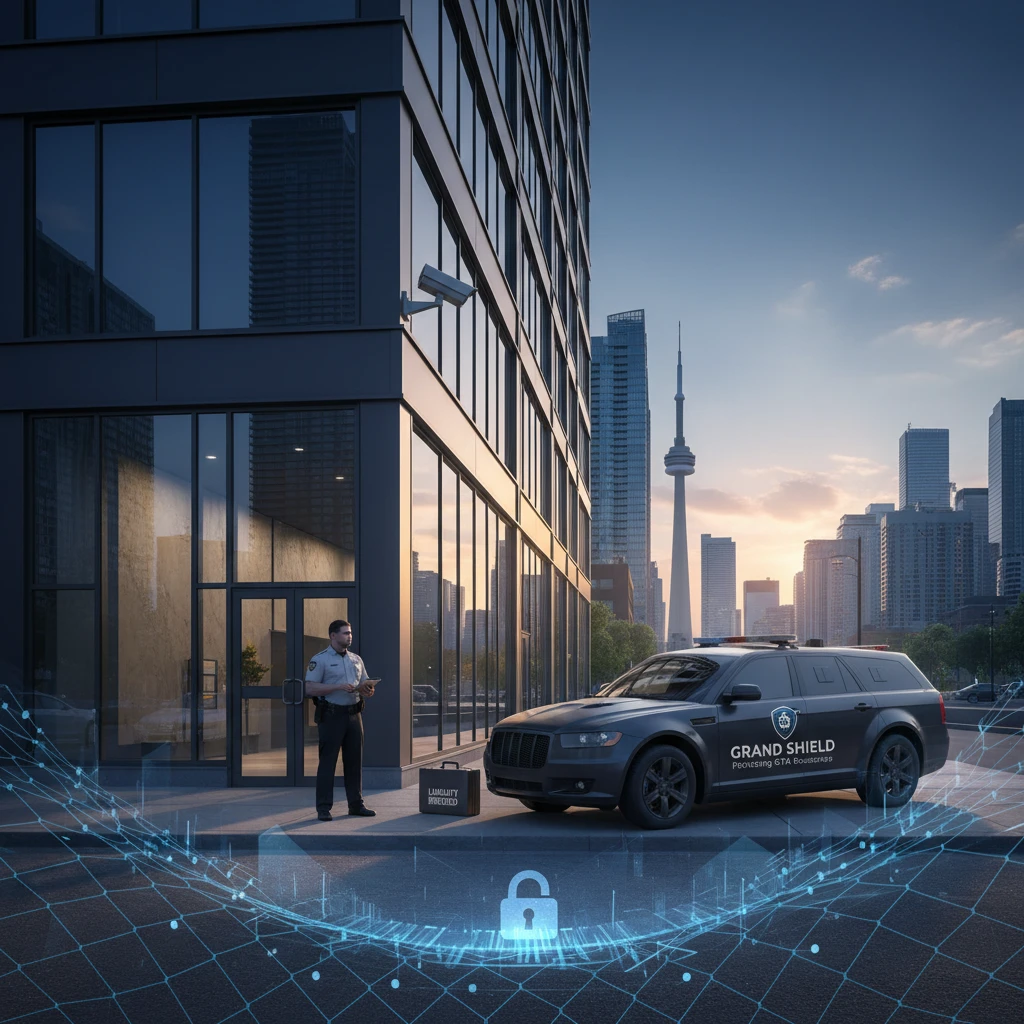
In today’s litigious environment, businesses in the Greater Toronto Area (GTA) face increasing pressure to proactively manage potential liabilities. Implementing a robust commercial security system, particularly one featuring CCTV surveillance, is no longer just about loss prevention – it’s a critical investment in protecting your company from costly legal battles and reputational damage. A well-designed security system acts as a liability shield, mitigating risks and demonstrating a commitment to safety and security to employees, customers, and the community.
This guide delves into how strategic security measures, especially commercial CCTV systems, can help GTA businesses like yours minimize liability and create a safer, more secure environment. We’ll explore common risks, proactive security strategies, and essential features to consider when selecting a commercial CCTV system.
Protecting Your Bottom Line: Why Security is a Liability Shield for GTA Businesses
The Rising Cost of Liability: Beyond Monetary Losses
The cost of liability for GTA businesses extends far beyond immediate monetary losses. While settlements, legal fees, and insurance premiums can be significant, the indirect consequences can be even more damaging. These include reputational harm, loss of customer trust, decreased employee morale, and difficulty attracting and retaining talent. A single lawsuit or incident can trigger a cascade of negative effects, impacting your bottom line for years to come. Investing in commercial security is a proactive step to safeguard your company against these multifaceted risks.
Understanding the Legal Landscape: Obligations and Due Diligence
Businesses in the GTA have a legal obligation to provide a safe and secure environment for employees, customers, and visitors. This includes taking reasonable steps to prevent foreseeable harm, such as theft, vandalism, accidents, and injuries. Demonstrating due diligence is crucial in the event of a liability claim. This means having documented security policies, implementing appropriate security measures, and regularly assessing and updating your security protocols. Failure to meet these obligations can result in negligence claims and significant financial penalties.
How Proactive Security Measures Can Significantly Reduce Risk
Proactive security measures, such as a professionally installed commercial CCTV system, can significantly reduce your risk of liability. By deterring criminal activity, documenting incidents, and providing evidence for investigations, security systems offer a tangible defense against potential claims. Furthermore, they enhance operational oversight and employee accountability, creating a safer and more secure work environment. Consider upgrading obsolete systems to stay ahead of evolving threats; learn more about how to upgrade your obsolete security system for enhanced protection.
Common Liability Risks Facing GTA Businesses: A Security Perspective
Theft and Vandalism: Protecting Assets and Preventing Business Disruption
Theft and vandalism are persistent threats to GTA businesses. Beyond the direct financial losses of stolen goods or damaged property, these incidents can disrupt business operations, erode customer confidence, and increase insurance premiums. Commercial CCTV systems play a vital role in deterring theft and vandalism by creating a visible deterrent and providing crucial evidence for law enforcement investigations. Security cameras placed strategically throughout your property can help to reduce shrinkage, protect valuable assets and minimize disruptions.
Workplace Accidents and Injuries: Demonstrating Due Care and Safety
Workplace accidents and injuries can result in significant liability claims, including workers’ compensation and personal injury lawsuits. Implementing comprehensive safety protocols and documenting compliance is essential for demonstrating due care. Commercial CCTV systems can be used to monitor work areas, identify potential hazards, and document incidents, providing valuable evidence in the event of an accident. Furthermore, video surveillance can help identify areas where safety procedures can be improved, preventing future accidents and creating a safer work environment.
Premises Liability: Ensuring a Safe Environment for Customers and Employees
Premises liability refers to a business owner’s responsibility to maintain a safe environment for customers and employees. This includes addressing potential hazards such as slippery floors, inadequate lighting, and unsafe conditions. Commercial CCTV systems can help to monitor these areas, identify potential hazards, and document any incidents that occur. By proactively addressing safety concerns and providing clear evidence of your efforts, you can mitigate the risk of premises liability claims.
CCTV Surveillance: A Powerful Tool for Liability Mitigation
Documenting Incidents and Providing Evidence for Investigations
One of the primary benefits of CCTV surveillance is its ability to document incidents and provide irrefutable evidence for investigations. Whether it’s a theft, vandalism, accident, or customer dispute, video footage can provide a clear and objective record of what occurred. This evidence can be invaluable in resolving disputes, defending against liability claims, and assisting law enforcement in their investigations. Ensure your system can easily export and archive footage for long-term storage and retrieval.
Deterring Criminal Activity and Preventing Future Losses
The presence of visible CCTV cameras acts as a powerful deterrent to criminal activity. Potential thieves and vandals are less likely to target a business that is known to have surveillance systems in place. By proactively deterring criminal activity, you can prevent future losses and reduce the risk of liability claims. Combine visible cameras with covert surveillance to maximize deterrence. Consider a scalable system design to expand your coverage as your business grows.
Enhancing Operational Oversight and Employee Accountability
Beyond deterring crime, CCTV surveillance can also enhance operational oversight and employee accountability. By monitoring employee performance, identifying inefficiencies, and ensuring compliance with company policies, you can improve overall business operations and reduce the risk of internal theft or misconduct. This added layer of oversight can also help to prevent workplace accidents and injuries by ensuring that employees are following safety procedures. For businesses with multiple locations, remote video monitoring can further enhance oversight; read more about the benefits of remote monitoring for your business.
Key Features to Look For in a Commercial CCTV System for Liability Reduction
High-Resolution Cameras: Capturing Clear and Detailed Footage
When selecting a commercial CCTV system for liability reduction, high-resolution cameras are essential. High-resolution cameras capture clear and detailed footage, making it easier to identify individuals, objects, and events. This is crucial for documenting incidents, providing evidence for investigations, and defending against liability claims. Opt for cameras with at least 1080p resolution, and consider 4K cameras for critical areas where maximum detail is required. Remember to also factor in the storage needs for high-resolution footage.
Wide Dynamic Range (WDR): Ensuring Optimal Visibility in Varied Lighting Conditions
Wide Dynamic Range (WDR) is a critical feature for commercial CCTV systems, particularly in areas with varied lighting conditions. WDR technology allows cameras to capture clear images in both bright and dark areas of the scene, ensuring that important details are not lost due to overexposure or underexposure. This is particularly important in areas with large windows, loading docks, or outdoor areas where lighting conditions can change rapidly. WDR ensures that you capture usable footage regardless of the lighting environment.
Remote Access and Mobile Viewing: Monitoring Your Business from Anywhere
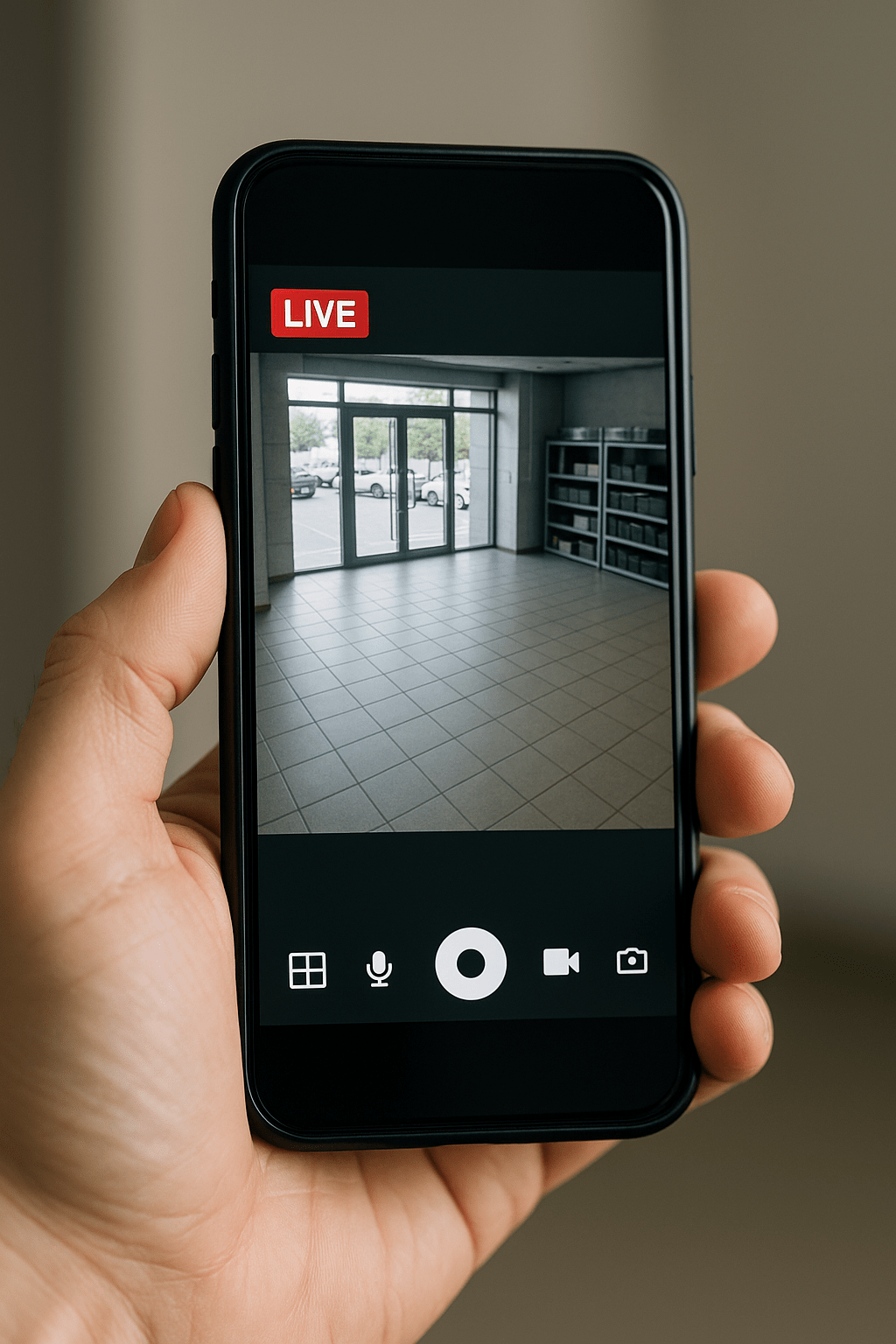
Remote access and mobile viewing capabilities are essential for modern commercial CCTV systems. These features allow you to monitor your business from anywhere, at any time, using a smartphone, tablet, or computer. This provides increased peace of mind and allows you to respond quickly to potential security threats or incidents. Remote access also allows you to easily share footage with law enforcement or insurance adjusters, streamlining the investigation process. Cloud-based systems often offer intuitive interfaces for remote viewing and management. Consider the benefits of PoE wiring for your CCTV system to ensure reliable network connectivity.
Strategic Camera Placement: Optimizing Coverage for Maximum Liability Protection
Effective camera placement is critical for maximizing the protective capabilities of your commercial CCTV system and mitigating liability. A well-thought-out strategy should consider both high-traffic areas and vulnerable points, leaving no room for blind spots. Failing to strategically position cameras can lead to significant gaps in coverage, potentially leaving your business exposed to theft, vandalism, or liability claims. Prioritizing the right locations based on risk assessment is paramount to a successful surveillance implementation.
High-Traffic Areas: Entrances, Exits, and Cash Registers
High-traffic areas such as entrances, exits, and cash registers require vigilant surveillance. Entrances and exits are prime locations for identifying individuals entering and leaving the premises, providing valuable footage in case of a security breach or incident. Cash registers, being the point of financial transactions, are susceptible to theft and fraud. Cameras strategically positioned in these areas can deter criminal activity and provide crucial evidence if incidents occur. Consider cameras with high resolution and wide dynamic range (WDR) to capture clear images even in challenging lighting conditions. Remember to also consider viewing angles. Proper documentation of camera placement and coverage is essential for demonstrating due diligence in protecting your business. An upgrade to your commercial CCTV system could be the difference between profit and loss.
Vulnerable Points: Loading Docks, Storage Areas, and Parking Lots
Beyond high-traffic zones, identifying and monitoring vulnerable points is crucial. Loading docks, often less supervised, can be targeted for theft or unauthorized access. Storage areas, especially those containing valuable inventory, also pose a risk. Parking lots, particularly at night, can be vulnerable to vandalism and theft. Implementing adequate lighting in conjunction with camera surveillance in these areas is vital for enhancing security and deterring criminal activity. Consider using cameras with infrared (IR) capabilities for clear visibility in low-light conditions. Regularly review footage from these areas to identify potential security weaknesses and address them proactively. For example, a warehouse may require increased lighting to improve footage quality, or a parking lot may need additional cameras to eliminate dark spots.
Blind Spots: Consulting with a Security Expert for Comprehensive Coverage
Even with careful planning, blind spots can still exist. These undetected areas can inadvertently provide opportunities for criminal activity. Consulting with a security expert is essential for conducting a thorough site assessment and identifying potential blind spots. An expert can analyze the layout of your property, assess potential risks, and recommend optimal camera placement to achieve comprehensive coverage. They can also help you choose the right types of cameras for specific areas, ensuring clear and effective surveillance. Neglecting to address blind spots can significantly undermine your security efforts and increase your liability exposure. A professional security assessment will provide peace of mind that all angles are covered, and it is a worthwhile investment to ensure no aspect is overlooked.
Beyond Cameras: Integrating Security Systems for Enhanced Protection
While CCTV cameras are a cornerstone of commercial security, integrating them with other security systems can provide enhanced protection and mitigate liability. This layered approach ensures that your business is protected from multiple angles, creating a more robust and resilient security posture. Integration can range from simple alarm systems to complex access control and video analytics solutions.
Access Control Systems: Limiting Unauthorized Entry and Protecting Sensitive Areas
Access control systems are crucial for limiting unauthorized entry to your premises and protecting sensitive areas. These systems can range from simple keycard access to advanced biometric scanners. By controlling who has access to specific areas, you can significantly reduce the risk of internal theft, data breaches, and other security incidents. Integrating access control with your CCTV system allows you to monitor entry and exit points, providing a comprehensive view of who is on your property at any given time. For example, linking an access control system with your surveillance allows you to flag any attempt to gain entry after hours by non-authorized users, immediately alerting the authorities if needed. Consider implementing multi-factor authentication for high-security areas to further enhance protection.
Alarm Systems: Providing Immediate Notification of Security Breaches
Alarm systems provide immediate notification of security breaches, enabling you to respond quickly to potential threats. When integrated with a CCTV system, alarms can trigger cameras to record footage of the affected area, providing valuable evidence for investigations. Consider implementing different types of alarms for different types of threats, such as intrusion detection, fire alarms, and panic buttons. Monitored alarm systems provide an additional layer of protection by notifying a central monitoring station of any security breaches, enabling them to dispatch emergency services if necessary. This integration offers a coordinated response, ensuring that both security personnel and emergency responders are promptly alerted to any potential security incident. You can also consider remote monitoring and mobile viewing to enhance responsiveness.
Video Analytics: Proactive Detection of Suspicious Activity
Video analytics takes your security system to the next level by proactively detecting suspicious activity. These systems use sophisticated algorithms to analyze video footage in real-time, identifying potential threats such as loitering, unusual movements, or abandoned objects. Integrating video analytics with your CCTV system enables you to respond quickly to potential security incidents before they escalate. For example, a video analytics system could detect someone loitering near a loading dock after hours and automatically alert security personnel. Some systems can also recognize license plates, providing an extra layer of control. Leveraging these analytics ensures quicker response times and enhanced preventative action. This integration can also help improve operational efficiency.
The Importance of Professional Installation and Maintenance for Reliable Security
A high-quality security system is only as good as its installation and maintenance. Professional installation ensures that your system is properly configured and optimized for your specific needs. Regular maintenance is crucial for ensuring that your system continues to function properly and provide reliable protection. Neglecting these aspects can lead to system failures, gaps in coverage, and increased vulnerability to security threats.
Ensuring Proper Functionality and Optimal Performance
Professional installation guarantees that your security system is set up correctly from the start. This includes proper camera placement, wiring, and configuration. Experienced technicians can ensure that your system is integrated seamlessly with other security measures, such as access control and alarm systems. Proper installation also ensures that your system is optimized for your specific environment, taking into account factors such as lighting conditions, traffic patterns, and potential blind spots. Neglecting professional installation can lead to poor image quality, unreliable performance, and increased vulnerability to security breaches. Consider that proper PoE wiring is essential to ensure system stability.
Minimizing Downtime and Preventing System Failures
Regular maintenance is essential for minimizing downtime and preventing system failures. This includes routine inspections, software updates, and hardware repairs. A preventative maintenance program can identify potential problems before they escalate, ensuring that your system is always functioning optimally. Regular maintenance also helps to extend the lifespan of your equipment, reducing the need for costly replacements. Neglecting maintenance can lead to system outages, gaps in coverage, and increased vulnerability to security threats. For example, businesses may consider scalable security system maintenance to ensure ongoing peak performance. Routine maintenance reduces potential security vulnerabilities.
Adhering to Industry Standards and Best Practices
Professional installation and maintenance services adhere to industry standards and best practices. This ensures that your system is installed and maintained in accordance with the highest quality standards. Certified technicians have the knowledge and expertise to properly install and maintain complex security systems, minimizing the risk of errors or omissions. Adhering to industry standards also ensures that your system is compliant with relevant regulations and legal requirements. This can be particularly important for businesses in highly regulated industries. Failing to adhere to industry standards can expose your business to liability and reputational damage. You should seek security companies who are up-to-date on relevant regulations and compliance requirements.
Choosing the Right Security Partner: Factors to Consider for GTA Businesses
Selecting the right security partner is a critical decision for GTA businesses. A reliable security partner can provide expert guidance, professional installation, and ongoing support to ensure that your security system meets your specific needs and provides reliable protection. Consider the following factors when evaluating potential security partners.
Experience and Expertise in Commercial Security Systems
Look for a security partner with extensive experience and expertise in commercial security systems. A company with a proven track record of success is more likely to provide reliable and effective solutions. Consider the types of businesses they have worked with in the past and the types of security systems they have installed. Ask for references and case studies to get a better understanding of their capabilities. A company that specializes in commercial security is more likely to understand the unique challenges and requirements of your business. Do your research to determine their capabilities in your industry. For instance, warehouse security camera installation requires different skill sets than installing cameras at a car dealership.
Reputation and Customer Testimonials
A company’s reputation and customer testimonials can provide valuable insights into their quality of service and customer satisfaction. Check online reviews and ratings to get a sense of what other customers have to say about their experience. Ask for customer references and contact them to get firsthand feedback. A company with a strong reputation and positive customer testimonials is more likely to provide reliable and responsive service. Consider reading testimonials or case studies that showcase the security company’s ability to address specific security challenges, such as reducing shrinkage in retail settings.
Comprehensive Service Offerings (Installation, Maintenance, and Support)
Choose a security partner that offers comprehensive service offerings, including installation, maintenance, and support. This ensures that you have a single point of contact for all your security needs. A company that provides ongoing support is more likely to be responsive to your needs and provide timely assistance when you need it. Look for a company that offers a variety of service plans to meet your specific budget and requirements. A comprehensive service agreement can provide peace of mind knowing that your security system is always in good hands. For multi-location businesses, consider a security partner with experience in designing and managing security systems across multiple sites. It is advantageous to ensure the system adheres to the business’s security requirements and standards.
Warehouse Security Cameras: Specific Liability Concerns & Solutions
Warehouses, due to their large size and the volume of goods handled, present unique security challenges and potential liability issues. Effective warehouse security camera systems are crucial for mitigating these risks. A comprehensive system should address areas prone to incidents, such as receiving docks, storage areas, and shipping zones. Neglecting these vulnerabilities can lead to increased risks of theft, workplace accidents, and subsequent liability claims. Selecting the right business security cameras is the first step in building a strong security posture.
Preventing Inventory Shrinkage and Internal Theft
Inventory shrinkage is a significant problem for warehouses. Security cameras act as a deterrent to both internal and external theft. Strategically placed cameras, especially in areas where inventory is processed and stored, can significantly reduce these losses. Consider using cameras with features like motion detection and night vision to capture detailed footage, even in low-light conditions. Regularly review footage to identify suspicious behavior and address any security breaches promptly. The ROI of warehouse security cameras can be substantial when considering the potential losses from shrinkage; you can learn more in these business security cameras ROI case studies. Addressing potential blind spots is a crucial step in preventing inventory loss.
Monitoring Forklift Operations and Ensuring Workplace Safety
Forklift accidents are a major source of liability in warehouses. Security cameras can be used to monitor forklift operations, identify unsafe practices, and provide evidence in the event of an accident. Implement cameras with wide-angle lenses to capture the entire area where forklifts operate. Ensure that the cameras are positioned to provide clear views of forklift operators and pedestrians. Regular review of the footage can help identify areas where safety protocols are not being followed. For instance, a camera might reveal that a forklift operator consistently exceeds the speed limit or fails to use a horn at intersections. This allows management to intervene with training and corrective actions. Furthermore, the presence of cameras can encourage safer behavior among employees, reducing the likelihood of accidents. Such monitoring helps in creating a safer work environment, thus reducing liability exposure.
Securing Loading Docks and Preventing Unauthorized Access
Loading docks are particularly vulnerable to unauthorized access and theft. Implement a multi-layered security approach that includes security cameras, access control systems, and physical barriers. Install cameras with license plate recognition (LPR) capabilities to track vehicles entering and exiting the loading dock area. This feature can be invaluable in identifying suspicious vehicles and preventing unauthorized access. Ensure that loading docks are well-lit and that cameras are positioned to provide clear views of individuals and vehicles. Integrate the camera system with an access control system to restrict entry to authorized personnel only. Any anomalies, such as vehicles lingering for extended periods or individuals attempting to bypass security protocols, should be investigated immediately. This proactive approach significantly reduces the risk of theft and unauthorized access, thus mitigating potential liability.
Document Everything: Using Security Footage to Support Liability Claims
Security footage can be invaluable in supporting liability claims. However, to be effective, it’s crucial to establish clear procedures for managing and storing footage. This includes maintaining a detailed log of all security incidents, ensuring the integrity of the footage, and complying with all relevant privacy regulations. In situations where an incident occurs, swift access to clear, unedited footage can provide crucial context and evidence. Clear documentation of incidents, coupled with well-maintained security footage, presents a strong defense against unwarranted or exaggerated liability claims.
Establish Clear Chain of Custody Procedures
Maintaining a clear chain of custody is essential for ensuring the admissibility of security footage in legal proceedings. Document every step of the process, from the initial recording of the footage to its storage and eventual retrieval. Identify who has access to the footage, when they accessed it, and what actions they took. Use a secure storage system that prevents unauthorized access and tampering. Implement a system for verifying the integrity of the footage to ensure that it has not been altered in any way. For example, using digital watermarks can help demonstrate that the footage is authentic and unaltered. This meticulous approach strengthens the credibility of the evidence and increases its value in liability cases.
Ensure Compliance with Privacy Regulations
When deploying security cameras, ensure compliance with all applicable privacy regulations. In the GTA, this involves adhering to both federal and provincial laws regarding the collection, use, and disclosure of personal information. Obtain informed consent from employees and customers before installing cameras in areas where they are likely to be recorded. Post clear signage indicating that the premises are under video surveillance. Limit the retention period of footage to what is reasonably necessary for security purposes. Implement measures to protect the privacy of individuals, such as blurring out faces in areas where privacy is a concern. Regularly review your security policies to ensure that they are up-to-date with the latest privacy regulations. Failure to comply with these regulations can result in significant fines and reputational damage. Partnering with a professional security provider can help navigate these complex requirements.
Maintain a Secure and Organized Archive of Security Footage
A well-organized archive of security footage is essential for easy retrieval and analysis. Implement a system for labeling and categorizing footage based on date, time, location, and event type. Store footage in a secure location that is protected from unauthorized access and environmental damage. Use a reliable storage system that can handle the volume of footage generated by your security cameras. Consider using a cloud-based storage solution for added security and accessibility. Regularly back up your footage to prevent data loss. Establish a retention policy that specifies how long footage will be stored before being deleted. Having a secure and organized archive of security footage ensures that you can quickly and easily access the information you need when it’s time to address shrinkage concerns or support a claim.
Investing in Security: A Cost-Effective Strategy for Long-Term Liability Reduction
While security systems represent an upfront investment, the long-term benefits of reducing liability and protecting your business far outweigh the costs. A comprehensive security strategy can help prevent accidents, deter crime, and provide valuable evidence in the event of a legal dispute. By proactively addressing potential security risks, businesses can minimize their exposure to costly lawsuits and reputational damage. A properly designed and maintained system, therefore, is a cost-effective strategy for long-term financial stability.
The ROI of Proactive Security Measures
The return on investment (ROI) of proactive security measures can be significant. Consider the potential costs associated with a workplace accident, a theft incident, or a lawsuit. These costs can include medical expenses, lost productivity, legal fees, and reputational damage. By investing in security cameras, access control systems, and other security measures, businesses can significantly reduce the likelihood of these incidents occurring. For example, a security camera system can deter theft, prevent accidents, and provide evidence in the event of a dispute. Access control systems can prevent unauthorized access and protect sensitive areas. While calculating the exact ROI can be complex, it’s clear that the potential savings from preventing a single major incident can easily justify the investment in security. A detailed security camera system maintenance plan is also crucial for long-term ROI.
Budgeting for Security: Balancing Cost and Coverage
When budgeting for security, it’s important to strike a balance between cost and coverage. Conduct a thorough risk assessment to identify the areas where security is most needed. Prioritize these areas when allocating your security budget. Consider using a phased approach, starting with the most critical areas and gradually expanding your security coverage over time. Evaluate different security solutions to find the ones that best meet your needs and budget. For example, consider a system with Power over Ethernet (PoE) wiring, which makes installation easier and more cost-effective, as discussed on this page about Commercial CCTV: PoE Wiring for Reliable Security. Don’t be afraid to negotiate with security providers to get the best possible price. Remember that security is an ongoing investment, so factor in ongoing maintenance and upgrades into your budget.
Protecting Your Business, Employees, and Reputation
Investing in security is not just about protecting your assets; it’s also about protecting your employees and your reputation. A safe and secure workplace can improve employee morale and productivity. It can also help attract and retain top talent. A strong security posture can also enhance your reputation with customers and partners. By demonstrating a commitment to security, you can build trust and confidence in your business. A single security breach can damage your reputation and erode customer trust. Investing in security is therefore an investment in the long-term success of your business.
Taking the Next Step: Assessing Your Current Security Posture and Identifying Vulnerabilities
The first step in mitigating liability is to assess your current security posture and identify any vulnerabilities. This involves conducting a thorough security audit, reviewing your security policies, and consulting with security professionals. By understanding your current security strengths and weaknesses, you can develop a targeted security strategy that addresses your specific needs. This proactive approach can help you prevent incidents before they occur and minimize your exposure to liability.
Conducting a Security Audit: Identifying Weaknesses and Developing a Plan
A security audit is a comprehensive assessment of your security posture. It involves examining your physical security, your electronic security, and your security policies. The audit should identify any weaknesses in your security and recommend steps to address them. For example, the audit might reveal that your security cameras are outdated or that your access control system is not properly configured. The audit should also assess your security policies and procedures to ensure that they are effective and up-to-date. Based on the findings of the audit, you can develop a detailed security plan that outlines the steps you will take to improve your security posture. This plan should include specific goals, timelines, and budgets. A professional security assessment provides an objective view of your vulnerabilities.
Consulting with AYS Security: Tailored Security Solutions for GTA Businesses
Consulting with AYS Security can provide you with access to expert advice and tailored security solutions. AYS Security has extensive experience in designing, installing, and maintaining commercial security systems for businesses in the GTA. They can assess your current security posture, identify vulnerabilities, and recommend solutions that meet your specific needs and budget. AYS Security can also provide ongoing support and maintenance to ensure that your security system remains effective over time. Their expertise can help you navigate the complex landscape of security technologies and regulations. A consultation with AYS Security can provide you with the peace of mind that comes from knowing that your business is protected by a robust and reliable security system.
Implementing a Proactive Security Strategy for a Safer and More Secure Future
Implementing a proactive security strategy is essential for creating a safer and more secure future for your business, employees, and customers. By taking steps to assess your security posture, identify vulnerabilities, and implement effective security measures, you can minimize your exposure to liability and protect your business from harm. Remember that security is an ongoing process, so it’s important to regularly review and update your security policies and procedures. By staying vigilant and proactive, you can create a security culture that protects your business for years to come. Securing a system that is scalable is also vital, so consider reading about Commercial CCTV: Scalable Security for GTA Businesses.
By implementing these strategies, businesses in the GTA can significantly mitigate their liability and create a safer and more secure environment for everyone. Investing in robust security measures is not merely an expense but a strategic decision that safeguards assets, protects employees, and enhances long-term business value.