Ignoring the need to update your security infrastructure can have far-reaching consequences. From compromised evidence quality to system vulnerabilities, an outdated CCTV setup can leave your business exposed. Thankfully, modern solutions offer enhanced capabilities that can be integrated seamlessly, providing a robust and reliable defense mechanism for your valuable assets and personnel.
Is Your Business Security Outdated? Why 2026 is the Year for a CCTV System Upgrade
The business environment of 2026 demands a proactive approach to security. Rapid technological advancements, coupled with increasingly sophisticated criminal tactics, mean that yesterday’s security solutions are often insufficient for today’s challenges. For businesses across the Greater Toronto Area, including those in Mississauga, Brampton, and Oakville, recognizing the signs of an aging CCTV system and understanding the compelling reasons for an upgrade is crucial for maintaining a secure and productive operation. A modern CCTV system is not merely a tool for recording; it’s an integral part of a comprehensive business security strategy.
The Evolving Threat Landscape for GTA Businesses
The nature of threats facing commercial enterprises in the Greater Toronto Area continues to evolve, making robust surveillance systems more critical than ever. Organized retail crime, sophisticated cyber-attacks targeting security networks, and increased risks of internal theft necessitate advanced monitoring capabilities. Businesses in sectors like retail, warehousing, and manufacturing are prime targets for various forms of malfeasance. Understanding these dynamic threats allows for the strategic deployment of upgraded CCTV systems that can not only deter criminals but also provide invaluable evidence for investigations, thereby supporting efforts to mitigate liability for GTA businesses. The ability to remotely monitor operations and receive real-time alerts is also a key component in adapting to these new security challenges.
Identifying the Warning Signs of an Aging CCTV System
Several indicators suggest that your current CCTV system may be falling behind. Poor image quality, characterized by low resolution, excessive grain, or blurry footage, is a primary concern. If your cameras struggle to capture clear details, especially in challenging lighting conditions or at a distance, their investigative value is severely diminished. Other signs include limited recording capabilities, such as insufficient storage capacity or a lack of continuous recording options, frequent system glitches or downtime, and an inability to integrate with newer security technologies like access control or alarm systems. Furthermore, systems lacking remote access or mobile viewing capabilities are often considered outdated in the current operational climate. An aging system might also use older coaxial cabling, limiting bandwidth and upgrade potential.
The Hidden Costs of Inadequate Surveillance
The expense of an outdated CCTV system extends far beyond the initial purchase price. The most significant hidden cost is the potential loss due to theft and shrinkage, both internal and external. When surveillance is insufficient, it creates opportunities for pilferage and unauthorized access, leading to substantial financial drain. Beyond direct financial losses, inadequate surveillance can lead to increased insurance premiums due to higher perceived risk. Moreover, legal and liability issues can arise if an incident occurs and the recorded evidence is too poor to be useful, potentially impacting a business’s ability to defend itself in legal disputes or insurance claims. The time and resources spent dealing with the aftermath of security breaches that could have been prevented or better documented also represent a significant, often overlooked, operational cost.
The Case for CCTV Retrofitting: Smart Investment, Not Just an Expense
Upgrading your existing CCTV system through retrofitting is a strategic decision that yields significant returns, moving beyond a mere operational cost to become a valuable investment in your business’s future. In the current economic climate, where efficiency and risk mitigation are paramount, a well-executed retrofit enhances security, improves operational oversight, and ultimately contributes to the bottom line. By strategically replacing outdated components with modern, high-performance technology, businesses can achieve enhanced surveillance capabilities without the disruptive and often prohibitive expense of a complete system overhaul. This approach ensures your security infrastructure remains aligned with contemporary threats and operational needs.
Quantifying the ROI of Modern Surveillance
The return on investment (ROI) for a modern CCTV system retrofit can be substantial and is often measurable through several key performance indicators. A primary driver of ROI is the reduction in asset loss and shrinkage. Improved camera resolution and analytics can deter theft and provide clearer evidence, directly impacting profitability. Studies and case examples have shown significant decreases in inventory loss after implementing upgraded surveillance. Another critical factor is enhanced operational efficiency; for example, remote monitoring capabilities reduce the need for on-site physical checks, saving valuable staff time. Furthermore, a modern system can lead to lower insurance premiums by demonstrating a commitment to robust security measures, effectively reducing the overall cost of risk. Exploring business security cameras ROI case studies can provide concrete examples of these benefits.
Reducing Liability and Enhancing Operational Efficiency
A modern CCTV system retrofit plays a vital role in both reducing a business’s legal exposure and streamlining daily operations. Clear, high-definition footage serves as irrefutable evidence in cases of accidents, employee misconduct, or customer disputes, significantly mitigating liability for premises owners and employers. This improved evidentiary capability can prevent costly lawsuits and protect a company’s reputation. Operationally, advanced systems offer features like remote access and mobile viewing, allowing managers to monitor activities from anywhere, improving oversight and enabling faster decision-making. Features such as video analytics can automate tasks, like detecting unusual activity or monitoring foot traffic patterns, freeing up staff to focus on core business functions. This proactive approach to security and operations is a hallmark of successful businesses today, as detailed in discussions on business security liability reduction with CCTV.
Protecting Assets and Preventing Theft in Warehouses and Retail Spaces
For businesses heavily reliant on physical inventory, such as warehouses and retail establishments, a robust CCTV system retrofit is paramount for safeguarding assets. Modern systems equipped with high-resolution cameras can capture granular details, making it easier to identify individuals and track the movement of goods. This enhanced visibility is crucial for deterring both external and internal theft. For example, clear footage can identify unauthorized access to storage areas or suspicious behavior by employees. Advanced analytics can further bolster security by detecting unusual activity, such as prolonged loitering in restricted zones or the removal of items from shelves. Implementing best practices in commercial CCTV warehouse security, including strategic camera placement, can significantly reduce shrinkage and protect high-value inventory.
From Analog to IP: Understanding the Core of CCTV System Retrofits
The most significant transformation in modern CCTV systems lies in the transition from older analog technology to sophisticated Internet Protocol (IP) based solutions. This shift forms the bedrock of most effective CCTV system retrofits. IP systems leverage existing network infrastructure or establish new, robust networks to transmit high-definition video data. This move not only offers superior image quality and advanced features but also provides greater flexibility, scalability, and integration capabilities compared to legacy analog setups. Understanding the core differences and advantages of IP technology is fundamental to planning and executing a successful retrofit that truly modernizes your business security.
The Power of IP Cameras: Higher Resolution, Smarter Features
The leap from analog to IP cameras represents a paradigm shift in surveillance technology, offering unparalleled benefits for businesses. IP cameras capture significantly higher resolution images, often delivering full HD (1080p) or even 4K video, ensuring clarity that reveals critical details like faces, license plates, and small objects. Beyond resolution, IP cameras are embedded with advanced features such as wide dynamic range (WDR) for balanced exposures in challenging lighting, infrared (IR) night vision for clear images in complete darkness, and intelligent video analytics (IVA). These analytics can perform tasks like motion detection, line crossing alerts, object recognition, and even facial recognition, transforming cameras from passive recorders into active security tools. This intelligence enhances proactive threat detection and simplifies monitoring.
Leveraging Existing Cabling vs. Structured Cabling for Optimal Performance
When considering a CCTV system retrofit, a key decision involves how to manage cabling. In some cases, it may be possible to leverage existing coaxial cabling from an analog system, especially if it’s in good condition, potentially reducing installation costs. However, this often comes with limitations in bandwidth, which can restrict the resolution and features of the new IP cameras. For optimal performance, reliability, and future scalability, implementing structured cabling is highly recommended. This involves installing new, high-quality Ethernet cables (Cat5e, Cat6, or higher) designed to support the high bandwidth demands of IP video and other network traffic. Proper structured cabling ensures consistent data flow, minimizes interference, and provides a stable foundation for a robust and future-proof surveillance system, as detailed in resources on commercial CCTV structured cabling for reliability.
Power Over Ethernet (PoE): Simplifying Installation and Reducing Costs
Power Over Ethernet (PoE) is a transformative technology that significantly simplifies the installation and reduces the overall cost of modern IP CCTV systems. Unlike traditional setups that require separate power cables for each camera, PoE technology allows both data and electrical power to be transmitted through a single Ethernet cable. This drastically reduces wiring complexity, minimizing the need for multiple power outlets near camera locations and simplifying cable runs. The benefits include lower installation labor costs, fewer materials, and a cleaner, more professional aesthetic with less visible wiring. Furthermore, PoE simplifies maintenance and troubleshooting, as there’s one less potential point of failure to manage. Many modern IP cameras and network switches are inherently PoE-compatible, making it an ideal solution for businesses upgrading their security infrastructure, as discussed in commercial CCTV PoE wiring for reliable security.
Key Considerations for Your CCTV System Retrofit Project in Mississauga and Beyond
Undertaking a CCTV system retrofit is a strategic project that requires careful planning and consideration. For businesses in the Mississauga, Brampton, and Guelph areas, ensuring the retrofit aligns with specific security needs, budget constraints, and operational realities is crucial for success. This involves a thorough assessment of current infrastructure, a clear understanding of the types of cameras and their placement, and a vision for how the new system will integrate with existing security protocols. Making informed decisions in these areas will ensure the retrofit delivers maximum value and long-term security benefits.
Assessing Your Current Infrastructure and Needs
Before embarking on a CCTV retrofit, a comprehensive assessment of your existing infrastructure and unique business needs is paramount. Begin by evaluating the current cabling and network infrastructure; understand what type of cabling is present, its condition, and its capacity to support new IP cameras. Assess the existing power sources and consider the feasibility of using Power Over Ethernet (PoE). Critically, analyze your specific security requirements: what areas require the most vigilant monitoring? What types of threats are most prevalent for your business? Consider factors like lighting conditions, potential obstructions, and the need for audio recording. This needs assessment will dictate the type and number of cameras required, their specifications, and the overall system architecture, forming the basis for any commercial CCTV Brampton smart system design.
Choosing the Right Camera Types for Your Business (e.g., Dome, Bullet, PTZ)
Selecting the appropriate camera types is fundamental to achieving comprehensive and effective surveillance. For businesses in GTA, understanding the distinct advantages of each camera style is key. Dome cameras are discreet and vandal-resistant, making them ideal for indoor areas like retail spaces and offices where aesthetics and tamper-proofing are important. Bullet cameras are more visible and often have a stronger deterrent effect, commonly used for outdoor perimeter monitoring, entry points, and general surveillance where their presence signals active security. PTZ (Pan-Tilt-Zoom) cameras offer dynamic control, allowing users to remotely pan, tilt, and zoom to follow subjects or survey large areas, making them excellent for monitoring vast spaces like warehouses or outdoor yards. The choice depends heavily on the specific application, desired field of view, and environmental conditions, as detailed in resources on business security cameras: choosing the right system for your needs.
Determining Optimal Camera Placement for Comprehensive Coverage
The effectiveness of any CCTV system hinges on strategic camera placement, ensuring no critical areas are overlooked. This involves a detailed site survey to identify blind spots and high-risk zones. For example, in retail environments, cameras should cover entrances, exits, cash registers, and high-value merchandise displays. Warehouses require cameras positioned to monitor loading docks, inventory storage aisles, and perimeter fences. Key entry and exit points, as well as high-traffic areas, should always be prioritized. Factors such as lighting, potential obstructions (like pillars or machinery), and the desired field of view for each camera must be considered to maximize coverage and capture actionable intelligence. Proper placement is crucial for both deterrence and evidence gathering, supporting efforts to reduce shrinkage in your business.
Scalability and Future-Proofing Your Business Security Network
Designing a System That Grows With Your Business
A crucial aspect of modernizing your CCTV system is ensuring it possesses the inherent ability to scale as your business expands. An effective security network isn’t a static installation; it’s a dynamic tool that adapts to changing operational needs. When retrofitting or upgrading, consider the potential for adding more cameras, increasing storage, or integrating advanced analytics down the line. This foresight prevents costly overhauls later. Key decision criteria include assessing your current infrastructure’s capacity to handle future expansions, such as available power sources for new cameras, sufficient rack space for additional NVRs/DVRs, and network switch ports. Furthermore, evaluating the long-term roadmap of your business operations—whether it involves opening new branches, expanding warehouse space, or increasing customer-facing areas—will inform the necessary scalability of the security system. A well-designed system can accommodate these changes without compromising existing functionality, ensuring continuous protection. For businesses in the Greater Toronto Area, planning for growth in areas like Brampton or Mississauga means anticipating potential increases in camera density and data management requirements. A robust security plan is one that anticipates future needs, much like how businesses plan for operational expansion.
Integrating New Cameras and Technologies Seamlessly
The process of retrofitting a CCTV system often involves incorporating newer camera models and complementary technologies. Seamless integration is paramount to avoid compatibility issues and ensure optimal performance. When selecting new cameras, consider factors such as resolution (e.g., 4K for enhanced detail), low-light performance (e.g., Starlight or DarkFighter technology), and specialized features like wide dynamic range (WDR) for challenging lighting conditions. Beyond cameras, integrating new technologies like AI-powered video analytics or advanced network video recorders (NVRs) requires careful planning. This includes ensuring that the new hardware and software communicate effectively with your existing network infrastructure. A common pitfall is purchasing new equipment without verifying its compatibility with your current system’s firmware or protocols. For instance, attempting to integrate older analog cameras with a modern IP-based NVR without proper converters can lead to signal degradation or complete failure. Prioritizing solutions that support open standards (like ONVIF) simplifies future integrations and ensures a more future-proof setup. This approach makes upgrading and expanding your commercial CCTV system much more manageable.
The Importance of Network Bandwidth and Storage Capacity
Adequate network bandwidth and sufficient storage capacity are foundational pillars for any effective CCTV system, especially during a retrofit. High-definition cameras, particularly those streaming multiple frames per second or featuring advanced compression codecs, demand significant bandwidth. Insufficient bandwidth can result in choppy video feeds, dropped frames, and an overall degraded surveillance experience, undermining the system’s reliability. Similarly, storage is critical for retaining footage for investigative purposes or compliance. Retrofitting often means an increase in the number of cameras or their resolution, necessitating a review and potential upgrade of both bandwidth and storage. Decision criteria include calculating the total data stream from all cameras, factoring in compression rates, and estimating the required retention period for footage. A common pitfall is underestimating the data generated by high-resolution IP cameras. For example, a 4K camera streaming at 30fps can generate upwards of 20 Mbps of data. If your network infrastructure or internet connection cannot support this load, performance will suffer. Implementing Power over Ethernet (PoE) cabling, as detailed in our guide on commercial CCTV: PoE wiring for reliable security, can simplify camera deployment and often supports higher bandwidth requirements. Ensure your network infrastructure is robust enough to handle the increased data flow from upgraded or added cameras.
Advanced Features of Modern CCTV for Enhanced Business Operations
Remote Video Monitoring and Mobile Viewing: Anytime, Anywhere Access
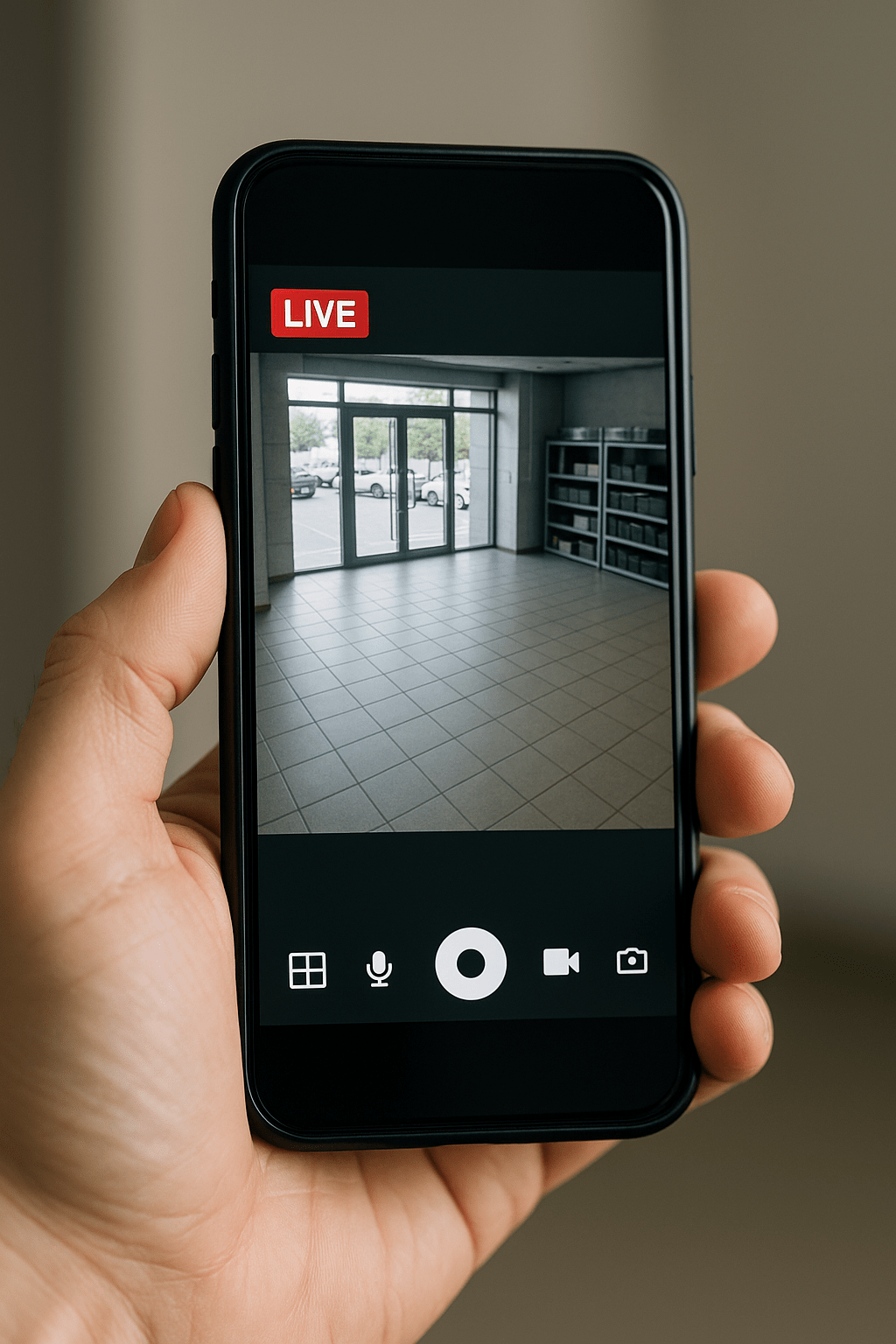
One of the most significant advancements in modern CCTV systems is the capability for remote video monitoring. This feature allows business owners and security personnel to access live and recorded footage from virtually anywhere with an internet connection, using computers, tablets, or smartphones. This is invaluable for proactive security management, enabling quick responses to incidents and providing operational oversight even when off-site. Key decision criteria for implementing this include ensuring a stable and secure internet connection at the business premises, choosing a CCTV system with a user-friendly mobile application or web interface, and establishing strong cybersecurity protocols to protect remote access points. A common pitfall is neglecting the security implications of remote access, leaving the system vulnerable to unauthorized intrusion. Implementing multi-factor authentication and regularly updating firmware are essential safeguards. For businesses operating multiple locations, this feature is indispensable for centralized monitoring and management. The ability to view feeds from warehouses, retail stores, and offices simultaneously provides a comprehensive overview of operations and security status across the entire enterprise, enhancing overall business agility and response capabilities.
Video Analytics: Motion Detection, Object Recognition, and Intrusion Alerts
Modern CCTV systems go far beyond simple recording; they leverage advanced video analytics to provide intelligent insights and automated alerts. Features such as sophisticated motion detection can differentiate between genuine threats and innocuous events like swaying trees, reducing false alarms. Object recognition can identify specific items, like unattended bags in public areas or vehicles entering restricted zones. Intrusion alerts can notify security personnel in real-time when predefined virtual perimeters are breached. These analytical capabilities transform the CCTV system from a passive recording device into an active security tool. Decision criteria for implementing video analytics include the specific security challenges of your business (e.g., theft, unauthorized access, safety violations), the computational power required by the analytics software, and the integration capabilities with your existing NVR or VMS (Video Management System). A common pitfall is deploying complex analytics without adequate processing power, leading to slow or inaccurate results. For instance, implementing AI-driven object recognition across dozens of high-resolution cameras simultaneously requires robust server hardware. These features significantly enhance operational efficiency by allowing security teams to focus on genuine threats rather than sifting through hours of uneventful footage. Businesses looking to reduce shrinkage and improve site security can benefit immensely from these smart capabilities.
Facial Recognition and License Plate Recognition (LPR) Applications
Facial recognition and License Plate Recognition (LPR) are powerful specialized applications within modern CCTV systems that offer unique benefits for businesses. Facial recognition can be used for identifying known individuals (both authorized personnel and persons of interest), enhancing access control, and even personalizing customer service in retail environments. LPR technology is crucial for managing vehicle access to parking lots, restricted areas, or for tracking vehicle movements in logistics and fleet management. Decision criteria for implementing these advanced technologies include the specific use case, the accuracy requirements for the application, privacy considerations, and integration with other business systems (like HR databases or access control systems). A common pitfall is misinterpreting the capabilities or limitations of these technologies; facial recognition accuracy can be affected by lighting, camera angles, and image quality, while LPR can struggle with dirty plates or extreme weather. Legal and ethical implications are also paramount; proper signage and adherence to privacy regulations are essential when deploying such sensitive technologies. These systems can provide a significant return on investment by improving security, streamlining operations, and providing valuable data for business intelligence.
The Professional Advantage: Why DIY Is Not for Commercial Security
Ensuring Proper Installation and System Integration
While DIY options might seem appealing for home security, commercial CCTV systems demand a professional touch. Proper installation is not merely about mounting cameras; it involves intricate planning, structured cabling, precise configuration, and seamless integration of all components. Professional installers ensure that cameras are strategically placed for optimal coverage, minimizing blind spots and maximizing the effectiveness of features like analytics. They understand the nuances of network topology, Power over Ethernet (PoE) requirements, and signal integrity, which are critical for a reliable system. A common pitfall in DIY installations is inadequate cabling, leading to intermittent connectivity, power issues, or poor video quality. Furthermore, integrating various hardware components and software platforms requires specialized knowledge to ensure they function harmoniously. This professional approach is vital for businesses where security failures can lead to significant financial losses, reputational damage, or legal liabilities. Ensuring correct installation is the first step in leveraging your system for business security: liability reduction with CCTV.
Navigating Complex Network Configurations and Security Protocols
Commercial CCTV systems are often integrated into existing business networks, which can be complex and sensitive. Professional installers possess the expertise to navigate these intricacies, ensuring that the security system operates efficiently without disrupting other critical business operations. This includes setting up appropriate network segmentation to isolate CCTV traffic, configuring firewalls to protect against unauthorized access, and implementing robust security protocols like HTTPS for data encryption. A common pitfall for non-professionals is overlooking the cybersecurity implications, leaving the system vulnerable to hacking or data breaches. For example, default passwords on network devices or unencrypted data transmission can create significant security risks. Professionals understand the importance of secure network configurations and adhere to best practices, such as using strong, unique passwords, regularly updating firmware, and conducting security audits. This expertise is essential for safeguarding sensitive video data and ensuring the overall integrity of the surveillance network. Proper network setup is fundamental to any commercial CCTV: structured cabling for reliability.
Understanding Compliance and Legal Requirements for Business Surveillance
Operating a business in today’s regulatory landscape requires a thorough understanding of compliance and legal requirements related to surveillance. Professional CCTV installers are well-versed in local, provincial, and federal regulations governing the use of surveillance systems, including privacy laws, data retention policies, and signage requirements. They can advise businesses on how to deploy their CCTV systems in a manner that is both effective for security and legally compliant, thus mitigating the risk of lawsuits and fines. A common pitfall for DIY installations is inadvertently violating privacy laws, such as recording in areas where individuals have a reasonable expectation of privacy, or failing to adequately inform employees and visitors about the presence of surveillance. For instance, improperly placed cameras in employee break rooms or restrooms can lead to significant legal repercussions. Professionals ensure that signage is clearly visible, data is handled ethically and securely, and that the system’s configuration aligns with all applicable legal frameworks, contributing to robust commercial security: mitigate liability for GTA businesses.
Alternatives to CCTV System Retrofits (and When to Choose Them)
Considering Standalone Alarm Systems for Perimeter Breaches
While CCTV systems provide visual evidence and monitoring, standalone alarm systems can offer a more immediate and direct response to perimeter breaches. These systems, which can include motion sensors, door/window contacts, and glass break detectors, are designed to detect unauthorized entry and trigger an audible alarm or alert a monitoring service. They are particularly effective for businesses where the primary concern is detecting intrusion into specific areas or the building’s exterior boundaries. Decision criteria for choosing an alarm system over or in addition to a CCTV retrofit include the primary security threat (detection vs. identification), budget constraints, and the complexity of the premises. For instance, a small retail store might find a comprehensive alarm system more cost-effective for deterring and detecting shoplifting and break-ins than a full CCTV overhaul. A common pitfall is relying solely on an alarm system without visual verification; this can lead to a higher rate of false alarms, causing unnecessary dispatches and potential fines. However, when integrated with a CCTV system, alarms can provide a valuable first layer of defense, prompting faster visual review and response.
Exploring Access Control Systems for Restricted Area Management
Access control systems offer a distinct layer of security focused on managing who can enter specific areas within a business. Unlike CCTV, which passively records activity, access control actively grants or denies entry based on credentials like key cards, fobs, or biometric scans. These systems are ideal for businesses that need to secure sensitive areas such as server rooms, executive offices, laboratories, or stockrooms. When considering alternatives or complements to a CCTV retrofit, decision criteria should include the level of security required for specific zones, the number of employees needing access, and the desired audit trail of entry and exit. A common pitfall is implementing an access control system without considering its integration with the overall security strategy; for example, not linking access logs with CCTV footage can limit the ability to investigate incidents. For businesses in industries like pharmaceuticals or finance, robust access control is often a non-negotiable requirement, offering a proactive approach to preventing unauthorized access rather than just detecting it.
When a Full Replacement Might Be More Cost-Effective Than a Retrofit
While retrofitting can extend the life of an existing CCTV system, there are scenarios where a complete replacement proves to be more cost-effective in the long run. If the current system is significantly outdated, uses proprietary technology that is no longer supported, or suffers from inherent design flaws that cannot be addressed through upgrades, a replacement may be warranted. Decision criteria include the age and condition of the existing hardware, the availability of spare parts and technical support, and the cost of necessary upgrade components versus the price of a new, integrated system. A common pitfall of continuing with an obsolete system is the increasing risk of failure, poor image quality, lack of modern features (like AI analytics or remote access), and escalating maintenance costs. For example, if an older analog system requires expensive converters and recorders to even attempt integration with newer technologies, purchasing a modern IP-based system might offer a better long-term value. Examining business security cameras: upgrade your obsolete system guides can help assess this decision.
Choosing the Right Partner for Your CCTV Retrofit in the GTA
Selecting the appropriate security provider is paramount when undertaking a CCTV system retrofit in the Greater Toronto Area (GTA). The complexity of modern surveillance technology, combined with the specific needs of businesses in locales like Mississauga, Brampton, and beyond, requires a partner with demonstrable expertise and a proven track record. Look for providers who prioritize a consultative approach, taking the time to understand your unique operational challenges and security objectives. A thorough assessment of your existing infrastructure, including cabling and network capabilities, is essential. This ensures the new system integrates seamlessly and leverages existing strengths where possible, avoiding unnecessary costs and complexities. Furthermore, consider providers who offer comprehensive service packages, encompassing design, installation, maintenance, and ongoing support, ensuring a complete solution for your business security needs.
What to Look for in a Commercial Security Provider
When vetting commercial security providers for your CCTV retrofit, several key criteria should guide your decision. Firstly, prioritize companies with specialized experience in commercial environments, rather than those offering a one-size-fits-all residential solution. Look for certifications and affiliations that demonstrate their commitment to industry standards. Secondly, assess their technical capabilities. Do they have in-house technicians skilled in modern IP camera systems, Power over Ethernet (PoE) wiring, and network infrastructure, as detailed in our guide on Commercial CCTV: PoE Wiring for Reliable Security? Thirdly, consider their responsiveness and support model. A provider offering 24/7 emergency support and proactive system monitoring can significantly reduce downtime and address critical issues swiftly. Finally, review client testimonials and case studies, particularly those relevant to your industry and geographic location, to gauge their reliability and customer satisfaction.
Understanding Service Level Agreements (SLAs) and Maintenance Plans
A robust Service Level Agreement (SLA) and a comprehensive maintenance plan are critical components of any successful CCTV retrofit. These agreements clearly define the responsibilities of both parties, outlining guaranteed response times for service calls, uptime percentages for critical system components, and the scope of regular maintenance. A well-defined SLA should specify the frequency of system checks, software updates, and firmware patches, all aimed at ensuring optimal system performance and security. Understanding the nuances of your chosen provider’s maintenance offerings, such as whether they offer remote diagnostics or on-site technician visits for various issues, will prevent future disputes and ensure your system remains operational. This proactive approach, detailed in our discussions on Commercial CCTV: Scalable Security System Maintenance, is key to long-term system reliability.
Ensuring Local Expertise for Areas like Brampton, Milton, and Oakville
For businesses operating within the diverse economic landscape of the GTA, local expertise is an invaluable asset for any CCTV retrofit. Providers familiar with the specific regulatory environments, business types, and geographical nuances of areas like Brampton, Milton, and Oakville can offer tailored solutions. This includes understanding local by-laws related to surveillance, identifying common security threats prevalent in specific industrial parks or commercial districts, and ensuring rapid on-site response times. A local partner can also facilitate more efficient project management, understanding traffic patterns for installation scheduling and knowing the best routes for urgent service calls. Their deep understanding of the regional business community allows them to anticipate needs and provide more effective, context-aware security strategies, such as those discussed for Commercial CCTV Brampton: Smart System Design.
Real-World Examples: Successful CCTV Retrofits for Various Industries
Modernizing surveillance through CCTV retrofits yields tangible benefits across a spectrum of industries. The transition from older analog systems to advanced digital solutions offers enhanced resolution, improved analytics, and greater integration capabilities. Businesses are increasingly recognizing that strategic camera placement and the adoption of intelligent video features can significantly impact operational efficiency, loss prevention, and safety compliance. By carefully planning and executing a retrofit, organizations can transform their security infrastructure from a passive monitoring tool into an active component of business management. The examples below illustrate how diverse sectors have leveraged these upgrades to achieve specific, measurable outcomes.
Warehouse Security: Preventing Inventory Loss and Improving Workflow
Warehouses, with their vast inventory and complex logistical operations, are prime candidates for CCTV retrofits. By upgrading to high-definition cameras and leveraging advanced analytics, businesses can significantly reduce inventory shrinkage. Modern systems can monitor high-traffic areas like loading docks, storage aisles, and packing stations in real-time, detecting suspicious activity or unauthorized access. Features such as motion detection with customizable zones and object tracking can alert security personnel to potential theft or misplaced items immediately. Beyond loss prevention, retrofitted CCTV systems can also optimize workflow by providing visibility into operational bottlenecks, employee productivity, and adherence to safety protocols, contributing to a more efficient and secure storage environment, aligning with best practices outlined in Commercial CCTV: Warehouse Security Best Practices.
Retail Operations: Shrinkage Reduction and Customer Behavior Analysis
For retail businesses, CCTV retrofits are instrumental in combating shoplifting and internal theft, commonly referred to as shrinkage. Upgraded systems offer crystal-clear imagery crucial for identifying perpetrators and providing actionable evidence. Advanced analytics can now track customer flow, identify popular product displays, and even detect queue lengths, providing valuable insights for store layout optimization and staffing. This data empowers retailers to make informed decisions about merchandising and customer service. Furthermore, integrated systems can correlate video footage with point-of-sale (POS) data to identify discrepancies and potential fraud, thereby minimizing financial losses and improving the overall customer experience, directly addressing issues covered in Commercial CCTV: Reducing Shrinkage in Your Business.
Manufacturing Environments: Safety Compliance and Process Monitoring
In manufacturing settings, CCTV retrofits play a critical role in ensuring worker safety and maintaining stringent process controls. High-resolution cameras can monitor production lines, identify unsafe practices, and provide immediate alerts if machinery malfunctions or safety guards are bypassed. This not only helps in preventing accidents and injuries but also aids in regulatory compliance with workplace safety standards. The ability to remotely monitor operations provides supervisors with real-time oversight, allowing for quick intervention in case of deviations from production schedules or quality control issues. Moreover, recorded footage serves as an invaluable tool for post-incident analysis, helping to implement corrective measures and enhance future safety protocols.
Planning Your CCTV Retrofit: A Step-by-Step Checklist
A successful CCTV system retrofit requires meticulous planning and execution. Moving from an outdated system to a modern surveillance solution involves more than just swapping out cameras; it’s about strategically enhancing your business’s security posture. This process begins with a clear understanding of your objectives and culminates in a fully operational, integrated system that meets your evolving needs. By following a structured checklist, businesses can navigate the complexities of a retrofit, ensuring a smooth transition and maximizing the return on investment. This methodical approach minimizes disruptions and ensures that the new system is not only effective but also future-proof.
Initial Assessment and Goal Setting
The foundational step for any CCTV retrofit is a comprehensive assessment of your current security vulnerabilities and operational needs. Identify the specific areas requiring enhanced surveillance, such as entry points, sensitive storage areas, customer-facing zones, or production floors. Clearly define the primary goals of the retrofit. Are you aiming to reduce theft, improve employee safety, enhance operational oversight, or meet compliance requirements? Quantifiable goals, such as a target reduction in shrinkage by a certain percentage or a decrease in workplace accidents, will provide benchmarks for success. Documenting existing infrastructure, including network capabilities and power sources, is also crucial during this phase. Consider the potential for integrating new systems with existing security measures, as discussed in Commercial CCTV: Integrating Security Systems.
Budgeting and Vendor Selection
Establishing a realistic budget is critical for a successful CCTV retrofit. Beyond the cost of hardware and installation, factor in potential expenses for software licenses, ongoing maintenance, and potential network upgrades. Obtain detailed quotes from multiple reputable vendors, ensuring that each proposal clearly outlines the scope of work, proposed equipment, and associated costs. When selecting a vendor, prioritize those with a proven track record in commercial security installations within your industry and geographic area. Look for providers who offer transparent pricing, comprehensive warranties, and clear communication throughout the process. References and case studies can provide valuable insight into a vendor’s reliability and customer satisfaction, complementing information found in guides like Business Security Cameras: Upgrade Your Obsolete System.
Installation and Configuration Best Practices
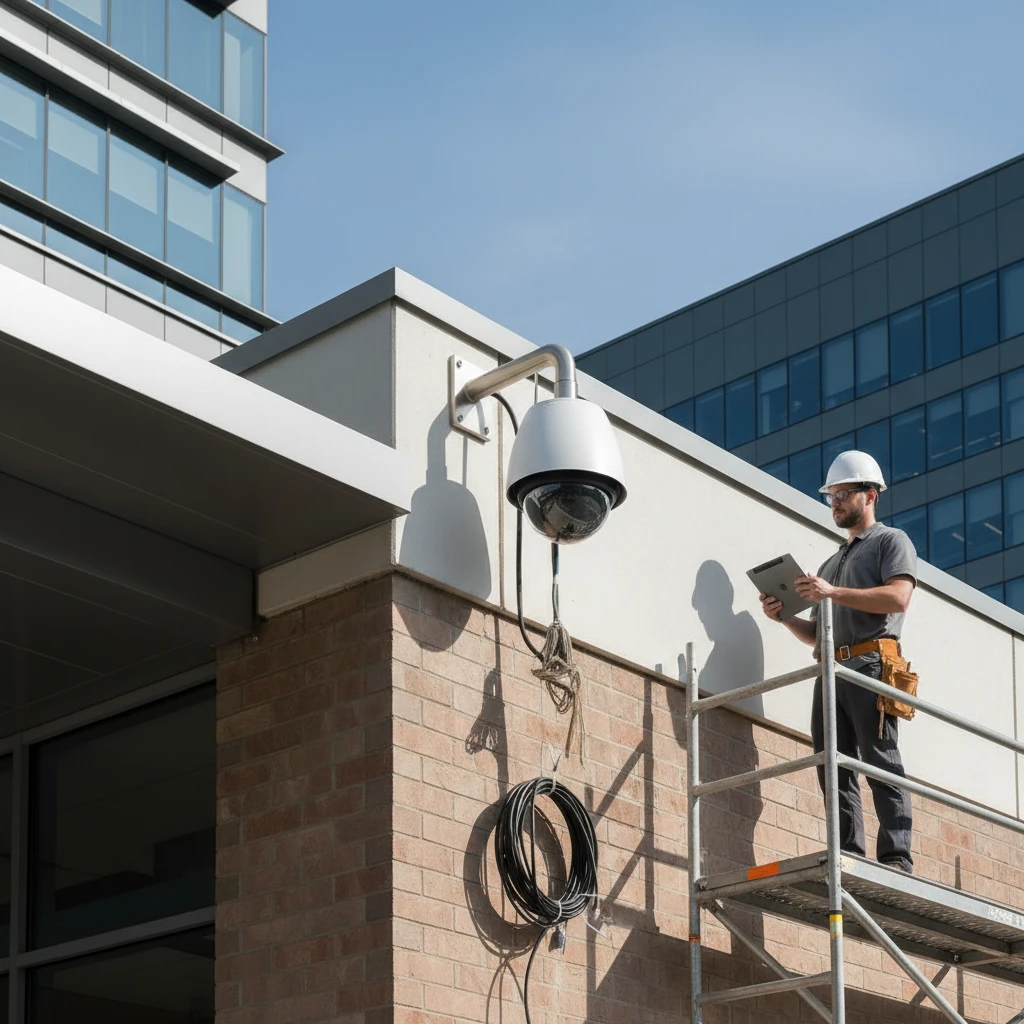
During the installation phase, adherence to best practices is paramount for system performance and longevity. Ensure that cameras are strategically placed to provide optimal field of view and eliminate blind spots. For network-connected systems, structured cabling is essential for reliable data transmission and power delivery, often leveraging PoE technology for efficiency. Proper configuration of camera settings, including resolution, frame rates, and motion detection zones, should align with the established goals. Secure network configurations, including strong passwords and up-to-date firmware, are vital to prevent unauthorized access. A professional installation ensures that the system is not only functional but also resilient and secure from cyber threats, as detailed in our resources on Commercial CCTV: Structured Cabling for Reliability.
Testing, Training, and Ongoing Support
Once installation is complete, thorough testing is indispensable to verify system functionality. This includes checking camera feeds, recording capabilities, motion detection alerts, and remote access features. All aspects of the system should be tested under various conditions to ensure reliability. Crucially, provide comprehensive training to relevant personnel on how to operate the new system, access footage, and respond to alerts. Understanding the system’s capabilities and limitations empowers your team to leverage its full potential. Finally, establish a clear plan for ongoing support and maintenance. Regular system checks, software updates, and prompt technical assistance are vital for ensuring the continued effectiveness and security of your CCTV investment, contributing to the reduction of liability for your business as discussed in Commercial Security: Mitigate Liability for GTA Businesses.