In today’s fast-paced business environment, maintaining constant oversight of your operations is no longer a luxury but a necessity. The ability to monitor your commercial property, assets, and team members, even when you’re miles away, can be the difference between preventing a crisis and reacting to one. Remote viewing capabilities are transforming how businesses operate, offering unprecedented control and peace of mind.
This advanced level of access empowers decision-makers to stay informed, respond swiftly to incidents, and proactively manage day-to-day activities. Whether your focus is on retail, manufacturing, warehousing, or multi-site management, understanding and implementing effective remote viewing solutions is crucial for staying competitive and secure.
Unlock Proactive Business Oversight with Advanced Remote Viewing Capabilities
The Evolving Landscape of Business Security in 2026
The business security landscape in 2026 is characterized by rapid technological advancement and increasingly sophisticated threats. Businesses are no longer solely concerned with reactive measures; the focus has firmly shifted towards proactive prevention. Advanced surveillance systems are now integral to operational strategy, providing not just security but also valuable business intelligence. The integration of AI-powered analytics with CCTV is becoming standard, enabling systems to detect anomalies, predict potential issues, and offer real-time alerts. For businesses operating in diverse environments across the Greater Toronto Area, such as Mississauga and Brampton, adapting to these changes is essential for maintaining a competitive edge and ensuring robust asset protection. The expectation is for security systems to be intelligent, adaptable, and seamlessly integrated into the broader operational framework.
Why Traditional Security Falls Short for Modern Operations
Traditional security models, often reliant on static camera placements and periodic physical checks, are increasingly insufficient for the complexities of modern commerce. These systems typically offer limited real-time visibility and lack the dynamic responsiveness required to counter contemporary threats. For instance, a business experiencing internal shrinkage or external theft might not detect the issue until significant losses have occurred, long after a traditional system would have failed to provide timely intervention. Furthermore, managing security across multiple sites with disparate systems creates operational silos and hinders comprehensive oversight. The inability to access footage or live feeds remotely means crucial decision-making can be delayed, impacting response times and potentially escalating incidents. This passive approach is no longer viable for businesses that require constant vigilance and rapid problem-solving capabilities.
Introducing Remote Viewing: Your Business’s Digital Watchtower
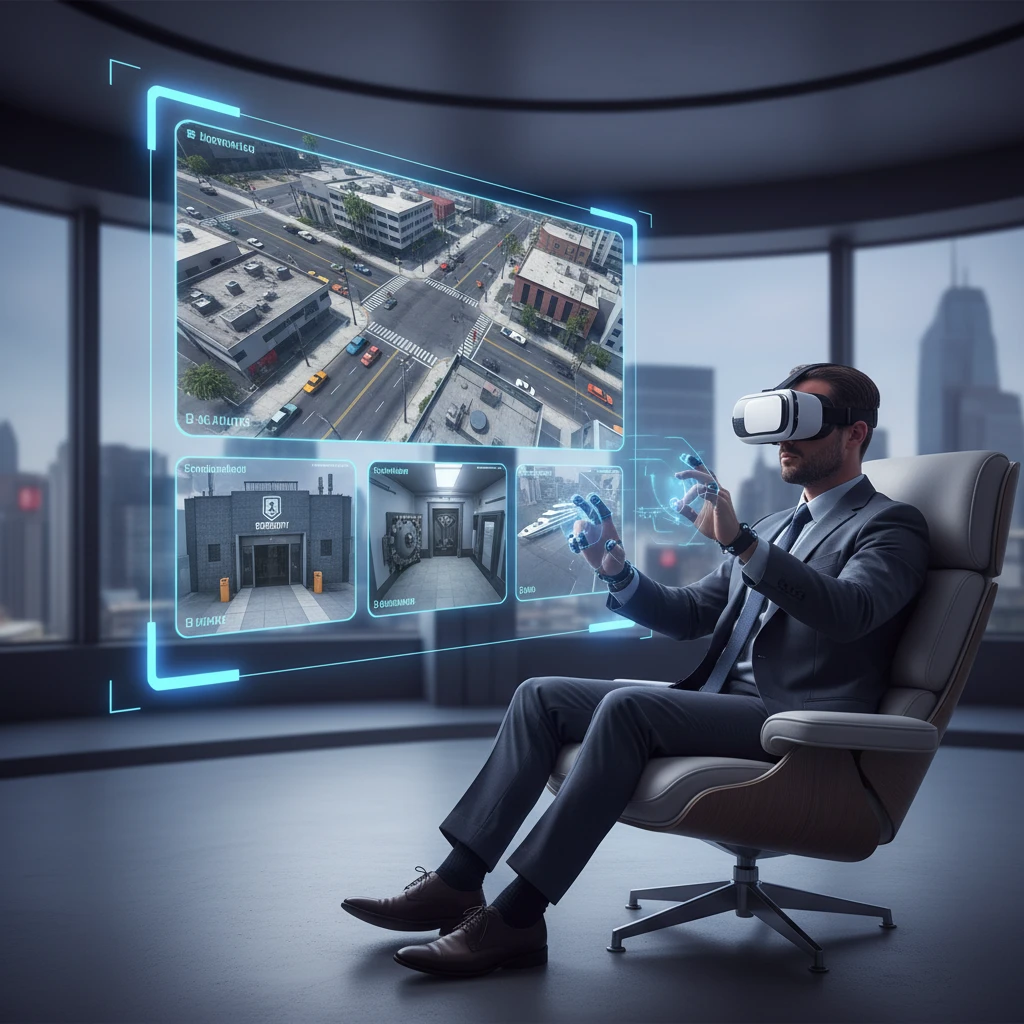
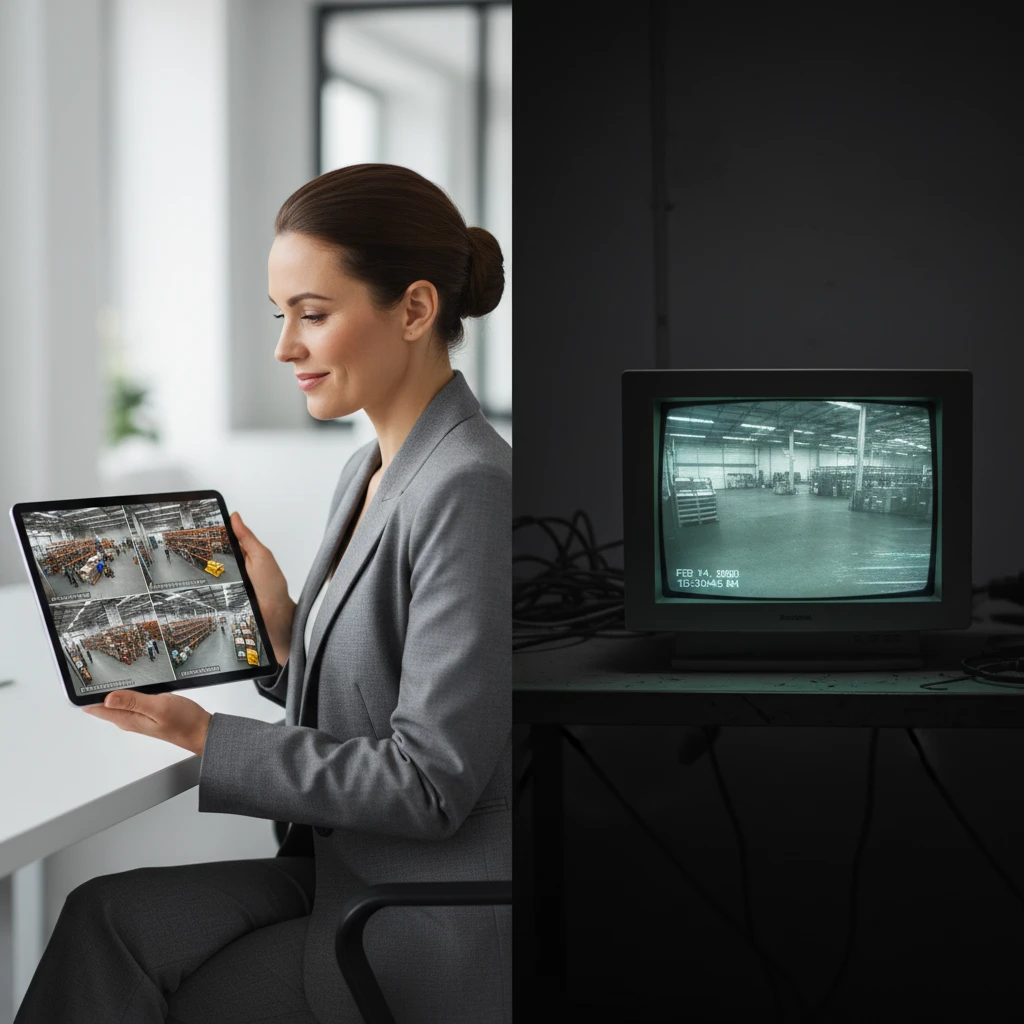
Remote viewing transforms your security infrastructure into a dynamic, accessible digital watchtower. This capability allows authorized personnel to access live video feeds and recorded footage from any internet-connected device, anytime and anywhere. Imagine a facility manager in Oakville being able to check on inventory levels in a warehouse halfway across the country, or a business owner in Milton reviewing customer traffic patterns in real-time without being physically present. This technology moves beyond simple surveillance to provide actionable insights and immediate control. It’s about having an omnipresent eye on your business, ensuring that you are always informed and empowered to make swift, data-driven decisions, thereby enhancing overall business security and operational efficiency. This proactive approach is vital for maintaining constant operational awareness.
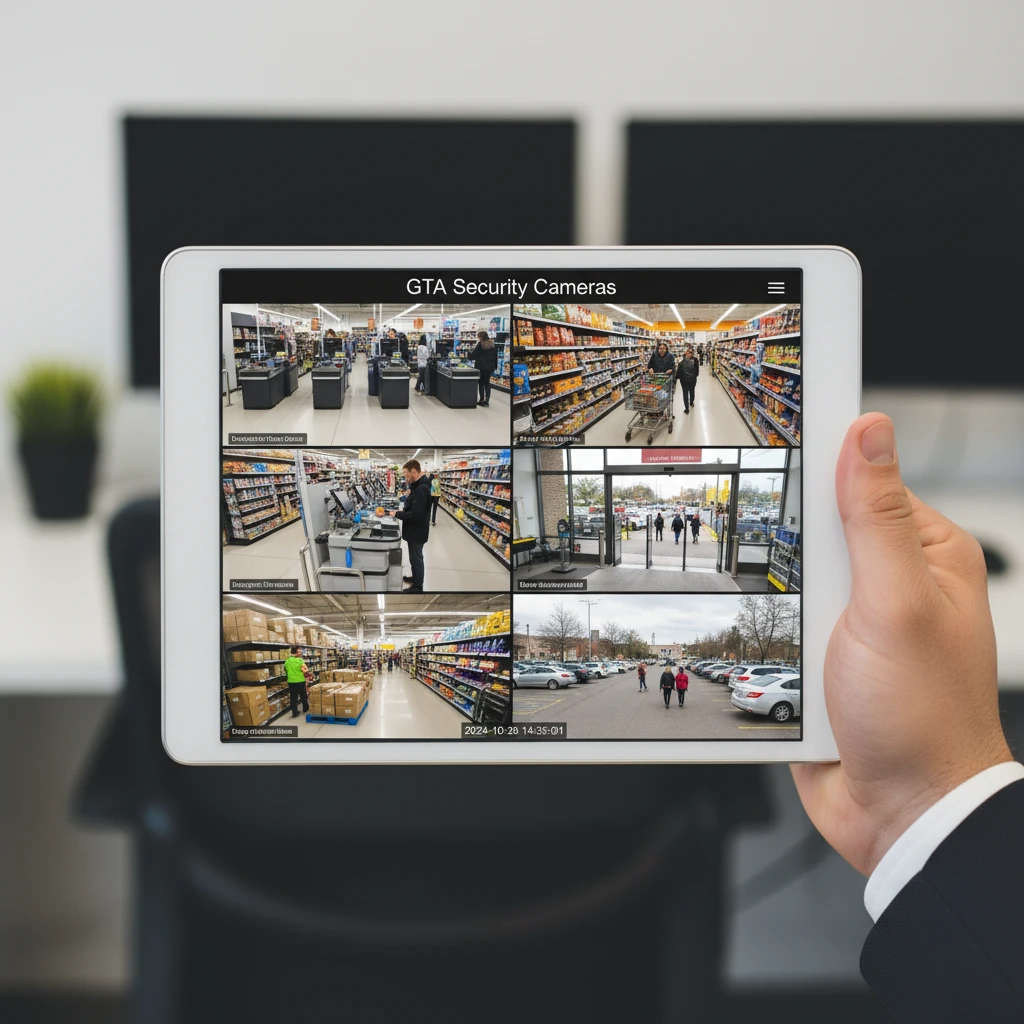
GTA Security Cameras: Streamlining Operations and Enhancing Safety Remotely
Beyond Basic Surveillance: The Power of Remote Access for Businesses
Remote access to security camera systems offers businesses far more than just the ability to watch live feeds. It provides a powerful tool for operational streamlining and enhanced safety across all commercial sectors, from retail to industrial manufacturing. For example, a manager overseeing multiple retail outlets in Mississauga can remotely monitor staff performance, ensure compliance with opening and closing procedures, and instantly assess customer flow without needing to be on-site. This level of access also proves invaluable for loss prevention, allowing for immediate verification of suspicious activities. Furthermore, the ability to quickly retrieve and share footage with law enforcement or insurance adjusters can significantly expedite investigations and claims processing. This is particularly relevant for businesses seeking to mitigate risk today and improve their overall operational ROI.
Tailoring Remote Viewing Solutions for Mississauga and Brampton Businesses
Businesses in Mississauga and Brampton face unique security challenges due to their dynamic urban and industrial landscapes. Implementing tailored remote viewing solutions ensures that these specific needs are met effectively. For instance, a warehouse facility in Brampton might require high-resolution cameras with advanced analytics to monitor large inventory spaces and loading docks remotely, while a retail establishment in Mississauga might prioritize customer-facing cameras for traffic analysis and deterring shoplifting, with remote access enabling managers to review footage from multiple stores simultaneously. Understanding the specific operational layout, typical risks, and regulatory environment is key. A customized approach, focusing on strategic camera placement and network infrastructure, ensures that remote viewing capabilities provide the most relevant and actionable intelligence for businesses in these distinct communities.
To ensure optimal performance and security tailored to your business, consider expert design services. For instance, Commercial CCTV Guelph: Expert Design can guide you through selecting and implementing a system that meets your unique requirements, whether your business is in Guelph or any other GTA community.
Enhancing Productivity and Accountability Across Multiple Locations
For businesses with operations spanning multiple sites, remote viewing is a game-changer for enhancing both productivity and accountability. A national retail chain, for example, can use a unified remote viewing platform to monitor operations at its stores in Oakville, Milton, and beyond. This allows regional managers to provide targeted support, identify best practices being implemented at one location and replicate them elsewhere, and ensure consistent service delivery. It also fosters accountability by providing objective visual records of staff activities and adherence to protocols. This centralized oversight simplifies management, reduces the need for frequent travel, and contributes to a more cohesive and efficient organizational structure. The ability to access these insights remotely empowers leadership to make informed decisions that drive performance across the entire enterprise. This is a core benefit of scalable systems for commercial security in the GTA.
Key Benefits of Implementing Remote Viewing for Your Commercial Property
Real-time Situational Awareness: From Warehouses to Retail Floors
Real-time situational awareness is perhaps the most significant benefit of implementing remote viewing technology. For businesses operating warehouses, the ability to monitor loading docks, inventory levels, and employee activity remotely provides an invaluable layer of security and operational oversight. Imagine a warehouse manager in Milton receiving an instant alert and live video feed of an unauthorized entry or an accident. Similarly, retail businesses can monitor customer traffic, staff interactions on the sales floor, and checkout areas in real-time from their offices in Oakville or even while travelling. This immediate access allows for rapid response to developing situations, whether it’s a potential theft, a customer service issue, or an operational inefficiency. This proactive monitoring capability ensures that potential problems are addressed before they escalate, safeguarding assets and ensuring smooth operations.
Deterring Theft and Vandalism: A Visible and Accessible Deterrent
The presence of visible security cameras, coupled with the knowledge that feeds can be accessed remotely and reviewed, acts as a powerful deterrent against both internal and external threats. Potential shoplifters are less likely to act when they know they are being monitored, and external vandals are dissuaded by the visible presence of surveillance equipment. For businesses in areas like Brampton, where property crime can be a concern, this visual deterrent is essential. Furthermore, remote viewing capabilities allow for immediate verification of suspicious activity, enabling businesses to alert authorities proactively rather than discovering damage after the fact. This can lead to quicker apprehension of offenders and a reduction in property damage. This proactive approach to security is significantly more effective than reactive measures alone.
Improving Operational Efficiency and Staff Management
Remote viewing extends beyond security; it serves as a crucial tool for optimizing operational efficiency and improving staff management. Businesses can use remote access to monitor workflow, identify bottlenecks in production lines, or observe customer service interactions, providing objective data for process improvements. For example, a dealership manager in Georgetown can remotely check if service bays are being utilized efficiently or if sales staff are engaging effectively with customers. This capability also supports staff development by allowing managers to identify training needs or recognize exemplary performance without constant physical supervision. By fostering a culture of accountability and providing clear visual feedback, businesses can significantly enhance overall productivity and ensure that operational standards are consistently met across all locations. This contributes directly to the operational ROI of business security cameras.
Reducing Liability and Streamlining Incident Investigations
Implementing remote viewing systems significantly contributes to reducing business liability and streamlining incident investigations. In the event of an accident, dispute, or security breach, having high-quality, accessible video evidence is invaluable. For instance, if a slip-and-fall incident occurs on a commercial property in Mississauga, recorded footage can quickly establish the facts, protecting the business from fraudulent claims. Similarly, in cases of employee disputes or workplace safety violations, remote viewing provides an objective record, ensuring fair and efficient resolution. The ability to quickly access and export relevant footage saves time and resources during investigations, minimizing potential legal and financial repercussions. This makes robust surveillance a critical component for commercial security cameras to mitigate risk.
Selecting the Right Remote Viewing Technology for Oakville and Milton Enterprises
Understanding Bandwidth and Connectivity Requirements
The effectiveness of any remote viewing system is heavily dependent on reliable bandwidth and robust internet connectivity. High-definition video streams, especially from multiple cameras, consume significant data. Businesses in areas like Oakville and Milton must assess their current internet infrastructure to ensure it can support the demands of constant video transmission without impacting other critical business operations. Insufficient bandwidth can lead to choppy playback, dropped connections, or lower image quality, rendering the system less useful. It’s essential to consult with your security provider to determine the ideal bandwidth requirements based on the number and resolution of cameras, as well as the frequency of remote access. Planning for future expansion by selecting a provider that offers scalable bandwidth solutions is also a wise consideration.
Choosing Between Cloud-Based and On-Premise Solutions
When implementing remote viewing, businesses face a key decision: opting for cloud-based or on-premise storage and management. Cloud-based solutions, often subscription-based, offer ease of access from any device with an internet connection and typically include automatic updates and off-site data backup, ideal for businesses seeking flexibility and minimal IT overhead. On-premise solutions, conversely, involve storing data locally on servers, providing greater control over data security and potentially lower long-term costs for large deployments, which can be advantageous for businesses with strict data sovereignty requirements or existing robust IT infrastructure. The choice depends on factors such as budget, IT resources, data security policies, and the desired level of control for your Milton or Oakville enterprise. Both options facilitate remote access but differ in management, cost structure, and data control.
Mobile App Functionality: Access Anytime, Anywhere
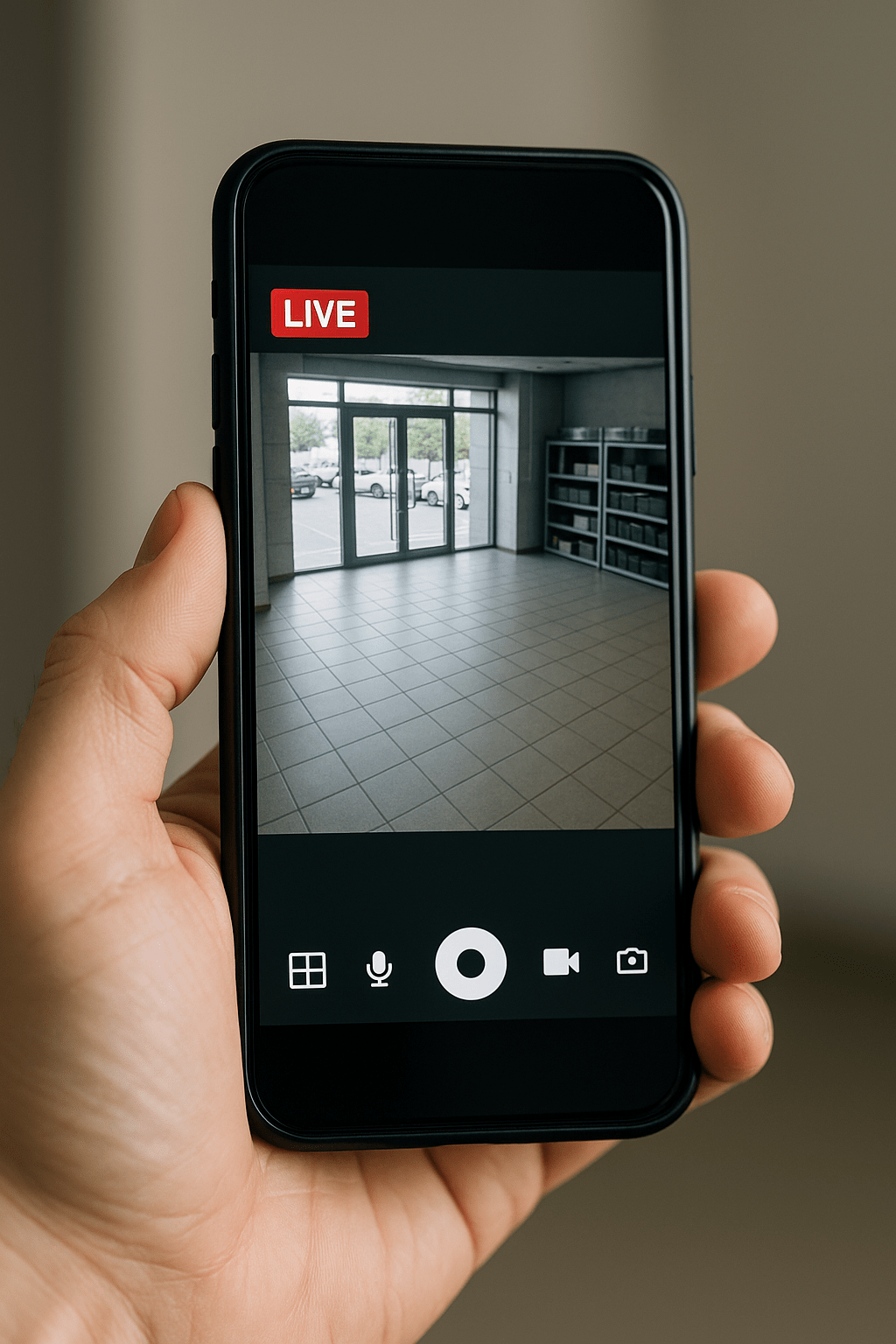
The power of remote viewing is fully realized through intuitive and feature-rich mobile applications. For business owners and managers in Oakville, Milton, and surrounding areas, a well-designed mobile app allows for constant connectivity and immediate oversight of their commercial property. Key features to look for include live viewing of multiple camera feeds, the ability to pan, tilt, and zoom (PTZ) cameras remotely, instant motion detection alerts, and easy access to recorded footage. User-friendly interfaces that allow for quick navigation and playback are paramount. Ensuring the app is compatible with both iOS and Android devices provides maximum flexibility. This seamless mobile access transforms your smartphone or tablet into a portable command center, enabling you to stay informed and responsive no matter where your business takes you.
Leveraging Remote Viewing for Enhanced Warehouse and Manufacturing Security
For businesses operating large warehouses and manufacturing facilities, remote viewing capabilities for CCTV cameras are indispensable. This technology provides an unparalleled level of oversight, allowing managers and security personnel to monitor operations from anywhere, at any time. The primary benefit lies in the ability to maintain constant vigilance over sensitive areas, track assets, and ensure adherence to stringent operational procedures. By implementing a robust remote viewing system, companies can significantly bolster their security posture, reduce operational risks, and improve overall efficiency. This proactive approach is crucial in preventing costly incidents before they escalate, safeguarding both physical assets and intellectual property. For businesses in regions like Brampton, where industrial activity is significant, such advanced surveillance is a cornerstone of effective asset protection.
Monitoring Inventory Movements and Preventing Shrinkage
Inventory shrinkage, whether due to theft, damage, or misplacement, can severely impact a company’s bottom line. Remote viewing of security cameras offers a powerful tool to combat this pervasive issue. By allowing supervisors to remotely access live feeds and review recorded footage, discrepancies in inventory counts or unauthorized movements can be identified in near real-time. This granular visibility helps in tracking goods from the moment they enter the facility until they are shipped out, creating an auditable trail. Decision criteria for implementing such systems should include the value of inventory, the complexity of the supply chain, and the historical rate of shrinkage. Pitfalls to avoid include inadequate camera placement that creates blind spots, insufficient bandwidth for smooth streaming, and a lack of clear protocols for responding to observed anomalies. For instance, a distribution center in Mississauga might use remote viewing to monitor loading docks, ensuring that outgoing shipments match manifests and that no items are tampered with during transit to the next point in the supply chain. This real-time oversight is a critical component of an effective commercial CCTV strategy.
Ensuring Workplace Safety Compliance and Accident Prevention
Workplace safety is paramount in manufacturing and warehouse environments, not only for employee well-being but also for regulatory compliance. Remote viewing enables safety officers and management to monitor adherence to safety protocols, such as the proper use of personal protective equipment (PPE) and safe operation of machinery. This proactive surveillance can identify hazardous situations or unsafe practices before they lead to accidents. When evaluating systems, consider the clarity of video feeds in low-light conditions and the ability to zoom in on specific work areas. A significant pitfall is relying solely on recorded footage without the capacity for live, remote intervention. For example, a manufacturing plant in Oakville could use remote viewing to ensure that workers in a high-risk machinery area are consistently wearing hard hats and safety glasses, and that emergency exits are unobstructed. This capability is vital for demonstrating due diligence and mitigating liability. Understanding the nuances of effective surveillance is key to establishing a safe working environment.
Tracking Deliveries and Logistics in Real-Time
Efficient logistics rely heavily on accurate tracking of incoming and outgoing shipments. Remote viewing provides an invaluable bird’s-eye perspective on these critical operations. Security cameras positioned at loading docks, entry points, and within storage areas can be monitored remotely to verify delivery manifests, inspect goods for damage upon arrival, and ensure that outbound shipments are accurately loaded. This real-time insight helps to streamline operations, reduce delays, and prevent errors. When making decisions about camera placement, consider the angles required to capture license plates of delivery vehicles and the condition of goods being handled. A common pitfall is failing to integrate camera feeds with inventory management systems, leading to manual data entry and potential errors. A logistics company operating in Milton, for instance, could leverage remote viewing to confirm the arrival of time-sensitive materials, track the movement of goods within their yard, and ensure prompt loading for outgoing transport, directly impacting their asset protection efforts.
Boosting Retail and Dealership Security with Remote Camera Access
Retail environments and automotive dealerships face unique security challenges, from internal theft and shoplifting to vandalism and organized retail crime. Remote viewing capabilities for CCTV systems are transforming how these businesses protect their assets, manage customer interactions, and optimize operations. By providing managers and owners with on-demand access to live and recorded video feeds, businesses can enhance their security posture, gain operational insights, and respond more effectively to incidents. This technology empowers decision-makers to maintain oversight across multiple locations or from off-site, ensuring that security protocols are followed and that valuable merchandise and vehicles remain secure. The strategic deployment of remote viewing is becoming a cornerstone for modern retail and dealership security strategies across the GTA.
Customer Traffic Analysis and Service Quality Monitoring
Beyond pure security, remote viewing offers significant advantages for understanding customer behavior and evaluating service quality in retail and dealership settings. By analyzing video feeds, businesses can gain insights into customer traffic patterns, identify peak hours, and understand customer flow through different sections of a store or lot. This data can inform staffing decisions, store layout optimizations, and marketing efforts. Furthermore, managers can remotely monitor staff-customer interactions to ensure that service standards are being met and to identify opportunities for staff training. Decision criteria for leveraging this capability include the desire to improve customer experience, optimize store layout, and increase sales conversion rates. A common pitfall is the misuse of this data, leading to privacy concerns or an overly intrusive monitoring environment. For a retail chain in Mississauga, remote viewing could be used to track how customers navigate through aisles, how long they spend in certain product displays, and the efficiency of checkout lines, all of which contribute to improving the overall shopping experience and boosting revenue.
Preventing Internal and External Theft at Point-of-Sale
The point-of-sale (POS) area is a common vulnerability for both internal and external theft in retail. Remote viewing of security cameras strategically placed at cash registers and checkout counters provides a crucial layer of deterrence and evidence collection. Managers can remotely monitor transactions in real-time, watching for suspicious activity such as sweethearting (fraudulent discounts), cash skimming, or counterfeit currency. For external threats, clear video footage can help identify shoplifters and provide evidence for law enforcement. Key decision criteria for implementing robust POS surveillance include the transaction volume, the value of merchandise sold, and the history of theft incidents. A significant pitfall is failing to ensure adequate camera resolution and lighting at POS stations, which can render footage unusable. A boutique in Georgetown, for example, might use remote viewing to ensure that cashiers are properly scanning all items, preventing employees from pocketing cash for un-scanned goods. This capability is directly linked to protecting business assets and can be a core component of their business security strategy.
Monitoring Vehicle Inventory and Lot Security
Automotive dealerships face significant risks related to the security of their valuable vehicle inventory. Remote viewing of CCTV cameras across the sales lot, service bays, and entry points is essential for preventing theft, vandalism, and unauthorized access. Managers can remotely monitor the entire lot at any time, checking for suspicious activity, ensuring that vehicles are properly secured, and verifying that only authorized personnel are on the premises after hours. When selecting camera systems, consider wide-angle lenses to cover large areas and robust night vision capabilities for effective 24/7 surveillance. A pitfall to avoid is neglecting to monitor service areas, where valuable parts and customer vehicles can also be targets. For a dealership in Guelph, remote viewing can deter car theft, help track vehicle movements during test drives, and provide evidence in case of damage or theft, thereby enhancing their overall security. This is critical for maintaining the integrity of their significant assets and ensuring customer trust.
Integrating Remote Viewing with Your Existing Security Infrastructure
The effectiveness of remote viewing for CCTV systems is greatly amplified when it is seamlessly integrated with a business’s existing security infrastructure. This integration ensures that the surveillance system acts as a unified defense mechanism rather than a standalone component. For businesses, this means that remote access is not just about seeing cameras but about how those feeds contribute to broader security operations, such as access control, alarm systems, and incident response protocols. A well-integrated system allows for more efficient monitoring, faster threat detection, and more coordinated responses, ultimately enhancing the overall security posture of the organization. The strategic approach to integration is crucial for maximizing the benefits of modern surveillance technology across various business sectors in the Greater Toronto Area.
Scalable Solutions for Growing Businesses in Georgetown and Guelph
As businesses expand, their security needs evolve, necessitating surveillance solutions that can grow with them. Scalable remote viewing systems are designed to accommodate an increasing number of cameras, locations, and data storage requirements without compromising performance. For growing enterprises in areas like Georgetown and Guelph, having a flexible system that can easily add new cameras as new facilities are opened or expanded is crucial. Decision criteria for scalability include the vendor’s track record with larger deployments, the ease of adding new hardware and software licenses, and the availability of cloud-based or network-attached storage options that can expand capacity. A common pitfall is investing in a system that is initially inexpensive but quickly becomes prohibitively expensive or technically challenging to scale. For a multi-location retail chain, a scalable system ensures consistent security oversight across all branches, reinforcing their ability to manage risk effectively across diverse operations. Choosing a provider that understands commercial security GTA solutions is paramount for long-term success.
The Importance of Structured Cabling and PoE for Reliable Access
Reliable remote viewing hinges on a stable and robust network infrastructure. Structured cabling, including Ethernet, and Power over Ethernet (PoE) technology, are fundamental to ensuring that CCTV cameras receive consistent power and data transmission. PoE allows a single Ethernet cable to provide both power and data to a camera, simplifying installation and reducing the need for separate power outlets, which is particularly beneficial for large-scale deployments across facilities in Oakville or Milton. When considering an integrated system, decision criteria should prioritize cabling that meets current and future bandwidth demands. A significant pitfall is using outdated or insufficient cabling, which can lead to poor video quality, intermittent connectivity, and unreliable remote access. Ensuring that your cabling infrastructure is up to modern standards is a critical step in building a dependable surveillance system.
Upgrading Older Systems for Modern Remote Viewing Capabilities
Many businesses operate with older CCTV systems that lack modern remote viewing features. Upgrading these systems is not just about enhancing security; it’s about unlocking new operational efficiencies and leveraging advanced technologies. Modern systems offer higher resolution video, wider fields of view, advanced analytics, and significantly easier remote access via mobile apps and web interfaces. The process of upgrading involves assessing the existing infrastructure, identifying which components can be retained (e.g., some cabling), and determining the best new hardware and software to meet current needs. Decision criteria should focus on interoperability, ease of use, and the potential for future expansion. A common pitfall is a “rip and replace” approach that ignores potentially reusable components, leading to unnecessary costs. For instance, a manufacturing facility in Brampton might upgrade its analog cameras to IP-based systems, enabling high-definition video and remote mobile access, thereby significantly improving their ability to boost security.
Maximizing ROI: How Remote Viewing Pays for Itself
The investment in remote viewing capabilities for CCTV systems is not merely an operational expense; it’s a strategic investment designed to deliver a substantial return on investment (ROI). By providing enhanced oversight, deterring criminal activity, and enabling proactive problem-solving, remote viewing directly contributes to cost savings and increased efficiency. Quantifying these benefits is key to understanding the true value of such a system. Businesses can expect to see reductions in theft, improved operational performance, and minimized risk of costly incidents. The ability to monitor and manage security and operations from anywhere empowers businesses to be more agile and responsive, further contributing to their financial health and stability. This approach ensures that security measures are not just a cost center but a revenue-generating and risk-mitigating asset.
Quantifiable Reductions in Shrinkage and Loss
Shrinkage and loss, whether from theft, damage, or operational inefficiencies, represent a direct drain on profitability. Remote viewing systems offer a powerful mechanism to quantify and subsequently reduce these losses. By providing clear video evidence of incidents, businesses can identify the root causes of shrinkage and implement targeted corrective actions. For example, remote monitoring of inventory movement in a warehouse can reveal whether loss is occurring during receiving, storage, or shipping, allowing for specific process improvements. Decision criteria for measuring the impact of remote viewing should include tracking key metrics such as inventory accuracy rates, the frequency of reported losses, and the value of recovered stolen goods. A significant pitfall is failing to establish baseline metrics before implementing the system, making it difficult to demonstrate tangible improvements. A retail store in Mississauga, for instance, might track a 15% reduction in shoplifting incidents and a 5% improvement in inventory accuracy within the first year of deploying advanced remote viewing technology, demonstrating a clear financial benefit.
Minimizing Insurance Premiums and Operational Downtime
A robust and demonstrably effective security system, including remote viewing capabilities, can significantly influence insurance premiums. Insurers often offer lower rates to businesses that can prove they have implemented advanced security measures to mitigate risks. Furthermore, the proactive nature of remote viewing helps minimize operational downtime by preventing incidents that could disrupt business. For example, by remotely identifying a security breach or an equipment malfunction early, businesses can respond rapidly to prevent major disruptions. Key decision criteria when considering this aspect include understanding the specific risk factors that your insurer evaluates and ensuring that your remote viewing system meets or exceeds industry best practices. A common pitfall is assuming that any security system will reduce premiums without being able to provide specific data and evidence of its effectiveness. A commercial property in Acton with a sophisticated remote viewing system might negotiate a 10% reduction in its annual insurance premium due to its enhanced risk mitigation capabilities.
Empowering Proactive Problem Solving to Avoid Costly Incidents
The true power of remote viewing lies in its ability to shift security and operations from a reactive to a proactive stance. By allowing continuous oversight, managers can identify potential problems before they escalate into costly incidents. This could range from noticing a small water leak in a storage area before it causes significant damage to identifying an employee exhibiting increasingly erratic behavior that might lead to a safety issue. The decision to invest in remote viewing should be based on the potential cost of a single major incident compared to the investment in preventative surveillance. A significant pitfall is failing to train staff on how to interpret feeds and respond to early warning signs. For example, a manufacturing plant in Halton Hills could use remote viewing to spot a minor issue with a conveyor belt before it causes a major breakdown, saving thousands in repair costs and lost production time. This proactive approach is central to achieving a strong return on investment from smart camera technology.
Ensuring Data Security and Privacy with Remote Viewing Systems
Implementing remote viewing capabilities for your business security cameras introduces a critical need to safeguard the sensitive data captured. Unauthorized access to surveillance footage can have severe repercussions, including data breaches, corporate espionage, and reputational damage. Therefore, robust security measures must be integrated into the very architecture of your remote viewing system. This involves a multi-layered approach, beginning with how data is transmitted from your cameras to your viewing platforms. The goal is to create a digital fortress that protects your operational insights and sensitive areas from prying eyes, ensuring peace of mind and continuity for your operations. A well-secured system is not just about preventing theft; it’s about protecting your business’s digital footprint.
Encryption Protocols for Secure Data Transmission
At the forefront of data security for remote viewing is the implementation of strong encryption protocols. When your CCTV cameras transmit footage, especially over networks or the internet, this data is vulnerable to interception. Transport Layer Security (TLS), and its predecessor Secure Sockets Layer (SSL), are paramount for encrypting data in transit. This ensures that any information sent between your cameras, servers, and viewing devices is scrambled and unreadable to anyone without the correct decryption key. Beyond transmission, consider encryption at rest, meaning data stored on servers or NVRs should also be encrypted. Advanced Video Management Systems (VMS) often offer end-to-end encryption options, providing a comprehensive security blanket. Choosing systems that support the latest TLS versions is crucial for staying ahead of evolving cyber threats, offering a strong defense against man-in-the-middle attacks and data snooping. This foundational step is non-negotiable for any business serious about protecting its surveillance data.
User Access Controls and Permission Management
Beyond encryption, meticulously managing who can access your remote viewing system and what they can do is vital. A robust user access control (UAC) system is fundamental to preventing unauthorized viewing or manipulation of footage. Implement a role-based access control (RBAC) model, where permissions are assigned based on an employee’s specific job function and necessity. For example, a store manager might only need access to their store’s cameras, while a security supervisor could have broader access across multiple locations. Regularly review and update user permissions, especially when employees change roles or leave the company. Implementing multi-factor authentication (MFA) adds an extra layer of security, requiring users to provide more than just a password to log in. This significantly reduces the risk of account compromise. Clear, documented policies on access management are essential for maintaining a secure and compliant remote viewing environment. These controls form the second line of defense after data encryption.
Compliance with Canadian Privacy Regulations
Operating a business in Canada means adhering to strict privacy laws, and your remote viewing systems must align with these regulations. The Personal Information Protection and Electronic Documents Act (PIPEDA) is a key piece of legislation governing how private sector organizations collect, use, and disclose personal information. When your CCTV cameras capture identifiable individuals, this footage is considered personal information. Businesses must ensure they have clear consent or a demonstrable legitimate business need for collecting this data, and that it is used only for the purposes stated. Transparency about surveillance activities, including signage and clear policies, is often required. Furthermore, data minimization – collecting only what is necessary and retaining it for appropriate periods – is a core principle. Businesses should consult official government resources or legal counsel to ensure full compliance with PIPEDA and any provincial privacy legislation. Proper handling of surveillance data is not only a legal requirement but also builds trust with employees and customers.
The AYS Security Advantage: Professional Design and Installation for Uninterrupted Remote Access
For businesses in Mississauga, Brampton, and the wider GTA, achieving reliable and secure remote viewing from your CCTV camera systems hinges on professional design and installation. Generic, off-the-shelf solutions often lack the customization and robustness required for commercial environments, leading to performance issues and security vulnerabilities. AYS Security specializes in creating tailored surveillance solutions that integrate seamlessly with your operations, ensuring you have clear visibility when and where you need it. Our expert approach focuses on understanding your unique business needs, from asset protection in a warehouse to monitoring customer flow in retail. We emphasize quality hardware, structured cabling for reliable power and data, and intelligent system architecture that supports scalable growth. This commitment to professional execution is what sets us apart, providing an uninterrupted and secure remote access experience that empowers your business decisions and mitigates risk.
Expert Consultation for Tailored Business Security Solutions
The first step in leveraging remote viewing effectively is a thorough consultation to design a system that perfectly matches your business objectives. At AYS Security, our process begins with understanding your specific vulnerabilities, operational workflows, and compliance requirements. Whether you operate a busy retail space in Mississauga, a large warehouse in Brampton, or a multi-site operation across the GTA, we identify the critical areas needing surveillance. This involves assessing lighting conditions, potential blind spots, and the types of threats you face. We then recommend the most appropriate camera types (e.g., dome, bullet, PTZ, thermal), recording solutions (NVRs, cloud storage), and network infrastructure. Our goal is to create a comprehensive security plan that not only deters threats but also provides actionable intelligence, offering a tangible return on investment through improved efficiency and loss prevention. This personalized approach ensures you get a system that works for you, not just a collection of cameras.
Seamless Installation Across Mississauga, Brampton, and Beyond
AYS Security provides expert CCTV camera installation services across the Greater Toronto Area, ensuring your remote viewing system is deployed efficiently and effectively. Our certified technicians are skilled in handling the complexities of commercial installations, from meticulous cable management using Power over Ethernet (PoE) for clean installations to configuring network settings for optimal performance. We understand the importance of minimizing disruption to your daily operations, which is why our installation teams work with precision and professionalism. Whether you require a robust system for asset protection at a dealership in Brampton, advanced surveillance for a manufacturing facility in Milton, or a comprehensive network for multiple retail outlets across Oakville, our team is equipped to deliver. We pride ourselves on leaving your premises secure and tidy, with a fully functional system ready for remote access, contributing to overall business security in key areas like Oakville and the GTA.
Ongoing Maintenance and Support for Reliable Performance
To guarantee uninterrupted remote viewing and the long-term effectiveness of your security system, AYS Security offers comprehensive maintenance and support services. Our commitment extends far beyond the initial installation. We provide proactive system checks, firmware updates, and performance diagnostics to ensure your cameras and recording devices are always operating at peak efficiency. Should any issues arise, our dedicated support team is available to provide prompt troubleshooting and resolution, minimizing downtime and ensuring continuous surveillance. This ongoing support is crucial for maintaining the integrity of your commercial security cameras and safeguarding your business assets. Investing in a maintenance plan with AYS Security means you can rely on consistent, high-quality remote access and the peace of mind that comes with a professionally managed security infrastructure, whether your business is located in Mississauga, Guelph, or any of the surrounding communities. Trust in our expertise to keep your business secure and operational.