
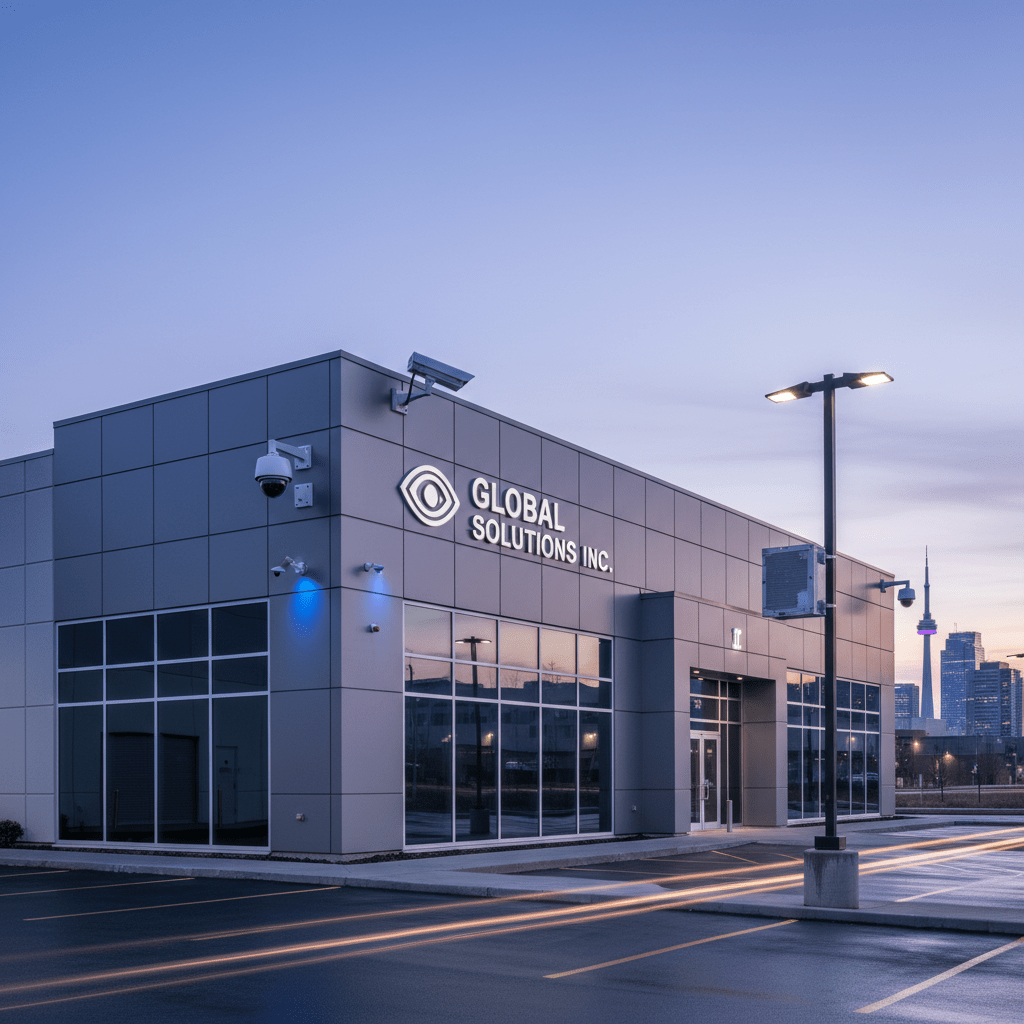
In the bustling commercial landscape of Brampton, safeguarding your business is more critical than ever. Advanced commercial CCTV systems offer far more than basic security; they provide invaluable insights into operations, help meet insurance requirements, and contribute to a safer and more productive work environment. This guide will walk you through the essential aspects of choosing and implementing the right CCTV solution for your specific Brampton business needs in 2026.
From warehouses and retail stores to offices and manufacturing plants, understanding the unique security challenges of your industry is paramount. This involves not only deterring crime but also leveraging surveillance technology to optimize efficiency, manage risk, and ensure compliance. Let’s explore how a well-designed commercial CCTV system can transform your Brampton business.
Protecting Your Brampton Business: Why Surveillance Matters in 2026
The Rising Cost of Commercial Crime in Brampton
Commercial crime, including theft, vandalism, and fraud, continues to be a significant concern for Brampton businesses. The direct costs associated with these crimes – lost inventory, property damage, and increased insurance premiums – can severely impact profitability. Moreover, indirect costs, such as decreased employee morale and reputational damage, can have long-term consequences. A robust CCTV system acts as a powerful deterrent, discouraging potential criminals and providing crucial evidence in the event of an incident. Investing in a high-quality surveillance system can significantly reduce these risks and protect your bottom line. For example, a manufacturing plant that experiences frequent tool theft could install strategically placed cameras to monitor access points and work areas, identifying and preventing future incidents.
Beyond Security: Operational Efficiency and Business Intelligence
Modern CCTV systems offer capabilities that extend far beyond traditional security. They can provide valuable data and insights into various aspects of your business operations. For instance, in a warehouse setting, cameras can be used to monitor inventory flow, identify bottlenecks in the picking and packing process, and improve overall efficiency. Retail businesses can use video analytics to track customer traffic patterns, optimize store layout, and identify areas for improvement in merchandising. Furthermore, CCTV footage can be used to resolve disputes, verify deliveries, and ensure compliance with safety regulations. This data-driven approach can lead to significant cost savings and improved performance. A concrete example is a distribution center that uses cameras equipped with AI-powered object recognition to track the movement of forklifts and identify potential safety hazards in real time, preventing accidents and improving worker safety.
Meeting Insurance Requirements with Compliant CCTV Systems
Many insurance providers require businesses to have a certain level of security in place, including CCTV systems, as a condition of coverage. Meeting these requirements can not only lower your insurance premiums but also ensure that you are adequately protected in the event of a loss. It’s crucial to ensure that your CCTV system meets the specific requirements outlined by your insurance provider, including camera placement, recording quality, and retention period. Failing to comply with these requirements could result in denied claims or increased premiums. Moreover, some industries may be subject to specific regulations regarding video surveillance, such as the need to protect customer privacy or comply with data security laws. A professional security integrator can help you design and install a CCTV system that meets all applicable insurance and regulatory requirements. Consider an example where an insurer offers a 15% premium reduction on property insurance, contingent on installing a professionally installed and monitored system.
Commercial CCTV Systems: Tailoring Solutions for Brampton’s Diverse Businesses
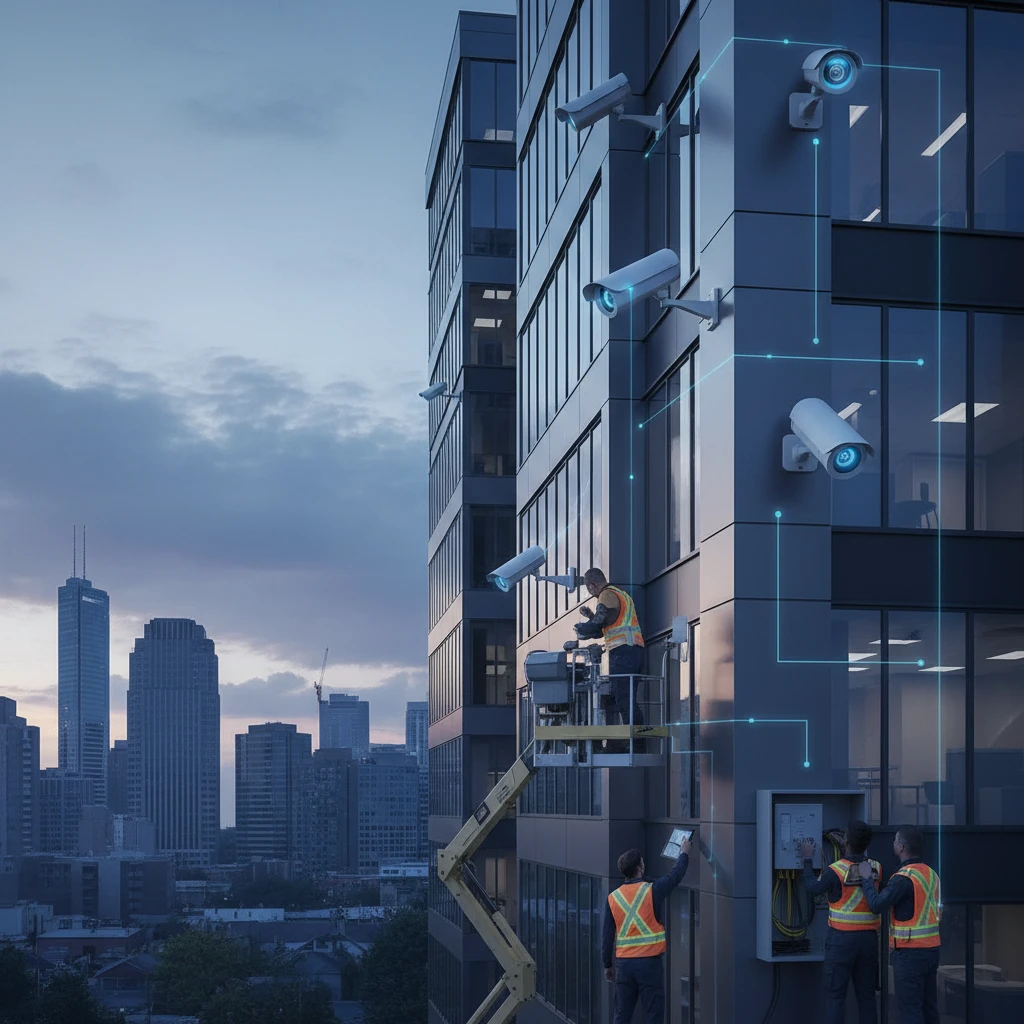
Warehouse Security: Protecting Inventory and Preventing Loss
Warehouses are particularly vulnerable to theft and inventory shrinkage due to their large size and the high value of the goods stored within. Effective warehouse security requires a multi-layered approach, including perimeter security, access control, and internal surveillance. CCTV cameras should be strategically placed to monitor loading docks, storage areas, and access points, providing comprehensive coverage of the entire facility. High-resolution cameras with night vision capabilities are essential for ensuring clear visibility, even in low-light conditions. Additionally, integrating CCTV with an access control system can help prevent unauthorized entry and track employee movements. Regularly reviewing footage can help identify and address potential security vulnerabilities. A medium-sized Brampton warehouse discovered an internal theft ring after analyzing CCTV footage, leading to the recovery of $50,000 in stolen goods and the implementation of stricter security protocols.
Retail Loss Prevention: Reducing Shoplifting and Internal Theft
Retail businesses face the constant challenge of shoplifting and internal theft, which can significantly impact profitability. A well-designed CCTV system can help deter these crimes, identify offenders, and provide evidence for prosecution. Cameras should be strategically placed to monitor entrances, exits, checkout areas, and high-value merchandise displays. Dome cameras are often used in retail environments due to their discreet design and wide field of view. Point-of-sale (POS) integration allows you to overlay transaction data onto the video footage, making it easier to identify discrepancies and fraudulent activities. Employee training on loss prevention techniques and the proper use of the CCTV system is also crucial. Consider the case of a Brampton clothing store that reduced shoplifting incidents by 30% after installing a new CCTV system with improved camera placement and employee training.
Office Surveillance: Enhancing Employee Safety and Productivity
While privacy concerns are paramount, CCTV in office environments can enhance employee safety, deter theft, and improve productivity. Cameras can be used to monitor entrances, exits, common areas, and parking lots, providing a safe and secure environment for employees. Visible cameras can deter potential intruders and discourage internal theft. It’s crucial to clearly communicate the purpose of the CCTV system to employees and adhere to all applicable privacy laws. Video analytics can also be used to monitor employee activity and identify areas for improvement in workflow and efficiency. For example, analytics can track how long employees spend in meeting rooms or identify bottlenecks in the document processing workflow. A Mississauga office reduced after-hours break-ins by 20% by improving exterior lighting and adding security cameras covering the parking lot and main entrances. Consult with legal counsel to ensure compliance with privacy regulations before implementing office surveillance.
Manufacturing Plant Security: Monitoring Production and Ensuring Compliance
Manufacturing plants require robust security measures to protect valuable equipment, inventory, and intellectual property. CCTV systems can be used to monitor production lines, storage areas, and access points, ensuring the safety of employees and the integrity of the manufacturing process. High-resolution cameras are essential for capturing detailed images of production processes, allowing for remote monitoring and quality control. Integrating CCTV with other security systems, such as access control and alarm systems, can provide a comprehensive security solution. Additionally, CCTV footage can be used to verify compliance with safety regulations and industry standards. A Brampton auto parts manufacturer used CCTV footage to successfully defend against a fraudulent workers’ compensation claim, saving the company thousands of dollars in legal fees and settlement costs.
Key Considerations When Choosing a Commercial CCTV System in Brampton
Camera Resolution and Image Quality: What You Need for Clear Evidence
Camera resolution is a critical factor in determining the clarity and detail of the recorded video. Higher resolution cameras capture more pixels, resulting in sharper images that are easier to identify and analyze. For most commercial applications, a minimum resolution of 1080p (Full HD) is recommended. However, in areas where detail is critical, such as cash registers or entrances, 4K (Ultra HD) cameras may be necessary. Consider the viewing distance and the size of the area you need to cover when selecting camera resolution. It’s also important to consider the camera’s sensor size and lens quality, as these factors also contribute to overall image quality. Poor low-light performance can render high resolution useless at night, so evaluate nighttime footage carefully before committing. A blurry image of a license plate is useless when you need to identify a vehicle involved in a break-in.
Night Vision Capabilities: Ensuring 24/7 Surveillance
Many crimes occur at night, making night vision capabilities essential for 24/7 surveillance. CCTV cameras with infrared (IR) illuminators can capture clear images in low-light or complete darkness. The range of the IR illuminators determines how far the camera can see in the dark. Consider the size of the area you need to cover when selecting cameras with night vision. Some cameras also offer enhanced night vision technologies, such as starlight or low-light sensitivity, which provide better image quality in challenging lighting conditions. Be wary of cameras that claim excessive IR range, as the resulting image may be grainy and lack detail. Conduct testing in a real-world environment to evaluate the camera’s night vision performance before making a purchase. An example of an effective strategy is using external IR illuminators to augment camera range in larger areas.
Storage Capacity and Retention Period: Complying with Legal Requirements
The amount of storage capacity you need will depend on the number of cameras, the recording resolution, and the desired retention period. Higher resolution video requires more storage space. It’s crucial to calculate your storage needs accurately to ensure that you can retain footage for the required period. Many jurisdictions have legal requirements regarding the retention of surveillance footage. For example, some industries may be required to retain footage for 30 days or longer. Failing to comply with these requirements could result in fines or legal liabilities. Consider using network video recorders (NVRs) with ample storage capacity or cloud-based storage solutions to ensure you have enough space to retain footage for the required period. Commercial CCTV: System Design for Growing Businesses can assist you with assessing your storage needs and recommending the appropriate solution. Also factor in whether you are using continuous recording vs. motion-activated recording, as this will impact storage needs.
Remote Access and Mobile Viewing: Staying Connected to Your Business
Remote access and mobile viewing capabilities allow you to monitor your business from anywhere, at any time. This is particularly useful for business owners who travel frequently or have multiple locations. Most modern CCTV systems offer mobile apps that allow you to view live and recorded video on your smartphone or tablet. Some systems also offer features such as push notifications, which alert you to potential security events in real-time. Ensure that the system you choose offers secure remote access and that the mobile app is user-friendly and reliable. Business Security Cameras: Remote Viewing Benefits highlights the value of these features. Also, check if the remote viewing app supports multi-factor authentication for enhanced security. Example: A franchise owner in Brampton was able to remotely verify an alarm trigger at their business and dispatch police, preventing a burglary.
The Importance of Professional CCTV System Design for Brampton Businesses
Strategic Camera Placement: Maximizing Coverage and Minimizing Blind Spots
Strategic camera placement is crucial for maximizing coverage and minimizing blind spots. A poorly designed system with poorly placed cameras will be less effective at deterring crime and capturing evidence. A professional security integrator can assess your property, identify potential security vulnerabilities, and recommend the optimal camera placement to provide comprehensive coverage. This includes considering factors such as lighting conditions, viewing angles, and potential obstructions. It’s also important to consider the specific needs of your business when determining camera placement. For example, a retail store may need cameras focused on cash registers and entrances, while a warehouse may need cameras focused on loading docks and storage areas. A professional installation service, such as Commercial CCTV Brampton: Installation for Business Security ensures expertise in this area.
Structured Cabling and Power over Ethernet (PoE): Ensuring Reliable Performance
Structured cabling and Power over Ethernet (PoE) are essential for ensuring reliable performance and simplifying installation. Structured cabling provides a standardized and organized approach to cabling, making it easier to maintain and troubleshoot the system. PoE allows you to power the cameras over the same Ethernet cable that carries the video signal, eliminating the need for separate power outlets. This simplifies installation and reduces the cost of running separate power lines. It’s important to use high-quality cabling and connectors to ensure reliable performance and minimize the risk of signal loss or interference. Using proper cable management techniques can also help prevent damage to the cables and extend their lifespan. Example: A Brampton office building upgraded to Cat6 cabling and PoE switches, improving camera reliability and simplifying future system upgrades.
Scalability and Future-Proofing: Designing a System That Grows with Your Business
It’s important to design a CCTV system that is scalable and future-proof, allowing you to add cameras or upgrade components as your business grows and your security needs evolve. Choose a system that supports a variety of camera types and technologies, allowing you to easily integrate new cameras in the future. Consider using an NVR that has extra channels available for future expansion. It’s also important to choose a vendor that offers ongoing support and maintenance services to ensure that your system remains up-to-date and performs optimally. CCTV System Upgrades: Future-Proof Your Business Security provides more detail on this topic. Furthermore, consider systems that allow for integration with future technologies, such as AI-powered analytics or cloud-based storage.
CCTV Installation in Brampton: Ensuring a Seamless and Secure Setup
A successful CCTV installation in Brampton demands meticulous planning and execution. It’s not merely about mounting cameras; it’s about crafting a security solution that aligns with your specific business requirements and potential vulnerabilities. From initial assessment to final testing, each phase plays a crucial role in ensuring the effectiveness and longevity of your surveillance system. This section will guide you through the essential steps, emphasizing best practices and common pitfalls to avoid.
Site Survey and Risk Assessment: Identifying Vulnerabilities and Security Needs
The foundation of any robust CCTV system is a comprehensive site survey and risk assessment. This involves a detailed examination of your property to identify potential entry points, blind spots, areas prone to theft or vandalism, and other security vulnerabilities. For instance, a warehouse might require coverage of loading docks and inventory storage areas, while a retail store needs surveillance of entrances, exits, and cash registers. Consider factors such as lighting conditions, environmental challenges (e.g., extreme temperatures or humidity), and existing security measures. A skilled security professional will analyze these factors to determine the optimal camera placement, camera types (e.g., dome, bullet, PTZ), and recording configurations to maximize coverage and minimize blind spots. Don’t underestimate this step; a poorly planned system is a weak system. This stage also defines clear objectives for your security system, ensuring it meets your specific goals, whether it’s loss prevention, employee monitoring, or enhanced safety.
Professional Installation and Configuration: Avoiding Common Pitfalls
Professional installation is crucial to avoid common pitfalls. Attempting a DIY installation can lead to improperly configured cameras, inadequate wiring, and vulnerabilities that compromise the entire system. A qualified installer understands local building codes, electrical requirements, and best practices for cable management. Structured cabling, using standards like Cat6 or higher, is essential for reliable data transmission and PoE (Power over Ethernet) functionality. Proper configuration of the network video recorder (NVR) is also vital. This includes setting up recording schedules, configuring motion detection zones, and implementing user access controls. Neglecting these details can result in missed events, false alarms, and unauthorized access to your video footage. Furthermore, the physical mounting of cameras is important. Incorrect mounting can lead to camera movement, blurry images, and eventual failure. Ensure the installer uses appropriate mounting hardware and takes into account wind resistance and other environmental factors.
Testing and Training: Ensuring Your Team Can Effectively Use the System
Once the installation is complete, thorough testing is essential to ensure the system is functioning as intended. This includes verifying camera angles, image quality, recording functionality, and remote viewing capabilities. It’s critical to test the system under various conditions, such as daytime, nighttime, and different weather conditions. Also, ensure that the remote viewing capabilities are working correctly on various devices, such as smartphones and tablets. Training your team on how to use the CCTV system is equally important. This includes showing them how to access live feeds, review recorded footage, download video clips, and respond to security alerts. Well-trained staff can effectively use the system to deter crime, investigate incidents, and improve overall security awareness. Example: After a training session, a retail store manager was able to quickly identify and report a shoplifting incident by reviewing the CCTV footage, leading to the recovery of stolen merchandise.
Integrating Your CCTV System with Other Security Solutions
A comprehensive security strategy often involves integrating your CCTV system with other security solutions to create a layered defense. This integration can enhance the effectiveness of your security measures and provide a more holistic approach to protecting your business. Connecting your CCTV system with access control, alarms, and video analytics provides a far more secure and responsive environment.
Access Control Systems: Restricting Unauthorized Entry
Integrating your CCTV system with an access control system allows you to visually verify individuals entering your premises. When someone uses a keycard or enters a PIN code, the CCTV system can capture their image and record their entry time. This integration provides an audit trail of who entered the building, when they entered, and for how long they remained. This is valuable for investigating security breaches or monitoring employee activity. For example, if an unauthorized entry occurs, the CCTV footage can be used to identify the individual and determine how they gained access. Moreover, certain access control systems can trigger specific camera actions, such as zooming in on the entry point when a door is opened or sending an alert to security personnel. Consider systems that support multi-factor authentication for enhanced security. Implementing these measures significantly reduces the risk of unauthorized access and internal theft.
Alarm Systems: Detecting Intrusions and Notifying Authorities
When integrated with an alarm system, your CCTV system can provide visual verification of alarm events. For instance, if a door or window sensor is triggered, the CCTV system can automatically start recording and send an alert to a monitoring center or designated personnel. This allows for a quicker and more informed response to potential intrusions. Security personnel can visually assess the situation and determine whether it is a false alarm or a genuine threat. This integration can also help reduce false alarms by providing visual evidence of the cause of the alarm. In some cases, the CCTV system can even be used to remotely address the situation, such as by activating loudspeakers to warn intruders or remotely locking down access points. This provides a proactive approach to security and minimizes the potential for damage or loss. Example: An alarm system detects a break-in at a warehouse after hours. The integrated CCTV system immediately streams live video to the security monitoring center, allowing them to verify the intrusion and dispatch the police. This rapid response helps apprehend the suspects and prevents significant property damage.
Video Analytics: Enhancing Threat Detection and Response
Video analytics can significantly enhance threat detection and response by automatically analyzing video footage for specific events or patterns. For example, video analytics can be used to detect loitering, identify abandoned objects, or recognize unusual activity in restricted areas. When a suspicious event is detected, the system can send an alert to security personnel, allowing them to investigate and respond accordingly. Some advanced video analytics systems can even be trained to recognize specific individuals or objects, further enhancing security capabilities. This technology can also be used to optimize business operations, such as by tracking customer traffic patterns or monitoring employee performance. However, implementing video analytics requires careful planning and configuration to ensure accuracy and minimize false alarms. Partnering with a reputable security provider like AYS Security ensures the system is properly configured to meet your specific needs.
Understanding CCTV Compliance and Regulations in Brampton
Operating a CCTV system in Brampton requires adherence to various compliance and regulations to ensure the protection of personal information and respect for privacy. These regulations are designed to balance the need for security with the rights of individuals. Failure to comply with these regulations can result in fines, legal action, and reputational damage. Staying informed and implementing appropriate policies and procedures is essential for responsible CCTV operation.
PIPEDA Compliance: Protecting Personal Information
The Personal Information Protection and Electronic Documents Act (PIPEDA) governs the collection, use, and disclosure of personal information in the course of commercial activities in Canada. If your CCTV system captures images of individuals, you are considered to be collecting personal information and must comply with PIPEDA. This includes obtaining consent (where applicable), implementing appropriate security measures to protect the information, and providing individuals with access to their personal information upon request. You must also have a privacy policy that outlines how you collect, use, and disclose personal information. For example, prominently display signage indicating that CCTV surveillance is in use. Implement access controls to restrict access to CCTV footage to authorized personnel only. Regularly review and update your privacy policy to ensure it remains compliant with PIPEDA. Failure to comply with PIPEDA can result in investigations by the Privacy Commissioner of Canada and significant penalties.
Workplace Privacy Considerations: Balancing Security and Employee Rights
When using CCTV in the workplace, it is essential to balance security needs with employee privacy rights. Employees have a reasonable expectation of privacy in certain areas, such as washrooms, change rooms, and break rooms. It is generally not permissible to install CCTV cameras in these areas without explicit consent from employees. Before installing CCTV cameras in other areas of the workplace, you should conduct a privacy impact assessment to identify and mitigate potential privacy risks. Communicate the purpose of the surveillance to employees, and be transparent about how the footage will be used. Implement policies and procedures to ensure that the CCTV footage is used only for legitimate business purposes and is not accessed or disclosed without authorization. Regularly review your workplace CCTV policies to ensure they are fair, reasonable, and compliant with applicable laws and regulations.
Local Bylaws and Regulations: Ensuring Legal Compliance
In addition to PIPEDA and workplace privacy laws, Brampton may have local bylaws and regulations governing the use of CCTV systems. These bylaws may specify requirements for camera placement, signage, data retention, and other aspects of CCTV operation. It is essential to research and comply with all applicable local bylaws and regulations to avoid fines, legal action, and other penalties. Contact the City of Brampton’s municipal licensing and standards department for the most up-to-date information on local CCTV regulations. Keep accurate records of your CCTV system, including camera locations, recording schedules, and access logs. Conduct regular audits to ensure your system remains compliant with all applicable laws and regulations. Example: A local Brampton business was fined for failing to display adequate signage indicating that CCTV surveillance was in use. By ensuring your system adheres to both national and local regulations you avoid these problems.
Beyond Installation: Ongoing Maintenance and Support for Your CCTV System
A CCTV system is a significant investment, and ensuring its long-term performance requires ongoing maintenance and support. Regular checkups, timely updates, and reliable technical support are crucial for preventing downtime, addressing potential issues, and protecting against cyber threats. This section outlines the essential elements of a comprehensive maintenance and support plan for your CCTV system.
Regular System Checkups: Identifying and Addressing Potential Issues
Regular system checkups are essential for identifying and addressing potential issues before they escalate into major problems. These checkups should include verifying camera functionality, image quality, recording schedules, and network connectivity. Inspect cables and connectors for damage or wear. Clean camera lenses to ensure clear images. Check the NVR’s hard drive capacity and performance. Review the system logs for any errors or warnings. Schedule regular maintenance visits with a qualified technician to perform these checkups and address any identified issues. For example, a camera that is slightly out of focus can be easily adjusted during a checkup, preventing the need for a more complex repair later on. A proactive maintenance approach can significantly extend the lifespan of your CCTV system and minimize downtime.
Firmware Updates and Security Patches: Protecting Against Cyber Threats
Like any network-connected device, CCTV systems are vulnerable to cyber threats. Firmware updates and security patches are essential for protecting your system against these threats. Manufacturers regularly release updates to address security vulnerabilities and improve system performance. It is crucial to install these updates promptly to minimize the risk of a cyberattack. Establish a process for monitoring for and installing firmware updates and security patches. Consider enabling automatic updates, if available. Change default passwords and implement strong password policies. Use a secure network and firewall to protect your CCTV system from unauthorized access. Regularly scan your network for vulnerabilities. Staying vigilant and proactive about cybersecurity is essential for protecting your CCTV system and your business from cyber threats.
24/7 Technical Support: Ensuring Minimal Downtime
Even with regular maintenance and updates, unexpected issues can arise with your CCTV system. Having access to 24/7 technical support ensures that you can quickly resolve any problems and minimize downtime. A reliable technical support provider can troubleshoot issues remotely, dispatch technicians to your site, and provide guidance on system operation. Look for a support provider that offers a guaranteed response time and has a proven track record of resolving CCTV issues efficiently. Consider a service level agreement (SLA) that outlines the scope of support services, response times, and escalation procedures. Example: A business experiences a sudden NVR failure on a weekend. With 24/7 technical support, they are able to quickly diagnose the issue and have a replacement NVR shipped to their site within hours, minimizing disruption to their security operations. Investing in comprehensive technical support provides peace of mind and ensures that your CCTV system is always functioning optimally.
Calculating the ROI of Your Commercial CCTV Investment in Brampton
Investing in a commercial CCTV system for your Brampton business is more than just an expense; it’s a strategic investment that can yield significant returns. While the initial cost might seem substantial, the long-term benefits of a well-designed and installed system can far outweigh the upfront investment. Calculating the ROI (Return on Investment) involves considering both the tangible and intangible benefits, from reduced losses due to theft and vandalism to improved operational efficiency and lower insurance premiums. Accurately assessing these factors will demonstrate the true value of your commercial security cameras. Before committing to a system, it’s crucial to understand how a CCTV system can positively impact your bottom line.
Reducing Theft and Vandalism: Minimizing Financial Losses
One of the most direct ways a CCTV system contributes to ROI is by deterring and detecting theft and vandalism. The presence of visible cameras alone can act as a significant deterrent, discouraging potential criminals from targeting your Brampton business. If an incident does occur, high-quality video footage provides crucial evidence for law enforcement, increasing the likelihood of apprehension and recovery of stolen goods. Quantifying this benefit involves estimating the potential losses from theft and vandalism without a CCTV system, and comparing it to the actual losses experienced after installation. For example, a warehouse in Brampton experiencing monthly theft of $2,000 might see this figure reduced to $200 per month after installing a CCTV system, resulting in a monthly saving of $1,800. Over a year, this amounts to $21,600, which contributes directly to the ROI. Beyond the monetary value of the stolen goods, consider costs of replacement and the downtime.
Improving Operational Efficiency: Optimizing Processes and Reducing Waste
CCTV systems offer benefits beyond security. They provide valuable insights into operational processes, allowing you to identify areas for improvement and reduce waste. For example, in a manufacturing facility, cameras can monitor production lines, identifying bottlenecks and inefficiencies in real-time. This allows managers to make data-driven decisions to optimize workflows, reduce downtime, and improve overall productivity. Retail businesses can use CCTV footage to analyze customer traffic patterns, optimize store layouts, and improve staffing levels during peak hours. By streamlining operations and reducing waste, a CCTV system can contribute significantly to increased profitability. For example, even a 5% increase in efficiency across a department can result in considerable cost savings. Moreover, they can provide visual evidence for training purposes, improving employee performance and reducing errors. Commercial CCTV system design considers aspects of your facility which allows for process monitoring.
Lowering Insurance Premiums: Demonstrating Risk Management Practices
Many insurance providers offer reduced premiums to businesses that implement robust security measures, including CCTV systems. By demonstrating your commitment to risk management, you can negotiate lower insurance rates, further enhancing the ROI of your CCTV investment. The extent of the reduction will depend on factors such as the size of your business, the nature of your operations, and the specific insurance policy. However, even a small reduction in premiums can result in significant savings over time. To maximize this benefit, provide your insurance provider with detailed information about your CCTV system, including the number of cameras, their placement, and the recording capabilities. Be prepared to demonstrate how the system reduces the risk of theft, vandalism, and other potential losses. Furthermore, ensure the system meets all relevant compliance standards, as this can further strengthen your case for lower premiums. Always consult with your insurance broker to understand the potential savings before committing to a specific system.
Choosing the Right CCTV Partner for Your Brampton Business
Selecting the right CCTV partner is crucial to ensuring a successful and effective security solution for your Brampton business. With numerous providers available, it’s essential to carefully evaluate each option based on several key criteria. A poorly chosen partner can lead to a system that is unreliable, difficult to use, and ultimately fails to meet your security needs. On the other hand, a reputable and experienced provider will work closely with you to design a customized solution that addresses your specific requirements and delivers long-term value. This process requires due diligence, and should not be rushed.
Experience and Expertise: Look for a Proven Track Record
When evaluating potential CCTV partners, prioritize those with a proven track record of success in the commercial security industry. Look for companies that have been in business for several years and have a portfolio of successful installations in Brampton and the surrounding areas. A company’s experience is a strong indicator of its expertise and ability to handle complex security challenges. Ask for case studies or examples of previous projects that are similar to your own business. Pay attention to the types of industries they have served and the size and complexity of the installations. Avoid companies that lack experience or have a limited portfolio of work. Check online reviews and ratings to gauge the satisfaction of previous customers. A company with a long history of satisfied clients is more likely to provide a reliable and effective security solution.
Certifications and Licenses: Ensuring Professional Standards
Ensure that any potential CCTV partner holds the necessary certifications and licenses to operate legally and professionally in Brampton. These credentials demonstrate that the company meets certain standards of competence and adheres to industry best practices. Relevant certifications may include those related to security systems installation, electrical work, and network cabling. Verify the validity of the company’s licenses and certifications with the relevant authorities. A reputable provider will be transparent about their qualifications and readily provide proof of their credentials. Working with an uncertified or unlicensed company can expose you to legal liabilities and increase the risk of a poorly installed or unreliable system. Professional standards are vital for business security cameras expert installation.
Customer Testimonials and References: Assessing Reputation and Reliability
Before making a final decision, take the time to gather customer testimonials and references from previous clients of each potential CCTV partner. These firsthand accounts can provide valuable insights into the company’s reputation, reliability, and customer service. Ask for a list of references and contact them directly to inquire about their experience. Inquire about the quality of the installation, the responsiveness of the company to service requests, and the overall satisfaction with the system’s performance. Pay attention to both positive and negative feedback, and consider whether any recurring issues are mentioned. A reputable provider will be happy to provide references and encourage you to speak with their past clients. Be wary of companies that are reluctant to provide references or have a history of negative reviews. Here’s a hypothetical example: “Example: Johnson Manufacturing installed a system with AYS Security in 2023. They report a 70% reduction in warehouse shrinkage.”
Ready to Enhance Your Brampton Business Security with a Professional CCTV System?
Securing your Brampton business with a professional CCTV system is a proactive step towards protecting your assets, employees, and bottom line. By partnering with a reputable and experienced security provider, you can gain peace of mind knowing that your business is protected by a state-of-the-art surveillance solution. Take the next step towards enhancing your security posture by requesting a free consultation and site assessment. This will allow you to explore your options, receive a customized solution tailored to your specific needs, and ultimately safeguard your business from potential threats.
Request a Free Consultation and Site Assessment
The first step towards securing your Brampton business is to request a free consultation and site assessment from a qualified CCTV provider. This initial consultation will allow you to discuss your security concerns, assess your specific needs, and receive expert advice on the best solution for your business. The provider will conduct a thorough site assessment to identify potential vulnerabilities and determine the optimal placement of cameras and other security equipment. This assessment is crucial for designing a system that effectively addresses your unique security requirements. A reputable provider will offer this consultation free of charge and without any obligation. Use this opportunity to ask questions, gather information, and evaluate the provider’s expertise and professionalism. Consider factors like how the system is installed. Structured cabling is often a better option depending on the use case.
Receive a Customized Security Solution Tailored to Your Specific Needs
Based on the site assessment and your specific security concerns, the CCTV provider will develop a customized security solution tailored to your unique needs. This solution will include recommendations for the type and number of cameras, the recording system, and any additional security features that may be beneficial. The provider will work closely with you to ensure that the solution meets your budget and aligns with your overall security goals. A customized solution is essential for maximizing the effectiveness of your CCTV system. Generic, one-size-fits-all systems often fail to address the specific vulnerabilities of your business. A tailored solution will provide the optimal level of protection and minimize the risk of security breaches.
Protect Your Assets, Employees, and Bottom Line
By investing in a professional CCTV system, you are taking a proactive step towards protecting your most valuable assets, including your employees, inventory, and property. A well-designed and installed system can deter crime, provide valuable evidence in the event of an incident, and improve overall security awareness. Protecting your assets and employees is not only a moral imperative but also a sound business decision. A secure and safe environment can boost employee morale, reduce absenteeism, and improve productivity. Moreover, it can enhance your company’s reputation and attract new customers and partners. Consider how remote viewing benefits can streamline your management processes. Ultimately, a commercial CCTV system is an investment that can pay for itself many times over by minimizing losses, improving efficiency, and enhancing your overall business performance.
Investing in commercial CCTV in Brampton is a strategic decision. By carefully calculating the ROI, choosing the right partner, and tailoring a solution to your specific needs, you can significantly enhance your business security and protect your bottom line.