In today’s business landscape, safeguarding assets and minimizing liabilities is paramount. A robust CCTV system is no longer just a security measure; it’s a strategic investment that can significantly impact your bottom line. Failing to protect your business adequately can lead to financial losses from theft, vandalism, and potential lawsuits stemming from accidents or negligence.
This guide will explore the critical role of CCTV in liability reduction for businesses in 2026. We’ll delve into strategic camera placement, legal considerations, and the key features to look for when selecting a system. Protecting your business and mitigating risk starts with a well-designed and compliant CCTV solution.
Protecting Your Bottom Line: Why CCTV is a Business Essential in 2026
The Rising Costs of Liability: Shoplifting, Vandalism, and Employee Theft
The financial impact of liability issues can be devastating for businesses. Shoplifting continues to be a major concern, with businesses across the Greater Toronto Area facing losses due to theft. Vandalism, too, can result in significant repair costs and disrupt operations. However, one of the most overlooked, yet costly, liabilities stems from employee theft. According to the U.S. Chamber of Commerce, employee theft accounts for billions of dollars in losses each year. These combined factors can significantly erode profit margins and even threaten the survival of a business. A well-placed CCTV system acts as a deterrent and provides crucial evidence when these incidents occur. Moreover, beyond direct financial losses, there are indirect costs to consider, such as increased insurance premiums, legal fees, and damage to your company’s reputation.
Demonstrating Due Diligence: A Proactive Approach to Security
Installing a CCTV system demonstrates due diligence, signifying that you’ve taken proactive steps to protect your employees, customers, and assets. This can be crucial in mitigating liability in the event of an incident. For example, if a customer slips and falls on your property, CCTV footage can provide valuable evidence to determine the cause of the accident and whether negligence was a factor. If you’re looking to upgrade your business security cameras, consider what blind spots exist that could create a liability issue. Showing a commitment to security can also positively impact your insurance rates and reduce the likelihood of successful lawsuits. By implementing a comprehensive security plan, including CCTV, you create a safer environment and signal to potential wrongdoers that your business is not an easy target. This proactive approach can save your business money and protect your reputation in the long run.
Understanding Liability Reduction Through Strategic CCTV Placement
High-Risk Areas: Entry Points, Loading Docks, Cash Handling Areas
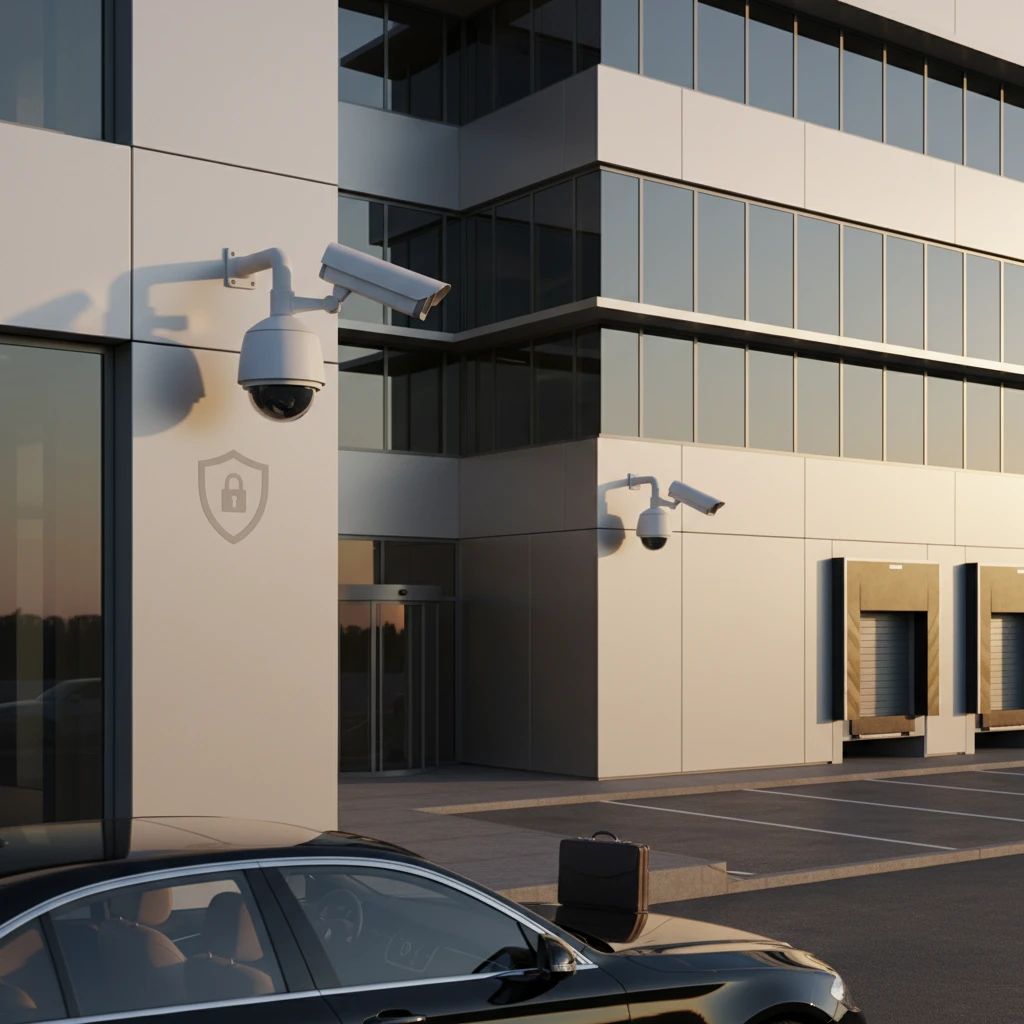
Strategic CCTV placement is crucial for maximizing liability reduction. Entry points are prime locations for cameras as they capture individuals entering and exiting the premises, deterring potential theft and providing valuable footage in case of a break-in. Loading docks, often vulnerable to theft and unauthorized access, should also be under surveillance. Cash handling areas, such as registers and safes, are obvious targets and require clear, high-resolution cameras. Additional high-risk areas include parking lots, storage areas, and any locations where valuable assets are stored or processed. Prioritize these areas when designing your CCTV system to ensure the most effective coverage. Don’t forget less obvious locations, such as near fire exits, which can be used for unauthorized access.
Beyond Deterrence: Capturing Actionable Evidence for Investigations
While deterrence is a significant benefit, the primary goal of strategic CCTV placement is to capture actionable evidence. This evidence can be used in internal investigations, police reports, and legal proceedings. Clear, detailed footage can identify perpetrators, document events leading up to an incident, and provide crucial context. For example, in cases of employee theft, CCTV footage can provide irrefutable proof of wrongdoing. In the event of a workplace accident, the footage can help determine the cause and prevent future occurrences. Consider integrating your CCTV system with other security systems, as discussed on this page. The ability to quickly retrieve and analyze footage is essential for effective investigations. Regular maintenance of the system, as covered in this article on scalable commercial CCTV, is just as vital.
Coverage Optimization: Minimizing Blind Spots and Maximizing Visibility
A comprehensive CCTV system leaves no room for doubt or ambiguity. Coverage optimization means carefully planning camera angles, fields of view, and placement to minimize blind spots and maximize visibility. Conduct a thorough risk assessment of your property to identify potential vulnerabilities. Consider using a combination of camera types, such as dome cameras for wide-angle coverage and bullet cameras for focused surveillance. PTZ (pan-tilt-zoom) cameras can be used to remotely monitor large areas and zoom in on suspicious activity. Regularly review footage to identify any blind spots that need to be addressed. Proper lighting is also crucial for optimal visibility, especially at night. Work with a professional security installer to ensure that your CCTV system provides complete and reliable coverage. Failing to do so could leave your business vulnerable and negate the benefits of the system.
Legal Considerations for CCTV Usage in the Workplace: Balancing Security and Privacy
Employee Notification and Consent: Adhering to Privacy Laws
When using CCTV in the workplace, it’s crucial to adhere to privacy laws and respect employee rights. Employee notification and consent are essential components of compliance. Clearly communicate to employees that CCTV cameras are in use and the purpose of the surveillance. Prominent signage should be displayed in areas where cameras are installed. While explicit consent may not always be required, transparency is key. Avoid placing cameras in areas where employees have a reasonable expectation of privacy, such as restrooms or changing rooms. Consult with a legal professional to ensure that your CCTV usage complies with all applicable laws and regulations. Failure to do so could result in legal penalties and damage your company’s reputation. Remember, balancing security with privacy is crucial for maintaining a positive work environment.
Data Retention Policies: Establishing Secure and Compliant Storage Practices
Establishing clear data retention policies is essential for managing CCTV footage effectively and compliantly. Determine how long you need to store footage based on your business needs and legal requirements. Implement secure storage practices to protect footage from unauthorized access or deletion. Use encryption to safeguard sensitive data. Regularly review and update your data retention policies to ensure they remain aligned with current regulations. Dispose of footage securely when it is no longer needed. Consider using a cloud-based storage solution for added security and scalability. A well-defined data retention policy demonstrates a commitment to responsible data management and helps minimize legal risks. Failing to implement appropriate retention policies can lead to data breaches and legal liabilities.
Audio Recording: Understanding Restrictions and Best Practices in Ontario
Audio recording with CCTV cameras is subject to strict regulations in Ontario and requires careful consideration. Generally, audio recording without consent is prohibited. It is crucial to understand the legal restrictions and best practices to avoid violating privacy laws. Even if video surveillance is permitted, audio recording may not be. There are very limited exceptions, such as when all parties being recorded provide explicit consent. Before implementing audio recording, consult with a legal professional to ensure compliance with all applicable laws. Improper use of audio recording can result in significant legal penalties. If audio is absolutely necessary, ensure that you have clear written consent from all individuals being recorded. Focus instead on high-quality video to provide the most reliable evidence.
Choosing the Right CCTV System for Your Business Needs: A B2B Buyer’s Guide
Key Features: Resolution, Night Vision, Weatherproofing, and Remote Access
Selecting the right CCTV system requires careful consideration of several key features. Resolution is crucial for capturing clear, detailed images. Opt for high-resolution cameras (at least 1080p) to ensure that you can identify individuals and objects effectively. Night vision is essential for 24/7 surveillance, especially in low-light conditions. Look for cameras with infrared (IR) technology for clear nighttime footage. Weatherproofing is vital for outdoor cameras to withstand the elements, such as rain, snow, and extreme temperatures. Choose cameras with an IP66 or IP67 rating for reliable performance in harsh environments. Remote access allows you to monitor your business from anywhere, at any time, using a smartphone, tablet, or computer. These features are essential for a comprehensive and effective CCTV system.
Camera Types: Bullet, Dome, PTZ – Selecting the Right Camera for Each Application
Different camera types are designed for specific applications. Bullet cameras are ideal for long-range surveillance and are often used to monitor entry points, perimeters, and parking lots. Their fixed lens and weatherproof design make them suitable for outdoor use. Dome cameras offer a wider field of view and are often used indoors in retail stores, offices, and warehouses. Their discreet design makes them less obtrusive than bullet cameras. PTZ (pan-tilt-zoom) cameras allow you to remotely control the camera’s direction and zoom, providing maximum flexibility and coverage. They are often used in large areas, such as warehouses and parking lots, where you need to monitor multiple locations. Carefully consider the specific needs of each area when selecting the right camera type. Understanding different camera applications is an important part of choosing the right business security camera system.
Scalability: Planning for Future Expansion and Integration with Other Systems
When selecting a CCTV system, it’s crucial to consider scalability. Your business needs may change over time, so it’s important to choose a system that can be easily expanded to accommodate future growth. Look for systems that support additional cameras and can be integrated with other security systems, such as access control and alarm systems. Ensure that the system has the processing power and storage capacity to handle additional cameras and increased video data. Consider a system that uses Power over Ethernet, as discussed here: Power over Ethernet (PoE) commercial CCTV wiring. Planning for future expansion will help you avoid costly upgrades and ensure that your CCTV system continues to meet your evolving security needs. Partnering with a reputable security provider can also help you design a scalable system that grows with your business.
The Role of CCTV in Preventing Employee Theft and Fraud
Employee theft and fraud are significant concerns for businesses of all sizes, leading to substantial financial losses and reputational damage. CCTV systems offer a powerful tool to mitigate these risks. By providing a visible and recorded deterrent, CCTV discourages employees from engaging in dishonest behavior. It is important to understand that implementing such a system requires carefully balancing security with employee privacy and complying with all applicable laws. For example, Ontario’s privacy legislation places specific requirements on how businesses collect, use, and disclose personal information, including video surveillance data. A well-designed CCTV system acts not only as a reactive tool for investigating incidents but also as a proactive measure to prevent them in the first place.
Monitoring Inventory and Supply Chain Activities
CCTV surveillance is invaluable for monitoring inventory and supply chain activities. Strategically placed cameras can observe receiving areas, loading docks, storage facilities, and shipping departments. This comprehensive oversight helps to identify discrepancies, detect unauthorized removal of goods, and prevent collusion between employees and external parties. Consider a warehouse security camera system that covers all key access points and high-value storage areas. For example, a camera focused on the loading dock can verify that the correct quantities of goods are being loaded onto trucks and that no unauthorized items are being added. Regular audits of the CCTV footage can reveal patterns of suspicious activity, such as frequent trips to specific areas or unusual handling of merchandise, allowing you to address potential issues before they escalate. Such systems are critical to reducing shrinkage in your business.
Tracking Employee Interactions with Customers and Transactions
CCTV cameras can also be used to monitor employee interactions with customers and track transactions at point-of-sale systems. This is especially useful in retail environments where cash handling irregularities and fraudulent returns are common. By recording these interactions, businesses can verify the accuracy of transactions, resolve customer disputes, and identify potential instances of employee theft. Furthermore, the presence of cameras can improve customer service by encouraging employees to be more attentive and professional. For example, a camera focused on a cash register can record each transaction, allowing management to review the footage if there are any discrepancies or customer complaints. Be aware, however, of laws and regulations regarding audio recording; many jurisdictions have strict rules about recording conversations without consent. Ensuring that your system is compliant helps avoid potential legal issues.
Using CCTV to Identify and Address Internal Security Weaknesses
Beyond simply deterring theft, CCTV footage can be analyzed to identify and address internal security weaknesses. By reviewing the recordings, you can identify areas where security protocols are not being followed, where access controls are inadequate, or where there are vulnerabilities in your physical security. This proactive approach allows you to strengthen your security measures and prevent future incidents. For example, if the footage shows that employees are consistently leaving doors propped open or failing to properly secure access points, you can implement additional training and reinforce security procedures. By regularly reviewing footage and conducting security audits, you can create a culture of security awareness and continuously improve your internal security posture. This continuous improvement cycle is essential for maintaining a robust and effective security system. Consider a commercial CCTV upgrade if your current system lacks these advanced analytical capabilities.
CCTV as a Deterrent: Reducing Vandalism and External Threats
While internal theft is a major concern, vandalism and external threats also pose significant risks to businesses. CCTV systems act as a strong deterrent to these types of crimes, discouraging potential offenders from targeting your property. The presence of visible cameras can make criminals think twice before attempting to break in, vandalize, or steal from your business. Moreover, if a crime does occur, the recorded footage can provide valuable evidence to law enforcement, increasing the chances of apprehending the perpetrators.
Visible Security: The Power of Strategically Placed Cameras
The visibility of CCTV cameras is a key factor in their effectiveness as a deterrent. Strategically placed cameras that are clearly visible to potential offenders can send a strong message that your property is being monitored and that criminal activity will not be tolerated. Consider placing cameras at entrances, exits, parking lots, and other areas that are vulnerable to vandalism or theft. The placement should be obvious but also provide optimal coverage of the area. For example, mounting cameras on high poles or using dome cameras can increase their visibility and deter potential criminals. Some businesses even use dummy cameras in conjunction with real cameras to further enhance the deterrent effect. However, it is important to note that using only dummy cameras can create a false sense of security and may not be sufficient to prevent crime. Proper signage indicating the presence of CCTV surveillance is also crucial for both deterrence and legal compliance.
Perimeter Security: Protecting Your Property from Unauthorized Access
CCTV cameras are essential for perimeter security, providing a watchful eye over the boundaries of your property. By monitoring fences, gates, and other access points, you can detect and respond to unauthorized entry attempts. This is particularly important for businesses with large properties or those located in high-crime areas. Consider using cameras with night vision capabilities to ensure that your perimeter is protected even in low-light conditions. For example, thermal cameras can detect the heat signatures of people or vehicles, even in complete darkness. Integrating CCTV with access control systems, such as card readers or biometric scanners, can further enhance perimeter security by limiting access to authorized personnel. Businesses seeking to strengthen perimeter security should consider an upgrade to their commercial CCTV systems.
Integration with Alarm Systems and Security Lighting
Integrating CCTV systems with alarm systems and security lighting can create a more comprehensive and effective security solution. When an alarm is triggered, the CCTV system can automatically record footage of the area, providing valuable context for security personnel or law enforcement. Security lighting can illuminate the area, improving the visibility of the cameras and further deterring potential offenders. For example, motion-activated lights can startle intruders and alert them to the presence of cameras. Integrating your CCTV system with a security system upgrade ensures a proactive and coordinated response to security threats. Consider a scenario where an alarm is triggered at a warehouse after hours. The integrated CCTV system immediately begins recording, capturing clear footage of the intruder and providing valuable evidence for the police. This level of integration significantly enhances your ability to protect your property and assets.
Beyond Security: Using CCTV to Improve Operational Efficiency
While CCTV is primarily associated with security, it can also be used to improve operational efficiency in a variety of ways. By monitoring production processes, tracking employee performance, and identifying bottlenecks, businesses can leverage CCTV to optimize their operations and increase productivity. This dual-purpose functionality makes CCTV a valuable investment for businesses looking to improve both security and efficiency. The ability to remotely supervise multiple locations from a centralized hub further enhances operational control and responsiveness.
Monitoring Production Processes and Identifying Bottlenecks
CCTV can be used to monitor production processes and identify bottlenecks in real-time. By observing the flow of materials and the movement of workers, you can identify areas where production is slowing down or where there are inefficiencies in the workflow. This allows you to make adjustments to the process and optimize the use of resources. For example, in a manufacturing plant, cameras can be placed along the assembly line to monitor each stage of the production process. If a particular station is consistently causing delays, you can investigate the issue and implement changes to improve efficiency. Consider an instance where a camera reveals that workers are spending excessive time searching for tools or materials. By reorganizing the workspace and providing better access to the necessary items, you can significantly reduce the time wasted and increase overall productivity.
Improving Workplace Safety and Reducing Accidents
CCTV can play a crucial role in improving workplace safety and reducing accidents. By monitoring work areas, you can identify potential hazards and unsafe practices, and take corrective action before accidents occur. This is particularly important in industries with high accident rates, such as construction, manufacturing, and transportation. For example, cameras can be used to monitor forklift operations in a warehouse, ensuring that drivers are following safety protocols and avoiding collisions. The footage can also be used to investigate accidents and determine the root causes, allowing you to implement preventative measures to avoid similar incidents in the future. The improved safety contributes to liability reduction. Example: A review of CCTV footage after a minor accident revealed that employees were not wearing proper safety gear. After mandatory safety training and strict enforcement of safety regulations, accident rates decreased by 30%.
Remote Management: Supervising Multiple Locations from a Centralized Hub
One of the key advantages of modern CCTV systems is the ability to remotely supervise multiple locations from a centralized hub. This is particularly beneficial for businesses with multiple branches or facilities. By accessing live video feeds from any location, managers can monitor operations, track employee performance, and respond to security incidents in real-time. This centralized control improves efficiency and responsiveness, allowing you to make better decisions and manage your business more effectively. Example: A retail chain with multiple stores uses a centralized CCTV system to monitor customer traffic, track sales trends, and ensure that employees are following company policies. The system allows regional managers to remotely supervise all of the stores from a central office, enabling them to quickly identify and address any issues that arise. This is especially beneficial if you require a commercial CCTV system design for multi-location businesses.
Professional CCTV Installation vs. DIY: Why Expert Setup is Critical
While DIY CCTV systems may seem like a cost-effective option, professional installation offers significant advantages in terms of performance, reliability, and long-term value. Expert installers have the knowledge and experience to design and install a system that meets your specific needs and provides optimal coverage. They can also ensure that the system is properly configured and integrated with other security systems, such as alarms and access control. Attempting to install a CCTV system yourself can lead to a number of problems, including poor image quality, blind spots, and unreliable performance. If you seek business security cameras, this is best left to the experts.
Structured Cabling and PoE (Power over Ethernet): Ensuring Reliable Performance
Structured cabling and PoE are essential for ensuring reliable performance of your CCTV system. Structured cabling provides a standardized and organized way to connect all of the cameras and other devices in the system. This ensures that the data is transmitted efficiently and that there are no bottlenecks in the network. PoE (Power over Ethernet) allows you to power the cameras over the same cable that transmits the data, simplifying installation and reducing the need for separate power outlets. Professional installers use high-quality cables and connectors to ensure that the system is reliable and that the signal quality is optimal. Improper cabling can lead to a number of problems, including poor image quality, intermittent outages, and even system failure. Investing in quality cabling is a must for the life of your system. Learn more about Commercial CCTV: PoE Wiring for Reliable Security.
Optimal Camera Placement and Configuration for Maximum Coverage
Optimal camera placement and configuration are critical for maximizing the coverage and effectiveness of your CCTV system. Professional installers can assess your property and identify the best locations for cameras to ensure that all vulnerable areas are covered. They can also configure the cameras to capture the right angles and resolutions, and to adjust the settings for optimal performance in different lighting conditions. Improper camera placement can leave blind spots and reduce the effectiveness of the system. For example, placing a camera too high or too low can distort the image and make it difficult to identify people or objects. Professionals also have experience in mitigating glare, accounting for changing light conditions, and configuring digital zoom to balance depth of field with object resolution.
Ongoing Maintenance and Support: Minimizing Downtime and Maximizing ROI
Ongoing maintenance and support are essential for minimizing downtime and maximizing the ROI of your CCTV system. Professional installers can provide regular maintenance services, such as cleaning the cameras, checking the connections, and updating the software. They can also provide technical support and troubleshooting services to resolve any issues that may arise. Without regular maintenance, your CCTV system may become unreliable and prone to failure. This can leave your property vulnerable to theft and vandalism. Investing in a maintenance contract with a professional installer can provide peace of mind and ensure that your CCTV system is always functioning properly. Consider Commercial CCTV: Scalable Security System Maintenance for long-term ROI.
Integration with Access Control Systems for Enhanced Security
Linking CCTV Footage to Access Logs for Incident Investigation
Integrating your CCTV system with your access control system provides a powerful tool for incident investigation. When an incident occurs, such as a break-in or unauthorized access, you can quickly cross-reference access logs with corresponding CCTV footage. This allows you to visually confirm who entered a specific area, at what time, and their actions while inside. This combined data provides irrefutable evidence, streamlining investigations and potentially identifying perpetrators. For example, if an employee claims they weren’t present during a theft, the integrated system can verify their access card usage and correlate it with video surveillance. This creates a much stronger audit trail than either system alone.
To successfully integrate these systems, ensure compatibility between the CCTV and access control platforms. Consider factors like the types of access credentials used (key cards, biometrics) and the level of detail recorded in access logs. A poorly integrated system can lead to data silos and hinder investigations. Also, regularly test the integration to ensure that data is synchronized correctly and that footage is readily available when needed. It’s wise to consult with a security professional to ensure a seamless integration and optimal functionality.
Real-time Monitoring of Access Points and Restricted Areas
Beyond incident investigation, integrated systems enable real-time monitoring of access points and restricted areas. Security personnel can use a centralized interface to view live CCTV feeds alongside access control data. This allows them to instantly verify who is entering or attempting to enter a secure zone. For example, if an unauthorized individual attempts to swipe a card, the system can trigger an alert and display the live camera feed of that door, allowing security to immediately assess the situation. Consider prioritizing coverage of high-risk areas like server rooms, inventory storage, and executive offices for maximum impact.
Pitfalls to avoid include neglecting staff training on how to use the integrated system effectively. If security personnel aren’t properly trained on interpreting the data and responding to alerts, the system’s effectiveness will be diminished. Another potential pitfall is failing to properly configure access control permissions and integrate those settings with video monitoring rules. Review access control policies regularly to ensure they align with security protocols.
Creating a Comprehensive Security Ecosystem
Integrating CCTV with access control fosters a comprehensive security ecosystem. This integrated approach streamlines security management, enhances incident response, and improves overall security posture. Instead of managing disparate systems, security personnel can leverage a unified platform for monitoring, investigation, and reporting. This approach can also be extended to include other security systems, like alarm systems, creating a truly interconnected security network. A key benefit is the ability to create automated responses to security events. For instance, if a door is forced open, the access control system can trigger an alarm and simultaneously activate nearby cameras to record the event.
Example: A manufacturing plant with integrated CCTV and access control saw a 40% reduction in internal theft within six months of implementation. The ability to quickly identify and address suspicious activity, combined with the deterrent effect of visible cameras, significantly reduced shrinkage. The initial investment of $15,000 was recouped in less than a year through reduced losses and improved operational efficiency.
Remote Video Monitoring: 24/7 Protection for Your Business
Benefits of Professional Monitoring Services
While on-site security personnel offer a level of protection, professional remote video monitoring provides 24/7 surveillance and response capabilities. This service involves a dedicated team of trained security professionals who monitor your CCTV feeds from a remote location. They can identify suspicious activity, verify alarms, and dispatch law enforcement or emergency services as needed. This around-the-clock vigilance is particularly valuable for businesses that operate outside of regular business hours or have limited on-site security staff. A professionally monitored system acts as a virtual security guard, constantly watching over your premises.
The key benefit is the ability to have immediate human intervention in the event of a security breach. Instead of relying solely on motion detectors and automated alerts, trained professionals can assess the situation in real-time and take appropriate action. This can significantly reduce response times and minimize potential damage or losses.
Mobile Viewing Apps: Accessing Live and Recorded Footage from Anywhere
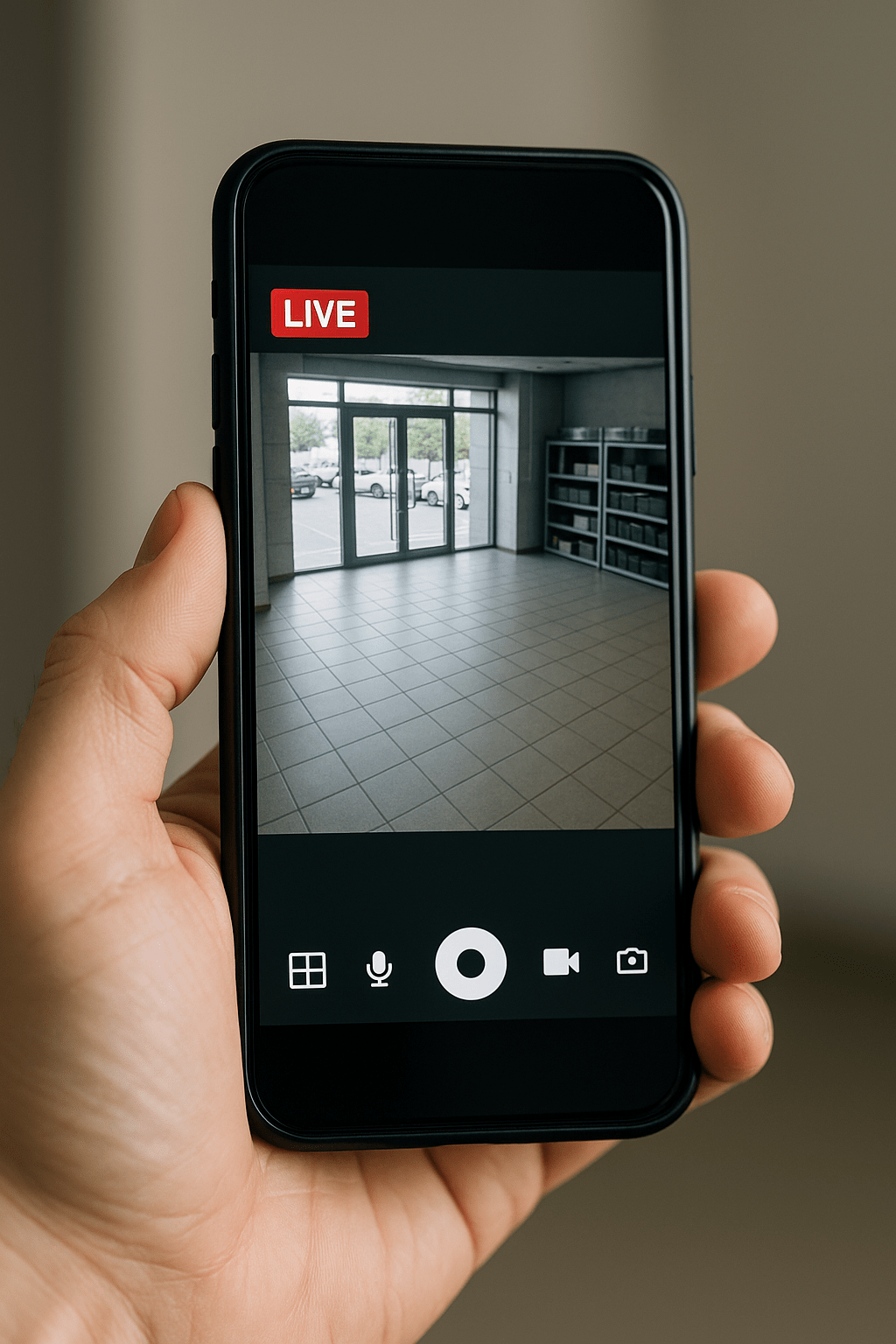
Today’s CCTV systems offer mobile viewing apps that allow you to access live and recorded footage from your smartphone or tablet. This provides business owners and managers with unprecedented visibility into their operations, regardless of their location. You can check in on your business, monitor employee activity, and review security footage from anywhere with an internet connection. Mobile viewing apps also facilitate remote incident management. If an alarm is triggered, you can quickly view the live camera feed to assess the situation and determine the appropriate course of action. Many apps offer features like push notifications, pan-tilt-zoom control, and two-way audio communication.
However, security must be paramount. Ensure that your mobile viewing app is secure and requires strong authentication. Use complex passwords and enable two-factor authentication whenever possible. Regularly update the app to patch security vulnerabilities. Additionally, be mindful of data usage when streaming live video over cellular networks. Consider adjusting video quality settings to minimize bandwidth consumption.
Immediate Response to Alarms and Security Breaches
Coupling remote video monitoring with mobile viewing apps results in an immediate response to alarms and security breaches. When an alarm is triggered, the monitoring center receives an alert and instantly accesses the live camera feed. They can then verify the alarm, assess the situation, and dispatch the appropriate authorities. Simultaneously, you can receive a notification on your mobile device and view the live feed yourself. This dual-layered response ensures that security breaches are addressed promptly and effectively. The combination provides enhanced situational awareness and faster response times.
Example: A retail store using remote video monitoring detected a break-in attempt at 3:00 AM. The monitoring center immediately contacted the police, who arrived on the scene within minutes and apprehended the suspects. The store owner received a notification on their mobile device and was able to view the incident in real-time, providing valuable information to the police. The averted theft saved the store an estimated $10,000 in potential losses.
Future-Proofing Your CCTV Investment: Embracing New Technologies
AI-Powered Video Analytics: Smart Surveillance for Proactive Security
AI-powered video analytics represents the next evolution in CCTV technology. These systems utilize sophisticated algorithms to analyze video footage in real-time and automatically detect suspicious activity, such as loitering, unusual movements, or abandoned objects. Unlike traditional motion detection systems, AI analytics can differentiate between genuine threats and harmless events, such as animals or weather conditions. This significantly reduces false alarms and allows security personnel to focus on legitimate security concerns. Furthermore, AI can be used to proactively identify potential security risks before they escalate into actual incidents.
Selecting the right AI analytics solution depends on your specific needs and the environment in which your CCTV system operates. Consider factors like the accuracy of the algorithms, the types of events that can be detected, and the level of customization offered. Remember to prioritize data privacy and ethical considerations when implementing AI-powered surveillance.
Cloud-Based Video Storage: Secure and Scalable Data Management
Cloud-based video storage offers a secure and scalable solution for managing your CCTV footage. Instead of storing video on local servers, which can be vulnerable to theft or damage, cloud storage provides a centralized and redundant repository for your data. This ensures that your footage is always accessible, even in the event of a physical security breach. Cloud storage also eliminates the need for expensive on-site hardware and reduces the burden of IT maintenance. The scalability of cloud storage allows you to easily adjust your storage capacity as your needs evolve.
When selecting a cloud-based video storage provider, prioritize security and reliability. Ensure that the provider uses encryption to protect your data and has robust data backup and disaster recovery procedures in place. It is important to fully understand the service level agreement (SLA) and verify that they meet your uptime and data retention requirements.
Staying Ahead of Emerging Security Threats and Compliance Requirements
The security landscape is constantly evolving, so it’s crucial to stay ahead of emerging security threats and compliance requirements. Regularly review your security protocols and update your CCTV system as needed. Partner with a reputable security provider that can help you assess your vulnerabilities and implement the latest security technologies. Staying compliant with privacy regulations, such as PIPEDA in Canada, is vital. Understanding your obligations and implementing appropriate data protection measures is a critical component of any business security plan. Regularly consult legal counsel to ensure compliance.
Consider the impact of regulations on data retention policies. For example, footage might need to be stored longer if it contains evidence of a crime, or shorter due to consumer privacy legislation. Ensure your CCTV data retention policies are reviewed annually, especially due to quickly changing security and data protection landscape.
AYS Security Services: Your Partner in Business Security Across the GTA
Implementing a robust CCTV system is a significant investment in your business’s security and liability reduction strategy. Careful planning, professional installation, and ongoing maintenance are essential for maximizing the ROI of your security system. By integrating CCTV with access control, leveraging remote video monitoring, and embracing new technologies like AI analytics and cloud storage, you can create a comprehensive and future-proof security solution.
For businesses in Mississauga, Brampton, and throughout the GTA seeking expert guidance on business security cameras and commercial CCTV systems, AYS Security Services is a valuable resource. Visit www.ayssecurity.ca for information on our security solutions and to schedule a consultation.