
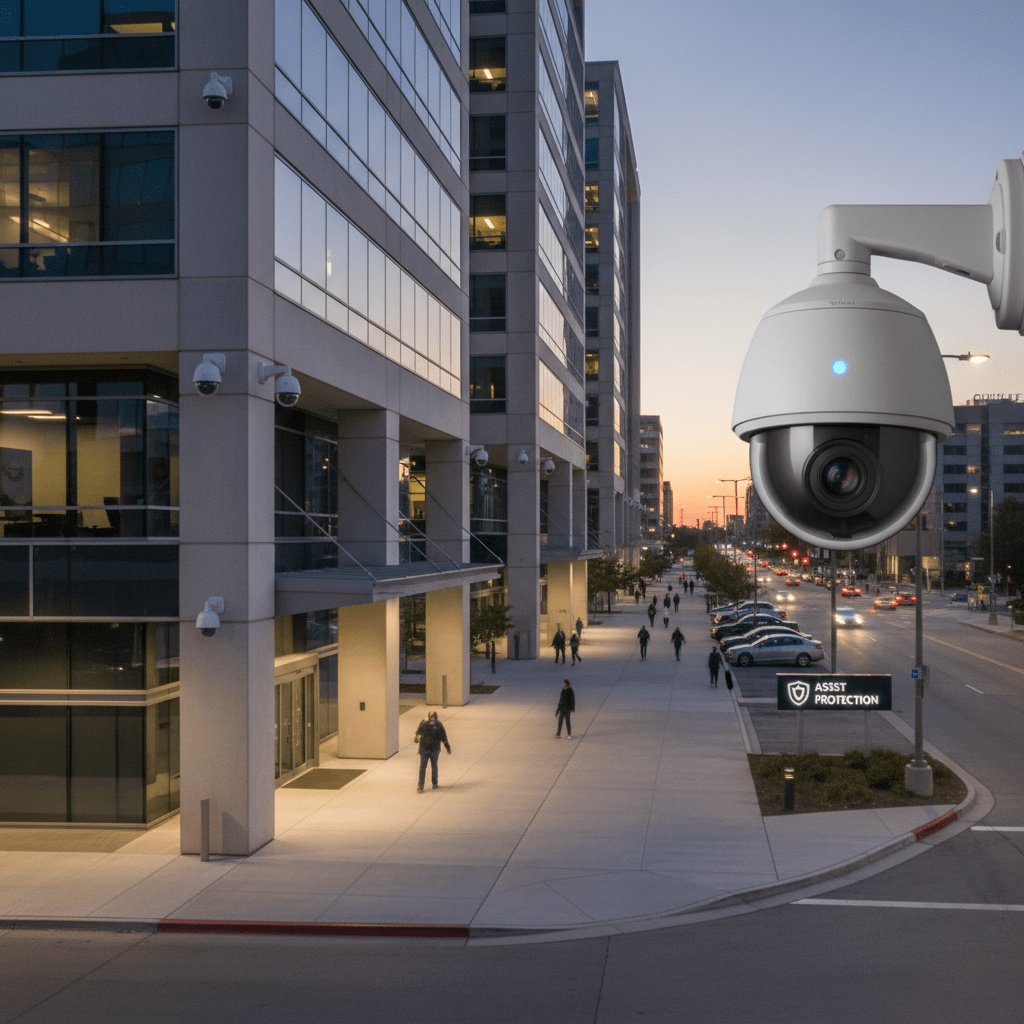
In today’s business environment, security is more than just preventing theft. It’s about mitigating liability, protecting employees and customers, and ensuring operational efficiency. Business security cameras offer a powerful solution for minimizing risk and creating a safer environment. A robust commercial CCTV system acts as a silent witness, providing irrefutable evidence in case of accidents, disputes, or criminal activity.
Investing in a well-designed and professionally installed business security camera system offers substantial return on investment, safeguarding your assets and minimizing exposure to legal and financial repercussions. Let’s explore how security cameras play a crucial role in liability mitigation for businesses in 2026.
Slips, Falls, and Security Breaches: How CCTV Protects Your Business From Liability in 2026
Understanding the Scope of Business Liability
Businesses face a wide range of liability risks, including slip-and-fall accidents, property damage, employee theft, and even security breaches involving customer data. These incidents can lead to costly lawsuits, settlements, and reputational damage. Failing to adequately address security concerns can be construed as negligence, increasing a business’s vulnerability to legal action. For example, if a customer slips and falls on a wet floor in your retail store and there’s no warning sign or documented cleaning procedure, you could be held liable for their injuries. Similarly, inadequate security measures that lead to a data breach could result in significant fines and legal battles.
The Cost of Negligence: Financial and Reputational Impacts
The financial consequences of negligence can be devastating. Settlements, legal fees, and increased insurance premiums can significantly impact a company’s bottom line. But the damage extends beyond finances. Negative publicity surrounding a security breach or a workplace accident can erode customer trust and harm a business’s reputation. In today’s digital age, news spreads rapidly, and online reviews can make or break a company. A proactive approach to security demonstrates a commitment to customer and employee safety, fostering a positive brand image. Ignoring these potential risks is simply not a sustainable business strategy in 2026.
Why Proactive Security Measures are Essential
Proactive security measures, such as installing high-quality commercial CCTV systems, implementing access control systems like scalable access control, and conducting regular security audits, are essential for minimizing liability risks. These measures not only deter criminal activity but also provide crucial evidence in case of incidents. Investing in a commercial CCTV system with a strong ROI sends a clear message to employees and customers that their safety is a priority. Furthermore, comprehensive security protocols can help demonstrate due diligence in the event of a legal claim, potentially reducing liability exposure. Regular maintenance and CCTV system upgrades also ensure optimal performance and evidence quality.
Documenting Incidents and Building a Chain of Evidence with Commercial-Grade Security Systems
High-Resolution Footage: Capturing Crucial Details
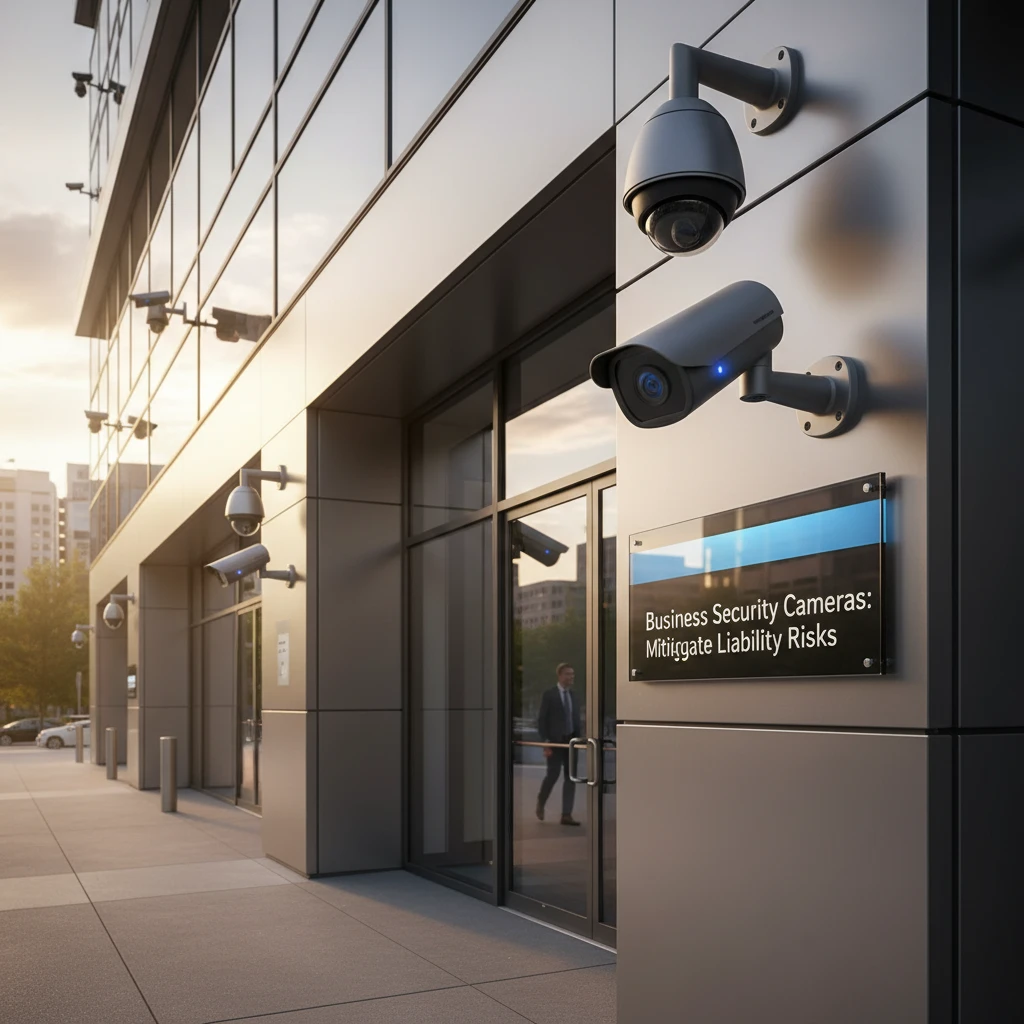
The quality of your security camera footage is paramount. High-resolution cameras, such as those offering 4K or even 8K resolution, capture crucial details that can make a significant difference in resolving disputes or prosecuting criminals. Clear footage allows you to identify individuals involved in an incident, assess the severity of an accident, and determine the sequence of events with greater accuracy. Investing in cameras with wide dynamic range (WDR) and low-light capabilities ensures that you capture usable footage even in challenging lighting conditions. Consider cameras with facial recognition capabilities for enhanced security in sensitive areas.
Time-Stamped Recording: Maintaining Accuracy and Accountability
Time-stamped recordings are essential for maintaining accuracy and accountability. A reliable time-stamping system provides a verifiable record of when an event occurred, eliminating ambiguity and preventing disputes over the timeline of events. Ensure that your security camera system automatically synchronizes with a reliable time server to prevent discrepancies. Regularly audit your system’s time settings to ensure accuracy, especially after power outages or daylight saving time changes. This feature is critical for establishing a solid chain of evidence in any legal proceeding. For multi-location businesses, consider a centralized system to ensure consistent time-stamping across all locations as discussed on this page.
Secure Storage: Protecting the Integrity of Your Data
Secure storage is crucial for protecting the integrity of your security camera footage. Choose a storage solution that offers encryption, access controls, and redundancy to prevent unauthorized access, data loss, or tampering. Cloud-based storage solutions offer scalability and remote accessibility, but it’s essential to choose a reputable provider with robust security measures. On-site network video recorders (NVRs) provide greater control over data storage but require physical security measures to prevent theft or damage. Regularly back up your footage to an off-site location to protect against data loss due to fire, theft, or natural disasters. Properly managed and secured data ensures the admissibility of video evidence in legal proceedings.
Mitigating Employee Theft and Fraudulent Claims with Visible Surveillance
The Deterrent Effect: Reducing Internal Theft
Visible surveillance acts as a powerful deterrent against employee theft. Knowing that their actions are being recorded can discourage employees from engaging in dishonest behavior. Strategically placed cameras in areas where theft is more likely to occur, such as stockrooms, cash registers, and loading docks, can significantly reduce internal losses. However, it’s crucial to inform employees about the presence of security cameras and the purpose of surveillance to avoid creating a hostile work environment. Transparency builds trust and fosters a culture of honesty. Regularly reviewing footage can also help identify potential weaknesses in your security protocols and address them proactively.
Verifying Accidents and Worker’s Compensation Claims
Security cameras can play a vital role in verifying accidents and worker’s compensation claims. Footage can provide objective evidence of how an accident occurred, helping to determine liability and prevent fraudulent claims. For example, if an employee claims to have been injured while lifting a heavy object, security camera footage can confirm whether they followed proper lifting procedures or if the accident was caused by negligence. This evidence can save your company significant amounts of money in fraudulent worker’s compensation payouts. Regularly review safety protocols and use security camera footage to identify and address potential hazards in the workplace.
Protecting Against False Accusations and Lawsuits
Security camera footage can protect your business against false accusations and lawsuits from both employees and customers. For instance, if a customer accuses an employee of misconduct, security camera footage can provide evidence to either support or refute the claim. Similarly, if an employee files a wrongful termination lawsuit, security camera footage can demonstrate the reasons for their dismissal. By providing objective evidence, security cameras can help resolve disputes quickly and fairly, avoiding costly litigation and protecting your company’s reputation. It is crucial to follow all applicable laws regarding employee monitoring and data privacy to avoid legal challenges.
Enhancing Customer Safety and Preventing Accidents in Retail and High-Traffic Areas
Monitoring Customer Flow and Identifying Potential Hazards
Security cameras in retail and high-traffic areas allow you to monitor customer flow and identify potential hazards. By analyzing customer movement patterns, you can optimize store layouts, improve product placement, and reduce congestion. Security cameras can also help identify potential safety hazards, such as spills, obstacles, or areas with poor lighting. Addressing these hazards promptly can prevent accidents and reduce your liability exposure. Consider using analytics software to automate the process of identifying and reporting potential hazards. Regular safety inspections and employee training are also essential for maintaining a safe environment for customers.
Responding Quickly to Accidents and Medical Emergencies
Security cameras enable you to respond quickly to accidents and medical emergencies. Real-time monitoring allows you to detect incidents as they occur and dispatch assistance immediately. Having clear video evidence of an incident assists first responders by informing them of the situation ahead of arrival. This is particularly crucial in areas with limited visibility or high foot traffic. Integration with emergency response systems can further streamline the process of alerting authorities and providing them with essential information. By providing prompt and effective assistance, you can minimize the impact of accidents and medical emergencies, potentially saving lives.
Improving Overall Customer Experience and Security
A visible security camera system can enhance the overall customer experience and security in your business. Customers feel safer and more secure knowing that their well-being is being protected. Security cameras can also deter criminal activity, creating a more pleasant shopping or dining environment. By using security camera footage to identify areas for improvement, you can optimize store layouts, improve customer service, and enhance the overall shopping experience. A well-designed security system demonstrates a commitment to customer safety, fostering loyalty and positive word-of-mouth referrals. Additionally, integrating your Commercial CCTV Brampton systems with remote monitoring can increase security visibility.
Meeting Compliance Requirements and Industry Regulations with AYS Security’s Expertise
Understanding Relevant Privacy Laws and Regulations in Ontario
Navigating the complex landscape of privacy laws in Ontario is crucial for businesses deploying security cameras. Key legislation includes the Personal Information Protection and Electronic Documents Act (PIPEDA), which governs the collection, use, and disclosure of personal information in the course of commercial activities. Furthermore, the Municipal Freedom of Information and Protection of Privacy Act (MFIPPA) may apply if you are working with a municipality or a broader public sector organization. Understanding these acts is paramount to ensure your Commercial CCTV Mississauga installation remains compliant and avoids potential legal repercussions. AYS Security can help you interpret these regulations and integrate best practices into your camera system design, including data retention policies, access controls, and security protocols. Non-compliance can lead to significant fines and reputational damage.
Designing Systems That Adhere to Industry-Specific Standards
Certain industries face unique regulatory requirements related to security and surveillance. For instance, financial institutions and healthcare providers often have stringent guidelines for data protection and video retention. Manufacturing facilities might require cameras with specific certifications for hazardous environments. Retail establishments must adhere to payment card industry (PCI) compliance standards regarding video surveillance of point-of-sale systems. AYS Security has experience designing Commercial CCTV Brampton systems tailored to meet these industry-specific needs. We consider factors like camera resolution, storage capacity, encryption protocols, and access controls to ensure compliance with all applicable regulations. Properly documenting the rationale behind your system design and demonstrating adherence to relevant standards is essential for mitigating liability risks.
Ensuring Proper Signage and Notification Procedures
Transparency is a cornerstone of ethical and legal video surveillance. Clearly visible signage indicating the presence of security cameras is not just a best practice; it’s often a legal requirement. Signs should be placed at all entry points and in areas under surveillance, informing individuals that they are being recorded. The signs should be large enough to be easily seen and include contact information for inquiries. Additionally, establish clear notification procedures for employees and visitors regarding the purpose of the surveillance, how the data will be used, and who has access to it. AYS Security can advise you on the appropriate signage and help you develop comprehensive notification policies to ensure full transparency and compliance with privacy regulations. Failure to provide adequate notice can invalidate the admissibility of video evidence in legal proceedings.
Strategic Camera Placement: Optimizing Coverage and Eliminating Blind Spots for Maximum Liability Protection
Entry and Exit Points: Preventing Unauthorized Access
Securing entry and exit points is critical for preventing unauthorized access and mitigating liability. High-resolution cameras with wide dynamic range (WDR) should be strategically positioned to capture clear images of individuals entering and exiting the premises, even in challenging lighting conditions. Consider using cameras with license plate recognition (LPR) capabilities to automatically identify vehicles entering your property. Ensure that camera placement accounts for potential obstructions, such as landscaping or signage. Implement redundant camera coverage to eliminate blind spots and provide comprehensive surveillance of these vulnerable areas. Regularly review camera footage to identify potential security breaches and improve your security protocols. The objective is to create a visible deterrent and provide irrefutable evidence in case of incidents. A Business Security Cameras: Expert Installation should optimize these areas.
High-Risk Areas: Focusing on Critical Zones
Identify and prioritize high-risk areas within your business premises for enhanced surveillance. These areas may include cash handling locations, inventory storage rooms, loading docks, data centers, and areas with a history of security incidents. Utilize cameras with pan-tilt-zoom (PTZ) functionality to provide flexible coverage of these critical zones. Consider integrating motion detectors and other sensors to trigger camera recording and alert security personnel to potential threats. Implement access control systems to restrict access to sensitive areas and monitor employee movements. Regularly assess the effectiveness of your surveillance system in these high-risk areas and adjust camera placement as needed to address emerging threats. Investing in robust security measures for high-risk areas is essential for minimizing liability and protecting your assets.
Perimeter Security: Protecting Your Entire Property
Extending security coverage to the perimeter of your property is crucial for preventing intrusion and detecting suspicious activity before it escalates. Deploy outdoor-rated cameras with infrared (IR) illuminators to provide clear images in low-light conditions. Consider using video analytics to detect perimeter breaches, such as fence climbing or unauthorized entry. Integrate your camera system with perimeter alarms to provide an early warning of potential threats. Regularly inspect your perimeter fencing and landscaping to identify and address potential vulnerabilities. Ensure that your perimeter security measures comply with local regulations and do not infringe on neighboring properties. Effective perimeter security acts as a proactive deterrent and significantly reduces the risk of property damage, theft, and personal injury. For multi-location businesses, perimeter security is especially critical, and a Commercial Security Cameras: Secure Multi-Location Businesses solution is recommended.
Beyond Recording: Integrating CCTV with Access Control and Alarm Systems for Comprehensive Security
Synergistic Security: Combining Technologies for Enhanced Protection
Stand-alone CCTV systems offer a degree of protection, but integrating them with access control and alarm systems creates a synergistic effect, significantly enhancing overall security. When an alarm is triggered (e.g., a door forced open), the CCTV system can automatically zoom in and record the affected area, providing visual verification of the event. Access control systems, such as keycard readers or biometric scanners, can be integrated with CCTV to track employee movements and restrict access to sensitive areas. This integrated approach provides a more comprehensive and proactive security posture, allowing for faster response times and improved incident investigation. Consider a warehouse where unauthorized access attempts at a loading dock trigger an alarm and simultaneously activate nearby CCTV cameras, capturing detailed footage of the event and alerting security personnel.
Automated Responses: Triggering Alarms and Notifications Based on Events
Modern CCTV systems are capable of much more than just recording footage. Advanced video analytics can be used to detect specific events, such as motion in restricted areas, unusual loitering, or the presence of abandoned objects. When such an event is detected, the system can automatically trigger alarms, send notifications to security personnel, or even lock down doors. This automated response capability allows for a more proactive and efficient security operation, minimizing the need for constant human monitoring. For example, in a retail setting, a camera could be programmed to detect when a customer spends an unusually long time near a high-value display case, triggering an alert to store staff. This allows for prompt intervention and reduces the risk of theft.
Centralized Management: Streamlining Security Operations
Managing multiple security systems can be complex and time-consuming. A centralized management platform allows you to control and monitor your CCTV, access control, and alarm systems from a single interface. This streamlines security operations, improves situational awareness, and reduces the risk of human error. A centralized system also facilitates easier reporting and analysis, allowing you to identify trends, assess the effectiveness of your security measures, and make data-driven improvements. AYS Security provides centralized management solutions that integrate seamlessly with leading security technologies, ensuring a unified and efficient security operation. This allows for faster response times, improved incident management, and a lower total cost of ownership. Centralized management is especially useful for businesses with multiple locations, offering a single pane of glass view of security across the entire organization.
The ROI of Business Security Cameras: Quantifying the Financial Benefits of Liability Reduction
Reduced Insurance Premiums: Lowering Your Operating Costs
Investing in a comprehensive business security camera system can lead to a significant reduction in insurance premiums. Insurance providers often offer discounts to businesses that demonstrate a commitment to security and risk mitigation. A well-designed CCTV system, coupled with access control and alarm systems, provides tangible evidence of your efforts to protect your assets and minimize liability. Presenting detailed documentation of your security measures to your insurance provider can result in substantial savings on your annual premiums. This is because a robust security system reduces the likelihood of theft, vandalism, and other incidents that can lead to costly insurance claims. For example, a warehouse implementing a comprehensive security camera system with remote monitoring might see a 10-20% reduction in their property insurance premiums. This contributes directly to the ROI of your security investment.
Minimized Litigation Expenses: Avoiding Costly Lawsuits
One of the most significant financial benefits of business security cameras is the reduction in litigation expenses. Video evidence can be invaluable in defending against false claims, resolving disputes, and proving liability in the event of an accident or injury on your premises. Clear and irrefutable video footage can quickly exonerate your business from unwarranted lawsuits, saving you significant legal fees and potential damages. For instance, if a customer claims to have slipped and fallen in your store, video evidence can either confirm or refute their claim, potentially avoiding a costly settlement. By proactively mitigating risks and documenting incidents with video surveillance, you can significantly reduce your exposure to litigation and protect your bottom line. Remember to consult legal counsel to ensure your video surveillance practices comply with all applicable laws and regulations.
Improved Operational Efficiency: Optimizing Your Business Processes
Beyond security and liability reduction, business security cameras can also contribute to improved operational efficiency. Video surveillance can be used to monitor employee performance, identify bottlenecks in your processes, and optimize workflow. For example, in a manufacturing facility, cameras can be used to track the movement of materials, identify inefficiencies in the production line, and ensure that employees are following safety protocols. In a retail setting, cameras can be used to monitor customer traffic patterns, optimize store layout, and identify areas where service can be improved. By leveraging video surveillance data to gain insights into your business operations, you can make data-driven decisions that improve efficiency, reduce waste, and increase profitability. The Commercial CCTV Mississauga: ROI-Driven Security is amplified by improving operational efficiency.
Meeting Compliance Requirements and Industry Regulations with AYS Security’s Expertise
Navigating the complex landscape of privacy laws and industry regulations can be daunting for any business. AYS Security can help you design and implement security camera systems that not only protect your business but also comply with all applicable legal requirements. Failure to comply with these regulations can result in hefty fines, legal liabilities, and reputational damage.
Understanding Relevant Privacy Laws and Regulations in Ontario
In Ontario, the Information and Privacy Commissioner of Ontario (IPC) sets the standards for privacy protection. Businesses must adhere to the Personal Information Protection and Electronic Documents Act (PIPEDA) and other relevant legislation. This includes obtaining consent for collecting personal information through video surveillance, limiting the collection of information to what is necessary, and ensuring the security and confidentiality of the collected data. AYS Security will work with you to understand these requirements and implement systems that comply with all applicable laws.
Designing Systems That Adhere to Industry-Specific Standards
Certain industries have specific security requirements and regulations that must be followed. For example, the healthcare industry is subject to Personal Health Information Protection Act (PHIPA), which places strict requirements on the collection, use, and disclosure of personal health information. Similarly, financial institutions must comply with regulations related to data security and fraud prevention. AYS Security has experience working with businesses in various industries and can design security camera systems that meet your specific compliance needs.
Ensuring Proper Signage and Notification Procedures
One of the key requirements for compliant video surveillance is providing clear and conspicuous signage to inform individuals that they are being recorded. This signage must be placed in visible locations and must clearly indicate the purpose of the surveillance. Additionally, businesses must have procedures in place to respond to requests for access to personal information collected through video surveillance. AYS Security can provide guidance on proper signage and notification procedures to ensure compliance with privacy laws.
Strategic Camera Placement: Optimizing Coverage and Eliminating Blind Spots for Maximum Liability Protection
Strategic camera placement is crucial for maximizing the effectiveness of your business security system and minimizing liability. A poorly designed system with blind spots can leave your business vulnerable to security breaches and legal claims. AYS Security’s experts can assess your property and recommend optimal camera placement to ensure comprehensive coverage and eliminate any potential weaknesses.
Entry and Exit Points: Preventing Unauthorized Access
Entry and exit points are prime targets for unauthorized access and theft. Cameras should be strategically placed to monitor all entrances and exits, capturing clear footage of individuals entering and leaving the premises. This can help deter criminal activity and provide valuable evidence in the event of a security breach. Consider using cameras with license plate recognition capabilities to track vehicles entering and leaving your property.
High-Risk Areas: Focusing on Critical Zones
Certain areas of your business may be at higher risk for theft, vandalism, or accidents. These areas should be given priority when planning your camera placement. For example, cash registers, inventory storage areas, and loading docks are all potential targets for criminal activity. Additionally, areas with a high risk of accidents, such as slippery floors or hazardous equipment, should be monitored to ensure safety and prevent liability claims.
Perimeter Security: Protecting Your Entire Property
Protecting the perimeter of your property is essential for preventing unauthorized access and deterring criminal activity. Cameras should be placed along the property line to monitor fences, gates, and other access points. Consider using cameras with infrared capabilities for nighttime surveillance and motion detection to alert you to any suspicious activity. A well-designed perimeter security system can provide an early warning of potential threats and allow you to take proactive measures to protect your business.
Beyond Recording: Integrating CCTV with Access Control and Alarm Systems for Comprehensive Security
While security cameras are a valuable tool for protecting your business, they are even more effective when integrated with other security systems. Combining CCTV with access control and alarm systems creates a comprehensive security solution that provides enhanced protection and streamlined operations. AYS Security can design and implement integrated security systems that meet your specific needs and budget.
Synergistic Security: Combining Technologies for Enhanced Protection
Integrating CCTV with access control systems allows you to control who enters your premises and monitor their movements. Access control systems can use key cards, biometric scanners, or other methods to restrict access to authorized personnel only. When integrated with CCTV, you can visually verify the identity of individuals entering your building and track their movements throughout the premises. This can help prevent unauthorized access and provide valuable evidence in the event of a security breach.
Automated Responses: Triggering Alarms and Notifications Based on Events
Integrating CCTV with alarm systems allows you to automate your security response. For example, if a motion detector is triggered in a restricted area, the CCTV system can automatically zoom in on the area and send an alert to your security team. This allows you to quickly assess the situation and take appropriate action. Additionally, integrating CCTV with alarm systems can help reduce false alarms by providing visual verification of the cause of the alarm.
Centralized Management: Streamlining Security Operations
Integrating all of your security systems into a centralized management platform allows you to streamline your security operations and improve efficiency. A centralized platform allows you to monitor all of your cameras, access control systems, and alarm systems from a single interface. This makes it easier to manage your security and respond to incidents quickly and effectively. AYS Security can provide you with a user-friendly centralized management platform that meets your specific needs.
Meeting Compliance Requirements and Industry Regulations with AYS Security’s Expertise
Installing and operating security cameras requires adherence to various compliance requirements and industry regulations. Navigating these regulations can be complex, but AYS Security has the expertise to ensure that your CCTV system meets all applicable standards. We can help you understand your obligations and design a system that is both effective and compliant.
Understanding Relevant Privacy Laws and Regulations in Ontario
Ontario has specific privacy laws that govern the use of security cameras. These laws dictate how you can collect, use, and disclose personal information obtained through CCTV systems. AYS Security can help you understand these laws and implement policies and procedures to ensure compliance. We’ll work with you to develop a privacy policy that is tailored to your specific business needs and that meets the requirements of the law.
Designing Systems That Adhere to Industry-Specific Standards
Certain industries have specific standards and regulations regarding the use of security cameras. For example, financial institutions and healthcare providers may have stricter requirements than other businesses. AYS Security has experience working with businesses in a variety of industries and can design CCTV systems that meet the specific requirements of your industry. We stay up-to-date on the latest regulations and best practices to ensure that your system is always compliant.
Ensuring Proper Signage and Notification Procedures
In Ontario, it’s generally required to have proper signage indicating that security cameras are in use. These signs must be clearly visible and must inform individuals that they are being recorded. AYS Security can advise you on the appropriate signage requirements and help you design and install signs that meet these requirements. We can also help you develop notification procedures to inform employees and visitors about your CCTV system.
Strategic Camera Placement: Optimizing Coverage and Eliminating Blind Spots for Maximum Liability Protection
Strategic camera placement is essential for maximizing the effectiveness of your CCTV system and minimizing liability. Proper placement ensures comprehensive coverage, eliminates blind spots, and provides clear and usable footage in the event of an incident. AYS Security’s experienced technicians can assess your property and recommend the optimal camera locations to meet your specific needs.
Entry and Exit Points: Preventing Unauthorized Access
Entry and exit points are critical areas to monitor with security cameras. These cameras can deter unauthorized access, capture footage of individuals entering and exiting your premises, and provide valuable evidence in the event of a break-in or theft. AYS Security can help you select the right cameras for your entry and exit points and ensure that they are positioned to capture clear images of faces and license plates.
High-Risk Areas: Focusing on Critical Zones
High-risk areas, such as cash registers, inventory storage areas, and loading docks, require extra attention. These areas are more susceptible to theft and vandalism, so it is important to have adequate camera coverage in these locations. AYS Security can help you identify the high-risk areas on your property and recommend the appropriate cameras and placement to provide optimal security. We can also integrate these cameras with other security systems, such as alarm systems, to provide an extra layer of protection.
Perimeter Security: Protecting Your Entire Property
Perimeter security is essential for protecting your entire property from unauthorized access. Cameras placed along your property line can deter trespassers, detect suspicious activity, and provide an early warning of potential threats. AYS Security can help you design a perimeter security system that utilizes a combination of cameras, sensors, and other security devices to provide comprehensive protection for your entire property. We can also integrate your perimeter security system with your other security systems for centralized management and control.
The ROI of Business Security Cameras: Quantifying the Financial Benefits of Liability Reduction
Investing in business security cameras is not just about security; it’s also a smart financial decision. By reducing liability, preventing theft, and improving operational efficiency, security cameras can provide a significant return on investment. AYS Security can help you quantify the financial benefits of a CCTV system and demonstrate how it can contribute to your bottom line.
Reduced Insurance Premiums: Lowering Your Operating Costs
Many insurance companies offer discounts to businesses that have security cameras installed. By reducing the risk of theft, vandalism, and liability claims, security cameras can help you lower your insurance premiums and reduce your overall operating costs. AYS Security can provide you with documentation to show your insurance company that you have a professionally installed and maintained CCTV system, which can help you qualify for discounts.
Minimized Litigation Expenses: Avoiding Costly Lawsuits
Security cameras can provide valuable evidence in the event of an accident or incident on your property. This evidence can help you defend against liability claims and avoid costly lawsuits. AYS Security can help you design a CCTV system that captures clear and reliable footage that can be used as evidence in court. We can also provide you with training on how to properly store and manage your video footage to ensure its admissibility in court.
Improved Operational Efficiency: Optimizing Your Business Processes
Security cameras can also be used to improve operational efficiency. By monitoring employee performance, tracking inventory, and identifying bottlenecks in your business processes, security cameras can help you optimize your operations and improve productivity. AYS Security can help you integrate your CCTV system with your other business systems to provide valuable insights into your business operations. For example, you can use security cameras to monitor customer traffic patterns, track employee productivity, or identify areas where you can improve efficiency.
Alternatives to Comprehensive CCTV Systems (and When to Choose Them)
While comprehensive CCTV systems offer the most robust security and liability mitigation, they are not always the best fit for every business scenario. Several alternatives exist, each with its own strengths and weaknesses. The right choice depends on budget, risk tolerance, and specific business needs. Consider the scale of your operation, the value of assets being protected, and the level of detail required for incident investigation.
Hiring Additional Security Personnel: Pros and Cons
Hiring security guards offers a visible deterrent and immediate response capabilities. Security personnel can actively patrol the premises, respond to alarms, and interact with employees and customers. However, this option is often the most expensive. Ongoing salary, benefits, training, and potential liability issues contribute to significant operational costs. Furthermore, the effectiveness of security personnel can vary depending on their training, experience, and vigilance. Human error is always a factor. For instance, a large warehouse might benefit from security personnel at entry/exit points but supplementing this with warehouse security cameras is crucial for comprehensive coverage of aisles and storage areas where guards cannot be present at all times.
Basic Alarm Systems: Limitations in Incident Documentation
Basic alarm systems, while more affordable than CCTV or security personnel, primarily offer reactive protection. They alert authorities to potential breaches but provide limited insight into the events leading up to the alarm. Without video verification, false alarms can be frequent, leading to wasted resources and potential fines. Furthermore, alarm systems do not provide visual evidence for investigations or liability claims. For example, if a customer claims to have slipped and fallen in your store, an alarm system will be of no help in verifying the incident. A well-placed commercial CCTV system would provide visual evidence to support or refute the claim.
DIY Security Solutions: Risks and Considerations for Businesses
DIY security solutions may seem attractive due to their lower upfront costs. However, for businesses, they often present significant risks. These systems typically lack the robustness, scalability, and professional installation required for commercial environments. Integration with other security systems, such as access control, can be challenging. Moreover, DIY systems often lack the advanced features of professional systems, such as remote monitoring, cloud storage, and advanced analytics. A critical pitfall is the lack of expert installation, leading to blind spots, poor image quality, and system vulnerabilities. Consider the long-term costs of potential security breaches and the value of professional expertise before opting for a DIY approach. Before selecting a brand, it is advisable to conduct a thorough evaluation based on factors such as features, integration options, and maintenance support.
Selecting the Right Security Camera System for Your Business: Key Considerations for 2026
Choosing the right security camera system requires careful consideration of various factors to ensure it effectively meets your business’s unique security needs in 2026. Technological advancements continue to reshape the security landscape, so it is imperative to stay informed about the latest innovations. Key considerations include camera type, resolution, field of view, night vision capabilities, and storage options. A thorough assessment of your property layout, potential vulnerabilities, and budget is essential for making an informed decision.
Choosing Between Analog, IP, and Wireless Systems
Analog systems are the oldest and generally the least expensive option. However, their image quality is significantly lower than IP systems, and they lack advanced features. IP systems offer superior image quality, scalability, and integration capabilities. They use network infrastructure for data transmission, allowing for remote viewing and management. Wireless systems offer flexibility in installation but can be susceptible to interference and security vulnerabilities if not properly configured. Consider the existing infrastructure of your building. If you are upgrading an older analog system, consider a CCTV system upgrade to IP technology to leverage improved image quality and advanced features. Also, consider Business Security Cameras: Expert Installation
Understanding Lens Types, Resolution, and Field of View
Lens type significantly affects the image quality and field of view. Fixed lenses offer a set field of view, while varifocal lenses allow you to adjust the zoom and focus. Resolution determines the level of detail captured in the image. Higher resolution cameras provide clearer images, making it easier to identify individuals and objects. Field of view refers to the area covered by the camera. Wider fields of view are suitable for monitoring large areas, while narrower fields of view are better for focusing on specific points of interest. For example, a wide-angle lens might be appropriate for a parking lot, while a telephoto lens would be useful for reading license plates at a distance. Consider the specific needs of each location when selecting lens type, resolution, and field of view. [TBD: add example re: warehouses]
Evaluating Night Vision Capabilities and Low-Light Performance
Night vision capabilities are crucial for 24/7 surveillance. Infrared (IR) cameras use infrared light to illuminate the scene in low-light conditions. The range and effectiveness of IR cameras vary depending on the model. Some cameras offer enhanced low-light performance using technologies like starlight sensors, which capture color images even in very low light. Consider the lighting conditions of your property when selecting cameras with appropriate night vision capabilities. For areas with minimal ambient light, high-powered IR cameras are essential. For areas with some existing light, starlight cameras may provide superior image quality.
Partnering with AYS Security Services for Professional CCTV Installation and Ongoing Maintenance in the GTA
Choosing the right security camera system is only half the battle. Proper installation and ongoing maintenance are critical for ensuring optimal performance and reliability. AYS Security Services offers comprehensive solutions, including expert system design, professional installation, and ongoing maintenance and support, all tailored to meet the unique needs of businesses in the Greater Toronto Area.
Expert System Design: Tailoring Solutions to Your Specific Needs
Our team of experienced security professionals will work closely with you to assess your property, identify potential vulnerabilities, and design a custom CCTV system that meets your specific requirements. We consider factors such as camera placement, lens selection, resolution, and storage capacity to ensure optimal coverage and performance. We also take into account any specific compliance requirements that your business may need to adhere to. We are familiar with local bylaws and regulations concerning surveillance systems. Consider factors like the type of business, the physical layout of the building, high-risk areas, and any past security incidents. For example, a retail store will have different needs than a manufacturing facility. A well-designed CCTV system minimizes blind spots and maximizes the effectiveness of your security investment.
Professional Installation: Ensuring Optimal Performance and Reliability
Our certified technicians have years of experience installing and configuring CCTV systems for businesses of all sizes. We use industry-best practices to ensure that your system is installed correctly and operates flawlessly. This includes proper cable management, camera positioning, and network configuration. We also provide thorough training on how to use the system and access recorded footage. Proper installation is critical for maximizing the lifespan and performance of your security camera system. A poorly installed system can be prone to failures, blind spots, and security vulnerabilities. For example, incorrect camera placement can result in missed incidents or obstructed views.
Ongoing Maintenance and Support: Maximizing Your Investment
We offer comprehensive maintenance and support plans to ensure that your CCTV system continues to operate at peak performance. Our services include regular system checks, software updates, and prompt response to any technical issues. We also offer remote monitoring services, allowing us to proactively identify and address potential problems before they impact your security. Regular maintenance is essential for preventing costly repairs and ensuring that your system is always ready to capture critical events. Consider a service level agreement (SLA) that outlines response times and resolution procedures for technical issues. Without proper maintenance, camera lenses can become dirty, cables can degrade, and software can become outdated, all of which can compromise the effectiveness of your security system.
Next Steps: Schedule a Free Consultation to Assess Your Business Security Needs in Mississauga, Brampton, and Beyond.
Securing your business is an ongoing process, and the first step is understanding your unique vulnerabilities. AYS Security Services offers free consultations to businesses in Mississauga, Brampton, Milton, Oakville, Georgetown, Acton, and Guelph. Our experts will assess your current security measures and recommend solutions to mitigate liability risks and protect your assets. Contact us today to schedule your free consultation and take proactive steps towards a safer and more secure business environment. We are committed to providing reliable and cost-effective Commercial CCTV Brampton: Expert System Design & Install and services.
Alternatives to Comprehensive CCTV Systems (and When to Choose Them)
While a comprehensive CCTV system offers the most robust security coverage, alternative solutions may be suitable depending on your specific needs and budget. These alternatives often complement a CCTV system, but rarely replace a complete system.
Hiring Additional Security Personnel: Pros and Cons
Hiring security guards can provide a visible deterrent and immediate response to security threats. However, this option can be significantly more expensive than a CCTV system, especially for 24/7 coverage. Security personnel can also be subject to human error and may not be able to monitor multiple areas simultaneously. In some cases, security personnel and CCTV systems can complement each other.
Basic Alarm Systems: Limitations in Incident Documentation
Alarm systems can alert you to intrusions and unauthorized access, but they typically lack the visual evidence needed to identify perpetrators and understand the context of the incident. Without video footage, it can be difficult to provide law enforcement with the information they need to investigate and prosecute criminals. Alarm systems may be triggered by user error. Consider integrating your alarm system with a CCTV system for enhanced security.
DIY Security Solutions: Risks and Considerations for Businesses
DIY security systems may seem like a cost-effective option, but they often lack the features and reliability of professional-grade systems. These systems may also be vulnerable to hacking and may not provide adequate coverage for larger commercial properties. Furthermore, DIY installation can be challenging and may result in a system that is not properly configured or optimized. Businesses should carefully consider the risks and limitations of DIY security solutions before making a decision.
Selecting the Right Security Camera System for Your Business: Key Considerations for 2026
Choosing the right security camera system requires careful consideration of several factors, including your budget, security needs, and the specific characteristics of your property. As technology evolves, it’s important to stay informed about the latest advancements and trends in the CCTV industry. Consider these factors when selecting a system for 2026.
Choosing Between Analog, IP, and Wireless Systems
Analog systems are the oldest and most basic type of CCTV system. They are typically less expensive than IP systems, but they offer lower image quality and fewer features. IP systems use digital technology to transmit video over a network, providing higher resolution, greater flexibility, and advanced features such as remote access and analytics. Wireless systems offer easy installation, but can be prone to interference and security vulnerabilities. Consider the pros and cons of each type of system before making a decision. For most business applications, IP systems offer the best balance of performance, features, and security.
Understanding Lens Types, Resolution, and Field of View
The lens, resolution, and field of view of a security camera are critical factors that determine the quality and effectiveness of the video footage. Different lens types, such as varifocal, fisheye, and fixed lenses, offer different perspectives and capabilities. Higher resolution cameras, such as 4K or 8K, provide sharper and more detailed images. The field of view determines how much area the camera can cover. Choose a camera with the appropriate lens, resolution, and field of view for your specific needs. For example, a wide-angle lens may be suitable for monitoring a large parking lot, while a telephoto lens may be needed to capture details at a distance. Consult with AYS Security experts to select the best options for your situation.
Evaluating Night Vision Capabilities and Low-Light Performance
Many security incidents occur at night or in low-light conditions, so it’s important to choose cameras with good night vision capabilities and low-light performance. Cameras with infrared (IR) illuminators can capture clear images in complete darkness, while cameras with starlight technology can produce color images in low-light conditions. Consider the lighting conditions at your property when selecting cameras with appropriate night vision and low-light performance. Consider the effective range of IR illuminators. Check the minimum lux rating.
Partnering with AYS Security Services for Professional CCTV Installation and Ongoing Maintenance in the GTA
AYS Security Services is a trusted provider of CCTV solutions for businesses in Mississauga, Brampton, and throughout the GTA. We offer a comprehensive range of services, from system design and installation to ongoing maintenance and support. Our experienced technicians are committed to providing reliable and cost-effective security solutions that meet the unique needs of your business.
Expert System Design: Tailoring Solutions to Your Specific Needs
Our expert team will work closely with you to design a CCTV system that is tailored to your specific needs and budget. We will assess your property, identify potential security vulnerabilities, and recommend the right cameras, recorders, and software to meet your requirements. Our goal is to provide you with a security solution that is effective, reliable, and easy to use. We provide a detailed proposal outlining the system components, installation process, and ongoing maintenance requirements. We consider factors such as building layout, lighting conditions, and potential blind spots when designing your system.
Professional Installation: Ensuring Optimal Performance and Reliability
Our certified technicians have years of experience installing and configuring CCTV systems for businesses of all sizes. We use industry-best practices to ensure that your system is installed correctly and operates flawlessly. This includes proper cable management, camera positioning, and network configuration. We also provide thorough training on how to use the system and access recorded footage. Proper installation is critical for maximizing the lifespan and performance of your security camera system. A poorly installed system can be prone to failures, blind spots, and security vulnerabilities. For example, incorrect camera placement can result in missed incidents or obstructed views.
Ongoing Maintenance and Support: Maximizing Your Investment
We offer comprehensive maintenance and support plans to ensure that your CCTV system continues to operate at peak performance. Our services include regular system checks, software updates, and prompt response to any technical issues. We also offer remote monitoring services, allowing us to proactively identify and address potential problems before they impact your security. Regular maintenance is essential for preventing costly repairs and ensuring that your system is always ready to capture critical events. Consider a service level agreement (SLA) that outlines response times and resolution procedures for technical issues. Without proper maintenance, camera lenses can become dirty, cables can degrade, and software can become outdated, all of which can compromise the effectiveness of your security system.
Next Steps: Schedule a Free Consultation to Assess Your Business Security Needs in Mississauga, Brampton, and Beyond.
Securing your business is an ongoing process, and the first step is understanding your unique vulnerabilities. AYS Security Services offers free consultations to businesses in Mississauga, Brampton, Milton, Oakville, Georgetown, Acton, and Guelph. Our experts will assess your current security measures and recommend solutions to mitigate liability risks and protect your assets. Contact us today to schedule your free consultation and take proactive steps towards a safer and more secure business environment. We are committed to providing reliable and cost-effective Commercial CCTV Brampton: Expert System Design & Install and services.
Alternatives to Comprehensive CCTV Systems (and When to Choose Them)
While comprehensive CCTV systems offer unparalleled security and peace of mind, they may not always be the most suitable solution for every business. It’s essential to consider alternative security measures and understand when they might be a better fit. Here are some common alternatives:
Hiring Additional Security Personnel: Pros and Cons
Employing security guards can provide a visible deterrent and a physical presence to respond to incidents. However, it’s crucial to weigh the costs, training requirements, and potential limitations. Security personnel are susceptible to human error and may not be able to monitor multiple areas simultaneously. Also, documenting incidents can be challenging without supporting technology.
Basic Alarm Systems: Limitations in Incident Documentation
Alarm systems can alert you to unauthorized entry or suspicious activity, but they typically lack the visual evidence needed for effective investigation and prosecution. While alarms can deter some criminals, they don’t provide the comprehensive monitoring capabilities of a CCTV system. Basic systems also don’t offer features like remote access or real-time viewing.
DIY Security Solutions: Risks and Considerations for Businesses
DIY security solutions may seem appealing due to their lower upfront costs, but they often lack the professional installation, customization, and ongoing support of a professionally installed CCTV system. DIY systems may also be more vulnerable to hacking or tampering, posing a significant risk to your business’s security. Furthermore, DIY solutions often lack the scalability and integration capabilities required for growing businesses.
Selecting the Right Security Camera System for Your Business: Key Considerations for 2026
Choosing the right CCTV system requires careful consideration of various factors, including your business’s specific needs, budget, and security goals. Here are some key considerations to keep in mind when selecting a system in 2026:
Choosing Between Analog, IP, and Wireless Systems
Analog systems are the most traditional option, offering basic functionality at a lower cost. IP (Internet Protocol) systems provide higher resolution, advanced features, and remote access capabilities. Wireless systems offer flexibility and ease of installation, but may be susceptible to interference or hacking. Evaluate the pros and cons of each type to determine which best suits your requirements.
Understanding Lens Types, Resolution, and Field of View
The lens type affects the image quality and viewing angle of the camera. Resolution determines the clarity and detail of the recorded footage. Field of view determines the area covered by the camera. Consider these factors carefully to ensure that your cameras capture the necessary details and provide adequate coverage of your premises. Different lenses are designed for different purposes, such as wide-angle views or zoomed-in close-ups.
Evaluating Night Vision Capabilities and Low-Light Performance
Night vision is essential for round-the-clock security. Evaluate the camera’s ability to capture clear images in low-light conditions. Infrared (IR) cameras are a common choice for night vision, but their effectiveness can vary depending on the environment and the quality of the camera. Consider cameras with starlight technology for enhanced low-light performance.
Partnering with AYS Security Services for Professional CCTV Installation and Ongoing Maintenance in the GTA
Partnering with a reputable security company like AYS Security Services ensures that your CCTV system is designed, installed, and maintained to the highest standards. We offer a comprehensive range of services to meet the unique needs of businesses in the Greater Toronto Area (GTA):
Expert System Design: Tailoring Solutions to Your Specific Needs
Our team of experts will work closely with you to understand your business’s specific security risks and vulnerabilities. We will then design a custom CCTV system that addresses your unique needs and provides comprehensive coverage of your premises. This includes selecting the right cameras, placement, and recording equipment to maximize effectiveness.
Professional Installation: Ensuring Optimal Performance and Reliability
Our certified technicians have years of experience installing and configuring CCTV systems for businesses of all sizes. We use industry-best practices to ensure that your system is installed correctly and operates flawlessly. This includes proper cable management, camera positioning, and network configuration. We also provide thorough training on how to use the system and access recorded footage.
Ongoing Maintenance and Support: Maximizing Your Investment
We offer comprehensive maintenance and support plans to ensure that your CCTV system continues to operate at peak performance. Our services include regular system checks, software updates, and prompt response to any technical issues. We also offer remote monitoring services, allowing us to proactively identify and address potential problems before they impact your security.