Strategic surveillance systems offer more than just a reactive measure; they are powerful tools for risk mitigation, providing invaluable insights and deterrence. This guide explores how to leverage cutting-edge CCTV technology to fortify your enterprise and navigate the complexities of modern business security.
Fortify Your Enterprise: Proactive Risk Mitigation with Advanced Commercial Security Cameras in 2026
The current business climate of 2026 demands robust security measures to counter evolving risks. Advanced commercial security cameras offer a sophisticated solution for businesses seeking to not only deter threats but also to gather critical evidence and enhance operational oversight. Investing in high-quality surveillance is a proactive strategy that directly contributes to liability reduction and the prevention of financial losses, thereby bolstering overall business resilience. These systems are designed to provide clear, actionable intelligence, enabling quicker responses to incidents and improving overall safety protocols.
The decision to deploy or upgrade a CCTV system should be guided by a thorough understanding of potential threats and business objectives. This includes considering factors like the type of business, its location, and the specific vulnerabilities it faces. For instance, a retail environment might prioritize cameras that can identify customers and monitor transactions, while a warehouse might need rugged cameras capable of withstanding harsh conditions and monitoring large, open spaces. A well-designed system acts as a constant, vigilant observer, providing peace of mind and a tangible return on investment through loss prevention and improved accountability.
The Evolving Threat Landscape for Canadian Businesses
Canadian businesses in 2026 face a complex and evolving threat landscape. Beyond traditional concerns like theft and vandalism, new challenges have emerged. Cyber threats targeting surveillance systems themselves are a growing risk, necessitating secure network configurations and regular software updates. Furthermore, workplace safety and compliance requirements are becoming more stringent, making comprehensive video evidence crucial for investigations and audits. Understanding these multifaceted risks is the first step in developing an effective security strategy. For example, insights from studies on business security: liability reduction with CCTV highlight the increasing importance of documented accountability.
The economic pressures of recent years have unfortunately correlated with an increase in organized retail crime and opportunistic theft. Businesses must therefore be prepared to deter and document such activities. Additionally, remote work trends, while offering flexibility, can introduce new security considerations for dispersed operations or the protection of sensitive data accessed remotely. Acknowledging these shifts allows for the implementation of surveillance solutions that are not only powerful but also adaptive to the unique challenges faced by Canadian enterprises. This proactive stance is essential for maintaining business continuity and protecting valuable assets.
Understanding the ROI of Strategic Surveillance Investment
The return on investment (ROI) for commercial security cameras extends far beyond simple loss prevention. While reducing shrinkage and deterring theft are significant benefits, a well-implemented CCTV system contributes to operational efficiency and improved customer service. For instance, monitoring customer flow can help optimize staffing and store layout, leading to increased sales. In manufacturing and warehousing environments, cameras can track inventory movement, identify production bottlenecks, and enhance worker safety, directly impacting productivity. Businesses can explore business security cameras: operational ROI to understand these broader financial advantages.
Furthermore, robust surveillance systems can significantly reduce insurance premiums and legal liabilities. Clear video evidence is invaluable in dispute resolutions, accident investigations, and insurance claims, often preventing costly litigation. Consider a hypothetical scenario where a slip-and-fall incident occurs: clear footage can establish fault, saving the business substantial legal fees and potential settlements. The long-term cost savings associated with reduced shrinkage, improved safety, and mitigated liability make strategic surveillance a prudent and profitable investment for any forward-thinking business, especially when considering services like commercial security: mitigate liability for GTA businesses.
Beyond Basic Surveillance: Defining Your Business Security Camera Needs
Moving beyond the mere installation of cameras, a comprehensive approach to business security requires a deep understanding of specific needs. This involves a detailed assessment of existing vulnerabilities, identification of critical assets, and strategic planning of camera placement to ensure maximum coverage and effectiveness. The goal is to create a layered security strategy where surveillance plays a pivotal role in both deterrence and evidence collection, tailored precisely to the operational realities of your business.
Choosing the right system involves more than just selecting camera models; it’s about designing a solution that integrates seamlessly with your existing infrastructure and operational workflows. Factors such as the physical layout of your premises, potential entry points, high-traffic areas, and valuable asset locations must all be carefully considered. By thoroughly defining these needs, businesses can ensure their security investment is both efficient and impactful, providing peace of mind and tangible protection against a range of threats. This detailed planning is crucial for systems designed for commercial CCTV Brampton: smart system design.
Assessing Vulnerabilities: What Assets Need Protecting?
Identifying what needs protection is the cornerstone of an effective security strategy. Begin by cataloging all valuable assets, both tangible and intangible. This includes physical inventory, cash registers, sensitive documents, IT equipment, and even intellectual property. Consider areas where unauthorized access could lead to significant financial loss, operational disruption, or reputational damage. For example, a retail store’s primary assets might be its merchandise and point-of-sale systems, while a tech company would prioritize server rooms and R&D facilities. A thorough risk assessment will pinpoint blind spots and potential intrusion points.
Think critically about the flow of people and goods within your business. Where are the most frequent access points? Are there blind spots in areas where valuable items are stored or handled? What are the potential consequences if specific assets are compromised? For a dealership, this might involve protecting high-value vehicles on the lot and in showrooms. For a manufacturing facility, it could be safeguarding production lines and finished goods. Understanding these critical points of vulnerability allows for targeted deployment of surveillance technology, ensuring that every high-risk area is adequately monitored. This is particularly relevant for industries seeking to improve manufacturing security: CCTV solutions.
Coverage Zones: Identifying Critical Areas for Monitoring
Once vulnerabilities are understood, the next step is to define specific coverage zones that require vigilant monitoring. This involves mapping out the physical layout of your premises and identifying all key areas. Critical zones typically include all entry and exit points (doors, loading docks, gates), cash handling areas (registers, offices), valuable asset storage (display cases, vaults, stockrooms), high-traffic areas (lobbies, hallways, customer service desks), and perimeter boundaries. The objective is to ensure a continuous line of sight or overlapping fields of view across these vital locations.
Beyond obvious points of ingress and egress, consider areas where operational activities occur that might be prone to error, theft, or safety hazards. This could include production lines in a factory, service bays in a garage, or sensitive areas within an office space. For businesses with multiple locations, a consistent approach to defining critical zones across all sites is essential for maintaining standardized security protocols. Strategic camera placement within these zones ensures that potential incidents are captured from multiple angles, providing comprehensive evidence and aiding investigations. This forms the basis for effective business security cameras: choosing the right system for your needs.
Environmental Factors: Indoor vs. Outdoor, Lighting, and Weather
The environment in which security cameras will operate significantly dictates the type of equipment required. Indoor cameras can be more discreet and are generally protected from the elements, allowing for a wider range of form factors. However, lighting conditions indoors can vary dramatically, from brightly lit retail spaces to dimly lit corridors. Outdoor cameras, on the other hand, must be ruggedized to withstand a variety of weather conditions, including rain, snow, extreme temperatures, and direct sunlight. Protection against dust and water ingress is typically measured using an IP (Ingress Protection) rating.
Lighting is a critical consideration for both indoor and outdoor installations. Areas with low light or complete darkness require cameras equipped with infrared (IR) illuminators for effective night vision. Conversely, areas with intense light or backlighting, such as entrances facing the sun, necessitate cameras with Wide Dynamic Range (WDR) capabilities to prevent blown-out highlights and maintain detail in shadowed areas. Choosing cameras suited to these environmental factors is paramount to ensuring reliable performance and clear footage, regardless of the time of day or atmospheric conditions. This directly influences the performance of systems designed for commercial CCTV: PoE wiring for reliable security.
Key Technologies Driving Commercial CCTV in 2026
The landscape of commercial CCTV is continually reshaped by technological advancements, offering businesses more sophisticated and effective surveillance solutions. In 2026, the focus is on technologies that provide unparalleled clarity, intelligent detection, and continuous operational visibility. These innovations move surveillance beyond simple recording to active threat identification and data-driven insights, empowering businesses to proactively manage security and operations. Understanding these key technologies is essential for selecting a system that offers maximum value and future-proofing.
These advancements are not merely incremental upgrades; they represent a paradigm shift in how businesses can leverage video surveillance. From high-definition imagery that leaves no detail uncaptured to AI-powered analytics that can differentiate between legitimate activity and potential threats, the capabilities are extensive. Investing in modern CCTV technology provides a significant advantage in protecting assets, ensuring compliance, and gaining a deeper understanding of business operations, ultimately contributing to a more secure and efficient enterprise.
High-Resolution Imaging: Clarity for Identification and Evidence
The significance of high-resolution imaging cannot be overstated in modern commercial surveillance. Cameras offering 4K (8-megapixel) or even higher resolutions capture significantly more detail than their lower-resolution predecessors. This increased clarity is crucial for positively identifying individuals, recognizing faces, reading license plates, and distinguishing small details that could be vital in an investigation. In scenarios like retail theft, for example, high-resolution footage allows for precise identification of perpetrators, aiding law enforcement and recovery efforts.
Beyond identification, high-resolution video provides a richer dataset for forensic analysis. When reviewing incidents, the ability to zoom in on specific areas of the frame without significant pixelation or loss of quality is invaluable. This detailed imagery can reveal subtle clues, patterns of behavior, or evidence of tampering that might be missed with standard definition cameras. For businesses aiming to mitigate liability and ensure thorough incident reviews, investing in modernize security: CCTV system retrofits with high-resolution capabilities is a strategic imperative.
AI-Powered Analytics: Smart Detection and Event Triggering
Artificial Intelligence (AI) is revolutionizing commercial CCTV by transforming passive recording devices into intelligent security tools. AI-powered analytics enable cameras to not only capture footage but also to interpret it in real-time. Features such as motion detection, intrusion alerts, facial recognition, object counting, and even anomaly detection can be programmed. For instance, an AI system can distinguish between a pedestrian walking past a store and a vehicle loitering in a restricted area, triggering an alert only for the latter, thereby reducing false alarms.
These smart analytics significantly enhance operational efficiency by automating monitoring tasks and flagging events that require human attention. This allows security personnel to focus on genuine threats rather than sifting through hours of uneventful footage. For businesses in sectors like manufacturing, AI can monitor production lines for defects or ensure safety protocols are being followed. The ability to trigger specific actions based on detected events, such as activating alarms or sending notifications to mobile devices, makes AI-driven surveillance a powerful component of a proactive security posture, enhancing systems designed for commercial CCTV: reducing shrinkage in your business.
Night Vision and Low-Light Performance: Continuous Visibility
Ensuring consistent surveillance coverage, regardless of ambient light conditions, is a critical requirement for most businesses. Modern commercial CCTV systems excel in this area with advanced night vision and low-light performance technologies. Infrared (IR) illuminators are a standard feature, emitting invisible light that cameras can detect, effectively turning night into day. This allows for clear, black-and-white footage even in complete darkness, essential for monitoring premises after hours or in poorly lit interior spaces like warehouses and parking garages.
Beyond basic IR, many cameras incorporate advanced low-light sensors and image processing techniques. These technologies amplify available light, producing usable color or detailed monochrome images in twilight or dimly lit conditions where traditional cameras would fail. This is particularly beneficial for businesses that operate 24/7 or require continuous monitoring of outdoor areas that may not be fully illuminated. Reliable performance in all lighting conditions ensures that critical events are never missed, providing a consistent layer of security and an unbroken chain of evidence. This technology is vital for systems needing commercial CCTV: structured cabling for reliability.
Wide Dynamic Range (WDR): Handling Challenging Lighting Conditions
Challenging lighting conditions, such as entrances with bright sunlight or areas with a stark contrast between light and shadow, can often render standard security cameras ineffective. Wide Dynamic Range (WDR) technology addresses this by allowing cameras to capture detailed images across a very broad spectrum of light levels simultaneously. It achieves this by taking multiple exposures of the same scene – one for bright areas and one for dark areas – and then merging them into a single, balanced image.
The benefit of WDR is profound for businesses. It ensures that crucial details are not lost in glare or deep shadows. For example, at a storefront entrance, WDR cameras can clearly capture the face of a person entering from bright sunlight while simultaneously revealing details of the darker interior. This capability is indispensable for identifying individuals, monitoring transactions at POS systems, or capturing evidence in complex lighting environments. Implementing WDR technology ensures that your surveillance system remains effective and provides clear, usable footage in the most demanding lighting scenarios, enhancing overall security and compliance.
Choosing the Right Camera Types for Your Business Operations
Selecting the appropriate camera types is fundamental to building an effective and efficient commercial surveillance system. Different camera form factors are designed for specific environments and surveillance objectives, offering varying degrees of discretion, robustness, and field of view. Understanding the strengths and ideal applications of each type ensures that your investment is targeted and maximizes coverage of critical areas while meeting the aesthetic and functional requirements of your business premises.
The choice of camera type can significantly impact the overall effectiveness and user experience of your security system. For instance, a highly visible bullet camera can act as a powerful deterrent in outdoor areas, while a discreet dome camera might be preferred for indoor public spaces where aesthetics are a consideration. By matching camera types to specific use cases and environmental factors, businesses can create a comprehensive surveillance network that is both highly functional and optimally integrated into their operational landscape. A professional assessment, such as that provided for commercial CCTV: scalable security system maintenance, can guide these critical decisions.
Dome Cameras: Discreet and Versatile for Office and Retail
Dome cameras are characterized by their unobtrusive, semi-spherical housing, which conceals the lens and internal workings. This design makes them ideal for indoor environments where discretion is important, such as offices, retail stores, lobbies, and restaurants. Their vandal-resistant casings also make them a suitable choice for some semi-exposed or public areas where tampering might be a concern. The dome shape helps to obscure the camera’s field of view, making it difficult for individuals to tell precisely where it is pointing, which can deter potential wrongdoers.
Internally, dome cameras can offer a wide range of features, from high-resolution imaging and wide-angle lenses to pan-tilt-zoom (PTZ) capabilities, depending on the model. Their versatility allows them to be mounted on ceilings or walls, providing flexible surveillance options for various interior layouts. In retail settings, dome cameras are often used to monitor aisles, cash registers, and fitting rooms. In offices, they can cover common areas, hallways, and reception desks, contributing to a secure and professional atmosphere. Their subtle presence makes them a favored choice for businesses prioritizing a blend of security and aesthetics.
Bullet Cameras: Robust and Visible Deterrents for Exteriors
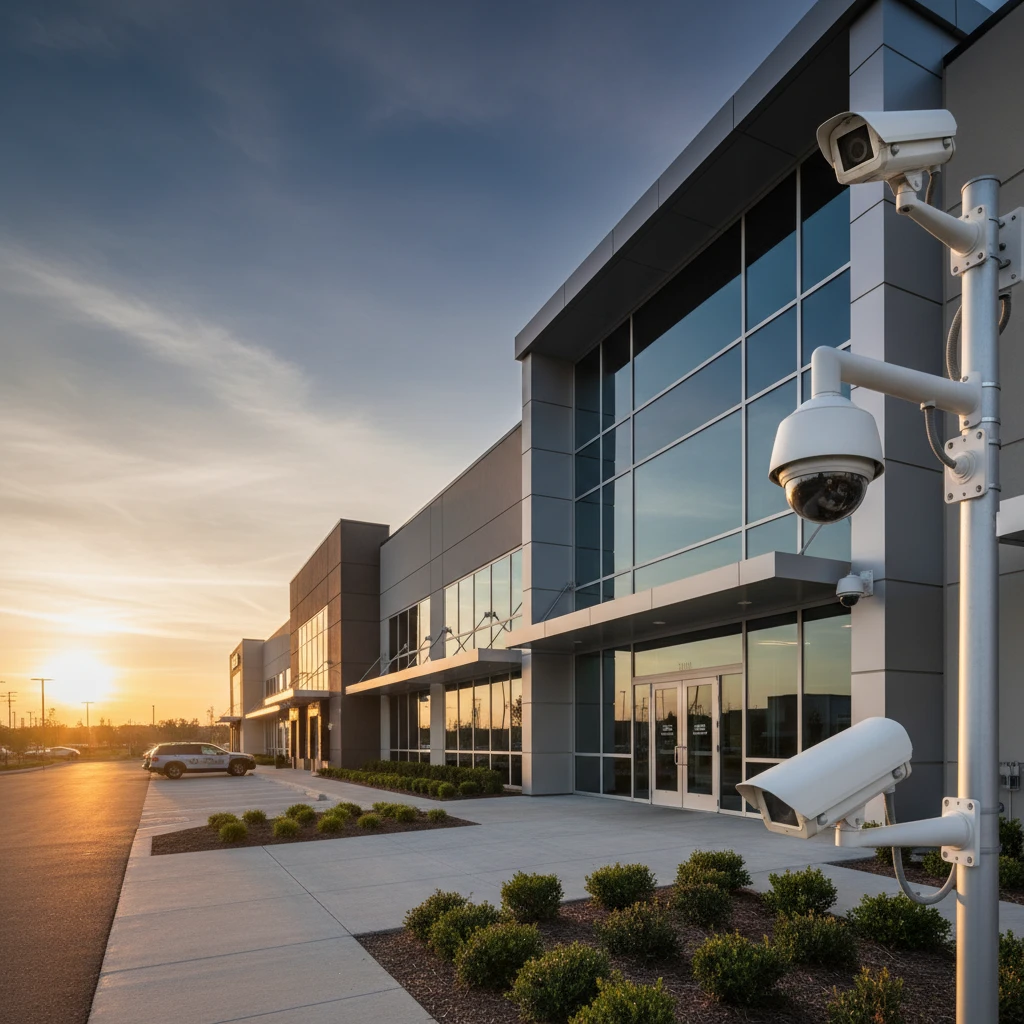
Bullet cameras are easily recognizable by their cylindrical, elongated shape, designed to be highly visible and often mounted on walls or ceilings, typically outdoors. Their robust construction makes them well-suited to withstand environmental factors like dust, rain, and temperature fluctuations, and many models are equipped with IR illuminators for effective night surveillance. The very visibility of a bullet camera often serves as a strong deterrent, signaling to potential intruders that the premises are being actively monitored.
These cameras are particularly effective for perimeter security, monitoring parking lots, building entrances, loading docks, and other exterior areas where a clear line of sight and a visible security presence are desired. Their straightforward mounting and adjustability make them a practical choice for covering specific zones that require focused attention. In applications where a strong deterrent effect is as important as recording evidence, the imposing presence of a bullet camera makes it a go-to option for enhancing external security measures.
PTZ (Pan-Tilt-Zoom) Cameras: Comprehensive Coverage and Detail
Pan-Tilt-Zoom (PTZ) cameras offer advanced functionality for comprehensive surveillance over large areas or complex environments. Unlike fixed cameras, PTZ units can be remotely controlled to pan horizontally, tilt vertically, and zoom in on specific objects or individuals. This capability allows a single PTZ camera to cover a much wider area than multiple fixed cameras, making them highly efficient for monitoring expansive spaces such as warehouses, large open-plan offices, outdoor yards, or public squares.
The zooming capability of PTZ cameras is crucial for capturing fine details that might be missed by other camera types. This is invaluable for identifying license plates, reading serial numbers on equipment, or clearly observing activities at a distance. Many PTZ cameras are also equipped with advanced tracking features, allowing them to automatically follow moving subjects. This makes them ideal for security personnel who need to actively monitor specific areas or track individuals of interest in real-time, providing unparalleled flexibility and control over the surveillance feed.
Fisheye/360° Cameras: Maximizing Field of View in Open Spaces
Fisheye or 360° cameras are designed to capture an expansive, panoramic view of their surroundings, often encompassing an entire room or open area with a single device. Utilizing a very wide-angle lens, these cameras can provide an immersive, spherical perspective, eliminating blind spots and offering a comprehensive overview of a scene. This makes them exceptionally useful for monitoring large, open spaces where traditional cameras might require multiple overlapping installations.
Ideal for environments like retail floors, exhibition halls, warehouses, or large common areas, 360° cameras provide a single, unified view that can be de-warped and digitally zoomed into specific quadrants for detailed investigation. This capability significantly simplifies installation and reduces the number of cameras needed compared to conventional systems. By offering a complete visual record of an area, these cameras are powerful tools for ensuring complete situational awareness and mitigating risks in broad, open environments.
The Backbone of Your System: Network Infrastructure and Power Solutions
A robust network infrastructure is the silent hero behind any effective commercial security camera system. Without a solid foundation, even the most advanced cameras and recorders will struggle to perform optimally. This means investing in the right cabling, switches, and power solutions to ensure seamless data transmission and constant operation. The backbone of your surveillance network directly impacts video quality, system responsiveness, and overall reliability. Neglecting this crucial component can lead to intermittent footage, laggy live feeds, and ultimately, missed critical events. Prioritizing network integrity is not an afterthought; it’s a fundamental step in building a surveillance system that truly protects your assets and operations. For businesses looking to understand the interplay between network choices and security outcomes, exploring options like PoE wiring for reliable security is a vital starting point.
Power over Ethernet (PoE): Simplified Installation and Reduced Cabling
Power over Ethernet (PoE) technology has revolutionized the installation and management of commercial security cameras. By transmitting both data and electrical power over a single Ethernet cable, PoE significantly reduces the complexity and cost associated with running separate power lines to each camera. This means fewer cables, less mess, and a cleaner aesthetic, particularly beneficial in established buildings where retrofitting power can be challenging. PoE simplifies deployment, allowing for quicker installation times and lower labor costs. Furthermore, it enhances system reliability by providing a centralized and stable power source, often with battery backup options integrated into PoE switches, safeguarding against power outages and ensuring continuous surveillance. This efficiency makes it a preferred choice for businesses prioritizing streamlined operations.
Structured Cabling Best Practices for Reliability
Implementing structured cabling is paramount for ensuring the long-term reliability and performance of your commercial security camera system. This involves a systematic approach to installing and managing all the cabling infrastructure, including Ethernet, fiber optic, and power lines. Proper cable management minimizes signal interference, reduces the risk of physical damage, and simplifies troubleshooting. Adhering to industry standards, such as TIA/EIA, ensures that your cabling is organized, labeled, and easily accessible for future upgrades or repairs. Well-designed structured cabling not only supports your current surveillance needs but also provides a flexible foundation for integrating new technologies, such as access control or audio systems, without extensive rewiring. For businesses serious about long-term system integrity, understanding structured cabling for reliability is a key investment.
Network Bandwidth Considerations for High-Quality Video Streams
The quality of your video streams directly correlates with the bandwidth available on your network. High-definition cameras, especially those with higher frame rates and advanced compression techniques, consume significant bandwidth. Insufficient bandwidth can lead to pixelated images, dropped frames, and latency, rendering the footage less useful for critical security analysis or evidence gathering. When planning your commercial CCTV system, it’s essential to calculate the total bandwidth requirements based on the number of cameras, their resolution, and the desired frame rate. Consider implementing Quality of Service (QoS) protocols to prioritize video traffic over less critical network activities. This ensures that your surveillance streams receive the necessary network resources, even during peak usage times, maintaining clear and continuous footage essential for operational visibility and ROI.
Leveraging Remote Access and Mobile Viewing for Enhanced Control
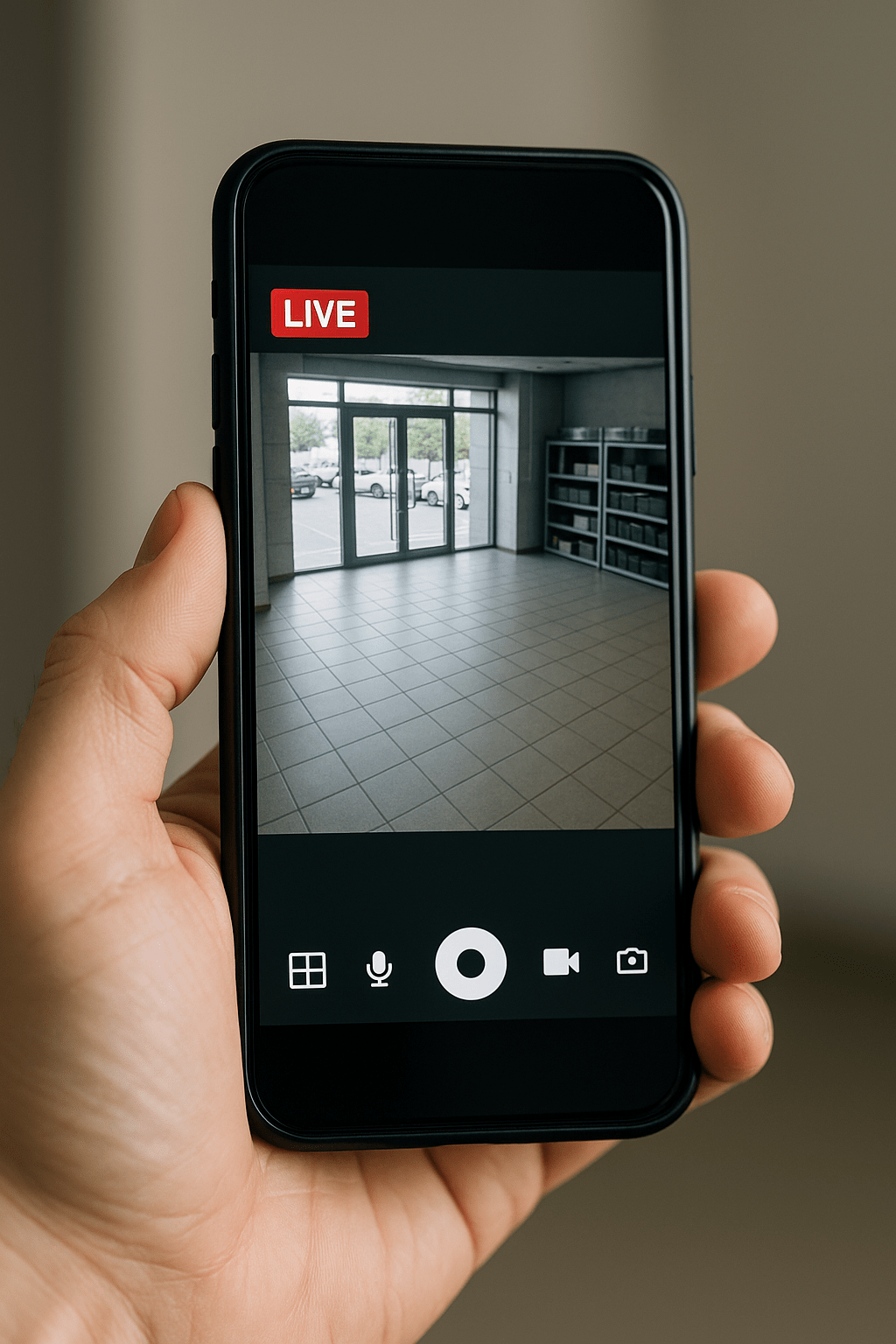
In today’s fast-paced business environment, the ability to monitor your premises remotely is no longer a luxury but a necessity. Modern commercial security camera systems offer sophisticated remote access and mobile viewing capabilities, empowering business owners and managers with unprecedented control and situational awareness. This feature allows you to check in on your operations, view live feeds, and review recorded footage from virtually any location with an internet connection. This flexibility is invaluable for businesses with multiple locations, employees who travel, or managers who need to stay connected to their premises even when off-site. Enhancing your security posture often involves understanding how to maximize these remote capabilities for proactive management and rapid response. For instance, knowing that you can deter shrinkage in your business by having eyes on inventory from afar adds significant value.
Real-Time Monitoring from Anywhere, Anytime
The cornerstone of advanced commercial security is real-time monitoring, accessible from any internet-enabled device. This capability transforms your smartphone, tablet, or laptop into a mobile command center. Whether you’re overseeing operations at a second facility, attending an off-site meeting, or simply away from the office, you can instantly access live video feeds from your security cameras. This immediate visibility allows for prompt decision-making, whether it’s responding to an unusual activity detected by staff or quickly verifying the status of a delivery. Real-time monitoring provides peace of mind and a proactive approach to security, enabling you to address potential issues before they escalate into costly problems.
Secure Mobile App Functionality for On-the-Go Management
A well-designed mobile application is the gateway to seamless on-the-go management of your commercial security system. Look for applications that prioritize user-friendliness, robust security features, and comprehensive functionality. This typically includes intuitive navigation for live viewing and playback, secure login protocols (such as two-factor authentication), and the ability to pan, tilt, and zoom (PTZ) cameras where applicable. Beyond viewing, advanced apps allow for configuration changes, user management, and the ability to download footage directly to your mobile device for immediate sharing. Ensuring the mobile app employs strong encryption and regular security updates is critical to protecting your sensitive video data and maintaining the integrity of your surveillance network.
Alerts and Notifications: Staying Informed of Critical Events
Proactive security relies on being informed of critical events the moment they occur. Modern commercial security camera systems integrate sophisticated alert and notification features that can be customized to your specific needs. This can include motion detection alerts, line-crossing notifications, or even intelligent analytics that flag unusual behavior. These alerts can be configured to be sent directly to your mobile device, email, or a central monitoring station, ensuring that you receive timely information. By setting up specific triggers and notification parameters, you can minimize false alarms and focus on events that truly require your attention, enabling a faster and more effective response to potential security breaches or operational disruptions.
Scalable and Integrated Security Solutions for Multi-Location Businesses
For businesses operating across multiple sites, managing security can become a complex logistical challenge. Scalable and integrated security solutions are designed to address this by providing a unified approach to surveillance, access control, and other security measures across an entire portfolio of locations. This integration streamlines management, enforces consistent security standards, and often leads to cost efficiencies. A well-designed, scalable system can grow with your business, allowing you to add new cameras, sites, or functionalities without needing to rip and replace existing infrastructure. This forward-thinking approach is crucial for businesses that anticipate expansion or frequent changes in their operational landscape, ensuring that their security infrastructure remains a strong asset rather than a bottleneck. Exploring scalable security system maintenance is essential for long-term success.
Centralized Management Platforms for Diverse Portfolios
Managing security for multiple business locations can quickly become overwhelming if each site operates on a siloed system. Centralized management platforms offer a powerful solution by consolidating control and visibility over all your security assets into a single interface. This allows authorized personnel to monitor live feeds, review footage, manage user access, and configure settings for cameras, recorders, and other devices across all your locations from one dashboard. This unified approach significantly reduces administrative overhead, simplifies troubleshooting, and ensures a consistent security posture across your entire enterprise. Whether your business operates five retail stores or twenty manufacturing plants, a centralized platform is key to efficient and effective oversight.
Designing for Future Growth: Adapting to Expanding Needs
A truly effective commercial security system is not just built for today but also designed with tomorrow in mind. When implementing or upgrading your surveillance infrastructure, consider its scalability. This involves choosing hardware and software that can accommodate an increasing number of cameras, higher resolutions, expanded storage requirements, and the potential integration of new technologies like AI-powered analytics or advanced access control systems. A modular design approach ensures that as your business expands, your security system can seamlessly adapt without significant disruption or costly overhauls. Planning for future growth means selecting solutions that offer flexibility and are supported by providers who can offer ongoing upgrades and support, ensuring your investment remains relevant and effective for years to come.
Ensuring Consistent Security Standards Across All Sites
For businesses with multiple locations, maintaining uniform security standards is critical for both risk management and operational efficiency. Inconsistent security protocols across different sites can create vulnerabilities and dilute the overall effectiveness of your security strategy. A centralized management system, coupled with clearly defined operational policies, helps enforce these standards. This includes standardized camera placement, uniform recording retention policies, consistent access control permissions, and regular training for personnel at each location. By ensuring that every site adheres to the same high level of security, you mitigate risks, simplify compliance, and present a unified front against potential threats, reinforcing your commitment to liability mitigation for GTA businesses.
Installation and Maintenance: The Professional Advantage
While the technology behind commercial security cameras is impressive, its true effectiveness hinges on proper installation and consistent maintenance. Professional installation goes beyond simply mounting cameras; it involves strategic placement, optimal configuration, and robust integration with your network and power systems. Furthermore, ongoing maintenance ensures that your system operates at peak performance, remains secure against emerging threats, and continues to provide reliable surveillance for your business. Cutting corners on these critical phases can lead to suboptimal performance, premature hardware failure, and ultimately, a compromised security posture. Investing in professional expertise delivers a system that is not only functional but also resilient and optimized for your specific environment. For a deeper understanding of how to boost your security, consult top CCTV camera tips.
Why Professional Installation Matters for Optimal Performance
Professional installation is the bedrock of a high-performing commercial security camera system. Experts possess the knowledge to assess your unique environment, identify potential blind spots, and determine the most effective camera types and placements. This includes understanding optimal lighting conditions, angles for surveillance, and integrating cameras seamlessly with your network infrastructure and power sources. Professionals ensure that cabling is installed according to best practices to prevent signal degradation and physical damage. They also configure the system’s software settings, including resolution, frame rates, and recording schedules, to maximize clarity and efficiency, ultimately providing the clearest, most reliable footage essential for deterrence, investigation, and reducing liability with CCTV.
Strategic Camera Placement for Maximum Effectiveness
The effectiveness of your commercial security camera system is heavily influenced by the strategic placement of each camera. This is not a one-size-fits-all approach; it requires careful consideration of your business’s layout, critical assets, and potential threat vectors. Cameras should be positioned to cover entry and exit points, high-value areas, cash handling stations, and common areas where employee or customer activity is significant. Understanding coverage angles, potential glare from sunlight or artificial lighting, and the need for both wide-area surveillance and detailed facial recognition is crucial. Professionals can analyze your specific site to ensure cameras are placed for maximum visibility, minimizing blind spots and optimizing their deterrent effect, as well as providing crucial evidence when needed, for example in smart system design in Brampton.
Ongoing Maintenance and System Health Checks
To ensure your commercial security camera system remains a reliable guardian, regular maintenance and health checks are indispensable. Over time, cameras can accumulate dust, lenses can become smudged, and network connections can falter, all of which can degrade image quality and system performance. Scheduled maintenance typically includes cleaning camera lenses and housings, checking network connections, verifying recording integrity, and updating firmware for both cameras and recorders. Periodic system health checks also involve testing alert functionalities, reviewing storage capacity, and ensuring that backup power sources are operational. Proactive maintenance not only extends the lifespan of your equipment but also prevents unexpected failures, guaranteeing that your surveillance system is consistently ready to protect your assets and operations.
Considering Alternatives to Traditional CCTV Systems
While traditional CCTV remains a cornerstone of business security, exploring alternative and complementary systems is crucial for a comprehensive risk mitigation strategy. Businesses often consider DIY security solutions, primarily driven by perceived cost savings and ease of setup. However, the complexity of commercial environments often presents significant limitations for these approaches. Professional-grade systems, designed for scalability and integration, offer distinct advantages that are difficult for DIY options to match. Understanding these differences ensures that the chosen security infrastructure aligns with the specific needs and scale of your operation, rather than creating potential vulnerabilities.
DIY Security Solutions: Limitations for Commercial Environments
DIY security cameras and systems, while appealing for their initial affordability, frequently fall short in commercial settings. These systems typically lack the robust infrastructure, advanced features, and centralized management capabilities essential for business operations. Installation can be challenging, often requiring technical expertise to ensure proper placement, network integration, and consistent performance, which can negate any perceived DIY savings. Furthermore, their scalability is often limited, making it difficult to expand coverage as a business grows. Many DIY systems also offer less sophisticated data security and fewer integration options with other business systems, such as access control or alarm panels. This can lead to fragmented security, increased vulnerability, and a higher total cost of ownership when workarounds or upgrades become necessary. For businesses in areas like Mississauga and Brampton, where diverse commercial needs are common, a professional approach is often more practical.
Alarm Systems vs. Video Surveillance: Complementary or Replacement?
Alarm systems and video surveillance serve distinct but often complementary roles in a robust security posture. Alarm systems are designed for immediate threat detection and notification, triggering alerts upon unauthorized entry or intrusion. They are excellent for perimeter security and alerting authorities quickly. Video surveillance, on the other hand, provides visual evidence, allows for real-time monitoring, and acts as a powerful deterrent. While an alarm can tell you someone broke in, cameras show you who, what, and when. They are not typically direct replacements for each other. Instead, the most effective security strategies integrate both, using alarms for rapid response and cameras for verification, investigation, and evidence. This synergy offers a layered defense that significantly enhances overall business protection.
When Professional, Integrated CCTV is the Superior Choice
For most commercial enterprises, particularly those with multiple locations or complex operational layouts, a professional, integrated CCTV system is the superior choice. These systems are built for reliability, scalability, and advanced functionality. They often incorporate features like Power over Ethernet (PoE) for simplified and stable connectivity, structured cabling for robust performance, and centralized management platforms for seamless monitoring and administration. Unlike DIY setups, professional installations ensure optimal camera placement for maximum coverage, adherence to industry best practices, and the ability to integrate with other security and business systems. This comprehensive approach is crucial for mitigating sophisticated threats and ensuring operational continuity. For businesses in the Greater Toronto Area, choosing a provider experienced in commercial CCTV system design ensures a tailored, effective solution.
Mitigating Specific Business Risks with Strategic Camera Deployment
Beyond general security, strategic deployment of commercial CCTV cameras can directly address and mitigate a wide array of specific business risks. From preventing external threats like theft and vandalism to enhancing internal accountability and safety, the visual oversight provided by surveillance systems offers invaluable insights and deterrence. Understanding these targeted applications allows businesses to maximize their investment by focusing camera placement and capabilities on their most critical vulnerabilities. This proactive approach moves security from a reactive measure to a strategic business enabler, contributing to a safer, more efficient, and more secure operational environment.
Deterring Theft and Vandalism in Retail and Warehouses
Retail environments and warehouses are particularly susceptible to both internal and external theft, as well as vandalism. Visible security cameras act as a powerful deterrent to opportunistic thieves, discouraging unauthorized access and illicit activities. In retail, cameras can monitor sales floors, stockrooms, and entrances, capturing evidence of shoplifting and employee theft. For warehouses, strategic placement at loading docks, entry points, and within storage areas can prevent cargo theft, unauthorized material removal, and damage to inventory. High-resolution cameras with advanced analytics can even detect suspicious behavior patterns before an incident occurs. Implementing effective surveillance is a key component of reducing shrinkage in your business.
Enhancing Workplace Safety and Employee Accountability
In any commercial setting, ensuring a safe working environment for employees is paramount. CCTV systems play a vital role in this by monitoring common areas, production floors, and potentially hazardous zones. This visual oversight can help prevent accidents by identifying unsafe practices or environmental hazards in real-time, allowing for immediate intervention. Furthermore, cameras enhance employee accountability, fostering a culture of diligence and professionalism. In instances of workplace disputes or safety incidents, recorded footage provides an impartial account, protecting both employees and employers from unfounded accusations. This is particularly relevant in manufacturing and industrial settings where adherence to safety protocols is critical.
Streamlining Operational Oversight and Process Improvement
Commercial security cameras offer more than just protection; they are valuable tools for gaining operational insights and improving efficiency. By monitoring workflows, production lines, and logistical processes, businesses can identify bottlenecks, inefficiencies, and areas where procedures can be optimized. For example, in a warehouse, cameras can track the speed and accuracy of order fulfillment. In manufacturing, they can help pinpoint causes of production delays or quality control issues. This data-driven perspective, gathered through unobtrusive visual monitoring, empowers management to make informed decisions that enhance productivity and streamline operations, ultimately contributing to a better operational ROI.
Protecting Against False Claims and Liability Issues
One of the most significant benefits of robust CCTV systems is their ability to protect businesses from costly false claims and liability issues. In situations like slip-and-fall accidents, workplace disputes, or alleged employee misconduct, clear video evidence provides an objective record of events. This can exonerate innocent parties and refute fraudulent claims, saving businesses substantial amounts in legal fees and settlements. Strategic camera placement in high-traffic areas, customer-facing zones, and near entry/exit points ensures that critical events are captured. This proactive defense mechanism is essential for managing risk and maintaining the financial health of an organization, forming a key part of mitigating liability for GTA businesses.
Compliance and Data Security: Navigating Regulations in 2026
As of 2026, businesses face an increasingly complex landscape of regulations governing video surveillance and data handling. Adhering to these mandates is not merely a matter of good practice; it is a legal necessity. Failure to comply can result in substantial fines, reputational damage, and loss of customer trust. Key areas of focus include understanding privacy rights, implementing secure data retention policies, and ensuring the integrity and confidentiality of recorded footage. Businesses must also be aware of industry-specific mandates that may impose additional security requirements. Proactive engagement with these compliance aspects is vital for maintaining an ethical and legal surveillance system.
Understanding Privacy Laws and Data Retention Policies
Navigating the intricacies of privacy laws, such as those concerning employee monitoring and public spaces, is critical for any business utilizing CCTV. In Canada, provincial and federal privacy legislation, like PIPEDA (Personal Information Protection and Electronic Documents Act), outlines obligations regarding the collection, use, and disclosure of personal information, which includes video footage. Businesses must ensure that their surveillance practices are transparent, with clear signage indicating that recording is in progress. Establishing and strictly adhering to data retention policies is equally important; holding footage longer than necessary increases liability and storage costs. Typically, retention periods are determined by legal requirements, insurance needs, and operational necessity, often ranging from 30 to 90 days, unless specific circumstances warrant longer storage.
Securing Your Video Footage: Encryption and Access Control
The security of your captured video footage is as important as the cameras themselves. Encryption and robust access control are paramount to protecting this sensitive data from unauthorized access, tampering, or breaches. Encryption scrambles the data, making it unreadable to anyone without the correct decryption key. Implementing multi-factor authentication and role-based access for system administrators and authorized personnel ensures that only those who need to view footage can do so. Regular security audits of the system and the network it operates on are also crucial. For businesses requiring resilient connectivity and data integrity, professional installation focusing on commercial CCTV PoE wiring can prevent network-related vulnerabilities.
Meeting Industry-Specific Security Mandates
Certain industries are subject to stringent, sector-specific security regulations that extend to video surveillance systems. For instance, the financial sector, healthcare providers, and critical infrastructure operators often have mandated requirements for the type, resolution, and retention period of surveillance footage. These mandates are designed to enhance security, prevent illicit activities, and ensure compliance with regulatory bodies. Businesses operating in these sectors must conduct thorough research to understand and implement the specific standards applicable to their operations. Failing to meet these industry-specific security mandates can lead to severe penalties and operational disruptions.
Your Partner in Proactive Business Security: AYS Security Services
Implementing and managing a comprehensive commercial security camera system requires expertise and ongoing support. At AYS Security Services, we specialize in designing, installing, and maintaining advanced CCTV solutions tailored to the unique needs of businesses across the Greater Toronto Area. Our focus is on providing proactive security measures that mitigate risk, enhance operational efficiency, and offer a strong return on investment. We understand the challenges businesses face in today’s environment and are committed to being your trusted partner in safeguarding your assets and operations. From initial consultation and system design to ongoing maintenance and support, we provide end-to-end solutions.